
The lakefront wind finds the upper deck before the public address announcer does, and by the time the first whistle sounds the city has already decided this is not an ordinary midweek diversion. Bears Patriots Thursday night arrives with the peculiar pressure of a short week, two young quarterbacks still writing their professional stories, and a stadium that treats October cold as part of the home advantage. Fans will file in from the Loop and the suburbs with the same question they bring to every prime time window: whether Chicago can turn atmosphere into a result, or whether New England will leave with the quieter satisfaction of a road win. For a few hours the rest of the league waits.
A short week asks a different kind of honesty
Thursday football compresses everything that a Sunday usually spreads out. Recovery is shorter. Film study is thinner. A bruise that would fade over a weekend is still talking by kickoff. Coaches talk about managing bodies, but the deeper issue is attention. Players who looked sharp on Sunday can look a half step late when the week has not given them time to reset their feet or their minds.
That compression favors the side that already knows itself. A team with a simple plan, trusted protections, and a quarterback who can get to a second read without a committee meeting has an edge that does not show up in a highlight reel. The visitor, flying in and sleeping in a hotel that never quite feels like home, has even less margin for a sloppy installation. Chicago gets the crowd and the familiar tunnel. New England gets the chance to steal a night before the city has fully warmed to it.
Two quarterbacks still becoming themselves
Caleb Williams and Drake Maye arrived in the same draft class with very different public temperatures around them. Williams came to Chicago as the first name called, carrying the hope of a franchise that has spent years searching for a steady hand. Maye landed in New England a couple of picks later, asked to grow inside an organization that once treated quarterback play as a solved problem and then had to learn patience again.
What matters on this night is not the mythology of either arrival. It is whether each young passer can see the field cleanly when the rush arrives early and the script runs out. Thursday games punish quarterbacks who need a perfect pocket and reward those who throw on time, take the checkdown without sulking, and avoid the heroic throw that becomes a turnover. Watch the eyes more than the arm. A calm progression is worth more than a spectacular scramble that ends in a punt.
Neither man needs to win the decade in one evening. He needs to keep his team in a game that will be decided by a handful of ordinary plays executed under noise.
What Soldier Field still does to a visitor
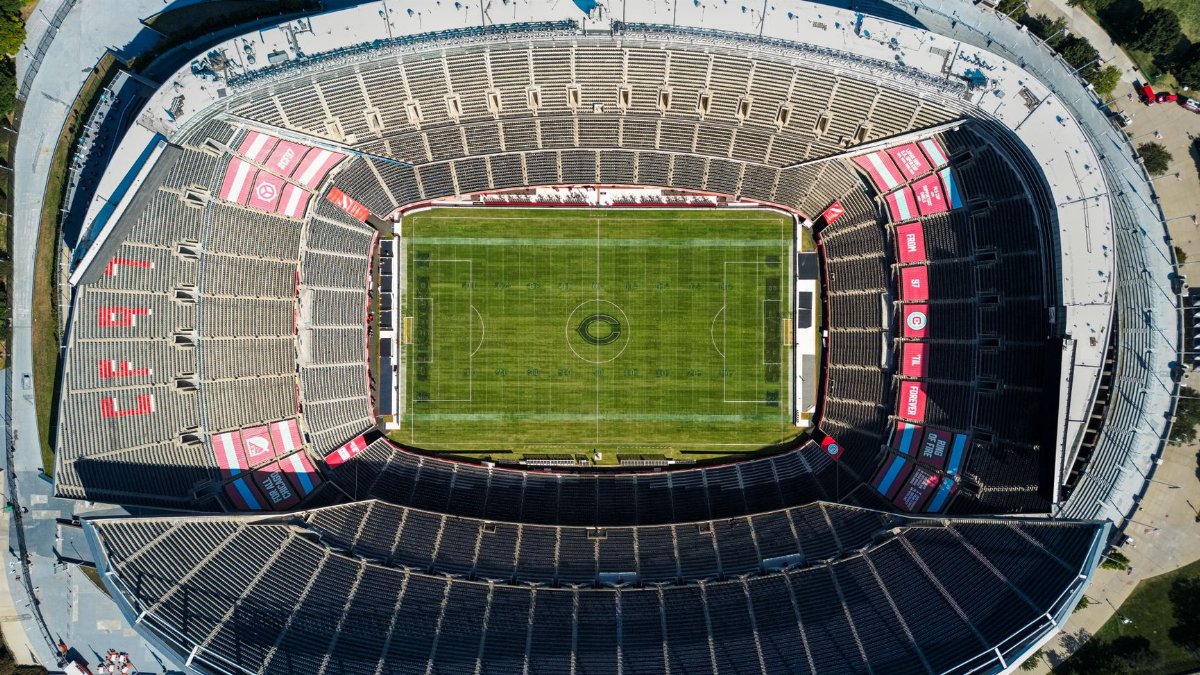
Soldier Field is not the loudest building in the league, and it does not pretend to be. Its advantage is older and less theatrical. The wind off the lake can turn a routine kick into a negotiation. The sight lines and the cold can make a road offense feel slightly late, as if the play clock is moving faster than the legs. Home fans know this weather as weather. Visitors sometimes treat it as an insult.
That does not guarantee anything. A disciplined road team can quiet a stadium with a long drive and a couple of third down conversions. Atmosphere is a loan, not a deed. Chicago has to collect on it early, before New England settles into the rhythm of a game that no longer feels foreign.
An old pairing without the old costumes

Bears and Patriots meetings still carry a faint echo of other eras, when defensive identities and coaching legends did more of the talking than the current rosters. Those echoes are useful only as color. The men on the field now were not the men who defined those winters. Treating this game as a sequel flatters memory and cheats the present.
The more honest frame is developmental. Both clubs are trying to prove that a young quarterback can sit inside a complete team rather than above it. That means the night will likely be less about vintage grudges and more about whether the supporting cast, the line, the receivers, the linebackers who must tackle in space, can make the quarterback look composed. History can fill the pregame conversation. It will not block for anyone.
How the television window changes the sport

A standalone Thursday broadcast turns a single game into the entire league for one evening. Every mistake is replayed. Every timeout feels longer. Players know the camera will not cut away to another contest, which can make a conservative call look timid and a risky one look vain. Broadcasters fill the silence, and silence on a short week is plentiful, because there has been less practice to describe.
For viewers at home, the format invites overreading. One dropped pass becomes a verdict on a season. One clean drive becomes proof of arrival. The wiser habit is to treat Bears Patriots Thursday night as a sample, not a trial. A single midweek result can shift standings and mood. It rarely settles the deeper question of whether a roster is built to last into the cold months.
Coaches and the temptation to do too much
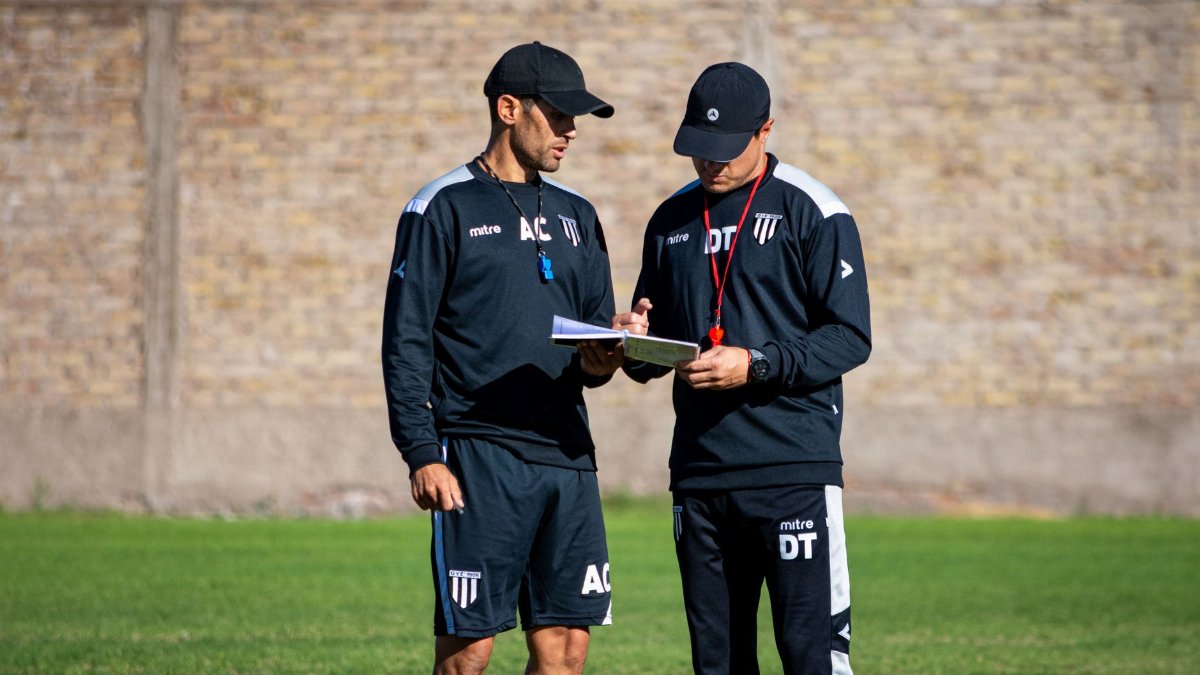
Short weeks expose a coaching vice that fans rarely see up close: the urge to install something new because the opponent has not had time to prepare for it. Sometimes that wrinkle works. Often it produces a confused snap, a missed assignment, and a drive that dies because two players were thinking about a package they touched on Wednesday.
The better Thursday plans usually look almost plain. They lean on runs the line already trusts, play action off those runs, and a handful of shots downfield that do not require a novel formation. If either staff gets cute early and then has to simplify after a penalty or a sack, the other side gains the thing Thursday rarely offers, which is time.
The line of scrimmage still writes the script
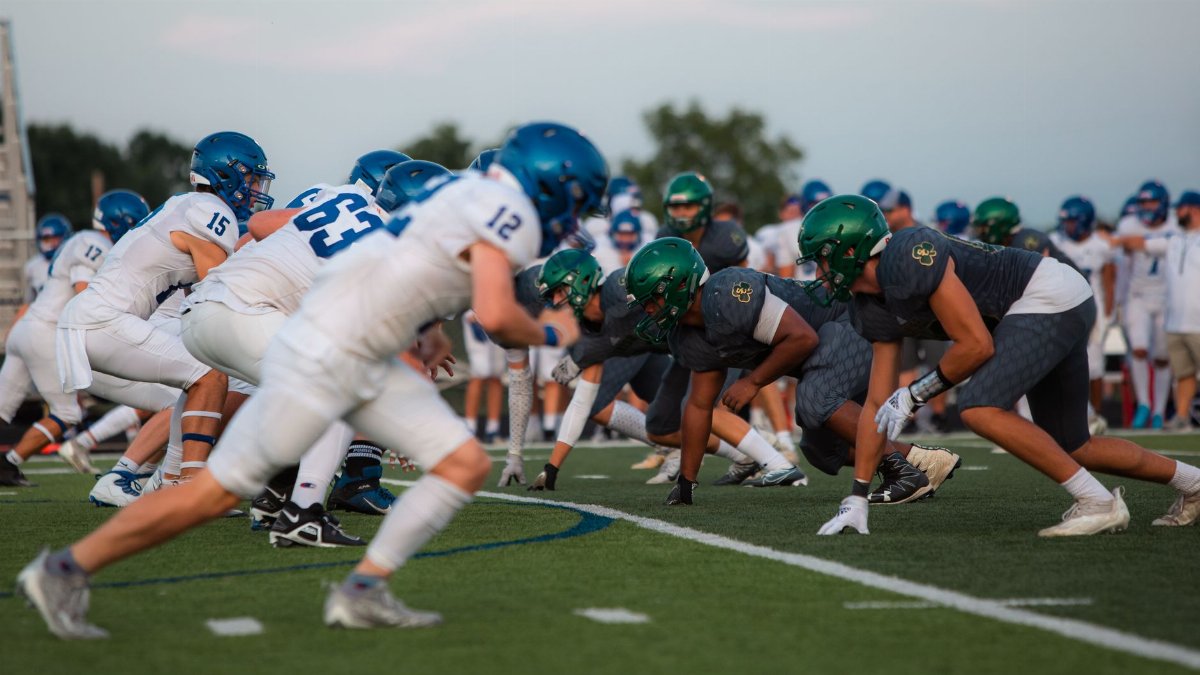
Quarterbacks draw the cameras. The men in front of them decide whether those cameras see poetry or panic. On a short week, pass protection is as much memory as muscle. A tackle who has not fully recovered from Sunday may lose the edge once, and once is enough to flip field position. A guard who knows the call can still be beaten by a twist he has seen all year if his feet are heavy.
Run fits matter just as much. If Chicago can lean on the ground and keep New England in longer downs, Williams gets cleaner pictures. If the Patriots can generate pressure with four rushers and keep extra defenders in coverage, Maye does not have to play hero, and the Bears offense starts to feel the clock. The glamorous story will follow whoever wins the unglamorous one.
Hidden yards and the kicks nobody wants to discuss

Special teams decide more Thursday games than recaps like to admit. A muffed punt, a long return, a field goal pushed by wind, a kickoff that fails to reach the landing zone: each one rearranges the math before the offense has earned anything. In a building where the air moves, the operation is not a sideshow. It is a variable.
Fans who only track touchdowns will miss the swing. Note where drives begin. A team that starts at its own 20 all night can play well and still lose to a team that starts at the 35 twice because of field position it did not have to earn through scheme. That is not luck in the casual sense. It is attention, and attention is scarce by Thursday.
What a careful viewer should actually track

Ignore the first scripted series if you can. Both staffs will have a few calls they like against a tired opponent. The revealing stretch comes after the first possession, when the game becomes a response. Does the quarterback speed up when the pocket shrinks, or does he climb and throw to a defined area? Do the receivers separate on time, or do they need the play to last forever? Do the linebackers tackle or do they arrive and bounce off?
Also watch the sideline mood after a mistake. Young teams sometimes spend the next series apologizing for the last one. Mature teams, even young ones, take the next snap as if the previous snap has already been filed. That emotional housekeeping is not soft analysis. It shows up in penalties, in wasted timeouts, and in whether a defense can get off the field on third down after giving up a chunk play.
Injuries, rumors, and the limits of what we know
Every pregame conversation fills with names who might or might not play. Some of that information is solid by Wednesday. Some of it is a coach protecting a plan, or a reporter repeating a guess that hardened into a fact because it was repeated. Readers should treat late status reports as provisional until the inactives are posted and the first snap confirms who is actually on the field.
That caution is not a refusal to care. It is respect for how quickly a short week changes a body. A player who practiced in a red jersey on Tuesday can be active and limited, or active and essential. Predicting snap counts from a parking lot quote is how confident previews become embarrassed recaps. The honest preview leaves room for the roster that actually shows up.
A civic ritual with a scoreboard attached
There is a reason a weeknight game still empties living rooms across a metro area. It is not only entertainment, though it is that. It is a shared appointment. Coworkers who will not discuss politics will discuss a missed tackle. Families arrange dinner around a kickoff they did not choose. In a city that argues about everything else, the Bears remain one of the few subjects that lets strangers start in the same place.
New England brings its own congregation, smaller on the road but no less convinced. The spiritual language can be overdone, and football is still a business with real stakes for the men who play it. Even so, the gathering has a shape that looks a little like devotion: repetition, costume, hope renewed against the evidence of previous winters. Bears Patriots Thursday night will not redeem a season or a city. It can, for three hours, give people a common object of attention, which is rarer than another touchdown.
What a result would and would not mean

A home win would steady Chicago and give Williams another public marker that the offense can function when the week is ugly. A road win would tell New England that Maye and the defense can travel, which matters more in October than any speech about culture. Neither outcome should be drafted into a manifesto. One game moves the standings. It does not finish an evaluation that still has months of tape ahead of it.
The useful question after the clock hits zero is narrower. Which side imposed its preferred down and distance? Which quarterback avoided the throw that ends drives? Which coach trusted the plan when the building got loud? Answer those and you will know more than the final margin alone can say.
How to watch without being captured by the noise

If you are sitting down for Bears Patriots Thursday night, give the game the first quarter before you decide what it is. The opening drives are often a negotiation with rust. The middle quarters show whether either offense can sustain blocks and whether either defense can tackle without extra hats in the box. The fourth quarter, if the score is close, shows who has enough left in the legs to finish.
Keep a simple private scorecard. Note explosive plays, turnovers, and third down conversions. Those three items explain more losses than any postgame adjective. If Chicago protects the ball and wins the hidden yards, the home field will feel like an advantage rather than a backdrop. If New England controls tempo and keeps Williams off schedule, the wind and the crowd will fade into scenery.
The rest is atmosphere, and atmosphere is real. It is just not the whole story. Two young quarterbacks, two lines, and a short week will write a narrower tale than the broadcast music suggests. That narrower tale is the one worth keeping.