
On a Tuesday evening in Lancaster County, a 41 year old warehouse supervisor waited in an emergency room with a fever he could not shake and a rash that had climbed from his hairline to his chest. He told the triage nurse he had never thought of measles as something that could knock a grown man flat. That assumption is colliding with the Pennsylvania measles outbreak, which state health officials now describe as the largest in the country, with most of the sick being adults rather than schoolchildren.
A childhood label that no longer fits the wards
Measles still carries the reputation of a rite of passage from another era, the sort of illness grandparents mention in passing. In Pennsylvania this fall, that reputation is misleading. Health department briefings say roughly two thirds of confirmed infections are in people 18 and older. Emergency physicians in Philadelphia, Pittsburgh, and smaller cities report adults arriving dehydrated, short of breath, and surprised that a virus associated with elementary school could land them in a hospital bed.
The shift matters because adult bodies do not always weather the infection the way a healthy child might. Pneumonia, ear infections, and, in rarer cases, brain inflammation can follow the rash. Officials have linked six deaths in the state to this wave, a toll that has quieted the idea that measles is merely inconvenient.
How the Pennsylvania measles outbreak took hold
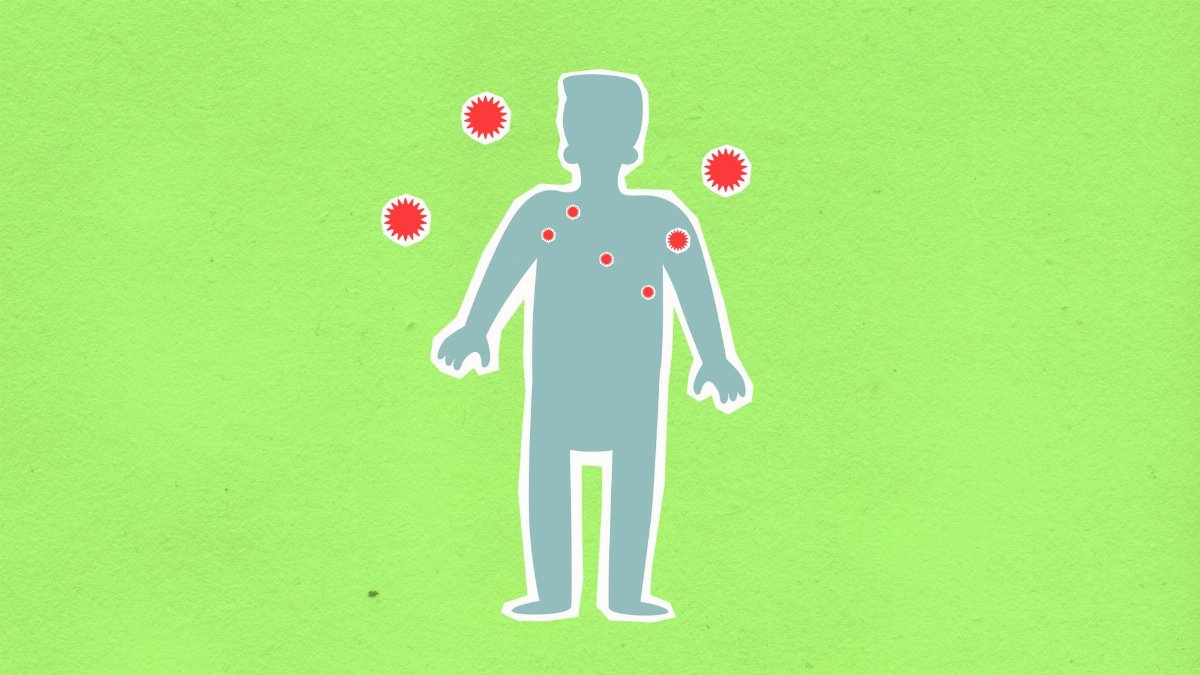
Investigators trace the first cluster to travel related exposures in late summer, then to household spread and a handful of workplaces where people shared break rooms for long shifts. From there the virus moved through unvaccinated and under vaccinated networks faster than contact tracers could close the gaps. Measles is among the most contagious viruses known to medicine. A single infectious person in a waiting room, a church hall, or a crowded bus can seed many secondary cases before anyone feels ill.
Pennsylvania measles outbreak case counts climbed through September and into October, outpacing other states reporting active transmission. County health directors say the geography is uneven. Some suburbs show only scattered infections. Other communities, including pockets with low routine immunization, account for a disproportionate share of hospitalizations.
Why so many of the patients are grown
Several forces are converging. Some adults never received the measles, mumps, and rubella vaccine, or received only one dose in an era when a single shot was considered enough. Others were born abroad in places where routine programs were interrupted. A smaller group was vaccinated decades ago and may have waning protection, though public health agencies still regard two documented doses as highly effective for the great majority of people.
Adults also move through more settings than young children. They commute, staff clinics, teach, preach, and care for elderly parents. When they get sick, they can carry the virus into workplaces and multigenerational homes before the rash appears. The contagious window begins days before the telltale spots, which is why isolation after symptoms start is often too late to prevent the first round of spread.
What severe illness looks like after childhood
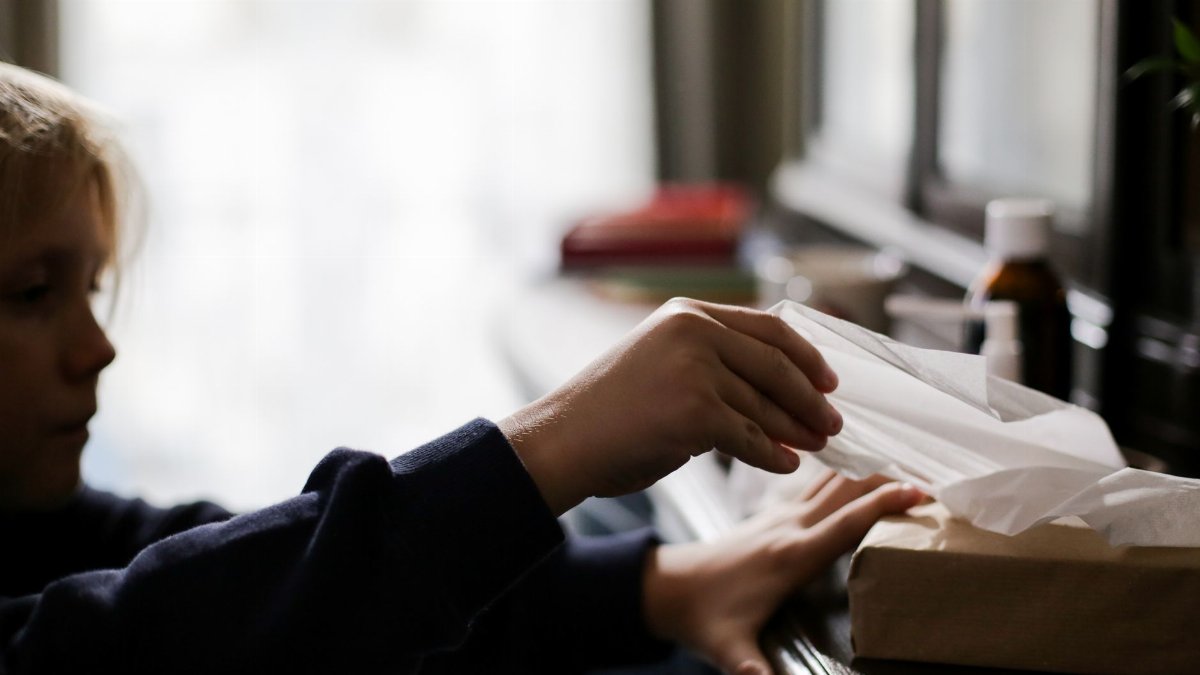
Clinicians describe a pattern that is easy to miss at the start. High fever, cough, red eyes, and a runny nose can resemble influenza or a bad cold. The rash arrives later. By then some patients are already struggling to keep fluids down. In older adults and in people with weakened immune systems, pneumonia is the complication doctors fear most. Pregnant patients face additional risks, including preterm labor, which is why obstetric practices have tightened screening questions about rash and exposure.
The Centers for Disease Control and Prevention maintains plain language guidance on symptoms, complications, and prevention at cdc.gov/measles. Nothing in that guidance treats measles as harmless once a person leaves elementary school. The Pennsylvania deaths, according to officials, involved respiratory failure and, in at least one case, neurological complications. Families have asked hospitals not to release names. The absence of public portraits has not made the loss abstract for the nurses who sat with those patients.
Vaccination records and the gaps they reveal
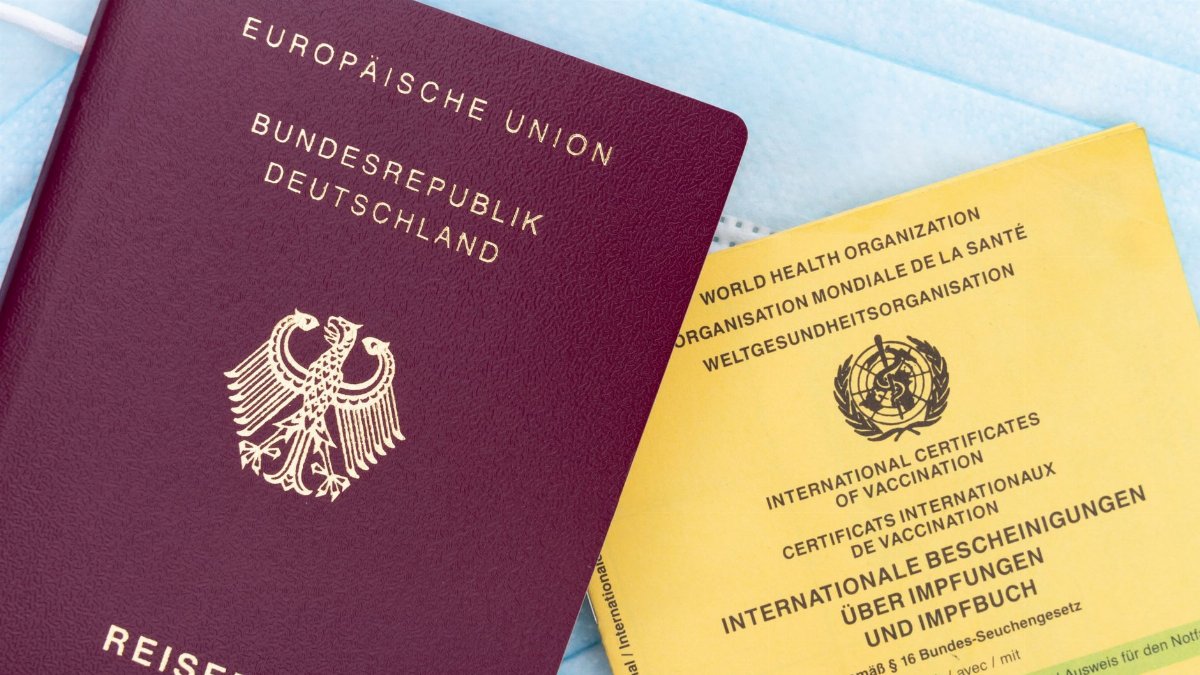
School entry laws created a paper trail for children. Adults often have no such file. Many cannot find a childhood card. Serologic testing, a blood test for antibodies, can clarify immunity when records are missing, but it is not available on every street corner and it takes time. In the middle of an outbreak, time is the resource nobody has.
Health systems have opened extra clinics for the MMR vaccine, including evening hours aimed at shift workers. Demand spiked after the death announcements. So did confusion. Some callers wanted a shot the same day they learned a coworker was ill. Others worried that a vaccine given in adulthood would be unsafe. Physicians have spent long visits walking through the difference between a live attenuated vaccine with a long safety record and the infection it is meant to prevent.
Hospitals, isolation rooms, and a strained workforce
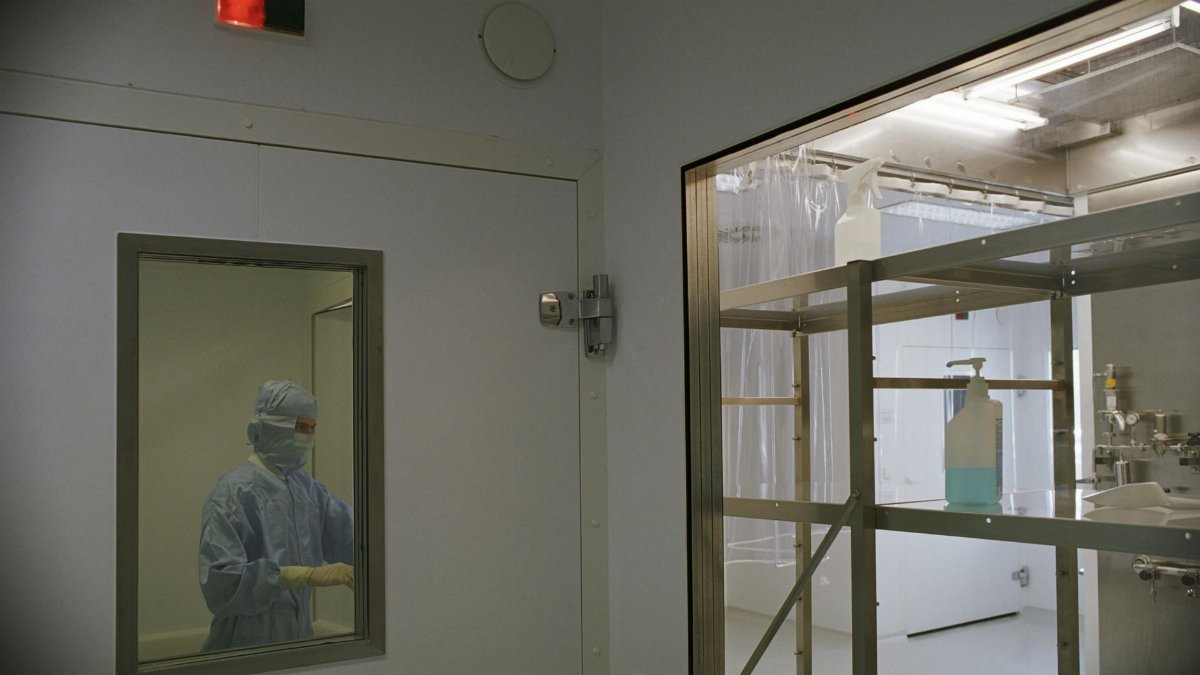
Airborne precautions are not optional with measles. Patients need negative pressure rooms or carefully managed transfers. Those rooms are finite. When several adults arrive in one afternoon, emergency departments reshuffle trauma bays and postpone elective procedures. Staff who lack documented immunity are pulled from measles units, which thins the roster further.
Rural hospitals feel the pinch differently from academic centers. A facility with two isolation rooms cannot absorb a cluster the way a city hospital can. Some patients have been moved across county lines, separating them from family for days. That logistical burden is part of why health officers keep returning to prevention rather than heroics after the fact.
Faith communities and the work of trust
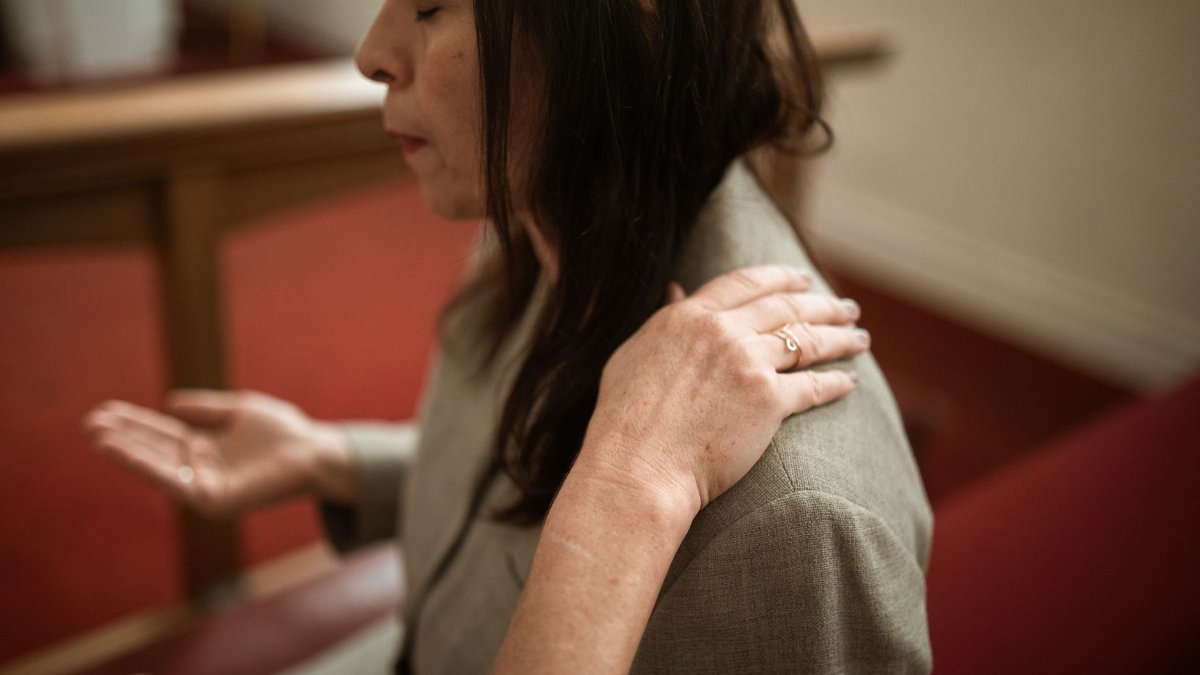
In a state where congregations still function as civic centers, pastors, imams, and rabbis have become unlikely public health messengers. Several houses of worship postponed large gatherings after members tested positive. Others hosted information sessions with county nurses, careful to separate medical facts from political argument. The category of spiritual life is not a sideshow here. People decide whether to vaccinate, whether to stay home, and whether to trust a health department inside communities that already share meals and childcare.
Leaders who spoke with reporters described fatigue more than defiance. Congregants wanted straight answers about adult risk. They wanted to know whether a childhood shot still counted. They wanted funerals to be safe. The most effective conversations, those leaders said, happened one kitchen table at a time, not in a press conference.
Workplaces that became transmission sites
Break rooms, locker areas, and open offices gave the virus a routine. Employers with hourly staff struggled to offer paid time off for isolation, and some workers came in febrile because missing a shift meant missing rent. Occupational health consultants have urged companies to treat a measles exposure the way they would treat a fire drill: know who lacks immunity, know where air is shared, and do not wait for a rash to send someone home.
Unions in logistics and food processing have asked the state for clearer rules on exclusion from work and for access to vaccine clinics on site. Those requests are less about ideology than about the arithmetic of contagion. One infectious employee on a line can touch dozens of colleagues before anyone connects a fever to measles.
Children still matter, even when adults dominate the charts
Infants too young for the routine vaccine remain the most vulnerable bystanders. Pediatricians report anxious parents of babies who sat in the same clinic as a coughing adult later diagnosed with measles. Postexposure options exist in narrow windows, including immunoglobulin for some high risk infants, but they are not a substitute for keeping infectious people out of waiting rooms.
School nurses, meanwhile, are auditing records with a urgency they have not felt in years. A wave driven by adults can still spill into classrooms through older siblings and staff. Districts that relaxed exclusion rules during quieter years are rewriting them in real time.
What containment actually requires now
Containing the Pennsylvania measles outbreak is not a single lever. It is rapid case finding, honest isolation, and vaccination of susceptible adults and children before the next generation of cases appears. Contact tracers say cooperation is high once people understand that the contagious period starts early. Cooperation drops when advice feels punitive or when clinic hours ignore night shifts.
Officials have asked travelers to check immunity before visiting relatives in affected counties and to call ahead rather than walk into an emergency department with a rash. That small courtesy protects the person in the next chair, who may be pregnant, elderly, or medically fragile.
A quieter lesson beneath the headlines
Measles receded in the United States because vaccination made absence feel normal. Absence is not the same as extinction. The virus needs only a gap in immunity and a crowded room. Pennsylvania is living inside that gap, and the patients filling it are often people who assumed childhood illnesses stayed in childhood.
The warehouse supervisor in Lancaster County went home after several days of oxygen and fluids. He told a reporter he planned to bring his adult children to a vaccine clinic, not because a slogan persuaded him, but because he had watched his own strength fail in a way he did not recognize. Stories like his will not close the outbreak by themselves. They do explain why a disease filed under pediatrics now belongs, uncomfortably, in the adult medicine column as well.