

In the heart of the Pacific Northwest efforts to honor indigenous legacies have taken an inventive turn. The distribution of more than ten thousand copies of a new guide has sparked interest in native landmarks and traditions throughout Washington. This publication known as the Tribal Cultural Roadmap incorporates playful illustrations and collectible cards to engage residents and visitors alike in discovering these important locations.
The Creative Elements Behind the Guide

Artistic touches define much of the publication with whimsical drawings that depict tribal stories in accessible ways. These visuals avoid dry presentations instead offering scenes that capture daily life and ceremonies from various nations. Readers find themselves drawn into narratives that blend education with lighthearted design choices.
Trading Cards as a Unique Engagement Tool

Collectible cards form a standout feature each one highlighting a specific site or cultural practice. Families report using them during road trips to turn visits into interactive experiences. The cards encourage repeated exploration as users seek to complete their sets while learning details about history and current community activities.
Mapping Key Locations Across the State
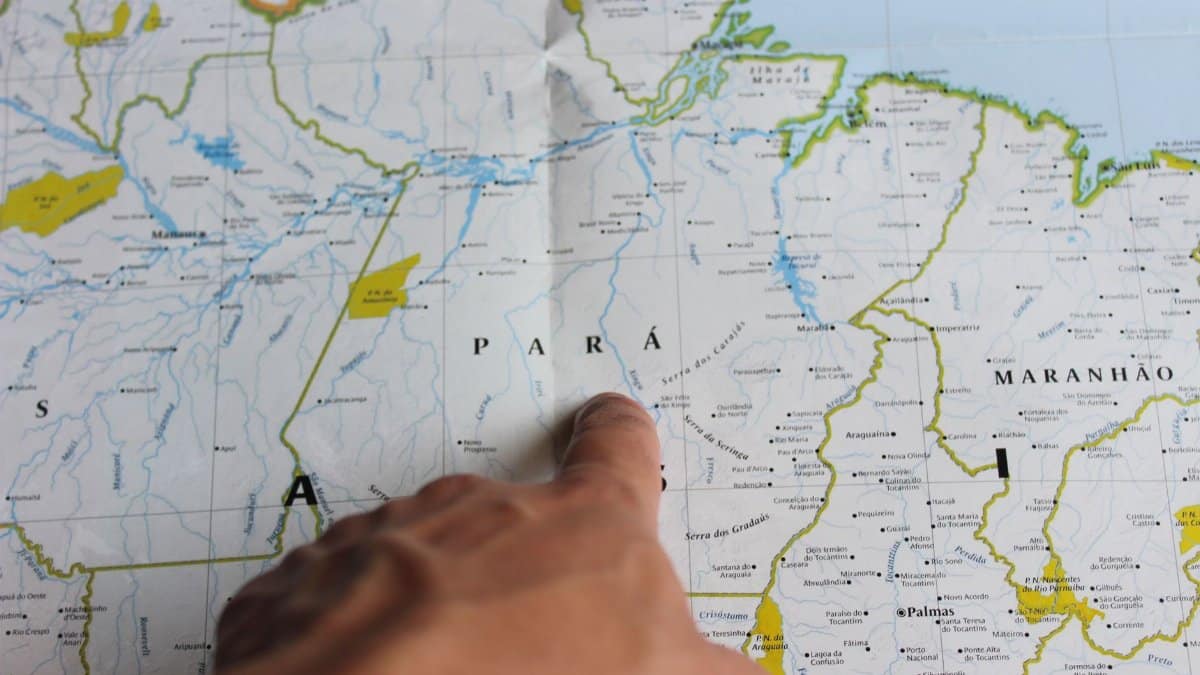
From coastal areas to inland regions the guide points to dozens of accessible places where tribal heritage remains vibrant. Markers include museums interpretive centers and natural sites managed in partnership with native groups. This broad coverage helps illustrate the geographic diversity of Washington tribal presence.
Origins and Development Process

Collaboration among tribal leaders state officials and cultural experts shaped the final product over several years. Input from multiple nations ensured accurate representation while state resources supported printing and distribution. The result reflects careful negotiation of perspectives to present a unified yet respectful overview.
Public Response and Distribution Success
Early feedback shows strong uptake in schools libraries and tourism offices where copies have circulated quickly. Community events have featured discussions about the guide leading to increased awareness of local tribal events. Organizers note steady demand that has exceeded initial projections.
Connections to Broader Equity Efforts

The project aligns with ongoing work to address historical oversights in how state resources portray native contributions. By emphasizing living cultures rather than past events the Tribal Cultural Roadmap supports dialogue on inclusion. It serves as one example of how public materials can reflect a more complete picture of regional identity.
Educational Applications in Classrooms

Teachers have begun integrating sections into lessons on geography and social studies. The accessible format allows students to explore topics through maps and cards before field trips. Feedback from educators highlights improved student engagement compared with traditional textbooks.
Challenges in Accurate Representation
Balancing the voices of numerous tribes required ongoing adjustments to avoid generalizations. Some sections underwent revisions based on community review to better reflect specific traditions. Such attention to detail strengthens the guide credibility though it extended the timeline.
Future Updates and Expansions

Plans call for digital versions and additional print runs to meet continued interest. New editions may incorporate user suggestions and emerging sites. This adaptability positions the Tribal Cultural Roadmap as a living resource rather than a static document.
Visitor Experiences at Highlighted Sites
Travelers describe meaningful encounters when using the guide to plan outings. One family noted how the trading cards prompted conversations with tribal members at a featured center. These interactions add depth beyond what maps alone can convey.