

In a cozy suburban home just outside Chicago, a father named Michael sits with his daughter after she learns she did not make the soccer team. Instead of offering immediate advice or promising ice cream to lift her spirits, he simply listens as she cries. He tells her it is perfectly normal to feel this disappointment deeply. Moments like these are becoming more common as parents across the United States reconsider how they respond to their childrens difficult emotions. This shift reflects a growing interest in emotional acceptance, the practice of allowing ourselves and our loved ones to experience the full range of human feelings without judgment or haste to fix them.
For many middle aged adults raising families today, this approach requires rethinking deeply ingrained habits. We often want to protect our children from pain, yet evidence suggests that learning to navigate sadness and frustration early on builds essential skills for later life. By embracing this perspective, families can cultivate stronger mental resilience and more authentic connections.
The Deep Seated Habit of Avoiding Discomfort

Our society sends a constant message that happiness should be our default state and that any deviation from it requires immediate correction. Advertisements promise products that will eliminate sadness while self help books offer strategies for maintaining perpetual optimism. Even in casual conversations at neighborhood gatherings or school events, the emphasis remains on staying positive no matter the circumstances. When children express sadness or disappointment, many parents instinctively try to redirect them toward more cheerful outlooks or activities. This reaction, while coming from a place of love and protection, can teach young people that certain feelings are unwelcome or somehow wrong. Over time, this pattern may contribute to adults who find it challenging to process their own emotions in healthy ways or to support others through difficult periods.
Child development specialists have observed that such avoidance strategies do not eliminate the underlying feelings. Instead those emotions often manifest later in different forms including anxiety, irritability or even physical symptoms. Recognizing this dynamic represents an important first step for many families seeking to create more supportive emotional environments at home and to break cycles that have persisted across generations.
Drawing Wisdom From Spiritual Traditions
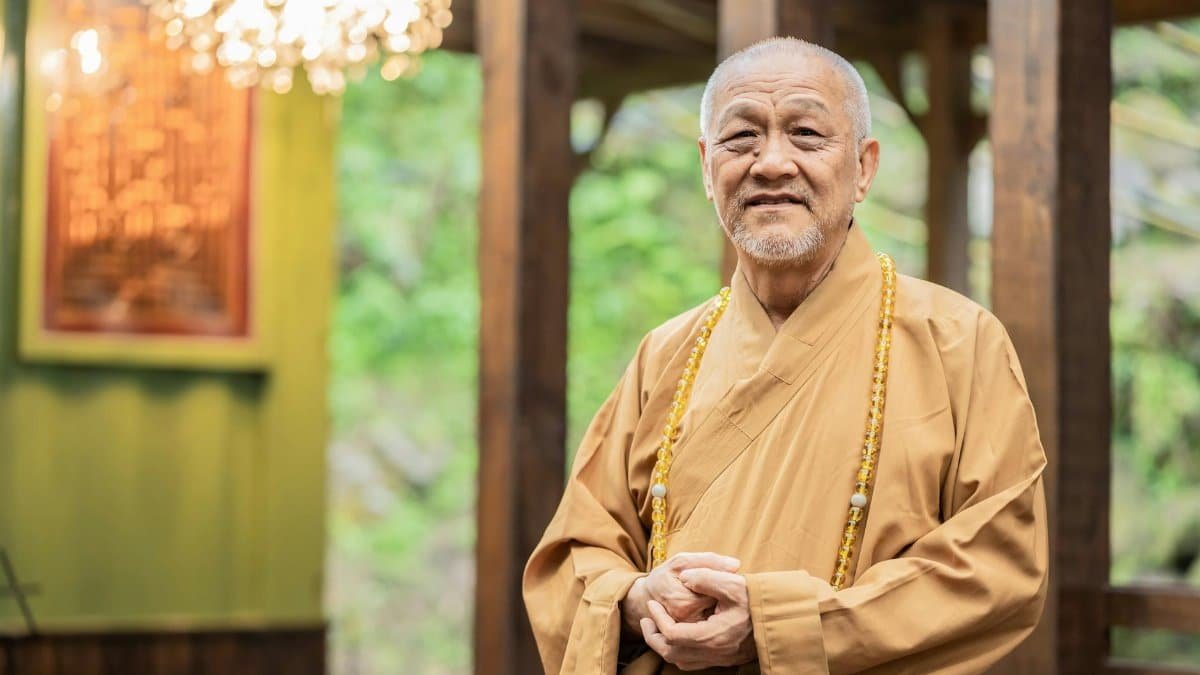
Many spiritual paths have long emphasized the value of accepting all aspects of experience without resistance. Buddhist teachings encourage practitioners to observe emotions with mindful awareness rather than pushing them away or clinging to them. In the Christian contemplative tradition, honest expressions of sorrow and lament hold sacred space alongside joy. These ancient insights align closely with modern understandings of mental health, suggesting that true peace comes not from denying pain but from moving through it with presence and compassion.
Parents exploring these ideas often find them liberating after years of feeling pressure to maintain constant cheerfulness. Rather than viewing sadness as an enemy to defeat, they begin to see it as a messenger carrying important information about what matters most to them and their children. This perspective shift opens new possibilities for connection within families navigating the ordinary losses and disappointments of life.
Why Allowing Sadness Strengthens Young Minds
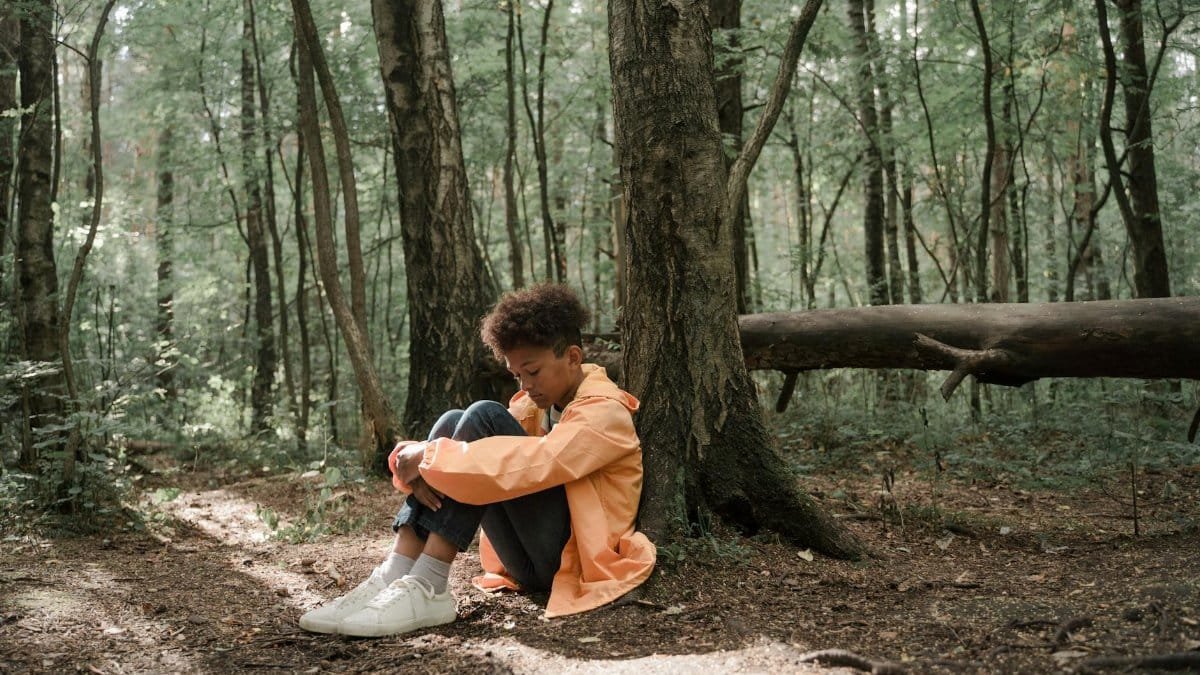
Children who learn that all emotions are acceptable develop greater self confidence and adaptability as they grow. When a child feels truly heard in her sorrow, the experience validates her inner world and builds a foundation of trust that carries into adolescence and adulthood. This validation creates security that allows young people to take healthy risks and recover from setbacks with more ease. Research from various psychological studies supports this view. One report from the University of Texas links parental acceptance of negative emotions with lower rates of behavioral problems in children. The full study can be found at https://news.utexas.edu/2016/08/17/accepting-negative-emotions-key-to-childrens-health/.
Furthermore, by witnessing adults navigate tough feelings with grace and honesty, kids absorb valuable lessons in emotional regulation without needing formal instruction. They learn that emotional storms pass and that they possess the inner capacity to weather them. These early experiences become part of their developing character, equipping them with tools far more valuable than constant praise or protection from discomfort.
Identifying Unhelpful Patterns in Daily Interactions

Many of us grew up hearing common phrases like do not cry or look on the bright side whenever difficult feelings arose. These expressions, though often delivered with care, can inadvertently communicate that emotional pain is intolerable or unacceptable in polite company. In todays fast paced world filled with competing demands, the temptation to distract or dismiss arises easily during busy evenings or rushed mornings. A child upset about a friendship conflict might be handed a tablet or told it is not a big deal in an effort to move everyone forward quickly.
While these responses provide short term relief for both parent and child, they miss precious opportunities for deeper connection and genuine learning. Awareness of these patterns allows mothers and fathers to pause before responding and to choose presence instead. Simple adjustments in language and attention during ordinary moments can accumulate into significant changes in how families relate to one another over months and years.
Developing a Richer Language for Feelings
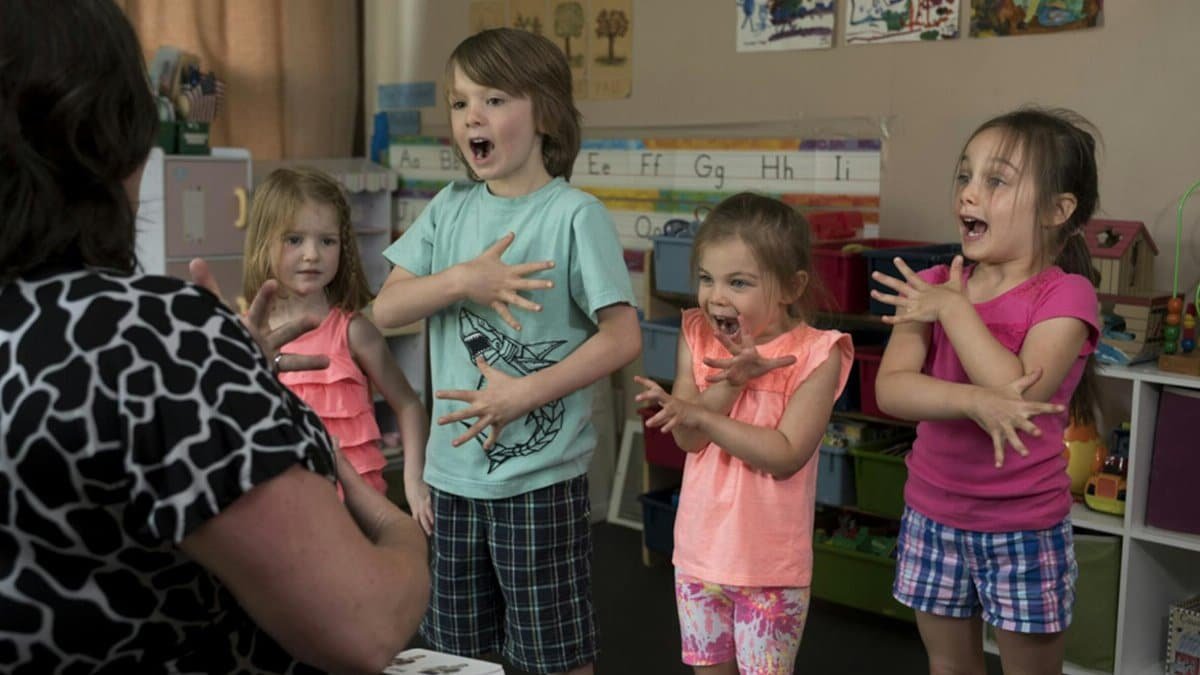
Expanding emotional vocabulary helps both children and adults articulate their inner experiences with greater precision and less overwhelm. Instead of simply saying I feel bad, family members might learn to distinguish between disappointment, grief, frustration, or loneliness. This precision reduces the sense that emotions are vague threatening forces and opens clear pathways toward understanding and support. Families might incorporate evening conversations, storytelling, or even creative drawing sessions that highlight different emotional states, making the exploration feel engaging rather than clinical or heavy.
Such practices contribute to an atmosphere where emotional acceptance becomes a natural part of daily life rather than an occasional project. Children raised in these environments often display greater empathy toward friends and siblings as well as increased comfort with their own vulnerability during challenging times at school or in social settings.
What Researchers Have Discovered About Acceptance

Contemporary psychology offers compelling evidence for the benefits of welcoming rather than fighting difficult emotions. Studies indicate that individuals who practice acceptance of their emotional states report higher overall life satisfaction and reduced symptoms of depression over time. A notable investigation published in the journal Emotion found that suppressing negative feelings correlates with increased stress on the cardiovascular system and weaker immune responses. Readers can explore related findings at https://www.apa.org/pubs/journals/releases/emo-emo0000176.pdf.
Additionally, the work featured on mindful.org in the article On the Other Side of Sadness provides practical illustrations of these principles in family settings. The piece emphasizes that sitting with sadness often leads to unexpected growth, creativity, and deeper bonds between parents and children. Visit https://www.mindful.org/on-the-other-side-of-sadness/ to read more about these transformative experiences.
Practical Approaches for Everyday Family Life

Implementing these ideas does not require dramatic overhauls or perfect conditions. Small changes like dedicating ten minutes for regular emotional check ins after dinner or sharing ones own feelings openly during calm moments can prove remarkably effective. When a parent says I felt really sad today when I heard that news and this is how I am caring for myself, it normalizes the entire spectrum of experience for children watching closely. Creating quiet corners stocked with books and art supplies for reflection or engaging in joint activities like neighborhood walks and nature observation can also support the process without adding pressure.
The key lies in consistency and compassion, both for oneself when old habits resurface and for the children who are absorbing these lessons through observation more than instruction. Progress unfolds gradually through repeated small choices rather than through sudden perfection.
Personal Accounts of Transformation

Across diverse communities, families report meaningful shifts after adopting principles of emotional acceptance. One mother in Atlanta described how her teenage son, previously withdrawn during difficult times at school, began to open up after she stopped trying to fix his moods or offer solutions prematurely. Their relationship deepened considerably as he felt safe expressing vulnerability without fear of being dismissed. Similarly, a father in Seattle found that openly acknowledging his own grief over an unexpected job loss modeled healthy processing for his children. The entire family grew closer through the shared experience of moving through pain together with honesty and support.
These stories illustrate that the benefits extend beyond individual wellbeing to stronger family bonds and communities more attuned to collective emotional needs. What begins as intentional parenting often ripples outward into greater empathy in workplaces, friendships, and civic life.
Expanding the Practice Into Schools and Society
While home environments offer the most direct influence on children, broader institutions play important supporting roles. Some schools have begun incorporating social emotional learning programs that align naturally with emotional acceptance by teaching students to name and normalize their feelings within supportive structures. These initiatives help young people develop language and skills that complement what they learn at home. As more educators, pediatricians, and policymakers recognize the value of this work, entire communities may benefit from reduced stigma around mental health challenges and increased capacity for collective resilience.
Public conversations, informed by both spiritual wisdom and scientific research, are gradually reshaping how our culture views the full human emotional landscape. The trend suggests a future where seeking help during difficult times carries less shame and where all feelings receive the respect they deserve.
Toward a Future Where All Feelings Find a Place

The movement toward greater emotional acceptance represents more than a passing parenting trend or psychological technique. It signals a cultural evolution toward authenticity, resilience, and genuine connection in an often fragmented world. For those of us who are middle aged and raising the next generation, this work offers a rare opportunity to heal our own relationships with difficult emotions while equipping our children with tools for whatever complexities lie ahead.
By choosing presence over platitudes and curiosity over quick correction, we open doors to richer lives on the other side of sadness. The path requires courage, patience, and willingness to sit with uncertainty, yet the rewards touch every aspect of human connection, personal growth, and communal strength. Families willing to walk this road often discover that feelings once feared become gateways to deeper understanding and unexpected joy.