
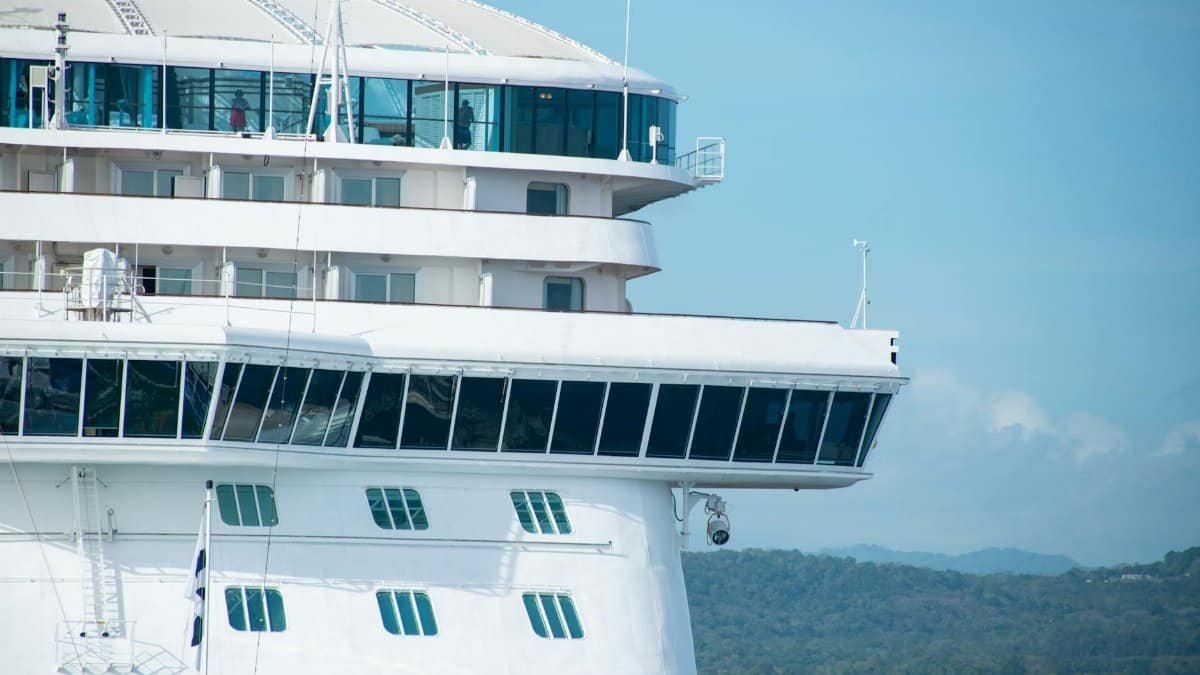
When the MV Hondius emerged from the Southern Ocean last week, few aboard imagined their Antarctic expedition would end in a race against a deadly pathogen. What began as isolated complaints of fever and fatigue among a small group of passengers rapidly escalated into a full scale medical emergency. Three individuals have now died from complications linked to this rare illness while health officials across multiple countries track those who may have been exposed. The unfolding hantavirus cruise outbreak has cast a long shadow over what was meant to be a journey of discovery and wonder. As the vessel steams toward United States ports, families wait anxiously for news and medical teams prepare containment protocols. The event forces a sobering examination of how even the most remote corners of our planet remain connected to forces beyond our control.
The Initial Signs That Something Was Wrong
Passengers first noticed the trouble midway through the return leg from Antarctica. A retired teacher from Colorado mentioned feeling unusually tired after a shore excursion. Within 48 hours two more travelers reported similar symptoms including muscle pain and sudden shortness of breath. Crew members initially attributed the complaints to seasickness or exhaustion from rugged landings. By the time the captain declared a medical emergency the situation had already worsened. Three elderly passengers progressed to severe respiratory distress despite the onboard physicians best efforts. Medical logs show the rapid deterioration typical of this particular virus once it reaches the lungs. Communication with authorities in Chile and the United States began immediately as the scope of the problem became clear.
Understanding The Nature Of Hantavirus

Hantavirus belongs to a family of viruses carried by rodents most commonly deer mice in North and South America. Unlike diseases that spread directly between people this one typically reaches humans through contact with contaminated droppings urine or saliva. When these materials become airborne the virus can infect the lungs with devastating efficiency. The strain suspected in this case aligns with patterns seen in southern Chile and Argentina where outbreaks have occurred in the past. Fatality rates have historically ranged from 30 to 50 percent even with intensive hospital care. Scientists note that the virus does not respect national borders or the carefully sanitized environments humans try to create. This particular outbreak challenges assumptions about safety during modern travel.
How Rodents Found Their Way Onto An Expedition Ship
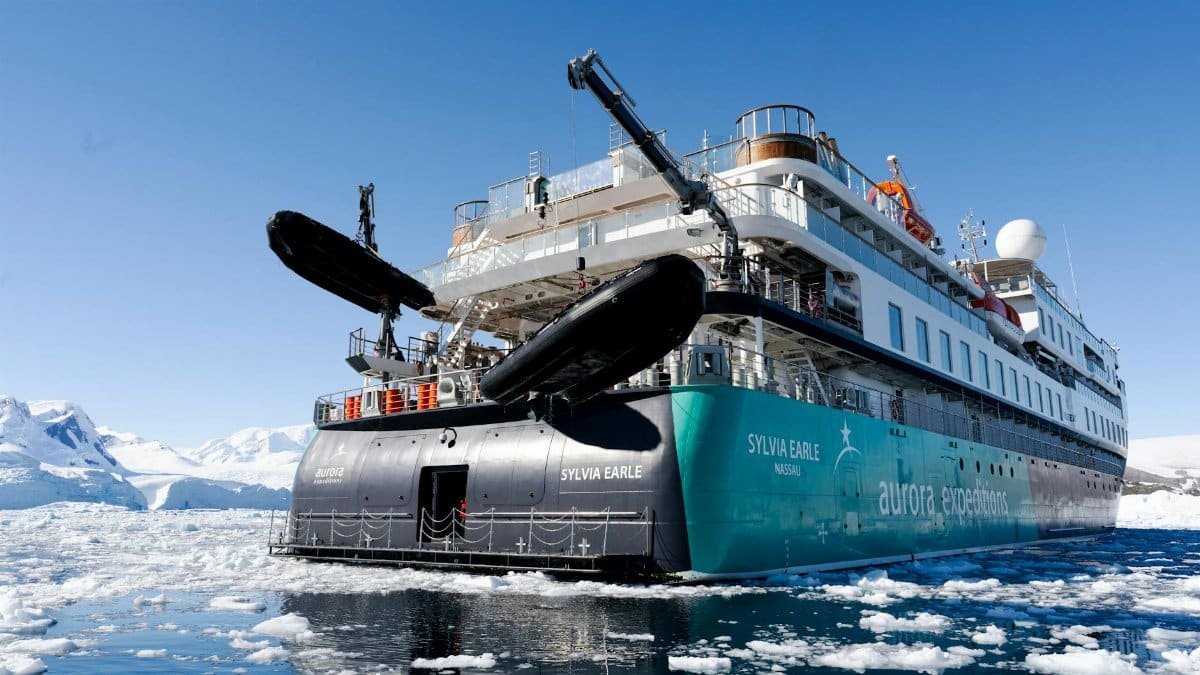
Investigators believe the virus entered the ecosystem of the MV Hondius during a provisioning stop in Ushuaia Argentina. Expedition vessels like this one frequently load supplies in ports where rodent populations thrive near docks and warehouses. A single pregnant mouse could have slipped aboard inside a cardboard box or pallet. Once on the ship the animal would have found ample hiding spots in storage areas and crew quarters. Droppings dried and disturbed during routine cleaning could have sent particles into the air conditioning system. Maritime safety experts point out that even the most vigilant pest control programs can fail when vessels visit multiple remote ports. The confined nature of ship life then amplifies any contamination that escapes initial detection.
Daily Life Under Quarantine Conditions
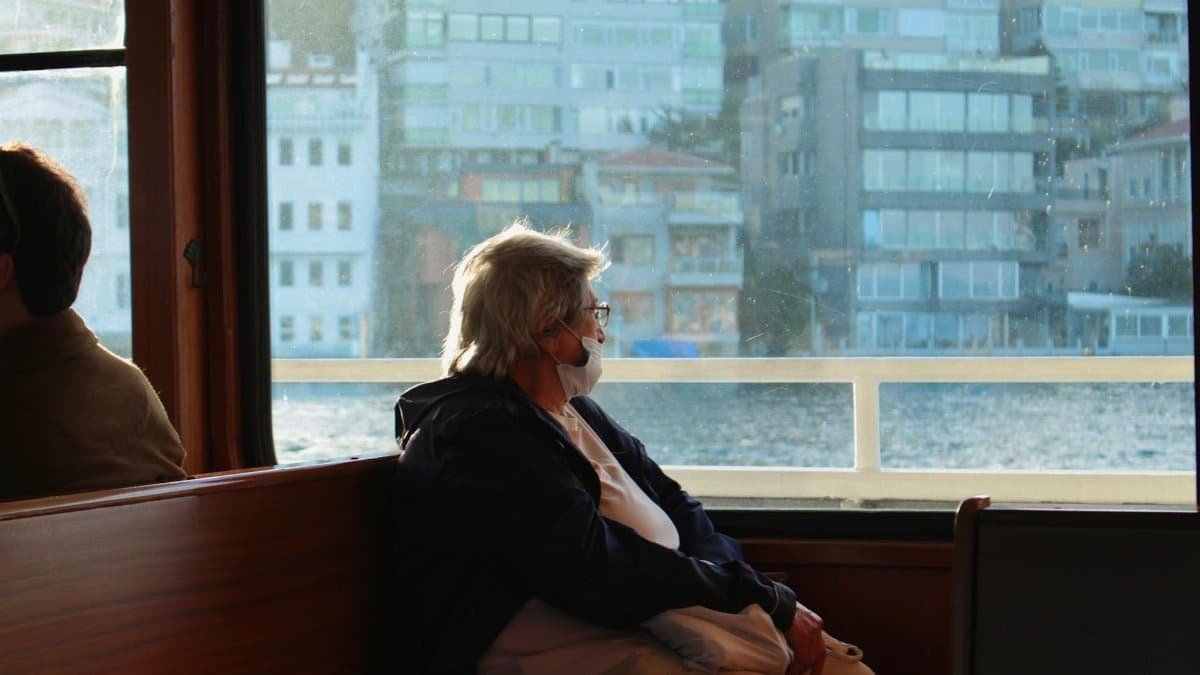
Life aboard the vessel changed within hours of the first confirmed death. Passengers were asked to remain in their cabins except for essential medical checks. Meals arrived at doorways on trays that crew members handled with full protective equipment. Internet access became both lifeline and torment as travelers shared fragmented updates with worried relatives back home. Many described the silence in the hallways as particularly unnerving after weeks of lectures and communal dining. The ships library and observation lounges stood empty while outside the windows the same dramatic icebergs continued to float past. This contrast between natural beauty and human vulnerability left many passengers struggling to process their circumstances.
Spiritual Comfort Sought By Those On Board
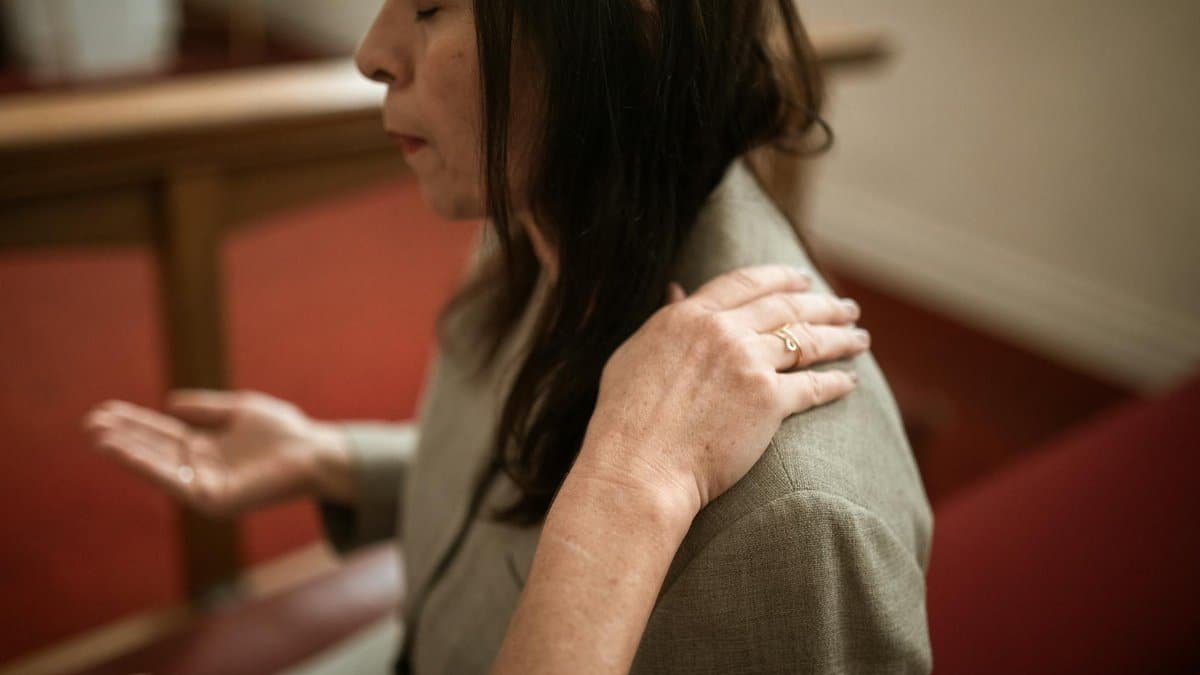
In the face of mortal danger several passengers turned toward spiritual practices for strength. A retired minister from Oregon organized voluntary prayer gatherings via the ships internal communication system. Participants joined from their separate cabins speaking words of comfort across the digital divide. Some described feeling a renewed sense of connection to something larger than their immediate fear. Others reflected on previous life challenges and expressed gratitude for the years already granted to them. These moments of collective seeking represent a deeply human response when medical science reaches its limits. The ships diverse passenger list included people of various faith traditions and those who had not prayed in decades yet found themselves reaching for transcendent meaning amid uncertainty.
Coordinating An International Response
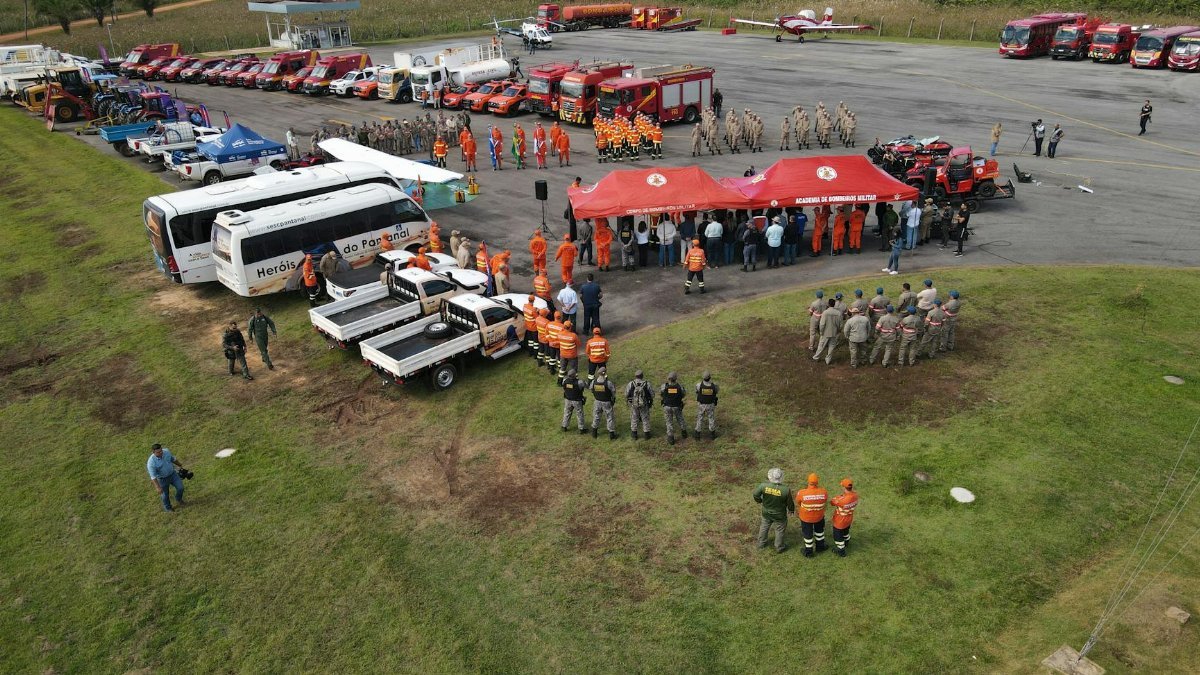
Health authorities in the United States Centers for Disease Control and Prevention have joined counterparts in Chile and the Netherlands to manage the situation. The MV Hondius operates under Dutch registry but carries many American passengers on Antarctic routes. Officials must balance the need for rapid medical intervention with the risk of introducing the virus to new populations. Plans call for the ship to anchor offshore upon reaching its first American port where specialized teams will conduct thorough assessments. Contact tracing has already begun for the more than 140 people who spent time aboard during the critical period. This coordinated effort demonstrates both the complexity and necessity of international cooperation when emerging threats appear.
What The Experts Are Saying About Transmission Risks

Dr. Elena Vargas a virologist at Johns Hopkins University has followed similar cases in South America for two decades. In a recent briefing she explained that while person to person transmission remains rare with most hantavirus strains the confined environment of a cruise ship creates unique conditions. She recommends close monitoring of all exposed individuals for at least six weeks after potential contact. Other specialists emphasize the importance of thorough vessel decontamination before any future voyages. The current situation offers researchers an unusual opportunity to study how this virus behaves outside its typical rural settings. Data gathered here could inform prevention strategies for both maritime travel and residential buildings where rodent incursions occur.
Centers for Disease Control and Prevention hantavirus resource page
Historical Parallels With Past Maritime Outbreaks
Maritime history contains numerous examples of vessels that became floating incubators for disease. From cholera outbreaks in the 19th century to more recent norovirus incidents on large cruise ships the sea has long served as both highway and hazard. What distinguishes the current hantavirus cruise outbreak is its origin in the natural world rather than human crowding alone. Earlier generations faced yellow fever and smallpox with limited understanding of causes. Todays travelers possess advanced knowledge yet still find themselves humbled by an invisible enemy. These recurring episodes remind us that technological progress has not eliminated our biological vulnerability. Each new incident adds another chapter to humanitys long struggle to balance exploration with safety.
Lessons For Modern Travelers In An Uncertain World
The tragedy aboard the MV Hondius carries implications that extend far beyond this single voyage. Adventure travel has grown increasingly popular as people seek experiences that reconnect them with wild places. Yet these journeys inevitably involve some degree of risk from both environmental and biological sources. Travel companies may need to reconsider their pest management protocols and medical preparedness for remote expeditions. Individual travelers might benefit from greater awareness of regional disease patterns before departure. The incident also raises questions about insurance coverage for rare but severe infections contracted during leisure activities. Perhaps most importantly it encourages a more respectful approach to natural environments that harbor forces we cannot fully predict or control.
Reflecting On Our Place In The Natural Order
Beyond the immediate public health concerns this event has prompted many to consider larger questions about human existence within the natural world. When technology and luxury prove insufficient protection against ancient viruses people often turn toward philosophical and spiritual frameworks for understanding. Religious leaders from various traditions have offered commentary suggesting that such outbreaks invite humility and renewed attention to our relationship with creation. Some see in these events a call toward better stewardship of ecosystems that prevents dangerous spillover from animal to human populations. Others find comfort in the recognition that uncertainty has always been part of the human condition. These reflections do not diminish the real suffering involved but they do provide a context for processing grief and fear.
Preparing For The Ships Arrival In American Waters
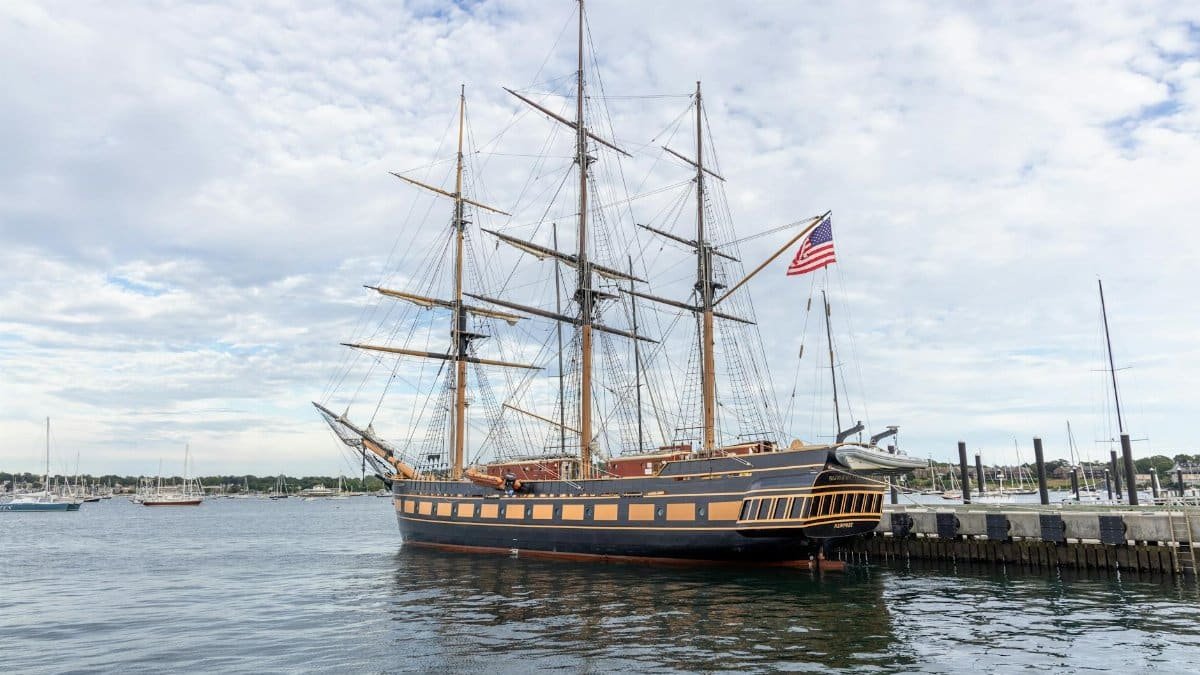
As the MV Hondius continues its journey north federal and state health departments along the East Coast have activated emergency protocols. Hospitals near the intended port have been alerted to watch for specific respiratory symptoms in anyone with recent cruise history. Specialized containment equipment stands ready should additional severe cases emerge. Public health messaging aims to prevent unnecessary panic while encouraging vigilance. For the families of those still aboard the wait has become an exercise in endurance and hope. Medical professionals emphasize that early detection dramatically improves outcomes for those who may have been exposed. The coming days will determine whether this outbreak remains contained or expands into a wider concern for coastal communities.
The hantavirus cruise outbreak aboard the MV Hondius ultimately reveals both our remarkable connectedness and our persistent fragility. Three lives lost represent irreplaceable losses to their families and communities. Yet the response to this crisis also showcases human capacities for compassion scientific cooperation and spiritual resilience. As investigators continue their work and survivors process their experiences the broader conversation moves beyond blame toward prevention and meaning. In an era of increasing global mobility such incidents may become more rather than less common. How we choose to interpret and respond to them will say much about our values as a society and our wisdom as inhabitants of a complex planet.