
Visitors arrive at Independence Mall expecting a complete window into early American leadership yet encounter an unfinished memorial that leaves key chapters of the past unaddressed. The Presidents House Philadelphia occupies a prominent corner near the Liberty Bell yet its current presentation offers only partial glimpses of daily life during the nations formative years.
Early Construction of the Residence
The structure first rose in the middle of the eighteenth century as a private home before serving official purposes. Workers used local brick and timber to create a dwelling suited to the climate of the region. Over time the building adapted to new roles as the seat of executive authority.
Daily Life Under Early Leadership
Residents managed household affairs amid growing political demands. Enslaved individuals performed essential tasks that supported official functions while living under strict oversight. Records from the period describe routines that blended public duties with private constraints.
Role of Enslaved Workers
Several men and women of African descent maintained the property through cooking cleaning and other labor. Their contributions remain central to understanding the full scope of operations at the address. Contemporary accounts note the presence of these individuals alongside free staff members.
Transition to Public Memory
Decades after the building disappeared urban planners revisited the location during mall development. Archaeologists uncovered foundations that prompted renewed interest in the site. Community advocates pushed for recognition of all inhabitants rather than a narrow focus on famous figures.
Current Exhibit Limitations
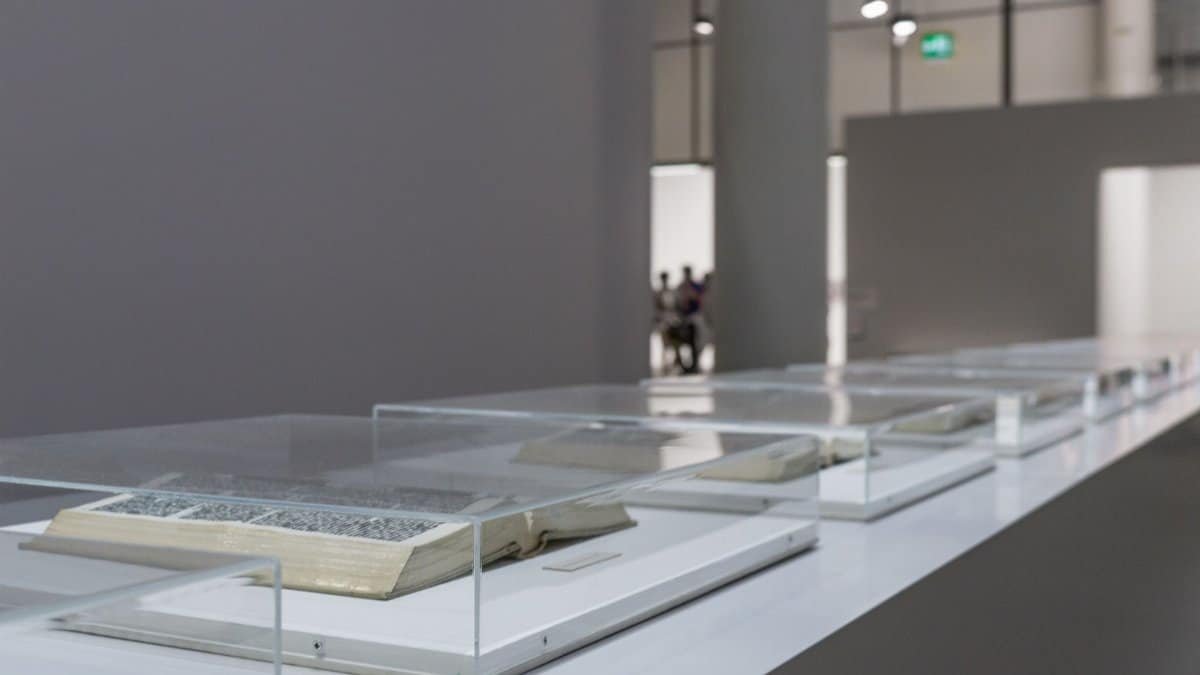
Installed panels and markers provide basic facts yet omit deeper context about social dynamics. Temperature extremes during summer months further discourage extended visits to outdoor sections. Many travelers depart without grasping the layered human experiences tied to the address.
Impact on Tourism During Anniversaries

Events marking two hundred fifty years of national history draw larger crowds to the area. Guides report frequent questions about missing elements in the displays. Local officials have discussed upgrades though funding decisions move slowly through city channels.
Community Voices on Interpretation
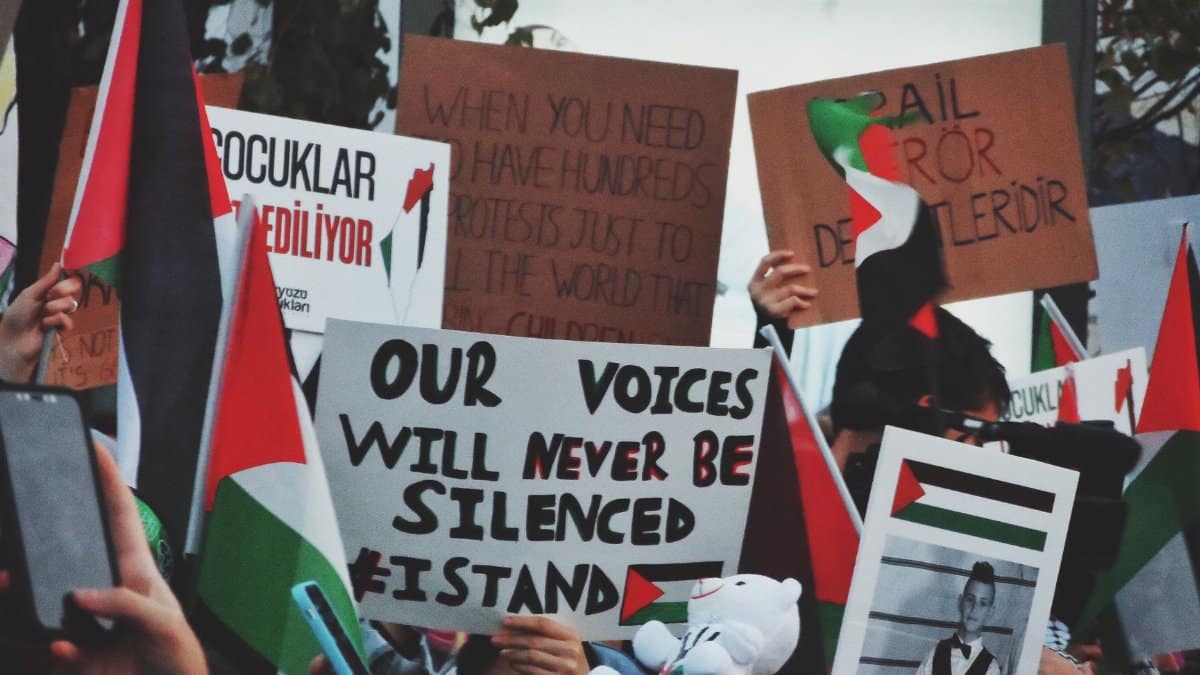
Residents who trace ancestry to the period advocate for expanded storytelling. Historians recommend interactive features that illustrate daily conditions more vividly. Such additions could bridge gaps between documented facts and visitor understanding.
Future Plans for Enhancement

Proposals include shaded walkways and additional digital resources to convey fuller narratives. Partnerships with nearby institutions might supply artifacts currently absent from view. Progress depends on coordinated efforts among preservation groups and municipal leaders.