
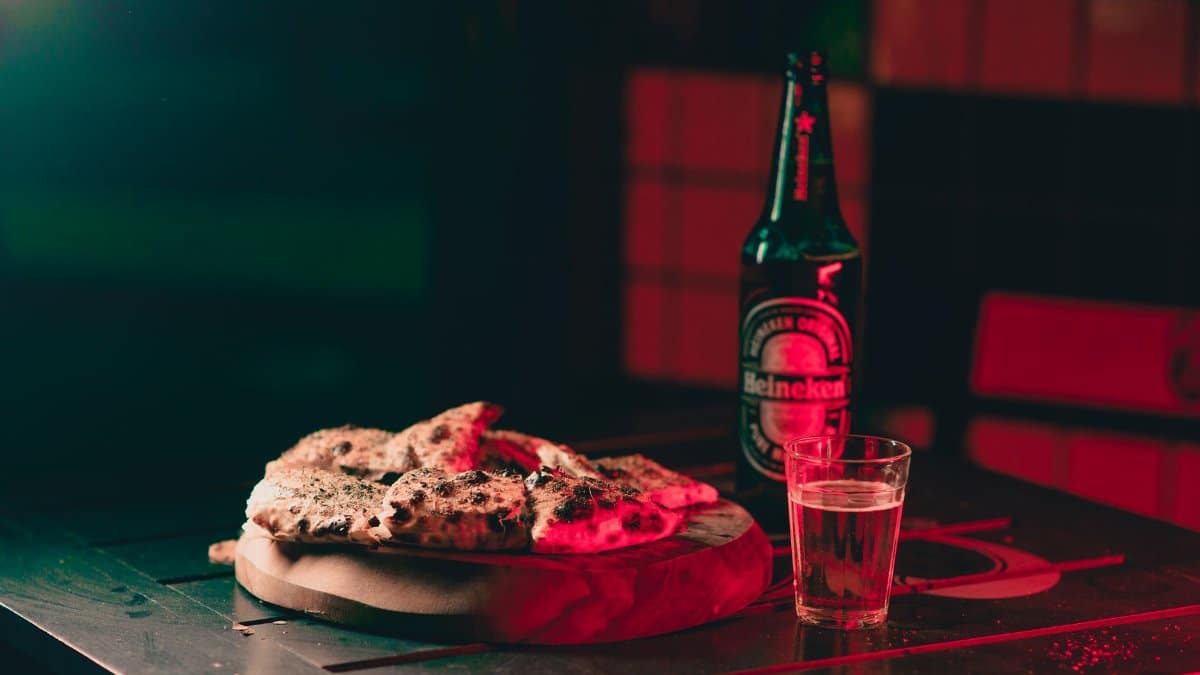
On a night when the ice should have been empty, someone treated a new curling club in Irving as if it were a private lounge. Pizza was eaten. Beer was opened. Curling clothes were put on. Then the visitor left with equipment valued at about $20,000. The Irving curling club burglary, described in a report by The Dallas Morning News, has drawn attention less for its dollar figure than for the strange calm of the scene that preceded the theft.
A theft that began with a meal
The details that traveled fastest were not the broken entry or the missing gear. They were the ordinary acts of settling in. According to the account published by The Dallas Morning News, the person who entered the club ate pizza, drank beer, and changed into curling clothes before taking equipment worth about $20,000. Those acts turn a property crime into something closer to a short, uninvited stay. A burglar who pauses to eat is not only taking objects. He is using the room as if membership, hours, and permission did not apply.
What the missing equipment represents
Curling looks gentle from a distance. Players slide stones down a sheet of ice and sweep ahead of them with brooms. The sport depends on specialized gear that a casual observer might underestimate. Stones are heavy granite pieces, matched and cared for. Shoes are built for a precise slide. Brooms, handles, and measuring tools are not interchangeable with hardware store substitutes. A loss near $20,000 can empty a storage room that a young club spent months assembling. For a new operation, replacement is not a simple reorder. Suppliers are limited. Shipping is slow. Practice time disappears while orders wait.
A young club in an unlikely city

Irving sits in the middle of the Dallas Fort Worth region, better known for football stadiums, corporate campuses, and summer heat than for a sport born on frozen lakes. That is part of the appeal. Indoor ice lets people learn a winter game in a place where winter rarely lasts. A new club is an act of persistence. Volunteers recruit members, explain the rules, and keep the ice in condition. The Irving curling club burglary landed on an organization still introducing itself to the public. Theft at that stage does more than reduce inventory. It interrupts the story a club is trying to tell about welcome and routine.
Why the clothes matter

Changing into curling clothes is the detail that refuses to sit quietly beside the dollar amount. Clothing can be a disguise, a joke, or a claim on a place. In a sport built around teams and shared ice, the uniform is a sign of belonging. To put it on without leave is to borrow the look of a member while taking what members need. I do not know what the person intended in that moment, and speculation is a poor substitute for a police file. What can be said is that the choice shaped how readers understood the crime. It made the night feel personal.
Small clubs and unlocked trust
Community sports groups often run on trust that larger venues cannot afford. Doors are coded. Keys circulate among volunteers. Food sits in a refrigerator for a league night. Schedules are posted where members can see them. That openness is a strength until it is tested. A curling club is not a bank, yet it holds items that are costly, portable, and hard to replace. After a loss like this, leaders face a familiar bind. Tighter locks and cameras may be necessary. They can also make a volunteer space feel watched. The balance is practical, not philosophical, and it has to be struck with a limited budget.
The cost beyond the invoice

Insurance may cover part of a theft, though deductibles, documentation, and waiting periods can leave a club paying twice, once in cash and again in time. Members may lend gear or pause leagues. Coaches may rewrite practice plans around whatever remains. A figure of about $20,000 is large for a startup sports group and modest beside the budgets of professional teams. The comparison misses the point. Curling clubs in warm states often grow from a few dozen committed people. When their tools vanish, the loss is concentrated. Each missing broom or stone is a shared object with a name and a history inside the group.
How a strange crime travels
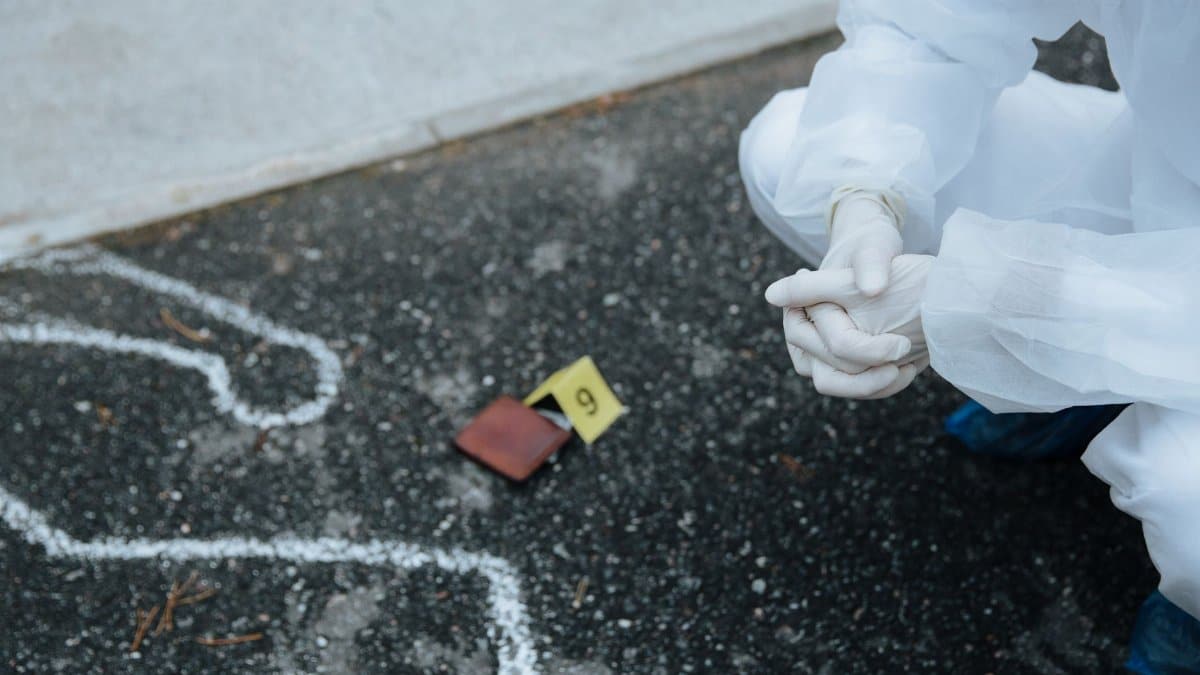
News of the Irving curling club burglary moved because it was easy to picture. Readers could imagine a table, a box, a can, a change of clothes, and then an empty rack. Crime stories that include a meal tend to stick. They suggest time, appetite, and a lack of hurry. That narrative can overshadow the people who have to open the building the next morning and explain the absence to teammates. Public attention is not the same as help. A widely shared detail does not order granite or pay a locksmith. Still, attention can bring donations, offers of used equipment, and a wider circle of neighbors who had never heard of the club.
What investigators usually need
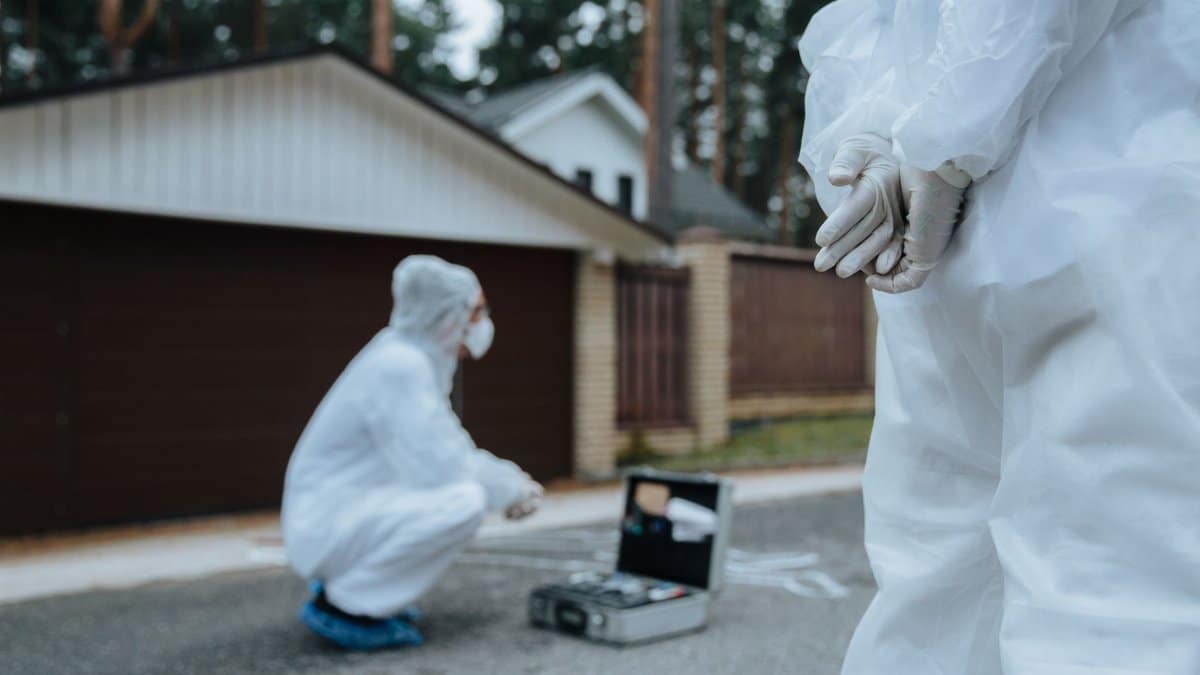
Cases like this often turn on ordinary evidence rather than drama. Entry points, camera views from nearby businesses, receipts, and tips from people who saw a vehicle can matter more than the odd menu of the night. I will not outline methods, and neither should a news story pretend to know a file it has not seen. The public record, as carried by The Dallas Morning News, establishes the allegation and the scale of the loss. It does not require readers to play detective. What it does require is a measure of patience. Property crimes are common. Clear resolutions are not. A club can restore its room faster than a case can move through the system.
Rebuilding a room meant for play

Recovery for a sports club is partly logistical and partly social. Gear must be listed, valued, and sought. Ice time must be protected so that new players do not drift away during the gap. Captains may need to reassure parents and adults who joined for a low stress evening and now hear their club discussed as a crime scene. The tone of that reassurance matters. Panic can shrink a membership. Silence can look like indifference. A plain account, paired with a practical list of needs, usually serves better than either extreme.
A wider pattern of losses at shared spaces

The episode in Irving is specific, yet it rhymes with thefts at youth theaters, scout halls, and church gyms. Shared spaces hold equipment that is expensive relative to the size of the group and stored where people come and go. Food and drink on site can make an intrusion look casual even when the taking is serious. Communities sometimes respond by hardening every door. Sometimes they respond by widening the circle of people who notice when something is wrong. Neither response erases the original violation. Both are attempts to keep a room usable for the purpose it was built to serve.
What remains after the headline fades

The Irving curling club burglary will be remembered, if it is remembered, for pizza, beer, and borrowed clothes. Those images are accurate to the reporting and easy to repeat. They should not be the last word. Behind them is a new club trying to plant a northern sport in North Texas, and a loss of about $20,000 in tools that make the game possible. The morning after such a night is not cinematic. Someone checks the lock. Someone counts what is gone. Someone decides whether the next draw on the schedule can still be played. That ordinary work is the real continuation of the story.