
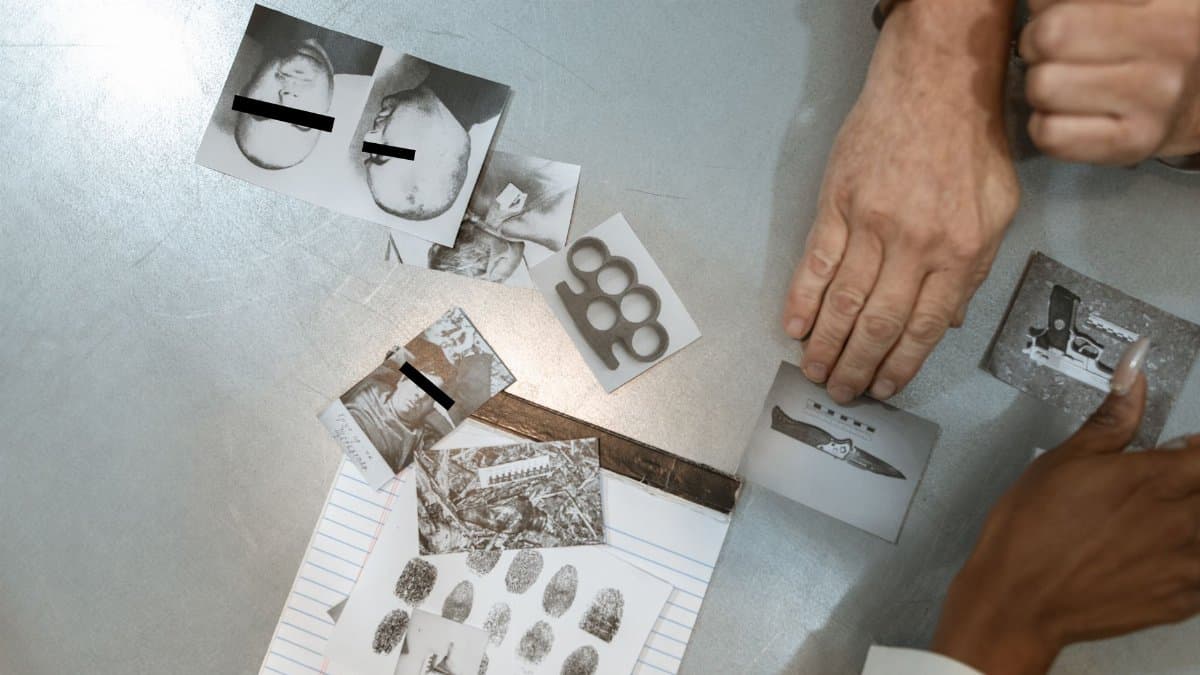
Before dawn, deputies walked a gravel shoulder beside a freight line in Southern California and opened bags that did not belong on a quiet siding. Inside were folded lingerie and loungewear still tagged from a national retailer, along with firearms and stacks of cash. Nine people were detained. Officials later described the case in a phrase that has started to travel faster than the trains themselves: train bandits cartel ties. The mix of luxury apparel, weapons, and alleged organized crime links turned a cargo theft into a story about who now treats the rails as a supply line.
A search that looked like a store and an armory

Investigators said the scene did not resemble a casual smash and grab. Victoria’s Secret apparel sat beside guns and currency, a combination that suggests resale, not personal use. Apparel is light, branded, and easy to move through informal markets. Cash is immediate. Firearms change the risk for everyone nearby, from railroad workers to the people who live within earshot of the horns.
Authorities have not released a full inventory in public statements available for this account, and charging documents, if filed, will matter more than early descriptions. Still, the items named in the detention tell a practical story. Thieves who strip containers often sort by what sells quickly. Intimate apparel from a recognizable label moves. So do small electronics, packaged medicine, and anything that does not require a warehouse. Guns and cash point past opportunism toward people who expect confrontation or who answer to someone else.
Why freight cars became a target
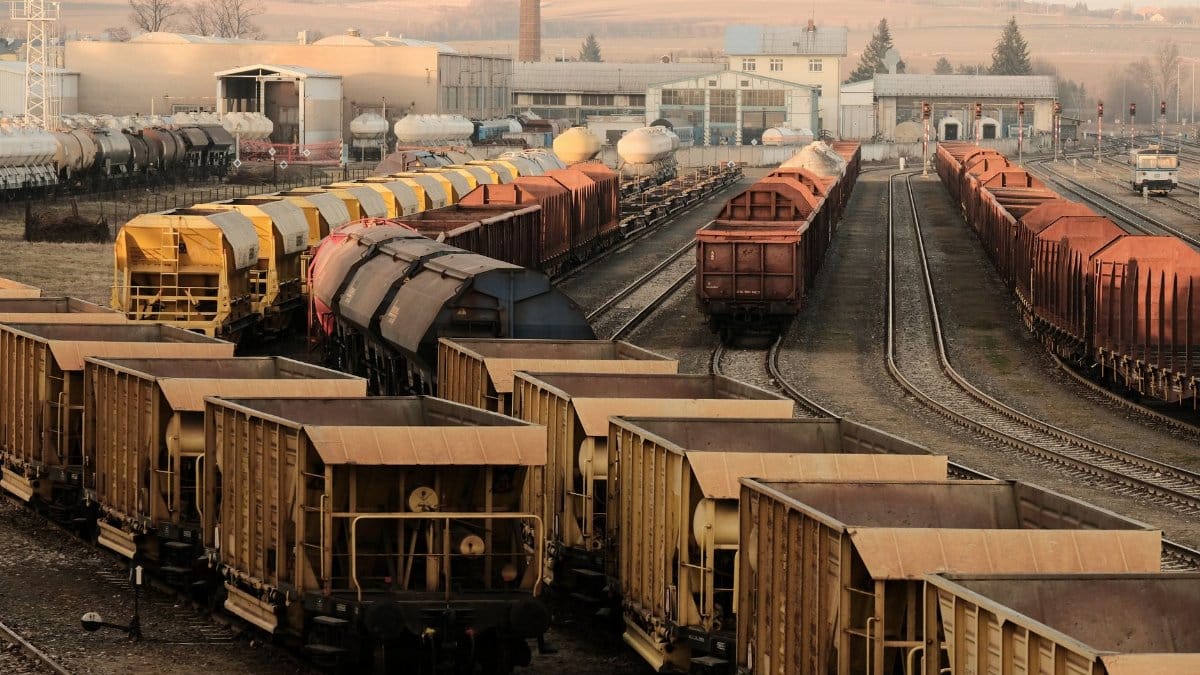
American freight moves in long, slow, poorly watched stretches. A train can sit for hours near a yard, a bridge, or a curve where sightlines fail. Containers are sealed, but seals are not vaults. Crews are few. Cameras, where they exist, do not cover every mile. For years, cargo theft was treated as a property problem for insurers and retailers. That framing is harder to defend when detentions include weapons and talk of criminal networks.
Railroad police and local agencies have described waves of container burglaries in the Los Angeles basin, especially where tracks run through industrial corridors and residential blocks at once. Thieves cut into cars, toss boxes to the ground, and sort in the dark. What they cannot carry, they leave. Residents have walked out to find packaging, broken seals, and sometimes merchandise scattered like a store after a storm. The Victoria’s Secret find fits that pattern in one respect and breaks it in another. Scattered goods are common. A coordinated group with cash and guns is a different claim, and it requires evidence, not atmosphere.
What cartel language does and does not mean

Cartel is a word that arrives with heat. In Southern California policing, it can refer to Mexican trafficking organizations, to gangs that pay tribute, or to looser crews that borrow a name for fear value. Journalists should slow down. A suspected link is not a conviction. A tattoo, a phone contact, or a statement from one detainee can be a lead or a dead end.
The phrase train bandits cartel ties is useful only if it is tied to something checkable: shared methods, financial flows, known facilitators, or charges that name an enterprise rather than nine individuals caught near a track. If prosecutors later allege that stolen goods were fenced through networks also involved in narcotics or extortion, that is a public fact readers can weigh. If the tie is a hunch offered at a news conference, readers deserve that distinction in the same sentence.
Organized theft does not require a famous cartel to be serious. Crews can be local, paid by intermediaries, and still move product across county lines before sunrise. The danger of the cartel label is twofold. It can inflate a case. It can also shrink public attention to a movie plot and away from the ordinary failures that make the theft possible: dark yards, delayed reporting, and a resale market that asks few questions.
Apparel, cash, and the resale chain

Victoria’s Secret goods are a telling commodity. They are branded, sized, and familiar to online buyers. A thief does not need a storefront. A middleman can photograph items and list them, or sell in bulk to a vendor who strips tags. Cash on scene suggests payment was already in motion, or that the group did not trust banks, or both. Neither reading is proof. Both are reasons investigators seize phones as carefully as they seize garments.
Retailers absorb these losses in prices and in insurance, which means the cost does not stay on the gravel. Shoppers see it as shrinkage, a bland word for stolen inventory. Workers in fulfillment centers see it as another reason a package never arrives. The people detained, if guilty, are not abstract pressure on a spreadsheet. They are also not the only link. Every open container implies a buyer.
Guns change the moral math

Cargo theft can be discussed as economics until a firearm appears. Then the case is about who might get shot when a railroad employee walks a train, when a deputy rounds a car, or when a resident investigates a noise. Nine suspected train bandits, if that number holds, is a crowd. Crowds with guns near moving steel are a public safety problem even if every charge later narrows.
Agencies often say they recovered weapons without specifying type, legal status, or whether any were fired. Those details decide whether the public is looking at armed robbery, possession by prohibited people, or guns that were legal to own and illegal to use in a theft. Early headlines flatten that. Court filings should not.
The corridor and the neighbors

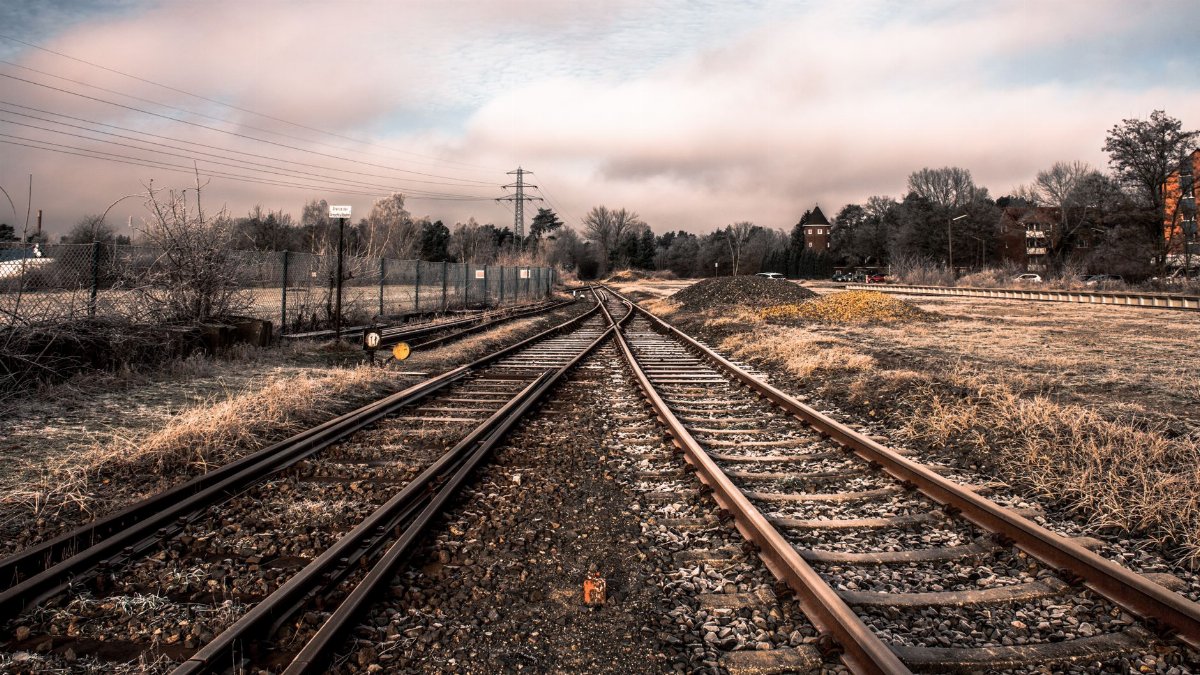
Tracks in this region are not a remote frontier. They run past warehouses, schools, and houses where people sleep with windows open in warm months. When theft crews work a stopped train, the sound is metal, voices, and sometimes vehicles that leave without lights. Neighbors have learned to call railroad police and to expect a slow response, because miles of track cannot be staffed like a mall.
Some blocks have organized watches. Others have given up, tired of reporting the same scrape of a container door. That fatigue is part of the story officials tell when they announce a large detention. A visible arrest is meant to signal that the corridor is not abandoned. Whether the signal lasts depends on what happens after the cameras leave: charging decisions, bail, and whether the same stretch of rail is hit again the following week.
How agencies build a case like this
A stop near the tracks is only the start. Useful cases trace the container back to a shipper, match serials or lot codes on apparel, and pull surveillance from yards and street cameras. Phones can show coordination if warrants are approved and if the data actually exist. Cash can be counted and, sometimes, tied to recent transactions. None of that is glamorous, and none of it fits in a single news cycle.
Readers should watch for overclaiming in the gap between detention and arraignment. Suspected is the correct word until a judge sees evidence. Defense lawyers will test whether the stop was lawful, whether the goods were in anyone’s possession, and whether group liability is being stretched to cover people who were merely nearby. Those fights are not technicalities. They are the difference between a clean case and a headline that dissolves.
Railroads, retailers, and a shared blind spot
Rail carriers point to policing partnerships and to investments in cameras and lighting. Retailers point to packaging and to investigations that follow hot products into online marketplaces. Both are real efforts. Both have limits. A camera that records a theft does not stop it. A marketplace rule that bans stolen goods does not catch a sale made in a parking lot or a closed group chat.
The more honest description is a system built for speed and volume, not for guarding every box. When that system meets determined crews, losses concentrate where trains pause. Fixing it means slower operations in some yards, more staff, and closer work with local police who already carry heavy caseloads. It also means retailers treating bulk resale of obviously diverted goods as their problem, not only the railroad’s.
What the cartel question asks of the public

If later filings support train bandits cartel ties, the case belongs in a larger map of how criminal organizations diversify. Groups known for drugs have long moved into extortion, fuel theft, and migrant smuggling where the money is easier or the enforcement is thinner. Cargo can be that kind of sideline: high value, lower violence than a drug corner, until guns come along to protect the take.
If the filings do not support the tie, the public should hear that too. Walking back a cartel claim is not a embarrassment to hide. It is how trust survives. The goods, the guns, and the cash can still justify serious charges without an international brand name attached. Precision is not softness. It is the only way a crime story stays true after the first afternoon.
Nine people and the lives around the charge
Detentions ripple. Families wait for names and booking photos. Employers lose workers. Public defenders meet clients who may be citizens, legal residents, or people with no papers, each status changing the stakes. Immigration consequences can outweigh a theft count, which is one reason these cases draw lawyers quickly and talk carefully.
I have stood near enough to freight noise to know it becomes background, until it does not. A morning when lingerie, cash, and firearms are pulled from the same search is the kind of morning that makes a neighborhood look at the tracks again. Fear is understandable. So is skepticism toward any official who reaches for the largest available label before the evidence is public.
Questions that should outlast the headline

Which agency led the stop, and which will prosecute? Were the firearms traced? How much cash, and in what denominations? Which containers were opened, and which shippers lost goods? Did anyone admit a role, or is the case built on proximity and possession? Will prosecutors allege an enterprise, or nine separate theft counts? Those questions are dull compared with Victoria’s Secret and cartel rumors. They are also the ones that decide whether this was a breakthrough or a bust that looked larger in the first telling.
Southern California’s freight economy will not pause for the answers. Trains will keep moving apparel toward stores and doorsteps. Crews who treat the rails as inventory will keep testing dark miles. The useful response is not a louder adjective. It is cases that can be proved, yards that are harder to enter, and a resale world that is less willing to pretend a bag of tagged lingerie has no history.
A phrase that needs a file behind it

Train bandits cartel ties will keep appearing because it compresses fear, commerce, and border politics into four words. Compression is the enemy of accuracy. The detention of nine people, the seizure of Victoria’s Secret wear, guns, and cash, and the suggestion of organized links are enough to justify attention. They are not enough to close the story.
What readers can fairly say today is narrower and stronger. Someone treated a freight line as a storehouse. Investigators say they interrupted that work and found weapons and money with the merchandise. Whether those suspects sit inside a cartel structure is a claim that belongs in a charging document, not only in a headline. Until that document is public, the responsible account stays with what was seized, who was held, and what the courts do next. The tracks will still be there in the morning, and so will the question of who is allowed to open a car that was never meant for them.