

In the rolling foothills west of Denver a longstanding dispute over student identities has drawn federal scrutiny to one Colorado district. Officials there now seek help from state leaders after the current administration signaled plans to withhold substantial support. This development places Jeffco Schools Trump Transgender Funding Fight squarely in the national spotlight and raises questions about how local classrooms will manage competing expectations around privacy and access.
Background on the District and Its Recent Decisions

Jefferson County Public Schools serves more than eighty thousand students across dozens of campuses. In recent years the board adopted guidelines that permit transgender students to use facilities and participate in activities consistent with their stated gender. Those measures drew praise from some families and criticism from others who argued that parental notification should remain mandatory in every case.
Federal Pressure and the Funding Threat

Letters from Washington now warn that continued adherence to the local policy could jeopardize nearly ninety million dollars in annual federal aid. The notice cites Title IX interpretations that treat separation by biological sex as the required standard for many programs. District leaders describe the potential loss as unsustainable for staffing and special services.
State Level Response and Legislative Options
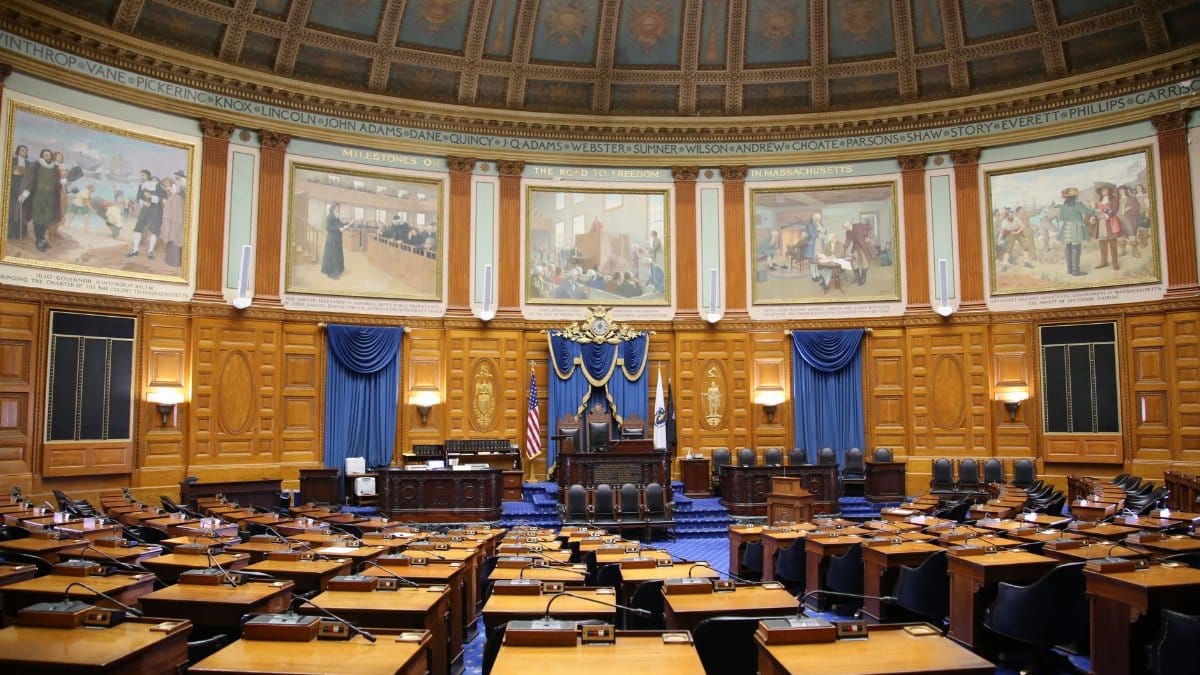
Governor and lawmakers in Denver have received formal requests for both legal defense funds and policy guidance. Some legislators favor new statutes that would shield districts following current state civil rights standards. Others prefer to await court rulings before committing resources.
Impact on Classroom Practices and Privacy Protections

Teachers and counselors report uncertainty about how to balance student requests with record keeping requirements. Training sessions scheduled for the coming semester now include discussions of possible funding cuts and revised federal expectations. Parents on both sides of the issue have attended board meetings in growing numbers.
Legal Precedents and Ongoing Court Cases

Similar conflicts in neighboring states have produced mixed outcomes in federal courts. One recent ruling upheld a policy allowing transgender students broader facility access while another required schools to inform parents of social transitions. Appeals in those matters continue and may reach higher courts within two years.
Community Reactions Across Political Lines

Public forums reveal a spectrum of views. Some residents emphasize the importance of supporting students who identify as transgender and warn that abrupt policy reversals could harm mental health. Others stress biological definitions of sex and call for stronger parental involvement in all school matters.
Budget Planning Under Uncertainty

Administrators have begun modeling scenarios that assume reduced federal contributions. Possible adjustments include larger class sizes, delayed facility upgrades, and reduced elective offerings. Grant writers are exploring alternative revenue streams from foundations and local tax measures.
Broader National Context for School Policies

The Colorado situation mirrors debates in roughly a dozen other states where federal enforcement letters have arrived. Advocates on each side point to research on youth well being and academic outcomes. Data from those studies often conflict depending on the questions asked and populations examined.
Next Steps for District Leadership

A special board session is set for next month to review legal advice and consider revised language for student handbooks. Representatives from the state education department have been invited to attend. The outcome could shape how other Colorado districts respond to parallel federal inquiries.