

In the heart of Denver a retired teacher named Elena pores over mail ballots and candidate websites each evening after dinner. She wonders how the choices made in the coming months will affect schools funding and water rights across the Front Range. The Colorado 2026 Primary Voter Guide offers clear explanations that help citizens like her sort through crowded fields and shifting alliances. With deadlines approaching in late spring this resource compiles filing details issue summaries and district maps into one accessible package.
Mapping the Major Contests on the June Ballot

Several high profile positions will appear before Colorado voters when they mark their selections. The Senate seat held by Michael Bennet draws early interest from challengers who emphasize economic development and climate policy. House districts in the Denver suburbs also feature competitive matchups where incumbents such as Diana DeGette face potential primary opponents focused on housing costs. Attorney General Phil Weiser meanwhile prepares a reelection bid that highlights consumer protection efforts. These races set the tone for the full slate covered in the Colorado 2026 Primary Voter Guide.
How Filing Deadlines Shape Candidate Fields

Colorado law requires major party hopefuls to submit signatures or pay fees well before the primary date. Observers note that the compressed calendar favors those who already hold name recognition or strong donor networks. Smaller campaigns often struggle to gather enough valid signatures from registered voters in each district. The Colorado 2026 Primary Voter Guide outlines the precise calendar so that interested residents can track when new names enter or exit the contests.
Understanding Mail Ballot Procedures and Deadlines
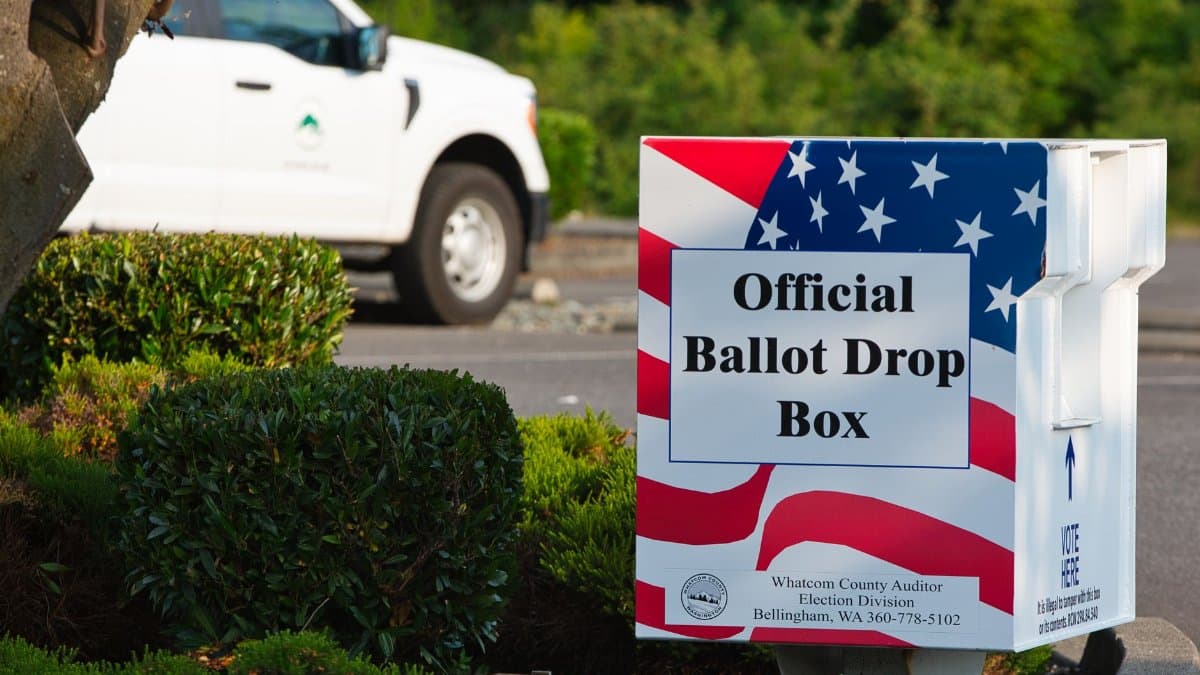
Every active voter receives a ballot by post several weeks prior to election day. Signature verification remains a key step that county clerks perform before counting proceeds. Citizens who move within the state must update addresses promptly to avoid delays. The Colorado 2026 Primary Voter Guide includes step by step reminders about curing ballots and requesting replacements if documents arrive damaged.
Issue Priorities That Resonate With Suburban Voters

Housing affordability tops surveys conducted in Arapahoe and Jefferson counties. Respondents also cite worries about wildfire mitigation and transit expansion along the growing I 25 corridor. Candidates respond with competing proposals for tax incentives and state land use reforms. Detailed breakdowns appear throughout the Colorado 2026 Primary Voter Guide to help readers compare platforms without relying on television ads alone.
Examining Demographic Shifts in Primary Participation

Recent cycles show rising turnout among voters aged thirty five to fifty five who lean independent yet still select party ballots. Urban precincts maintain steady engagement while rural counties see modest growth tied to agricultural policy debates. Analysts attribute part of the change to expanded mail access and targeted outreach by civic groups. The Colorado 2026 Primary Voter Guide incorporates updated registration statistics that illustrate these patterns across legislative districts.
Role of Endorsements From Local Organizations

Labor unions business coalitions and environmental networks release their support lists each spring. These statements can sway undecided voters who trust the research performed by group leaders. Campaigns often highlight such backing in digital messages and yard signs. The Colorado 2026 Primary Voter Guide notes which organizations have announced positions so readers may weigh institutional perspectives alongside individual research.
Preparing for Potential Runoff or Recount Scenarios

State rules permit additional rounds if no candidate reaches required thresholds in certain local contests. Recount requests must meet narrow financial and timing criteria set by statute. Legal teams on both sides monitor results closely in tight legislative races. The Colorado 2026 Primary Voter Guide summarizes these provisions to reduce confusion should results remain unsettled after initial counts conclude.
Resources for First Time Primary Participants

County election offices maintain multilingual hotlines and online chat services that answer basic questions about eligibility. Libraries in larger cities host workshops that walk residents through sample ballots. Nonprofit partners distribute plain language summaries of bond measures and tax questions. All of these supports receive mention in the Colorado 2026 Primary Voter Guide to encourage broader involvement in the June contests.