

In the sun drenched communities north of Phoenix voters are weighing their options ahead of a pivotal primary contest that could reshape local representation. The dynamics of the Arizona LD24 Election Race reflect wider currents in state politics where long serving figures confront calls for fresh approaches on matters from schooling to public safety. Observers note the race draws attention for its mix of experience and new energy.
District Composition and Voter Base
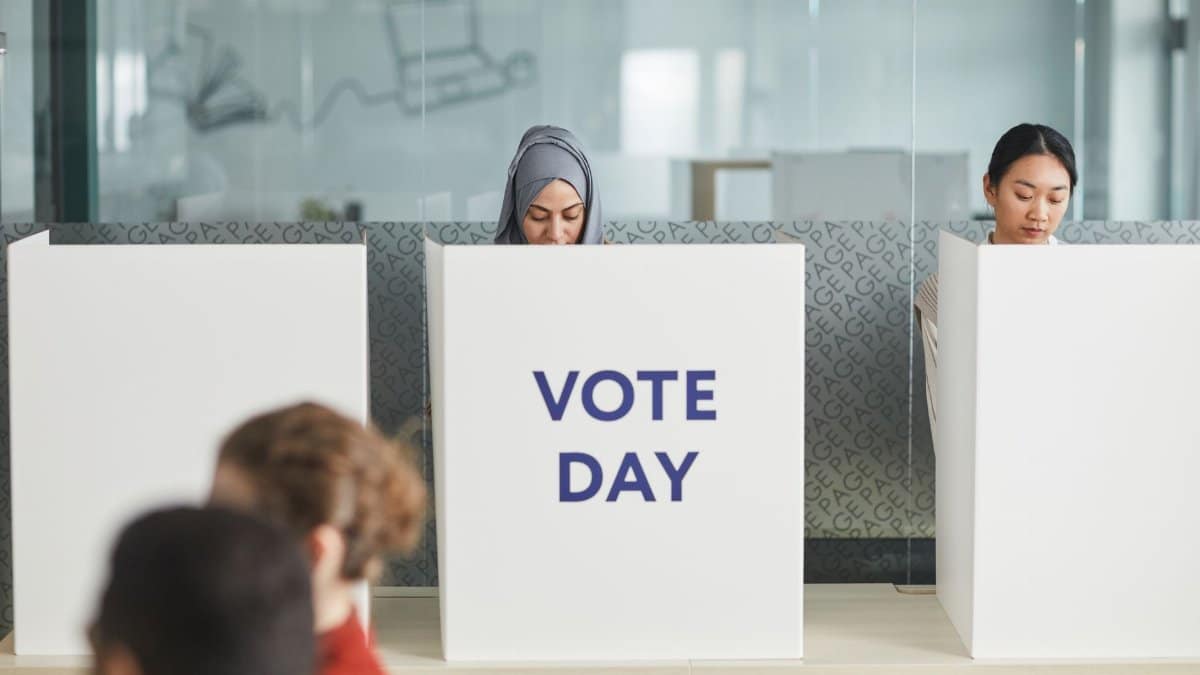
Arizona legislative district twenty four encompasses a blend of suburban neighborhoods and growing urban edges. Its residents include families focused on local schools alongside professionals concerned with economic stability. Turnout patterns in recent cycles show consistent participation from moderate voices who often decide close contests. Census data indicates steady population growth that brings new perspectives into the voting pool each cycle.
Incumbent Background and Legislative Focus
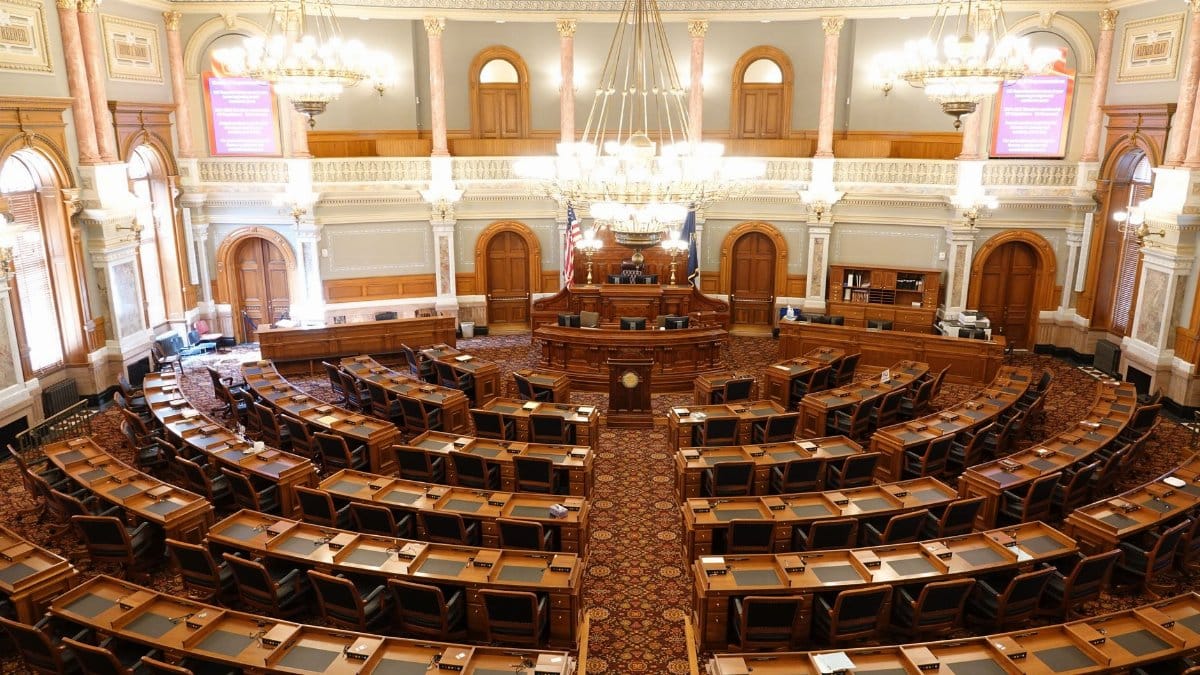
The sitting lawmaker has built a career centered on committee work related to transportation and health services. Colleagues describe a steady approach that favors incremental adjustments over sweeping reforms. Supporters point to secured funding for road projects and expanded access to mental health resources. Critics argue the pace of action has lagged behind community needs amid rising costs.
Progressive Challengers Enter the Field

Several candidates have stepped forward with platforms that emphasize expanded social programs and environmental protections. Their campaigns highlight door to door outreach and small donor fundraising as signs of grassroots strength. These entrants often cite national trends toward younger leadership as inspiration for their bids. Public forums have allowed them to contrast their visions with the current officeholder record.
Education Policy Divides Candidates
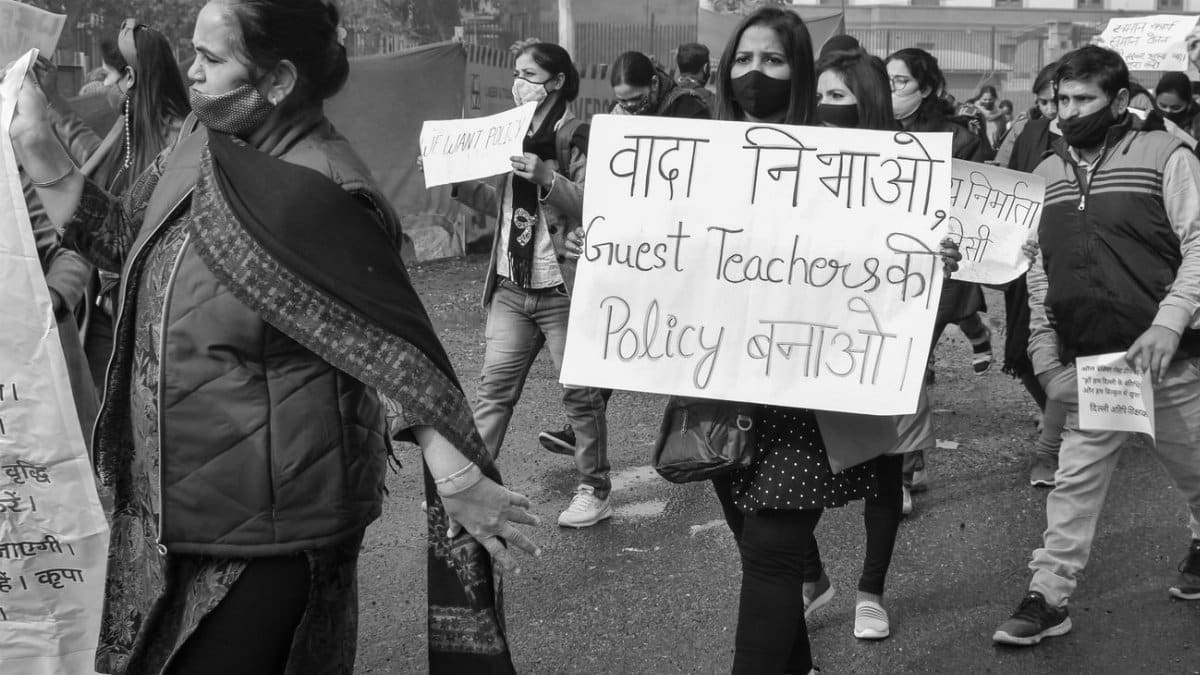
School funding and curriculum choices stand out as flashpoints in candidate discussions. The incumbent backs targeted increases tied to performance metrics while challengers advocate broader investments without such conditions. Parent groups have organized meetings to quiz hopefuls on class sizes and teacher pay. Recent state budget debates add urgency to these exchanges.
Public Safety and Community Concerns
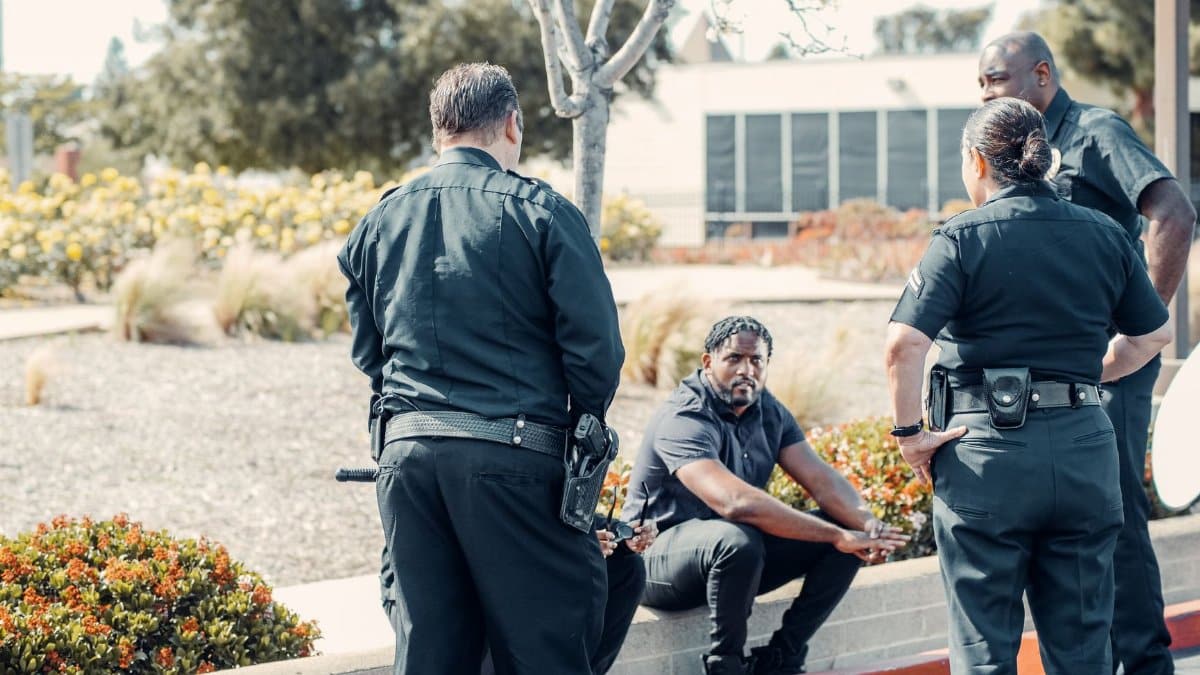
Residents express mixed views on policing levels and crime prevention strategies. Some favor increased patrols while others seek alternatives like expanded youth programs. Candidates have responded with proposals ranging from technology upgrades for emergency response to partnerships with social workers. Local data on incident trends informs much of the debate.
Fundraising and Campaign Resources

Reports show the incumbent maintaining a sizable war chest from established donors in business and real estate. Challengers rely more on online contributions and volunteer networks that have grown in recent weeks. Transparency filings reveal how each side allocates spending across advertising and events. This financial picture influences visibility in the final weeks before ballots are cast.
Endorsements Shape Voter Perceptions

Labor organizations and advocacy groups have lined up behind various hopefuls adding layers of credibility. Professional associations weigh in based on alignment with their priorities such as healthcare access or infrastructure. These signals help undecided voters navigate crowded fields. Past cycles demonstrate endorsements can sway turnout in low information races.
Outlook for Primary Day Impact

Analysts expect a competitive finish that may require follow up attention if margins stay tight. The results could signal shifts in party direction at the state level. Community leaders urge high participation to ensure outcomes reflect diverse district voices. Whatever the verdict the contest underscores ongoing evolution in Arizona legislative politics.