
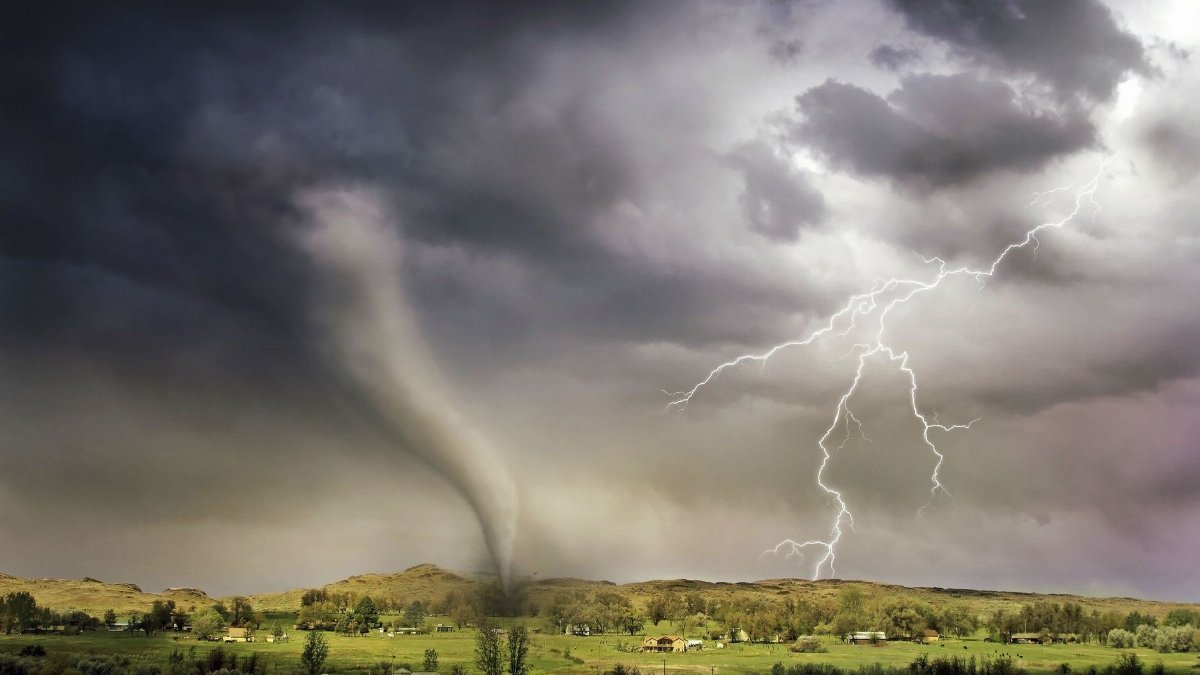
The sky over the northern suburbs had already lost its ordinary afternoon color when the first phones began to buzz. Parents pulling into driveways looked up, then down, then up again. South of the metro, the same restless line of storms was organizing over open fields and small towns where the horizon is wide enough to show trouble early. On October 28, 2026, Minnesota tornado warnings went out for areas both north and south of the Twin Cities as severe weather developed across the region, a split geography that left a dense urban core sitting between two active zones.
A line of storms with two addresses
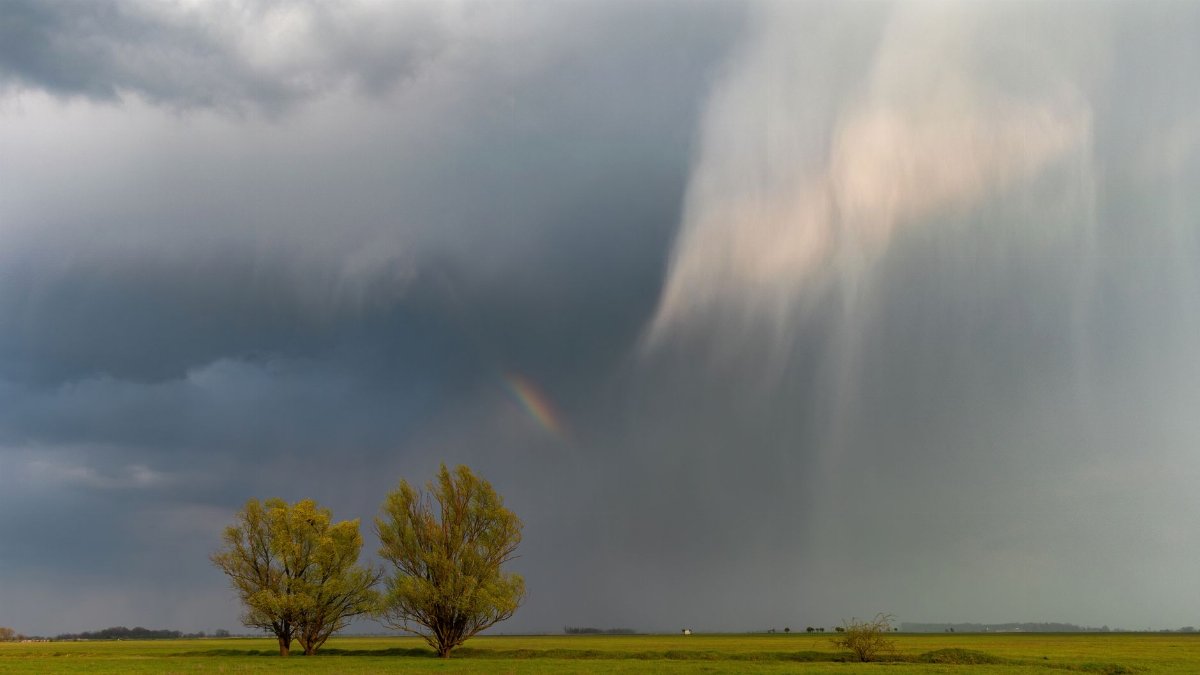
Forecasters do not issue warnings for drama. They issue them when radar and spotter reports suggest a storm may be producing a tornado, or is about to. In this case the threat was not confined to one county line. Cells north of the Twin Cities and cells south of them both earned warnings, which meant two different landscapes had to absorb the same instruction at roughly the same hour: get to shelter now.
North of the metro, the built environment is a mix of older neighborhoods, commercial strips, and newer subdivisions where basements are common but not universal. South of the metro, the warning footprint reached into places where shelter can mean a farmhouse cellar, a school gym, or a county building that doubles as a community room on ordinary days. The meteorological story was one storm system. The human story was two.
What the warning is asking of you
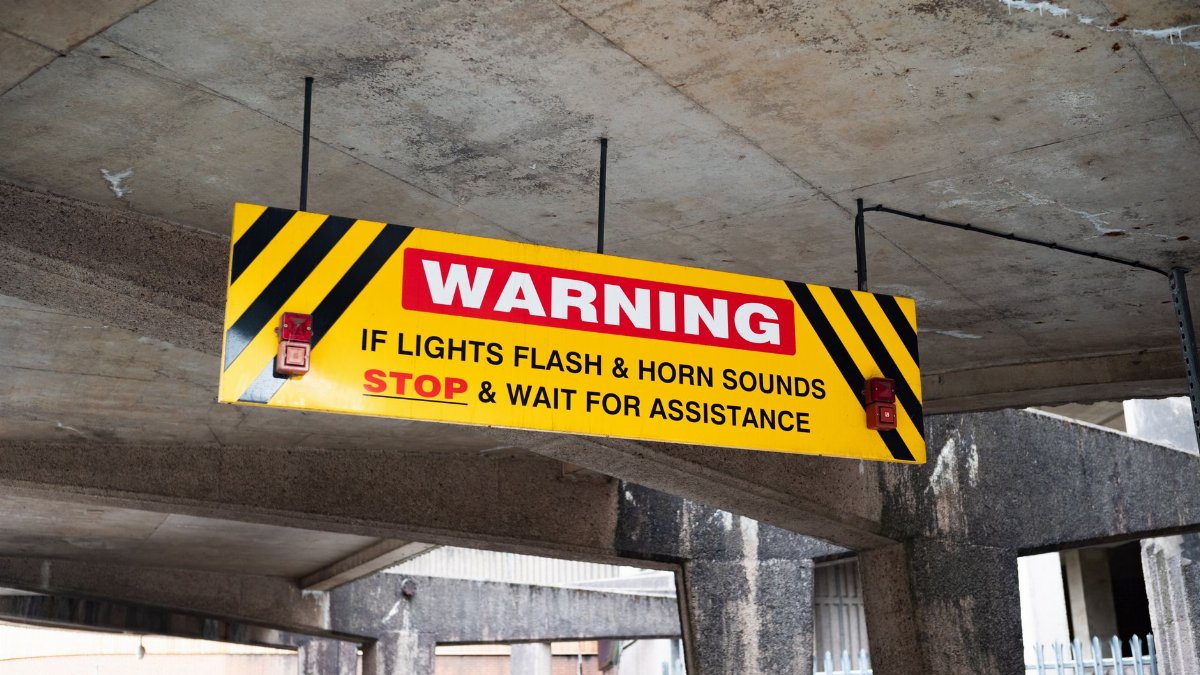
A tornado watch means conditions are favorable. A warning means the danger is immediate for the area named in the alert. That distinction still gets lost in the noise of a busy afternoon, especially when people are driving, working a late shift, or sitting in a gym where the public address system competes with bouncing balls. Minnesota tornado warnings are designed to cut through that noise, but they only work if the person who receives them understands that the clock has already started.
The National Weather Service, working with local emergency managers, uses radar signatures, surface observations, and trained spotters to decide when a warning is warranted. Residents do not need to master velocity couplets to act on the result. They need a plan that does not depend on perfect information. A warning is a decision aid, not a weather essay.
North of the cities, where the sirens meet the cul de sac
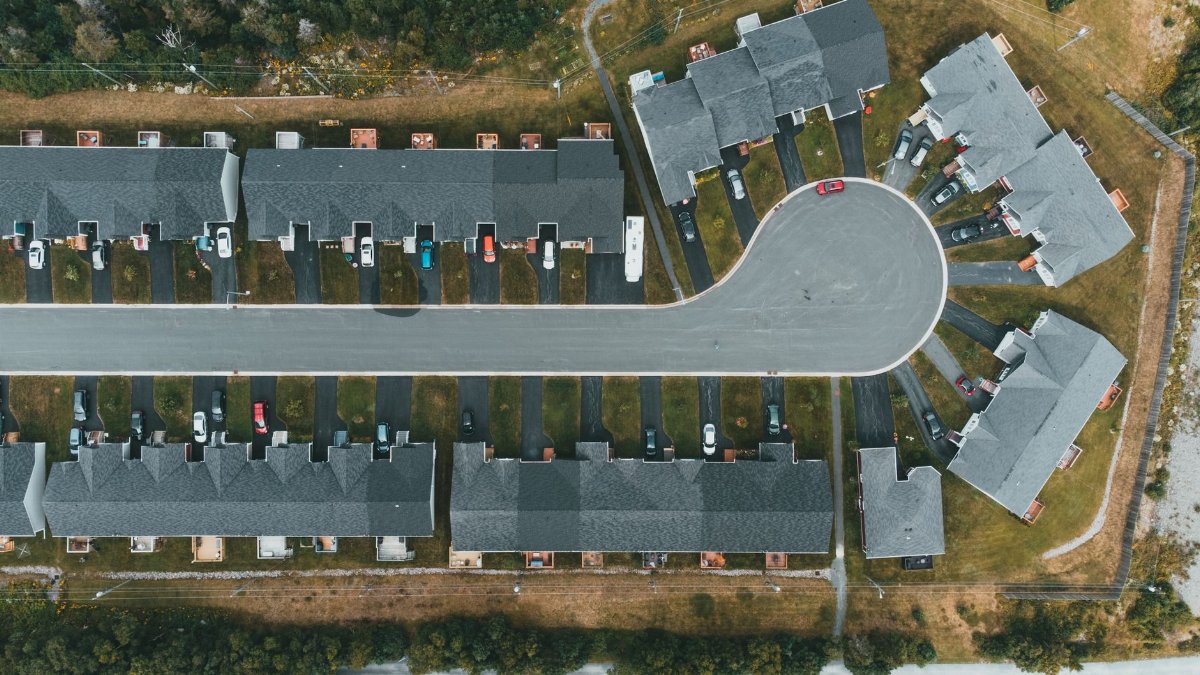
In the northern suburbs, a warning arrives in layers. Outdoor sirens, where they exist, are meant for people who are outside, not as a substitute for indoor alerts. Wireless emergency alerts hit phones. Local television and radio pick up the bulletin. Neighborhood group chats fill with screenshots. The useful question is not which channel is most official. It is whether anyone in the house has already moved to the lowest interior space, away from windows, with shoes on and a flashlight within reach.
Apartment buildings complicate that advice. Not every renter has a basement. Property managers who have thought ahead post a floor plan and a meeting point. Those who have not leave residents to invent a plan in the hallway while the alert tone is still sounding. North of the Twin Cities, that gap between a well run building and a neglected one can matter as much as the storm itself.
South of the cities, where distance is part of the risk
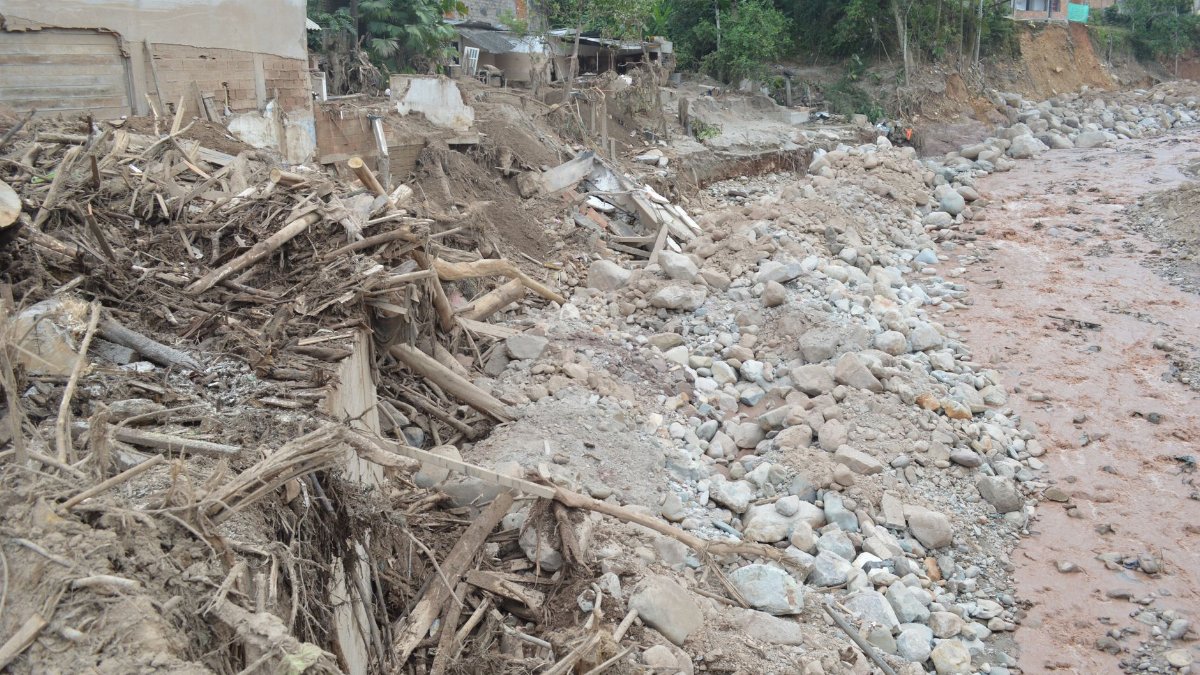
South of the metro, the same warning can cover more open land and fewer people per square mile. That sounds safer until you remember travel time. A family on a county road may be minutes from any sturdy structure. Farm workers, delivery drivers, and people heading home from a late church meeting or a school event are often the ones with the least shelter and the most sky. Minnesota tornado warnings in rural stretches ask for a different kind of readiness: knowing the nearest sturdy building before the clouds stack up, not after the phone vibrates.
Livestock and equipment add a layer city residents rarely face. You cannot move a herd in the two minutes a warning hopes to give you. Experienced operators decide in advance what can be secured and what must be left. That is not callousness. It is the arithmetic of a short clock.
The Twin Cities in the middle

A warning north and a warning south do not automatically mean a tornado in downtown Minneapolis or St. Paul. They do mean the metro sits inside a larger severe weather pattern. Commuters crossing from one zone to another can drive out of a warned area and into another without noticing the boundary. Highway speeds and limited sightlines make that transition easy to miss. People who live in the core and work on the edge, or the reverse, need alerts that follow them, not alerts tied only to a home address.
Transit riders face a narrower set of choices. A bus or a train is not a shelter. Operators and riders alike depend on clear direction from agencies that have already decided where vehicles should stop and where passengers should go. Those decisions belong in a written plan, rehearsed on a quiet day, not invented at a station platform while hail begins to tick against the glass.
Phones, sirens, and the people who miss both

Technology has made warnings faster and more precise than they were a generation ago. It has not made them universal. A phone in a locker, a hearing impairment, a language barrier, a dead battery, or a decision to silence alerts after too many false alarms can all leave someone unwarned. Outdoor sirens were never built to reach people indoors. Treating them as a complete system is a habit that outlasts the evidence.
Local officials who explain this plainly do residents a favor. The message is simple. Enable wireless alerts. Keep a battery radio. Identify a shelter spot in every building you use often. Tell the people who share your household what the plan is, including children and anyone who does not speak English as a first language. Minnesota tornado warnings are only as good as the last step, which is a person moving.
Schools, workplaces, and the hour the storm chose

October 28, 2026, fell on a weekday rhythm, the kind of afternoon when schools are still occupied or just releasing, and workplaces are in the long middle of a shift. That timing matters. A drill practiced in September is useful only if the adults in charge remember it when the real alert arrives between classes or during a staff meeting. Students should not be sent to buses or parking lots while a warning is active for their area. Employers should not treat a warning as a suggestion that workers can finish one more task.
The best building managers already know which interior rooms can hold people, which hallways are away from glass, and how to account for anyone who needs help moving. The worst discover those facts while counting heads. Severe weather does not grade on effort after the fact. It reveals preparation, or the lack of it, in a very short window.
When congregations become the second network

In many Minnesota towns, the practical response to bad weather still runs through institutions that were not built as emergency agencies. Churches, mosques, synagogues, and other houses of worship often have basements, PA systems, and phone trees that exist for pastoral care and end up doing double duty. A call chain meant to check on an elder after surgery is the same tool that can confirm whether someone heard the warning and has a place to go.
That overlap is not a substitute for official alerts. It is a supplement, especially for people who distrust automated messages or who live alone. Clergy and lay leaders who coordinate with emergency managers ahead of time, rather than improvising theology in a stairwell, give their communities something sturdier than reassurance. They give them a room, a roster, and a ride. In a season of strange skies, that quiet infrastructure can matter as much as any radar image.
After the warning expires
A warning has an end time. The anxiety does not always expire with it. People step outside, look at trees, check on neighbors, and refresh feeds for damage reports. Some find nothing but wet pavement and a strange quiet. Others find shingles in a yard, a snapped limb, or a road closed by debris. The absence of a dramatic photograph does not mean the warning was wasted. Warnings are issued to prevent harm, not to guarantee spectacle. A quiet outcome is the result everyone in the warning polygon was hoping for.
Cleanup, if it is needed, belongs to professionals when power lines are down or structures are unstable. Curiosity is a poor reason to drive into a damaged area. Insurance photos can wait until the street is safe. Neighbors checking on neighbors, by contrast, is almost always the right next move, especially for anyone who might have missed the alert entirely.
A calendar that no longer feels reliable
Many residents still carry an old mental map of tornado season, a late spring and early summer affair that fades before the school year is deep into autumn. Storms do not consult that map. Cool season events are less common in Minnesota than midsummer outbreaks, but they are not impossible, and a single well timed system can put warnings on both sides of a major metro. Treating October as automatically safe is a habit the sky does not share.
Preparedness does not require living in fear. It requires a kit that is boring on purpose: water, medications, a flashlight, a way to receive alerts that does not depend on one charged phone, and a shelter spot everyone in the household can name without debate. Those habits are easier to build on a clear morning than in the five minutes after an alert tone.
What this split warning leaves behind
The picture from October 28 is specific in its geography and familiar in its lesson. Severe weather developed. Minnesota tornado warnings covered areas north of the Twin Cities and areas south of them. People in apartments, on farm roads, in schools, in sanctuaries, and in cars had to translate a bulletin into movement. Some had a plan. Some borrowed one from a neighbor. Some will spend the next quiet day making the plan they wished they had already written down.
Weather journalism often lingers on the most violent frame, the funnel, the wreckage, the rarity. The more useful frame is the ordinary one. A phone buzzes. A family moves to an interior room. A congregation checks its list. A driver does not try to outrun a storm on a county highway. Those small decisions, repeated across two sides of a metro, are what a warning is for. The sky will do what it does. The rest is on us, and it does not require a perfect forecast. It requires attention, a place to go, and the willingness to go there before the question becomes theoretical.