
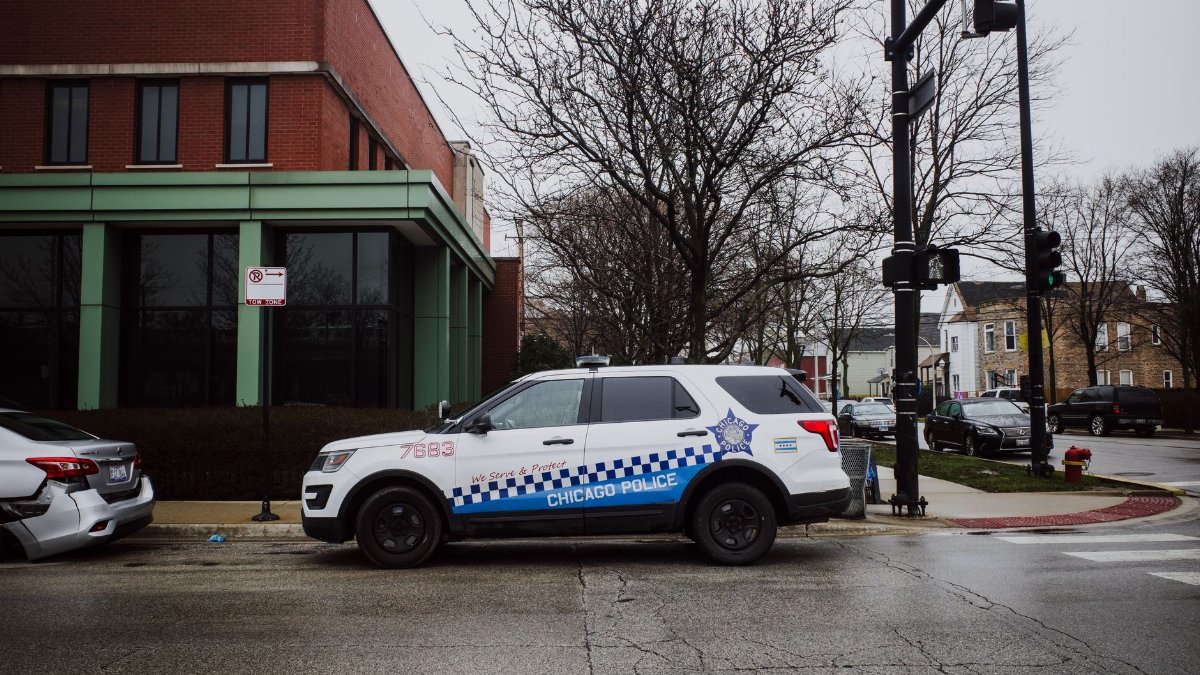
On a Tuesday evening in a South Side living room, a mother counted the seconds between a sharp crack outside and the first siren. She did not know whether a sensor on a light pole had heard the same sound, or whether anyone at a desk downtown had marked it as a shot, a firework, or nothing at all. That private counting is the backdrop for a very public fight over Chicago gunshot detection, a phrase that now covers both a canceled contract and a pilot the department will barely describe.
A hearing room that got more quiet than loud
Aldermen arrived expecting a briefing. They left with a thinner account than they had brought in. Police officials confirmed that a new detection tool is being tested, that it is meant to stand in for the system the city walked away from, and that operational details remain limited while the pilot runs. They did not name the vendor in any lasting way, did not share how many sensors are up, and did not say which districts are covered. For members who had spent years fielding calls from blocks where alerts shaped patrol patterns, the restraint felt less like caution and more like a closed door.
The superintendent’s office has argued that early disclosure can distort a test. Critics answer that a test conducted on city streets is already a public act. Between those positions sits a familiar Chicago tension: the desire for tools that might shorten the time between violence and help, and the memory of tools that promised more than they delivered.
What officials say the pilot is for
In broad strokes, the department describes the pilot as a way to hear gunfire that witnesses do not report. The logic is old and simple. Many shots never generate a 911 call. People are afraid, unsure, or tired of calling. A sensor network, if it works, flags a location so officers can roll even when no one picks up the phone. Supporters say that can mean faster aid for a wounded person and a better chance of finding evidence before a scene goes cold.
None of that logic requires secrecy about basic facts. Residents can understand a pilot without a wiring diagram. They can be told which neighborhoods are included, how long the test will last, what success would look like, and who reviews the results. Those are governance questions, not trade secrets. The refusal to answer them is what turned a technology update into a political story.
The long shadow of the last contract

Any new device inherits the argument over ShotSpotter, the acoustic system Chicago used for years and then dropped after a bruising debate about accuracy, cost, and racial geography. The company, later known in corporate form as SoundThinking, placed sensors heavily on the South and West Sides. Police credited alerts with guiding them to victims and shell casings. Researchers, inspectors, and community lawyers asked how often an alert marked a real shooting, how often it sent officers to a block for a sound that was not a gun, and whether the mere presence of an alert changed how stops unfolded.
That history is why silence now carries weight. Officials can say this pilot is different. They have not shown the difference in public. Until they do, aldermen will treat every vague sentence as a sequel. The city did not erase the last fight by ending a contract. It paused it, and then started another chapter with fewer footnotes.
Accuracy is not a slogan
Gunshot detection sounds precise because the name is precise. Sound in a dense city is not. Fireworks, car backfires, construction, and echoes off brick can mimic a discharge. A system can be tuned to be sensitive, which catches more true shots and more false ones, or conservative, which misses both. There is no setting that flatters every press release. What matters is an honest error rate, measured against confirmed shootings and against the calls officers actually make.
Chicago has heard competing numbers for years, and the spread itself became evidence of distrust. One camp emphasized arrests and recoveries tied to alerts. Another emphasized alerts that produced no evidence of gunfire. Both can be partly true if they count different things. A serious pilot would publish the definitions before the marketing. How is a confirmed shot established? Who codes a false alert? Are fireworks season and winter nights reported separately? Without that, Chicago gunshot detection remains a brand, not a measurement.
Where the sensors sit is a civil question
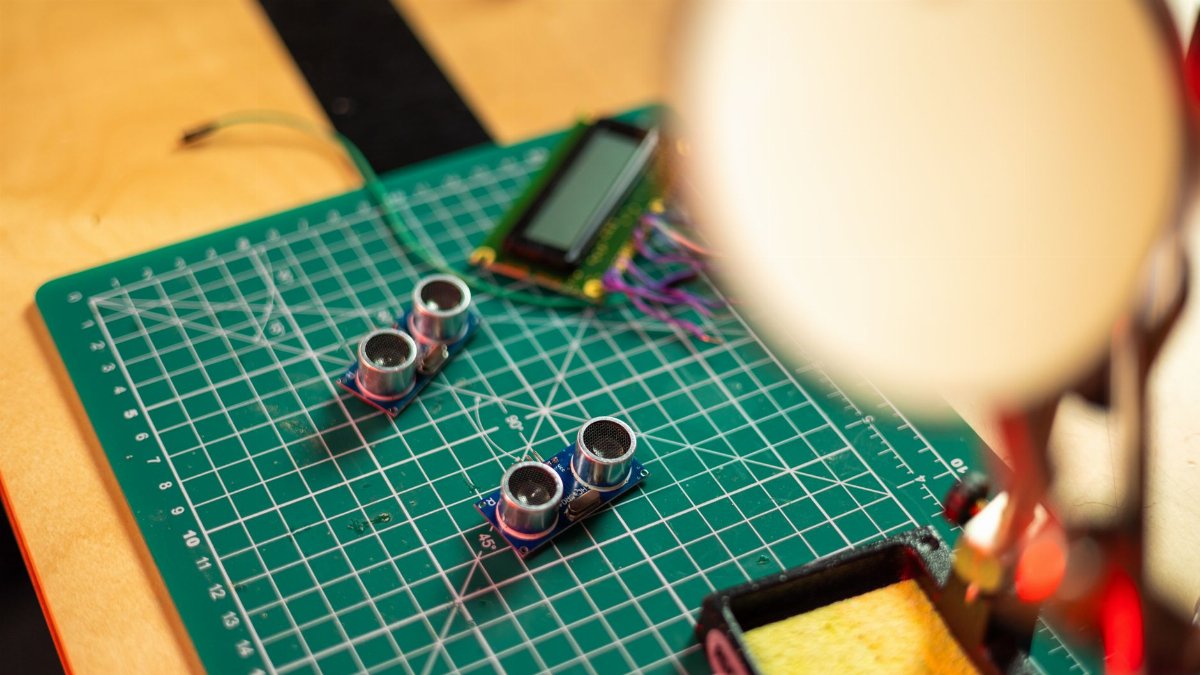
Placement is policy. If sensors cluster where shootings already cluster, officials will call it rational deployment. Residents in those same blocks may call it another layer of scrutiny that other neighborhoods never feel. Both descriptions can live in the same map. The ethical problem is not that police go where violence is. It is that a listening grid can reshape ordinary nights: more cars, more stops, more assumptions that a sound equals a threat, more young people asked to explain themselves on a sidewalk.
Aldermen from high violence wards are not a single voice. Some want every tool that might save a life on their blocks. Some want proof that the tool does not become a pretext. A pilot that hides its footprint makes both groups guess. Guessing is how rumor fills the gap between a light pole and a squad car.
Privacy in a city already full of lenses
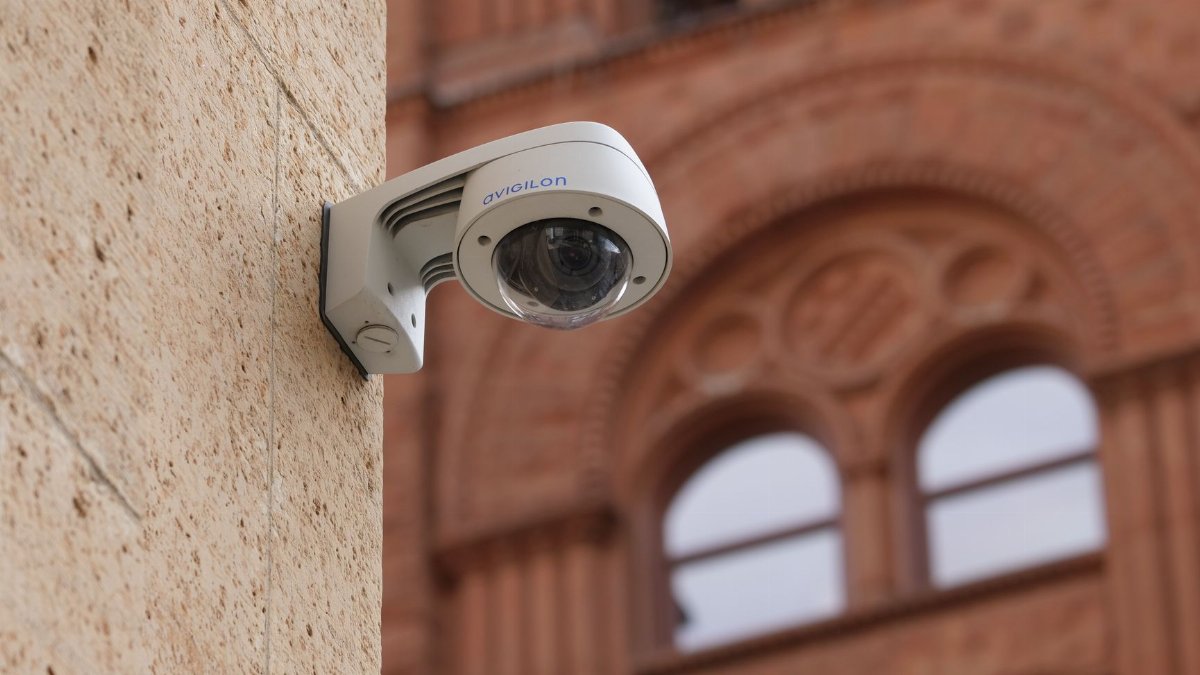
Acoustic sensors are not cameras, and it is sloppy to pretend they are. They are built to classify sharp sounds, not to record conversations on a porch. Still, a network that knows where a bang happened, and when, feeds a larger surveillance habit. Chicago already argues over license plate readers, pod cameras, and data sharing with federal agencies. Residents do not experience these systems as separate products. They experience them as a stack.
A clear policy would say what audio, if any, is stored, for how long, who can query it, and whether it can be used in cases that have nothing to do with gunfire. It would say whether alerts are retained after an officer finds nothing. It would say whether vendors keep a copy. Those sentences are short. Their absence is long. When police brass stay mum, people assume the widest use, not the narrowest.
The questions aldermen keep repeating

The demands from the council are not exotic. Members want the vendor name in the public record, the contract value, the pilot timeline, the districts involved, and a schedule for reporting outcomes to the public safety committee. They want to know whether officers are required to treat an alert as confirmed gunfire or as one clue among others. They want to know what happens when an alert and a 911 call disagree. They want community briefings that are not limited to a slide with a logo.
Some of those questions can be answered without compromising an investigation. A vendor name is not a tactical secret once sensors are on city property. A budget line is not a tactical secret at all. Treating basic procurement as sensitive information teaches the public to distrust every later statistic. I have sat through enough municipal briefings to know the difference between operational care and institutional habit. This has the feel of habit.
Money and the fine print of a pilot

Pilots are how expensive systems enter a city without looking like a decision. A short test can become a sole source renewal if the political pain of switching again seems worse than the pain of staying. That is not a conspiracy. It is procurement gravity. Chicago has lived it with technology before, from red light cameras to data platforms that outlasted the officials who signed them.
Aldermen are right to ask who evaluates the pilot and whether that evaluator is independent of the seller. They are right to ask what happens to the data if the city walks away. A tool that listens for violence should not leave a permanent commercial archive as the price of a trial. If the department believes the test is modest, it should be willing to cap the spend and the geography in writing. Modesty that cannot be audited is just a smaller version of the last fight.
What other cities learned the hard way
Chicago is not the only place to argue about microphones on poles. Cities have expanded these networks, shrunk them, and canceled them after audits and protests. The pattern is consistent even when the politics differ. Early claims focus on speed and lives saved. Later fights focus on error, bias in deployment, and whether alerts create enforcement that the original pitch never mentioned. Places that published methods and invited outside review had a sturdier argument, even when the numbers were imperfect. Places that treated questions as hostility lost the room.
None of that proves a new Chicago system will fail. It does prove that confidence cannot be borrowed from a press statement. If the department has a better design, a tighter false alert problem, or a narrower mission, the evidence should be boring and public. Boring evidence is how trust is rebuilt. Charisma is how it is spent.
Victims, witnesses, and the minute that matters
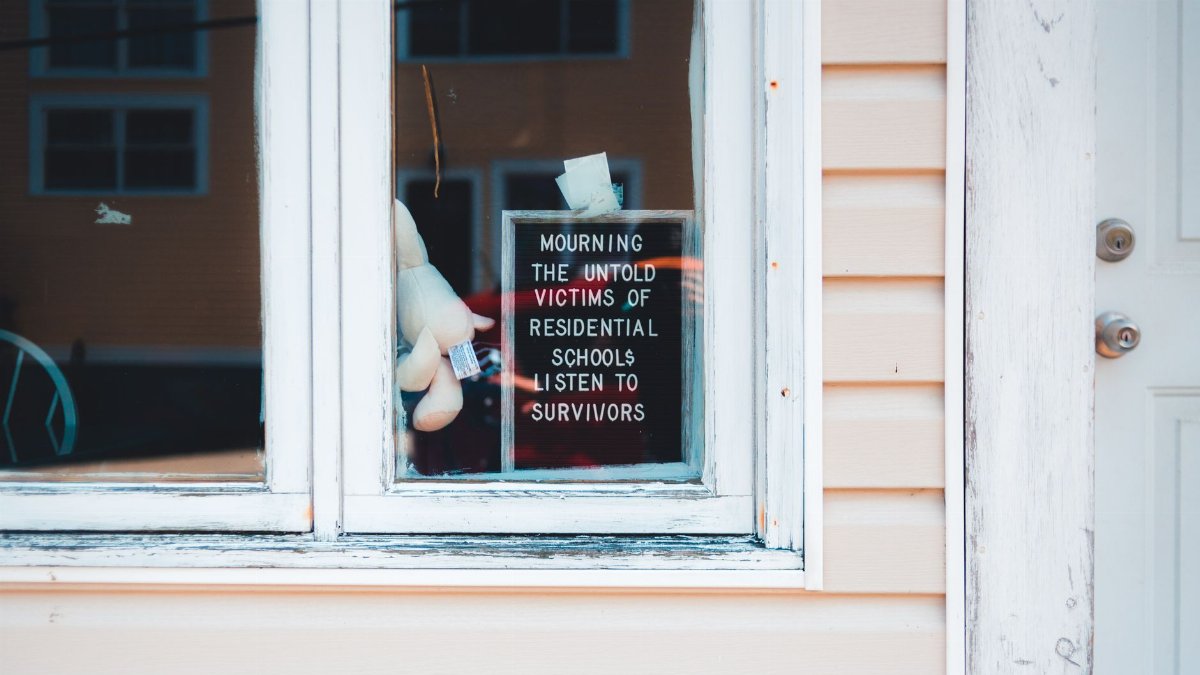
Strip away the vendors and the hearing room theater, and the moral claim is about minutes. A person shot on a side street may not have a witness willing to call. An alert that is right can bring pressure, tourniquets, and a chance. An alert that is wrong can bring armed officers into a block already raw from previous wrong alerts. Both outcomes are real enough that neither side should speak as if the other invented them.
Families who have buried someone do not want a seminar on acoustic engineering. They want to know whether help will come. Families who have been searched because a sensor misfired do not want a seminar either. They want to know the city will count their night as part of the record, not as an acceptable cost. A pilot that cannot face both families is not ready for a citywide argument, and it is certainly not ready for a quiet expansion.
What a straight answer would sound like
A straight answer would fit on a few pages. Here is the tool. Here is where it listens. Here is how long we will test it. Here is what we will count. Here is who outside the department will check our counting. Here is what we will not do with the audio. Here is when we will come back, with numbers, and accept questions that are not screened in advance. That is not a manifesto. It is the minimum for a program that listens to neighborhoods which have been lied to before.
Until that page exists, Chicago gunshot detection will keep meaning two things at once: a technical bet on hearing violence faster, and a political habit of telling the public to wait. The mother counting seconds by her window is not waiting for a brand name. She is waiting to learn whether the city hears the shot, admits when it does not, and tells the truth about both in daylight.