

A recent court decision has upended expectations around immigration enforcement across several states. Judges in Philadelphia considered arguments about whether federal agencies must hold nearly all individuals without bond hearings. The ICE detention ruling emerged from this review and found the approach exceeded legal bounds. Observers note this could affect thousands of cases pending in the system. The two to one decision highlights divisions even among the judiciary on how to interpret statutes from previous administrations. Legal experts now weigh what comes next for enforcement priorities and court backlogs.
Origins of Mandatory Detention Practices

Federal laws from earlier decades directed immigration authorities to detain certain individuals during removal proceedings. Over time agencies expanded this to cover broad categories without individual reviews. Courts previously upheld much of this framework but recent challenges focused on statutory language and constitutional protections. The Third Circuit examined those roots in detail during oral arguments last year.
Details of the Philadelphia Decision

The appeals panel reviewed claims that automatic detention violated due process for people with strong community ties. Judges concluded that statutes allow discretion in many situations rather than requiring custody for everyone. This view differed from positions taken by enforcement officials who argued for uniform application to maintain order and prevent absconding.
Reactions from Advocacy Groups

Organizations focused on immigrant rights welcomed the outcome as a step toward fairer processes. They pointed to cases where prolonged holds separated families and disrupted employment without clear justification. Critics of the ruling meanwhile expressed concerns that release options could complicate efforts to enforce immigration laws effectively across the region.
Impact on Daily Operations

Local facilities may see shifts in how they manage populations awaiting hearings. Officers will likely need new guidelines for assessing flight risks on a case by case basis. Training programs could expand to cover revised procedures while courts handle additional bond requests that previously would not have occurred.
Historical Court Precedents Involved
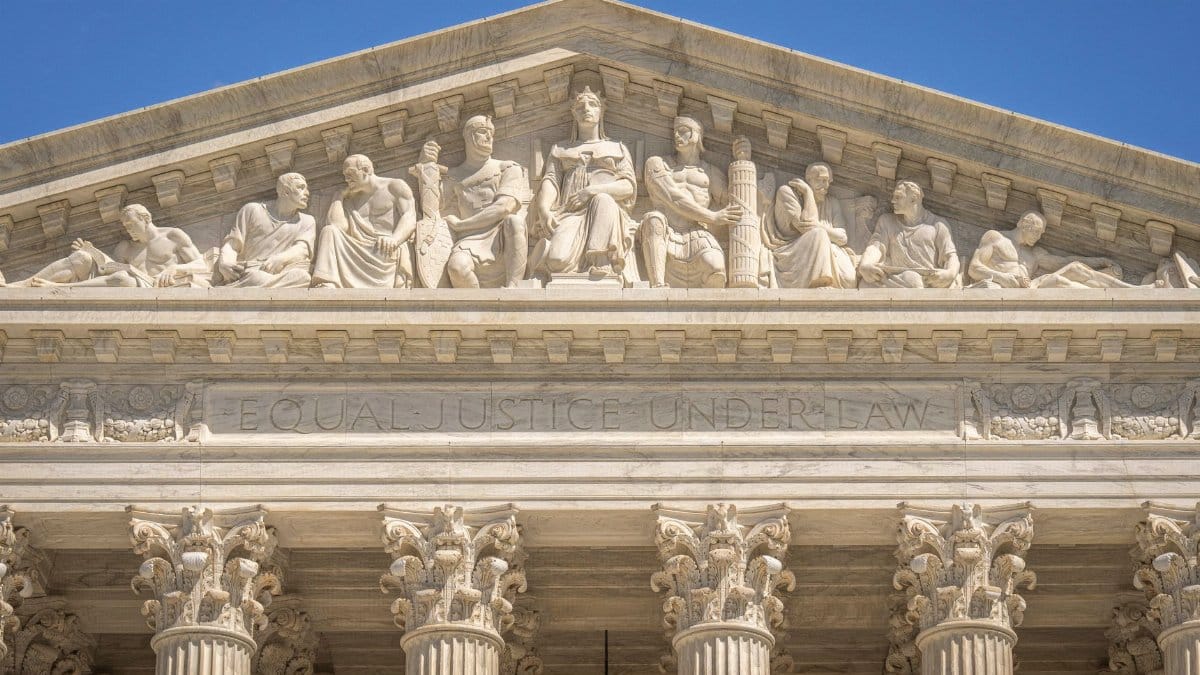
Prior rulings from the Supreme Court and other circuits shaped the arguments presented here. Some decisions emphasized limits on executive power in civil detention matters. The current case built on those foundations while addressing specific provisions unique to immigration statutes enacted decades ago.
Potential Effects on Families

Many households face uncertainty when a member enters proceedings. With greater access to release pending resolution individuals may maintain work and childcare responsibilities. Data from similar policy adjustments in other districts suggest modest changes in compliance rates when community supervision replaces full detention.
Views from Legal Scholars

Professors at major law schools described the opinion as carefully reasoned yet open to further appeal. They noted the statutory interpretation could influence how other circuits approach parallel issues. Some predicted additional litigation if enforcement agencies seek clarification from higher courts.
Future Enforcement Adjustments

Officials may revise priorities to focus resources on individuals deemed higher priorities for removal. Congress could also consider legislative updates to address ambiguities identified by the judiciary. Such changes would unfold over months as agencies adapt to the new legal landscape established by this ruling.
Broader National Implications

Although the decision applies directly in the Third Circuit territory its reasoning may persuade judges elsewhere facing comparable challenges. National enforcement patterns could evolve gradually as a result. The ICE detention ruling serves as one marker in ongoing debates over the proper scope of detention authority.