
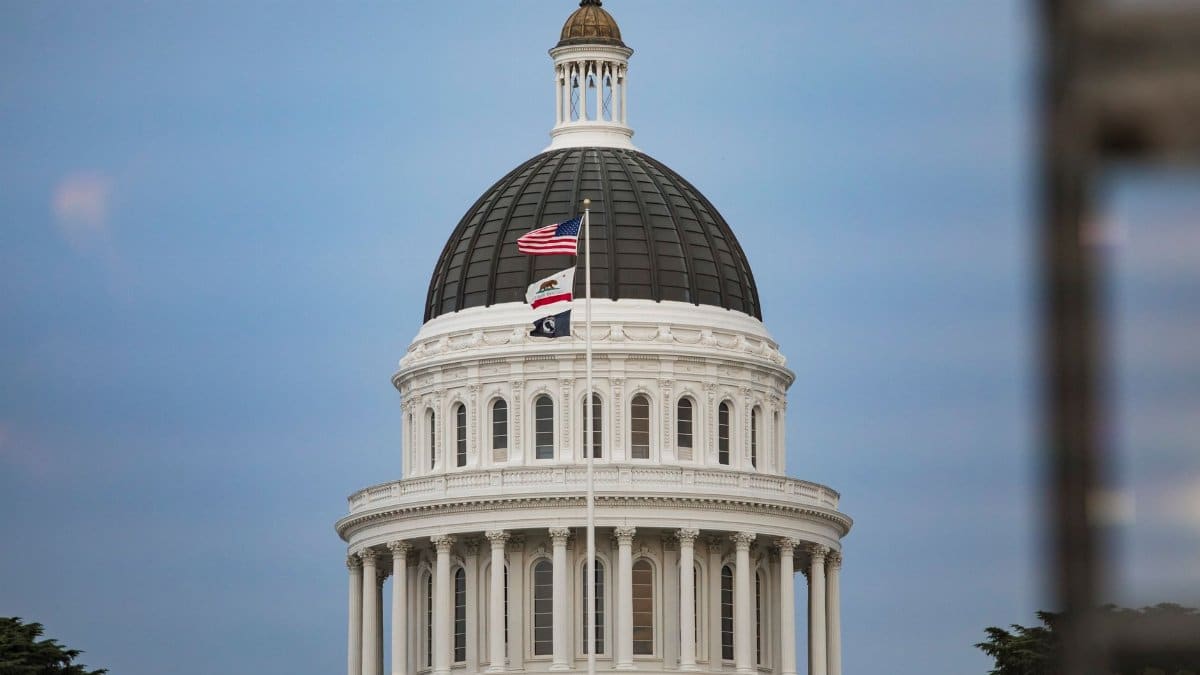
In the closing days of the legislative session in Sacramento a fierce dispute has emerged between state leaders and insurance companies over how to handle claims related to California wildfire insurance. The debate centers on whether insurers should retain the right to pursue lawsuits against utilities for damages caused by fires. This issue affects homeowners across the state who rely on stable coverage in high risk areas.
The Roots of the Dispute

Utilities and insurers have long operated under a framework that allows recovery of costs when equipment sparks blazes. Recent proposals seek to limit those suits to ease pressure on energy firms facing bankruptcy risks. Lawmakers argue the change would prevent rate hikes passed on to consumers while critics warn it removes accountability for safety lapses.
Impacts on Homeowners Statewide
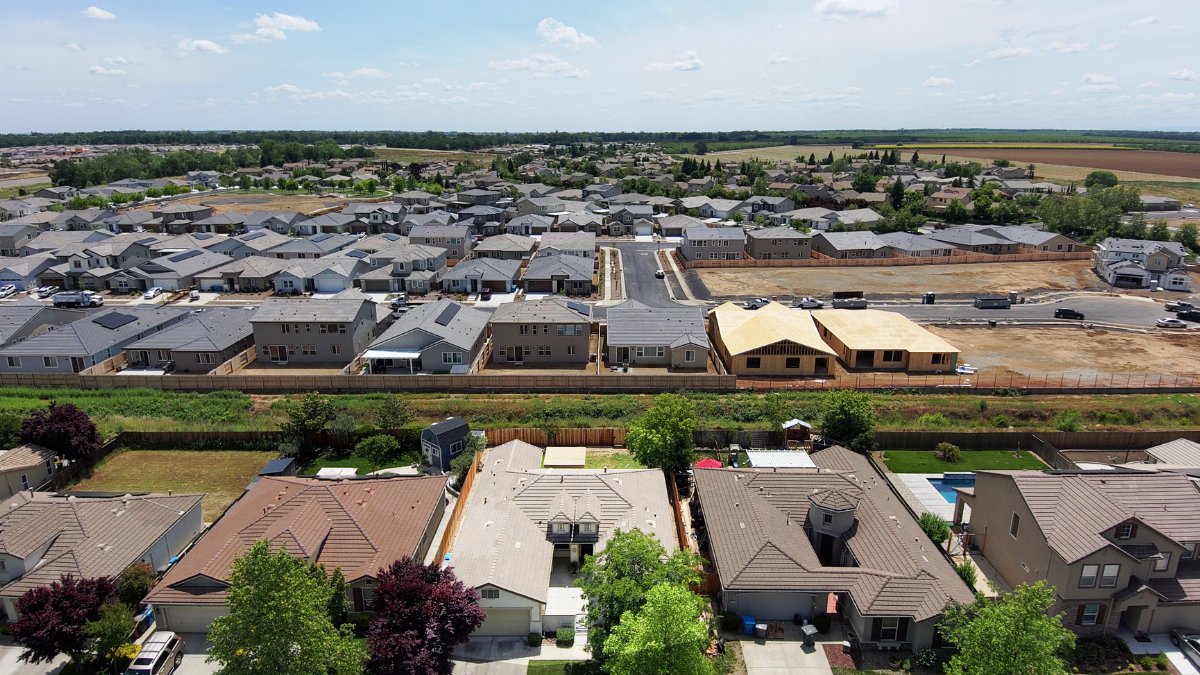
Residents in rural counties already struggle with rising premiums or outright policy cancellations. Without California wildfire insurance many families cannot secure mortgages or rebuild after losses. The proposed limits on litigation could stabilize markets yet leave victims with fewer avenues for full compensation.
Role of Governor Newsom in the Talks

The governor has signaled openness to compromise but insists on protections for policyholders. His office points to past disasters where swift utility payments helped communities recover. Observers note his stance balances economic concerns with the need for reliable coverage options.
Utility Companies Under Financial Strain

Major providers warn that ongoing lawsuits threaten their ability to invest in grid upgrades. They claim frequent litigation diverts funds from wildfire prevention measures such as vegetation management. Supporters of the bill say shielding them from suits would encourage faster modernization.
Insurer Perspectives on Liability

Insurance executives contend that removing lawsuit rights would force them to absorb massive losses from preventable incidents. They highlight data showing equipment failures as leading causes in several major events. Retaining legal options they say preserves the overall viability of California wildfire insurance products.
Broader Effects on the State Economy

Beyond individual households the clash touches construction lending and local tax bases. Areas without adequate coverage see slower rebuilding and business flight. Analysts suggest unresolved uncertainty could dampen investment in high growth regions already prone to natural hazards.
Public Safety and Prevention Measures

Both sides agree more must be done to reduce fire ignition sources yet disagree on who bears the cost. Enhanced inspections and technology upgrades require steady funding streams. The legislation debate reveals deeper questions about shared responsibility between private firms and government regulators.
Historical Precedents in Similar Battles

Past sessions have seen incremental reforms to liability rules following large scale events. Each cycle brings new data on loss patterns and insurer solvency. This round stands out for its timing at the session close and the high profile figures involved.
Potential Outcomes for Future Coverage

If passed the measure might lead to new state backed reinsurance programs. It could also prompt insurers to exit certain markets entirely. Lawmakers face pressure to craft language that avoids both market collapse and unchecked utility negligence.
Voices from Affected Communities

Local officials in scorched counties describe the human toll when coverage gaps appear. Families recount months of temporary housing while claims stall. Their stories underscore why the outcome of this legislation carries weight far beyond corporate boardrooms.
Next Steps in the Capitol

Negotiators continue closed door meetings as the deadline approaches. Amendments could alter key provisions before any vote. Observers expect last minute adjustments to address concerns from both utility and insurance lobbies.