
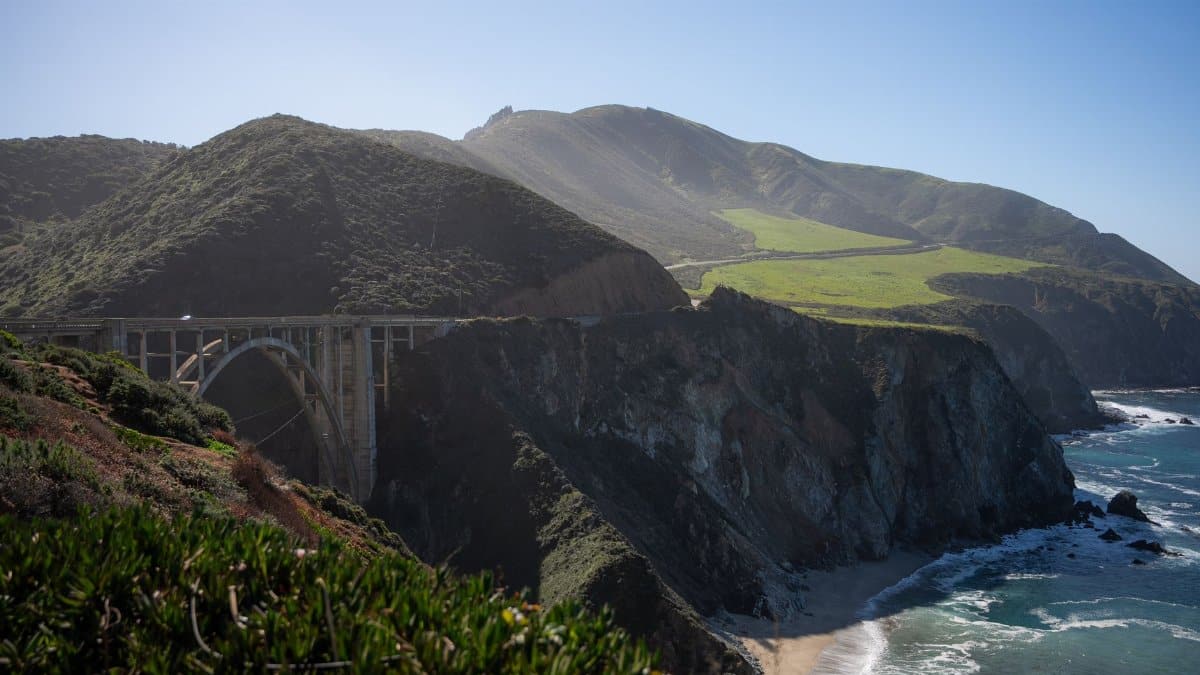
In the height of summer when coastal roads draw crowds seeking ocean views a series of blazes brought traffic to a halt along one of Californias most celebrated routes. The Big Sur Highway 1 closure left many visitors stranded and highlighted the challenges of managing natural disasters in remote areas. Residents and business owners faced sudden evacuations while tourists had to reroute their journeys turning what should have been a relaxing trip into a lesson in unpredictability and resilience.
Background on the Recent Fires
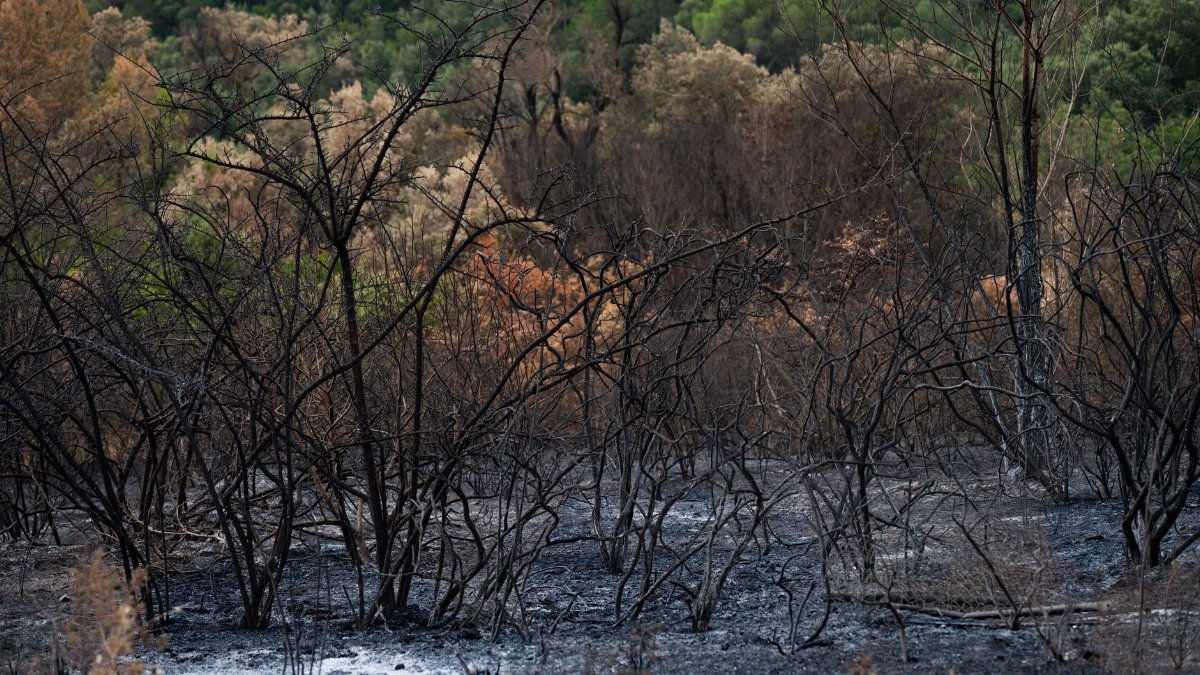
Officials traced the blazes to a combination of dry conditions and lightning strikes that quickly spread through rugged terrain. Fire crews worked around the clock yet the remote location slowed access and allowed flames to grow. State agencies coordinated efforts to protect homes and natural landmarks while monitoring wind patterns that could shift the danger zone.
Evacuations Across State Parks
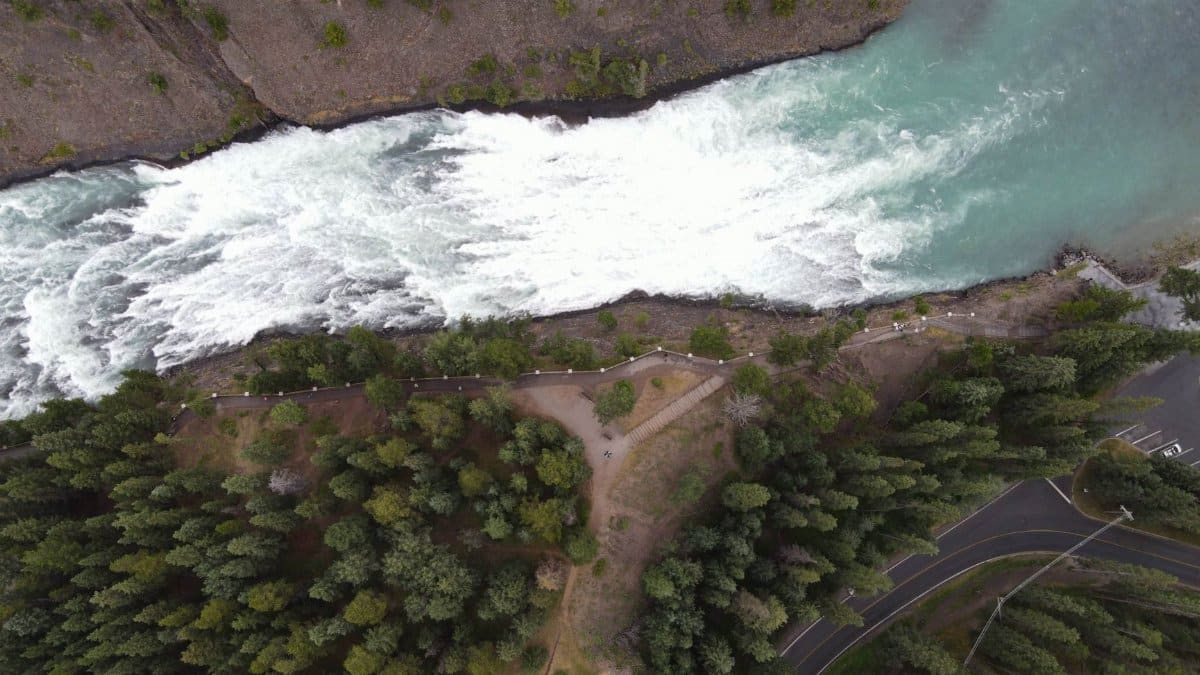
Four parks closed their gates as a precaution sending campers and day visitors packing in a matter of hours. Park rangers guided people to safe exits and set up temporary shelters for those without immediate transport. The sudden moves disrupted planned outings and left some families searching for alternative lodging far from the coast.
Businesses Face Sudden Losses

Restaurants lodges and small shops saw revenues drop as roads remained blocked for weeks. Owners described empty parking lots and canceled reservations that normally fill rooms during this period. Many turned to online sales or local markets to stay afloat while hoping for a quick reopening that would restore some income.
Travelers Adapt to New Routes
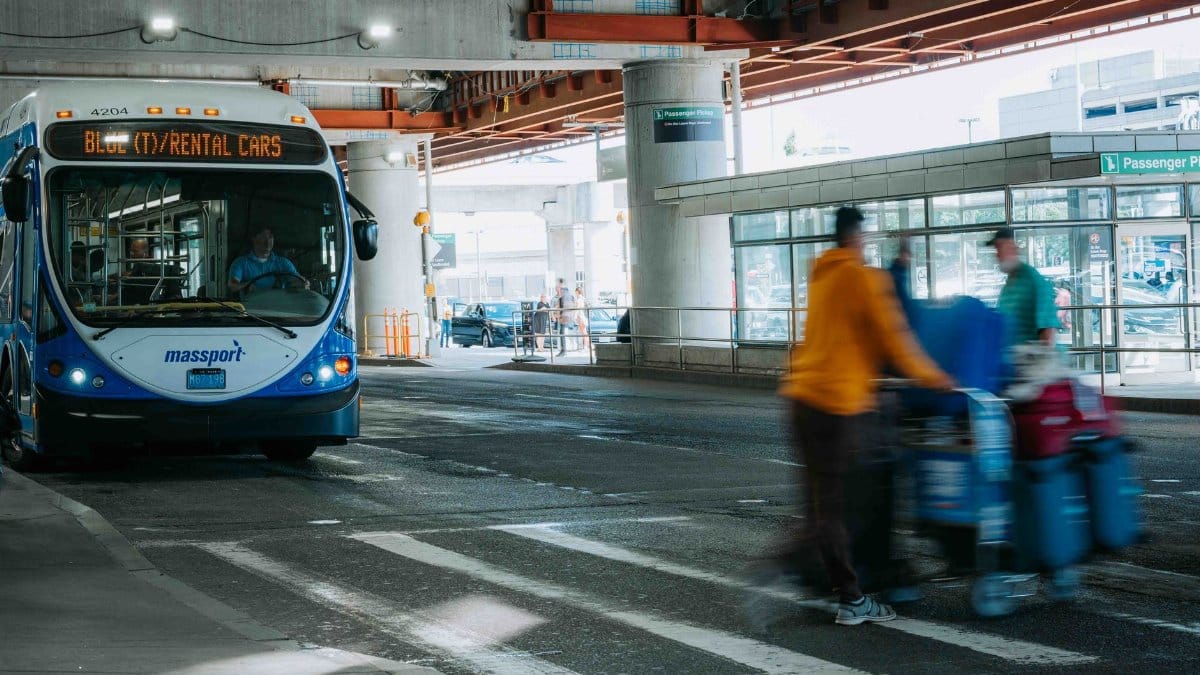
Drivers shifted to inland highways adding hours to trips that once offered ocean vistas. Rental companies reported increased demand for vehicles with better fuel range while navigation apps guided users around the affected stretch. Some travelers extended stays elsewhere along the coast to salvage parts of their vacations.
Environmental Concerns Surface
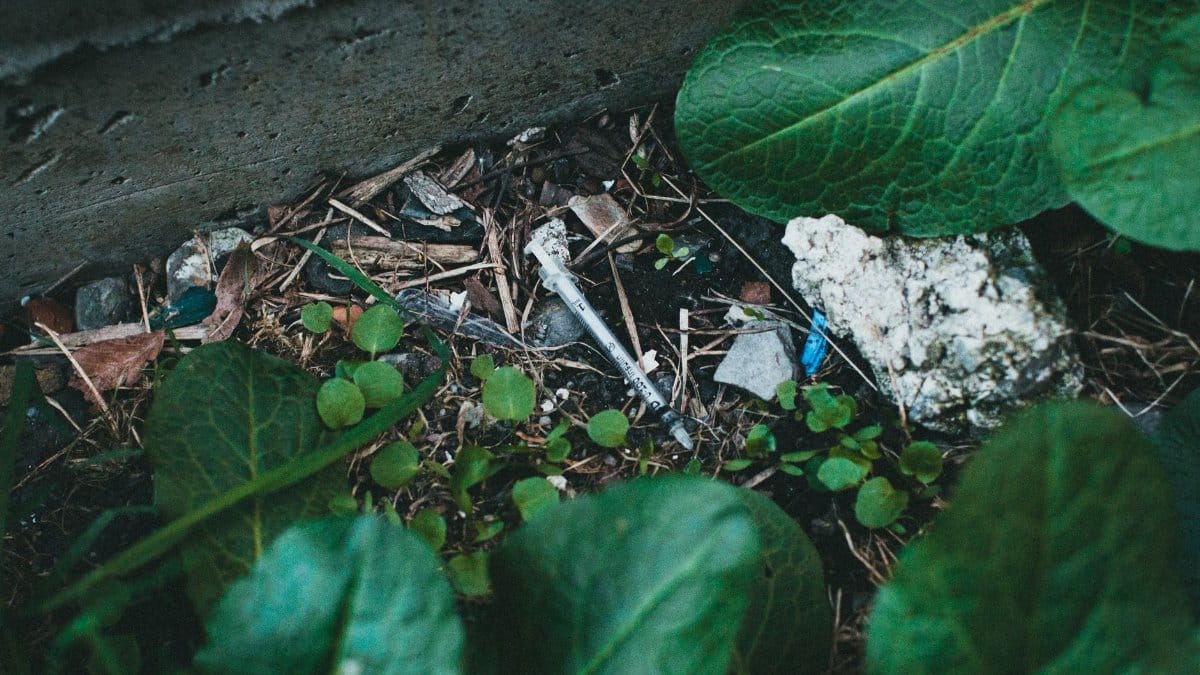
Ecologists noted that the fires cleared underbrush yet also threatened rare plant species unique to the region. Soil stability became a worry as winter rains could trigger slides onto remaining roadways. Restoration teams began assessing damage and planning replanting efforts once the immediate threat passed.
Community Support Emerges
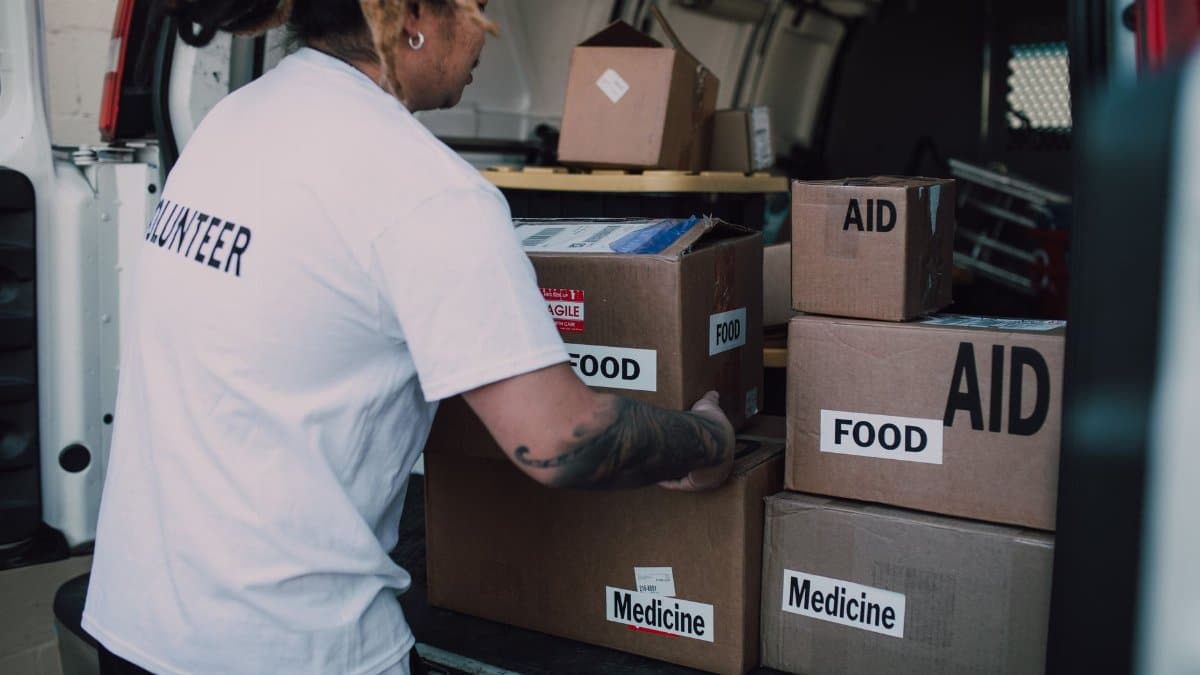
Neighbors shared supplies and information through informal networks that filled gaps left by official channels. Local churches and aid groups organized food drives for displaced workers. These efforts underscored a spirit of cooperation that often appears in times of crisis along the isolated coastline.
Looking Toward Recovery Efforts
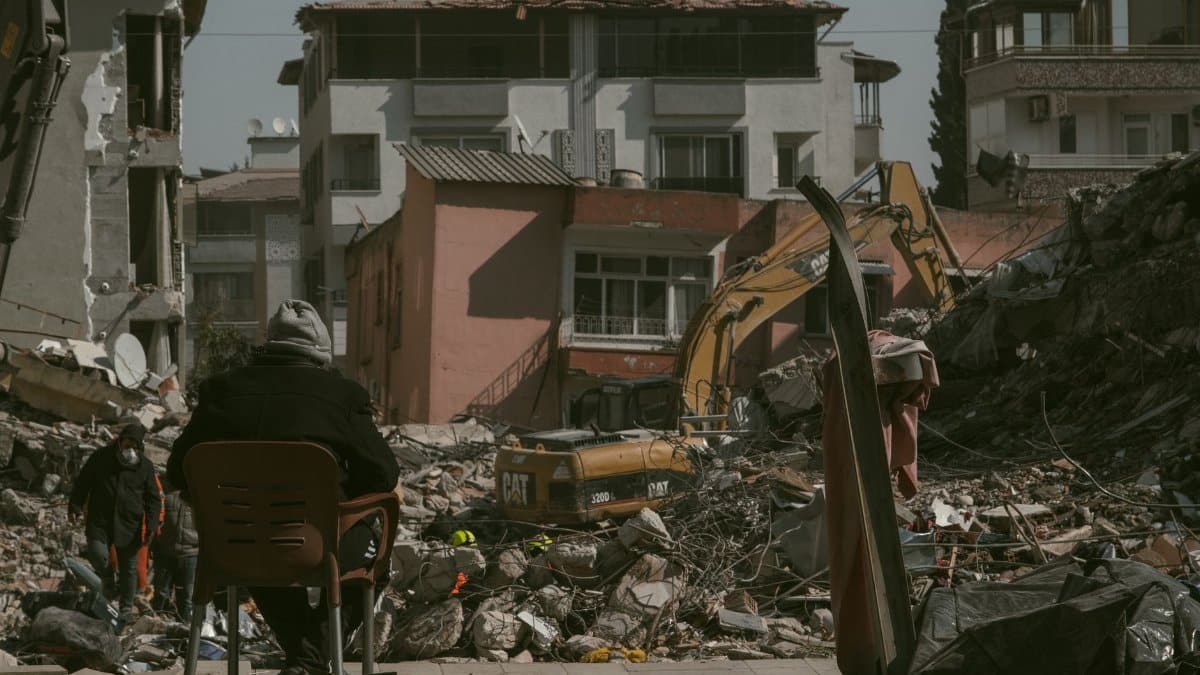
Engineers inspected bridges and road surfaces to determine when sections might safely reopen. Funding requests moved through state offices as leaders sought resources for repairs. Many residents expressed cautious optimism that the area would rebound though they acknowledged the process would take patience and sustained attention.