
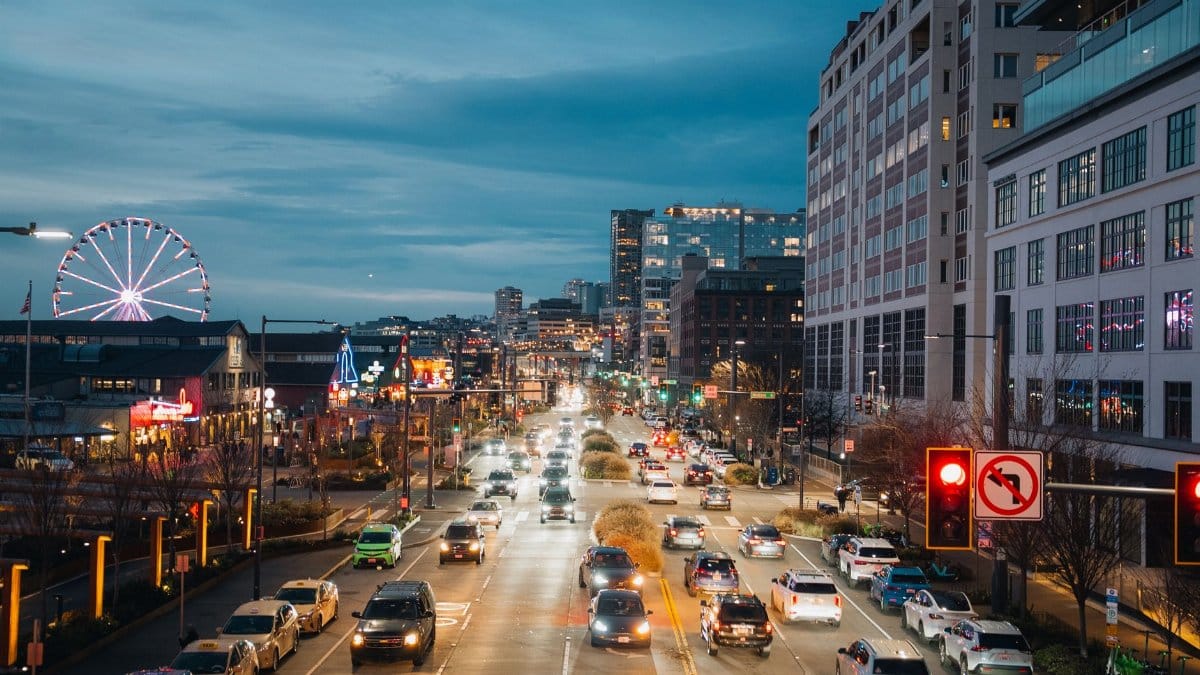
In the bustling streets of Seattle a troubling pattern of fatalities has prompted leaders to take decisive action on Seattle Vision Zero. Last year the city saw thirty traffic deaths and two hundred twenty one serious injuries. These numbers shocked residents and officials alike. Mayor Katie Wilson responded by directing a full reset of the long standing safety program. Her order came after reviews showed that earlier efforts had fallen short of the goal to end all road deaths. The move signals a shift in how the city approaches street safety amid rising concerns from families and advocacy groups.
Origins of the Safety Program
Seattle Vision Zero began several years ago as part of a national push to treat traffic deaths as preventable events rather than inevitable costs of urban life. City planners drew from ideas used in other places to redesign streets and enforce rules more strictly. Early steps included slower speed limits in busy areas and better crosswalks. Yet the results proved uneven as deaths persisted despite these changes.
Reasons Behind the Recent Reset
Mayor Wilson cited data showing that certain corridors remained especially dangerous. Officials noted gaps in enforcement and incomplete infrastructure upgrades. The overhaul aims to address these issues by reallocating resources and bringing in new expertise. Community input will play a larger role going forward.
Key Data From Last Year
The thirty deaths and two hundred twenty one serious injuries represent a setback for the program. Analysts pointed to factors such as distracted driving and inadequate lighting in some neighborhoods. These figures underscore the need for fresh strategies tailored to local conditions.
Role of City Leadership
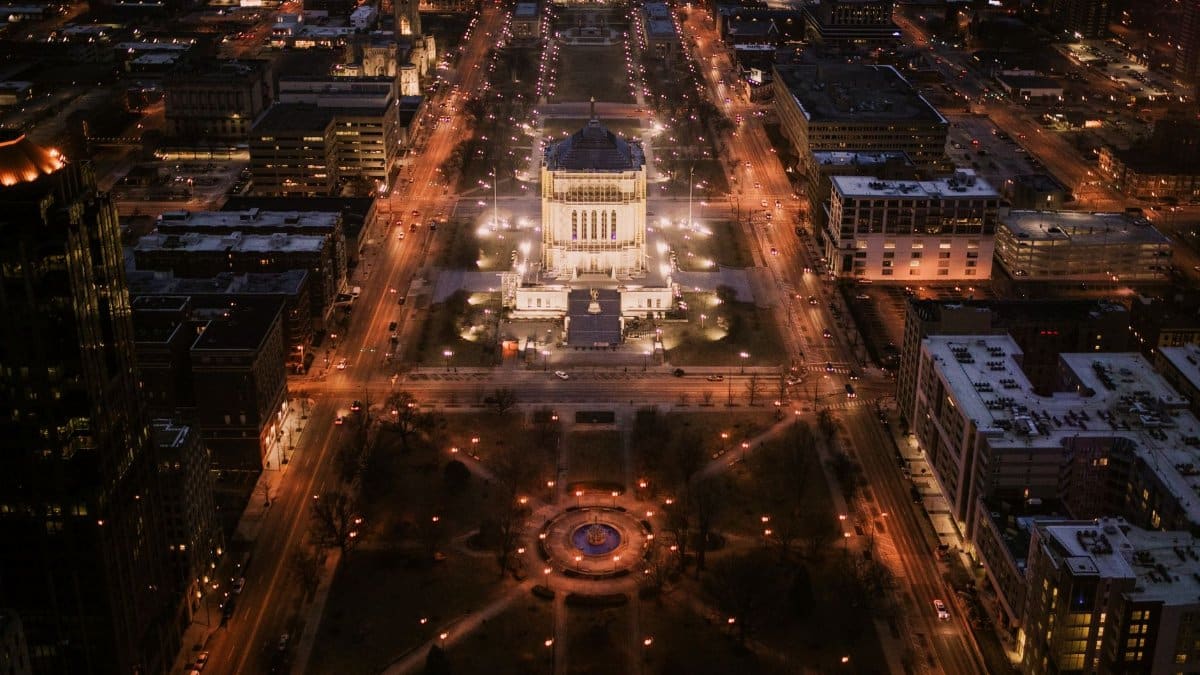
Wilson has emphasized accountability at all levels of government. She instructed departments to collaborate more closely on design and policing. This approach seeks to avoid past mistakes where efforts stayed isolated within single agencies.
Community Reactions and Input

Residents have voiced support for stronger measures while also raising concerns about impacts on daily commutes. Public meetings will gather ideas from drivers cyclists and pedestrians. Such engagement could shape the next phase of Seattle Vision Zero in meaningful ways.
Comparisons With Other Cities
Other urban areas have pursued similar goals with mixed outcomes. Some achieved reductions through consistent investment in protected bike lanes and smart signals. Seattle leaders are studying these examples to adapt proven tactics without repeating failures seen elsewhere.
Potential Changes to Infrastructure
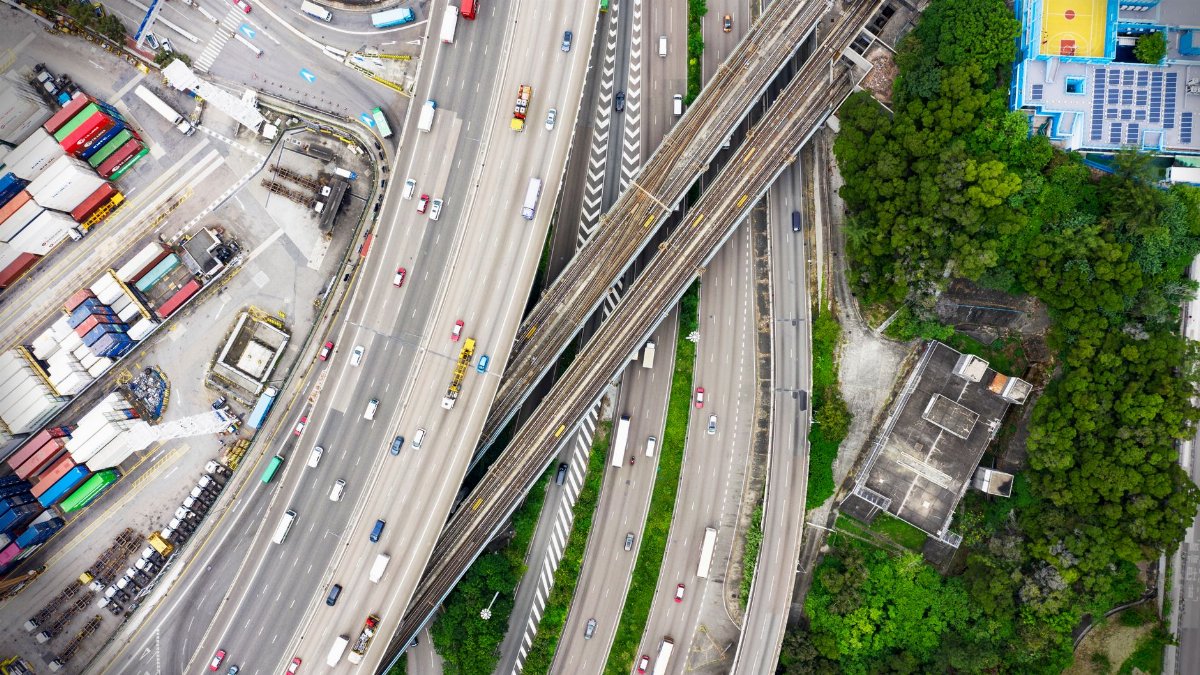
Future plans may involve wider sidewalks raised crossings and adjusted traffic signals. Engineers will focus on spots with repeated incidents. Funding will likely come from a mix of local budgets and grants aimed at safety improvements.
Enforcement and Education Efforts

Beyond physical changes the reset includes more patrols and public awareness campaigns. Drivers may face stricter consequences for violations near schools and parks. Education programs will target all road users to build better habits over time.
Challenges in Achieving Zero Deaths
Reaching the ultimate target remains difficult due to human error and aging road networks. Weather conditions and population growth add further complications. Officials acknowledge that success will require sustained commitment rather than quick fixes.
Looking Ahead for Street Safety
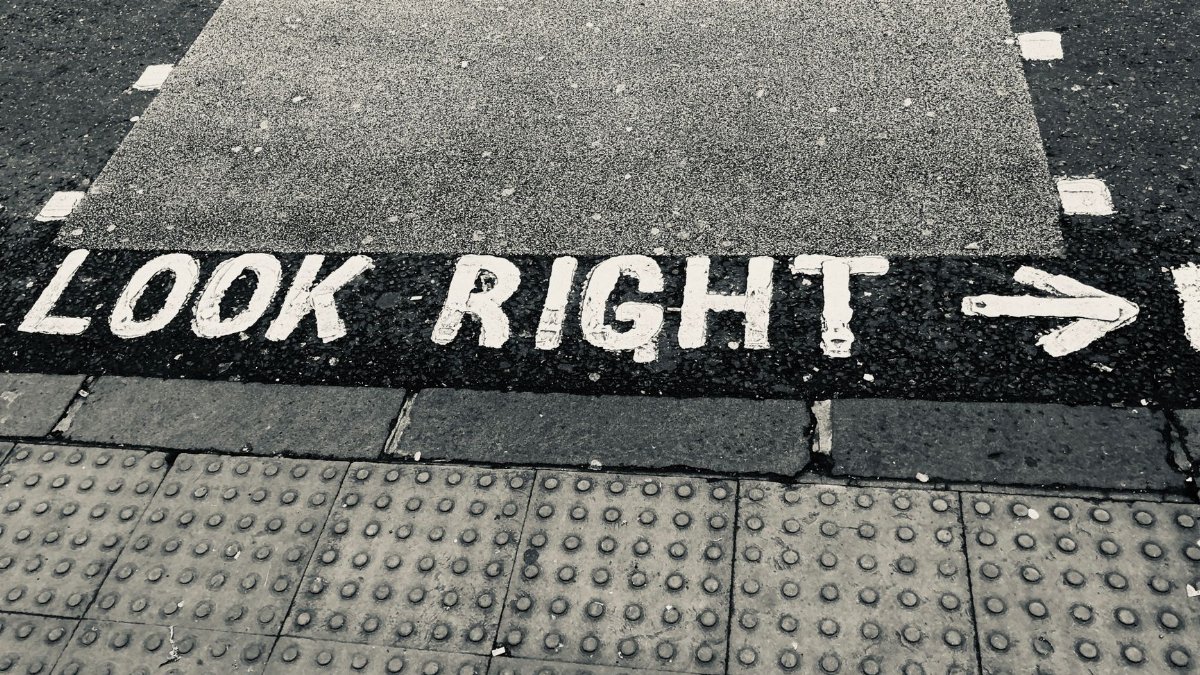
The overhaul of Seattle Vision Zero represents a critical moment for the city. With renewed focus on data and public involvement the program could regain momentum. Residents hope these steps lead to safer streets for everyone who travels through Seattle each day.