

Los Angeles demonstrated impressive coordination during the recent World Cup matches, with ridership on key lines exceeding expectations and proving that residents will embrace reliable options when service improves. This performance offers a valuable preview for the much larger challenge ahead. Planners now focus on scaling those gains for the LA transit Olympics, an event expected to draw millions more visitors over several weeks and test every aspect of the network under sustained pressure.
World Cup Results Offer Clear Benchmarks
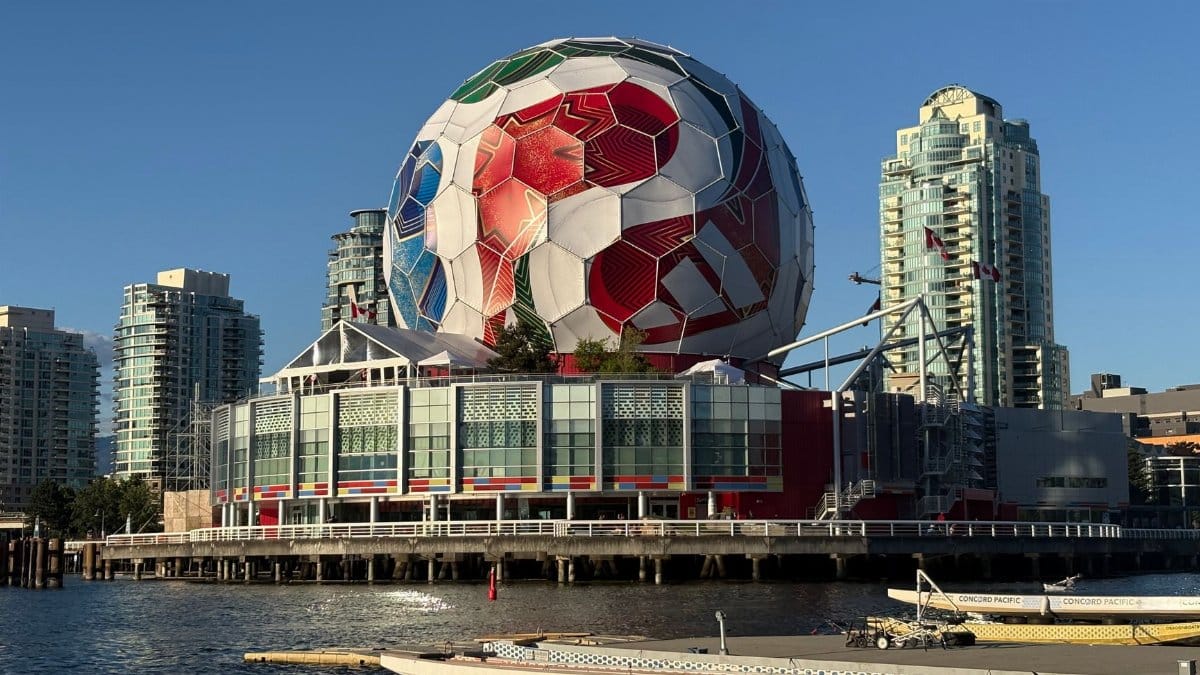
Transit officials tracked sharp increases in daily boardings across multiple corridors during the soccer tournament. Those numbers provided concrete data on capacity limits and peak demand patterns that had remained theoretical until then. Review sessions after the event highlighted both strengths in real time scheduling and gaps in last mile connections to stadiums.
Expansion Plans Target Olympic Scale Demands
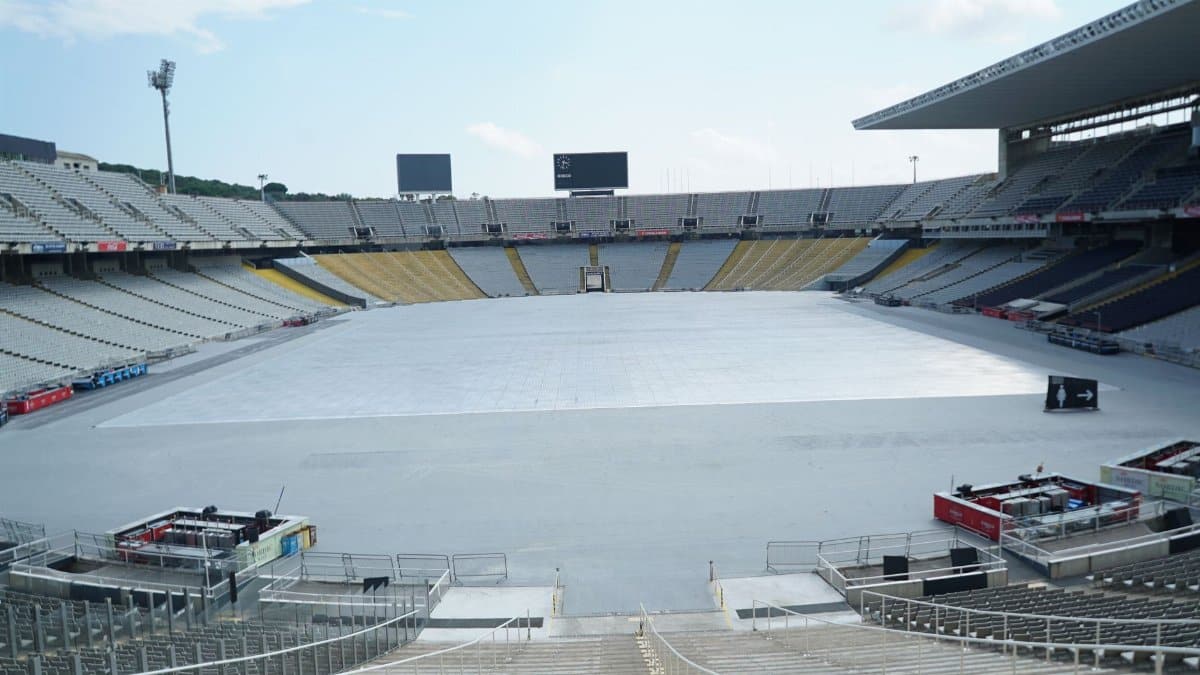
Current construction projects aim to add dedicated lanes and new stations before the games arrive. Engineers prioritize routes linking airports, downtown venues and coastal areas where visitor concentrations will peak. Funding streams from federal and state sources have accelerated timelines that once stretched into the next decade.
Resident Habits Shift Toward Regular Use

Surveys conducted after the World Cup showed more locals committing to transit for routine commutes rather than occasional trips. This change reduces pressure on roads and supports long term environmental goals set by city leaders. Continued outreach will be essential to maintain momentum once the spotlight of the games fades.
Technology Upgrades Improve Reliability

Real time tracking apps and contactless payment systems performed well during the tournament crowds. Agencies plan further refinements to predictive maintenance tools that minimize unexpected delays. These digital layers will prove vital when simultaneous events strain multiple lines at once during the LA transit Olympics period.
Workforce Training Addresses Future Pressures
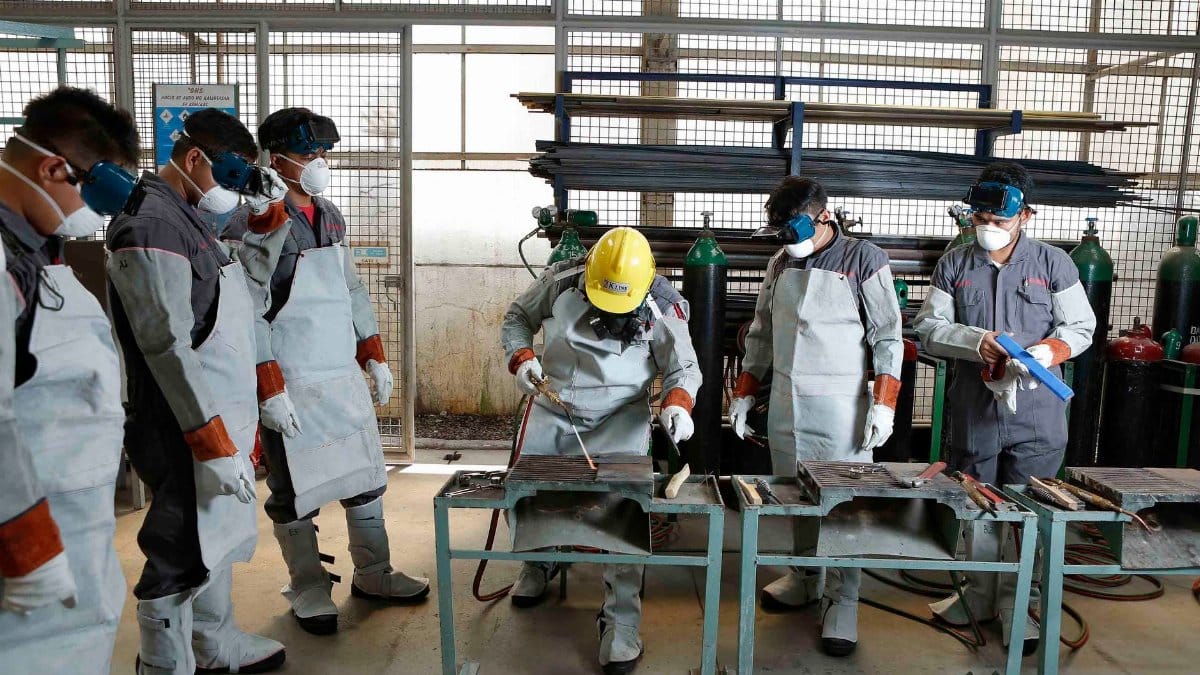
Operators and maintenance crews received specialized instruction ahead of the World Cup, and that preparation paid off in smooth operations. Additional hiring and cross training programs are now underway to handle the extended duration and higher volumes of the Olympics. Union partnerships help ensure consistent standards across shifts.
Equity Concerns Shape Route Priorities
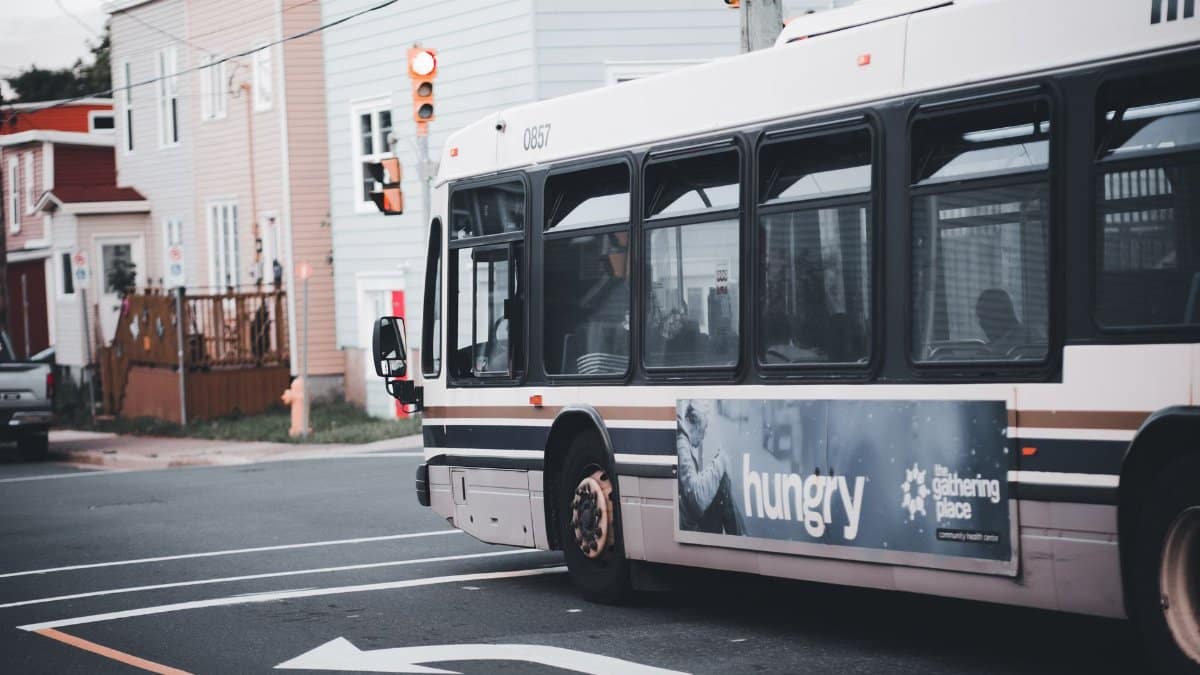
Advocates emphasize that improved service must reach historically underserved neighborhoods rather than focusing solely on tourist corridors. Early planning documents include commitments to extend frequent service into those areas. Success here would deliver lasting benefits beyond the temporary demands of the games.
Coordination With Regional Partners Remains Essential

Los Angeles shares its transportation network with surrounding counties, requiring joint schedules and shared data platforms. Meetings between agencies have intensified to align bus and rail timetables with event calendars. Without seamless connections across boundaries, visitors could face frustrating gaps in coverage.
Environmental Benefits Depend on Sustained Ridership

Reduced vehicle emissions stand as a major potential outcome if transit captures a large share of Olympic related travel. Models project meaningful drops in local air pollution during the event window provided service quality stays high. Post games retention of new riders will determine whether those gains persist.
Security Measures Integrate With Daily Operations

Enhanced monitoring and crowd management protocols tested during the World Cup will expand for the Olympics. Officials stress that visible security must complement rather than hinder efficient boarding and movement. Community input helps balance safety needs with concerns over over policing in certain stations.
Long Term Legacy Hinges on Follow Through

The true measure of success will emerge in the years after the LA transit Olympics conclude. Permanent infrastructure additions and service improvements could reshape mobility across the region if political support holds. Without ongoing investment, the progress achieved under deadline pressure risks fading once international attention moves elsewhere.