

On a quiet November morning in Austin, a legal fight that had been framed as a test of how far one state could reach simply stopped. There was no packed courtroom and no victory speech. Texas dropped abortion pill lawsuits against two California doctors and a Delaware nurse practitioner, closing cases that had tried to pull out of state clinicians into a Texas forum over medication sent to patients the state says it can still protect.
What the withdrawals actually close

The dismissals end three civil actions brought while Ken Paxton was attorney general. The complaints treated prescribing and mailing mifepristone and misoprostol as conduct Texas could police even when the clinician never set foot in the state. Walking away does not repeal the underlying ban, and it does not erase records already gathered. It does remove, for these defendants, the immediate threat of a Texas judgment, a damages demand, and the cost of defending a case far from home.
For the clinicians, that distinction is not abstract. A lawsuit in another state can freeze a license application, spook a malpractice carrier, and force a small practice to hire counsel before any patient has testified. Dropping the cases returns those three providers to ordinary medical work, at least until some other official tries a similar theory.
A successor draws a different line

Nathan Johnson, who succeeded Paxton, has said his office will not pursue such cases. That is a policy choice, not a court ruling, and a later attorney general could reverse it. Still, the vow matters in the short run. Enforcement of abortion statutes often depends less on the text of a statute than on whether a prosecutor or civil lawyer is willing to spend political capital and staff time.
Johnson’s posture also signals to hospitals, telehealth firms, and insurers that Texas is not, for now, treating every mailed packet of pills as a lawsuit worth filing. Agencies notice that kind of signal. So do the lawyers who decide whether a novel theory is worth the risk of a loss that becomes precedent.
How the pills move

Mifepristone received federal approval in 2000 for ending an early pregnancy, used with misoprostol. After the Supreme Court overturned Roe v. Wade in Dobbs in 2022, access split along state lines. Texas bars most abortions. Other states expanded telehealth and, in some cases, adopted shield laws meant to limit cooperation with outside investigators.
Patients in restrictive states have continued to seek medication by video visit and by mail. Federal changes in recent years allowed certified pharmacies and clinicians, under set conditions, to dispense mifepristone without an in person handoff. That system was built for a national drug market. State bans were written for clinics inside state borders. The lawsuits sat in the gap between those two designs.
Shield laws and a collision of statutes

California and several other states passed shield laws to protect clinicians who provide lawful care to patients located elsewhere. The idea is simple and contested: if the care is legal where the clinician sits, another state should not be able to haul that clinician into its courts or punish a local license for out of state patients.
Texas has argued the opposite in a range of settings. Its officials have said a state may defend its residents, including a fetus the state recognizes in law, even when the prescriber is elsewhere. The dropped cases were an attempt to make that argument stick against named people rather than against an agency or a drugmaker. Without a judgment, the argument remains a theory. Shield laws remain largely untested against a determined sister state that refuses to dismiss.
What the Supreme Court already settled and what it did not
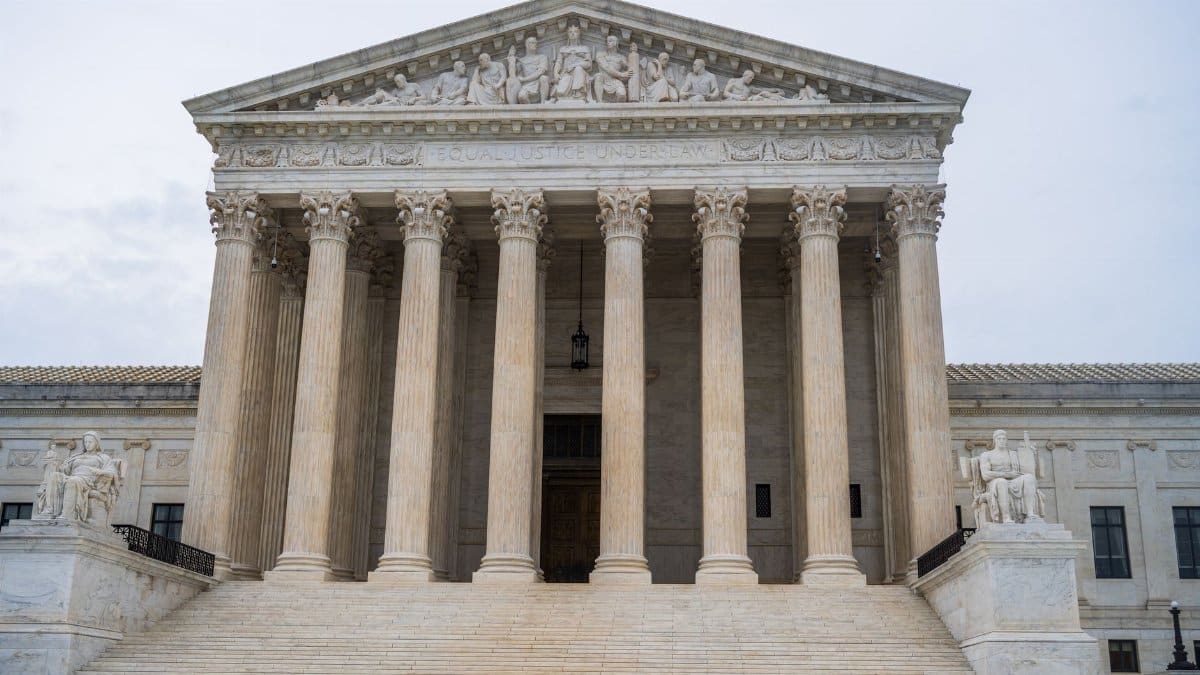
In 2024 the Supreme Court, in FDA v. Alliance for Hippocratic Medicine, held that the doctors who sued lacked standing to challenge federal rules on mifepristone. The decision left the drug’s approval in place. It did not declare a national right to medication abortion, and it did not tell states they must allow the pills inside their borders.
That narrow holding explains why state civil suits against individual prescribers became attractive to officials who lost, or never joined, the federal challenge. If the Food and Drug Administration cannot be forced to pull the drug, a state might still try to deter the people who prescribe it. The Austin withdrawals show the practical limit of that second route when the targets live under another state’s protection and the new attorney general declines to press on.
Patients between two legal worlds
For a patient in Texas, the legal picture is harsher than a dismissed docket suggests. The state’s criminal and civil bans still apply to abortions performed in Texas, with narrow exceptions that clinicians have described as difficult to use in real time. A person who orders pills may fear not only prosecution but family informers, digital records, and emergency room questions.
Public health researchers have documented that medication abortion now accounts for a large share of abortions in the United States, and that requests for pills by mail rose sharply in states with bans. Those findings describe behavior. They do not grant immunity. A patient reading headlines about dropped lawsuits can easily mistake a change in enforcement priorities for a change in the statute. The statute has not moved.
Faith, conscience, and the people who sit with the decision

Abortion is not only a docket. In congregations across Texas, pastors, priests, and lay counselors still sit with people who are pregnant and afraid. Some traditions teach that ending a pregnancy is a grave wrong and urge the state to keep its ban. Others tell a different story about mercy, poverty, and the moral weight of forcing a birth. Many houses of worship contain both views in the same pews.
The lawsuits, while they lasted, pulled that pastoral work into a legal frame. A counselor who mentioned a telehealth clinic could wonder whether a text message might later appear in a Texas filing. Dropping the cases does not settle the theology. It does lower, slightly, the chance that a conversation about care becomes an exhibit. For people whose faith already makes this decision lonely, that is not nothing.
Enforcement without a named defendant
Civil suits against out of state clinicians were never the only tool. Texas law still allows private civil actions in some abortion related settings, and local prosecutors retain charging power under the criminal ban. Licensing boards can pressure in state professionals. Hospitals write policies that are stricter than the statute because they fear a single ambiguous case.
Those quieter tools do not need a California doctor on a caption. They shape what a nurse in Houston is willing to say, what a pharmacist will stock, and whether an emergency physician documents a miscarriage in language that could be reread as a crime. The retreat from abortion pill lawsuits against distant prescribers leaves that domestic machinery untouched.
Why these three defendants were a hard test

Suing a doctor in California or a nurse practitioner in Delaware forces a court to decide personal jurisdiction: did the clinician purposefully aim conduct at Texas, or did a patient simply seek care that happened to cross a border? Internet prescribing blurs that old test. A website that says it will not ship to Texas is one set of facts. A site that does ship, or a patient who uses a forwarding address, is another.
Judges have been wary of letting every state summon every online seller. If Texas had won a jurisdictional fight and then a judgment on the merits, other states with bans might have copied the complaint. By dismissing, the state avoids a precedent that could have gone against it, and also avoids a precedent that other attorneys general could cite. Both sides lose a clean appellate answer. Both sides also lose a symbol.
Insurers, platforms, and the cost of uncertainty

Telehealth companies and mail pharmacies price risk. A single aggressive attorney general can move a market even after losing, because the defense cost arrives before the verdict. Malpractice carriers ask whether a clinician’s protocol includes states with bans. Payment processors ask whether a merchant category will draw regulatory heat. None of that requires a final judgment.
Johnson’s statement that his office will not file these cases is the kind of sentence underwriters read. It will not reopen every clinic that closed a Texas shipping lane. It may stop a few more lanes from closing. Markets hate open ended liability more than they hate a clear prohibition. A dropped suit is clearer than a suit that sits for years.
What advocates hear in the same headline

Supporters of abortion rights hear a concession: Texas could not, or would not, make distant prescribers pay. They also hear a warning that the bans remain, and that a future official could refile under a tighter set of facts, perhaps against a company with Texas contacts rather than against an individual nurse.
Opponents of abortion hear a failure of nerve. They argue that if pills can move freely, a state ban is a sign on a closed clinic and little else. Some will press the legislature for new civil penalties aimed at shippers, websites, and payment firms, theories that do not depend on Paxton’s old captions. The political energy that filled those complaints has not dissolved. It is looking for a defendant who is easier to reach.
A map that other states will study

Attorneys general copy one another. When one state tests a theory and then abandons it, neighbors take notes. States with shield laws will cite the withdrawals as evidence that extraterritorial suits are more threat than remedy. States with bans will ask whether a different defendant, a local aider, or a criminal charge would fare better than a civil case against a Delaware licensee.
Congress could still try to set a national rule, either by protecting medication abortion in federal law or by restricting telehealth prescribing. Neither path has a majority that has held. Until that changes, the live law is a patchwork: FDA approval on one layer, state bans on another, shield statutes on a third, and prosecutorial discretion on top. The Austin filings were an effort to punch through that stack. They did not.
Records, privacy, and the trail a pill leaves

Even a dismissed case can leave a trail. Discovery requests, if they went out, may have gathered patient adjacent data. Platforms retain internet protocol logs. Pharmacies keep dispensing records. Patients who fear a future prosecution are often less worried about a famous lawsuit than about a routine record request from a local officer.
Privacy lawyers have urged patients to understand what telehealth apps store and which state laws govern those files. Shield laws sometimes limit how local officials may assist an outside subpoena. They rarely erase a file that already exists on a company server. The end of these abortion pill lawsuits does not end the paper trail that made the suits possible to draft in the first place.
The unfinished argument

Texas has stepped back from three attempts to make out of state clinicians answer in its courts. Johnson has said he will not revive that strategy. Patients in the state still live under a ban. Clinicians elsewhere still practice under shield laws whose strength has not been fully tried. Federal approval of mifepristone still stands because the last major challenge failed on standing, not because the country agreed on abortion.
That is an unstable peace, held together by discretion and geography. The next fight may name a company instead of a nurse, or a website instead of a doctor, or it may never be filed at all. What ended in Austin is a set of captions. What continues is the argument over whether a state line can stop a pill, and who pays when someone tries to prove that it can.