
On a weekday afternoon in Houston, the noise of the city falls away at the door of a darkened gallery. People move slowly, reading labels in a hush more often reserved for sanctuaries than for science museums. Hebrew Bible manuscripts copied about two thousand years ago sit under glass, older by roughly a millennium than the medieval copies that long anchored textual study. The Dead Sea Scrolls exhibit at the Houston Museum of Natural Science places that shock of age in a building many residents associate with dinosaurs and gems rather than with the origins of scripture.
A science museum asked to hold scripture
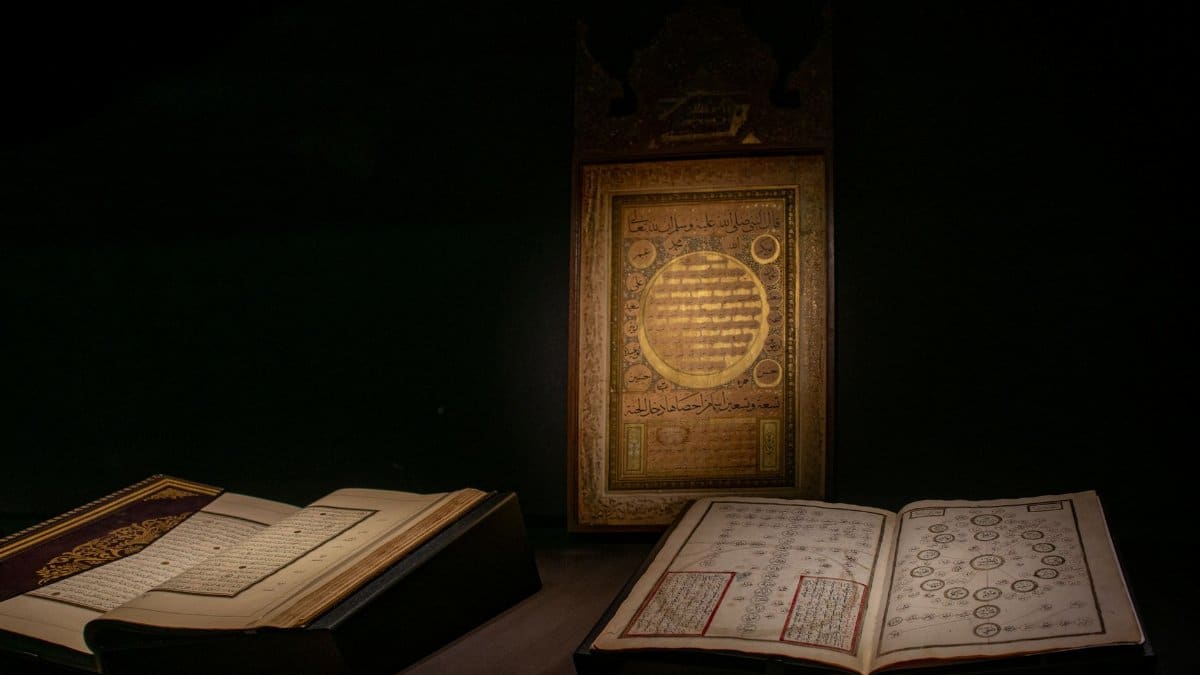
The Houston Museum of Natural Science is not a seminary and not a national library of sacred books. Its halls usually trade in fossils, minerals, and the physics of weather. That mismatch is part of the point. Scripture here is treated as a material object with a climate history, a burial history, and a recovery history. Visitors who arrive from church and visitors who arrive from a geology class stand in the same line.
I have watched both kinds of visitor pause at the same case and ask the same practical question: how did leather and papyrus survive this long in a place this harsh? The answer is not romance. It is aridity, darkness, and luck. The Dead Sea basin is one of the lowest and driest inhabited landscapes on earth. Caves along its western shore kept some writings out of rain, routine handling, and the ordinary decay that erases most ancient libraries.
What the cases actually hold

What people call the Dead Sea Scrolls is not one book and not one neat archive. The finds, made mainly between 1947 and 1956 in caves near Khirbet Qumran, include biblical books, commentaries, community rules, hymns, and calendars. Some pieces are sizable columns. Many are scraps the size of a postage stamp, with a few letters and a great deal of loss.
A gallery cannot show the whole corpus. Lenders rotate fragments because light and travel are hard on them. A typical public display offers a small number of biblical passages alongside explanatory panels about script, date, and cave number. The drama is not spectacle. It is proximity. A Houstonian can stand a few feet from Hebrew that a scribe set down near the turn of the eras, long before printing, long before the great medieval codices that scholars once treated as the oldest practical witnesses.
How the caves entered modern memory
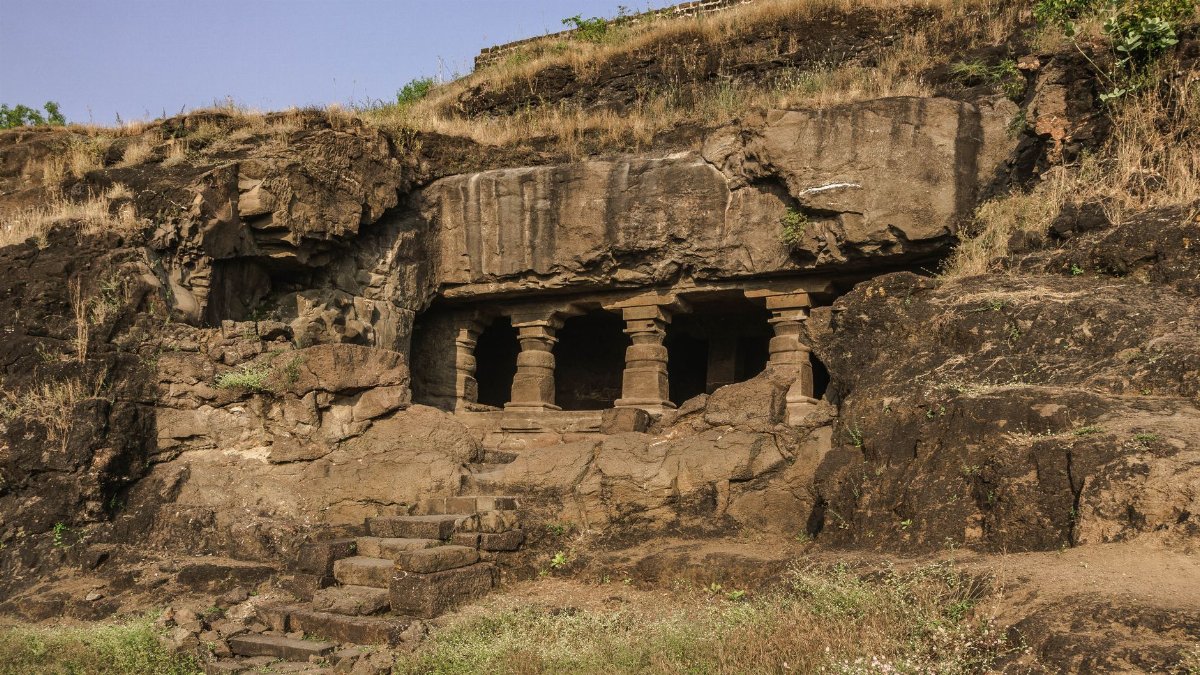
The origin story is now familiar enough to feel like legend, which is a reason to tell it plainly. Bedouin herders found jars in a cave. Antiquities dealers, scholars, and eventually state authorities followed. More caves yielded more jars, more leather, and, in one cave, the Copper Scroll, a metal text listing hidden treasures whose locations remain disputed. Excavations at the nearby settlement raised a further argument that has never fully closed: who wrote these works, and did they live at Qumran?
For a general audience, the unresolved social history matters less than the textual fact. Before these finds, the oldest complete Hebrew Bible manuscripts sat about a thousand years later, in medieval copies such as the Aleppo Codex and the Leningrad Codex. The caves pushed substantial biblical evidence back toward the late Second Temple period. That is the claim the Houston labels keep returning to, and it is the claim that still startles people who assumed the Bible’s wording arrived in something like its present form only in the Middle Ages.
Why a thousand years of priority still matters

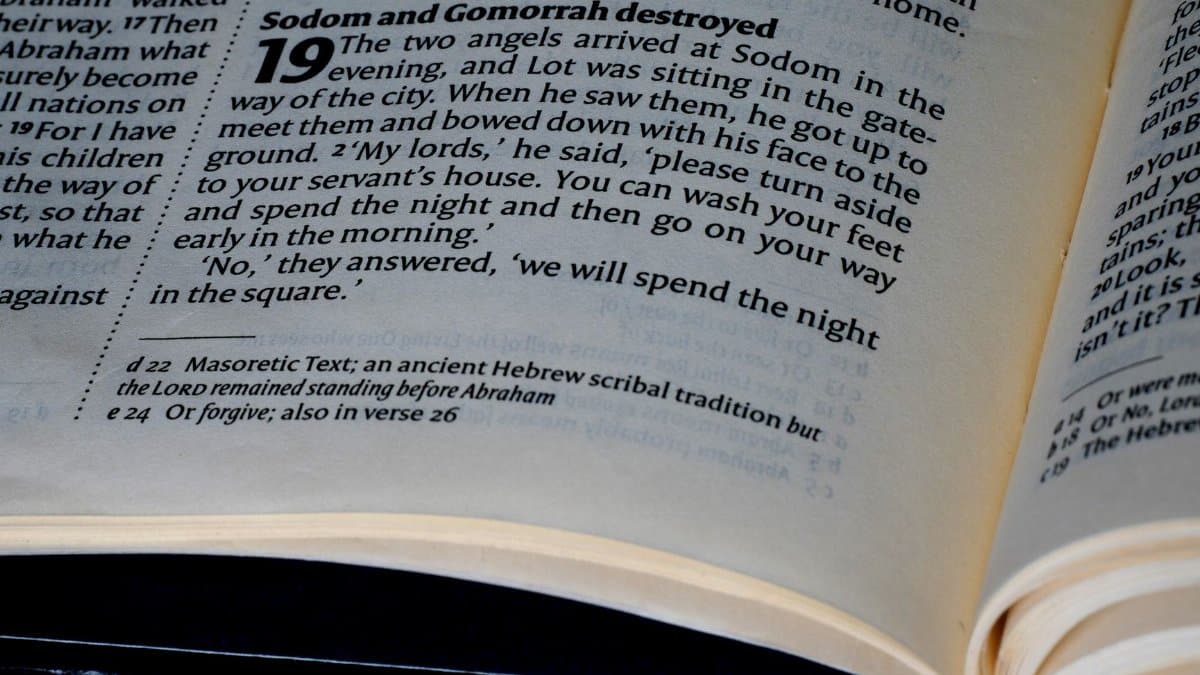
Priority is not the same as perfection. An older copy can contain a mistake a later copy corrected. What the scrolls changed was the map of variation. Scholars could finally compare the medieval text, the Masoretic tradition, with Hebrew readings from centuries earlier, and with the Greek Septuagint and other ancient translations. In many books the match is remarkably close. In others, the caves preserve different lengths, different orders, and wording that helps explain why ancient translators sometimes diverged.
Isaiah is the example docents reach for first, because a substantial Isaiah scroll survived in unusually good condition. Readers can see a prophetic book already recognizable, already long, already treated as scripture, at a date far earlier than skeptics of the early twentieth century sometimes allowed. Other books survive only in pieces. Absence is data too. A missing line on a fragment is not a verdict on the whole Bible. It is a reminder that survival is accidental.
Hebrew on the page, faith in the room
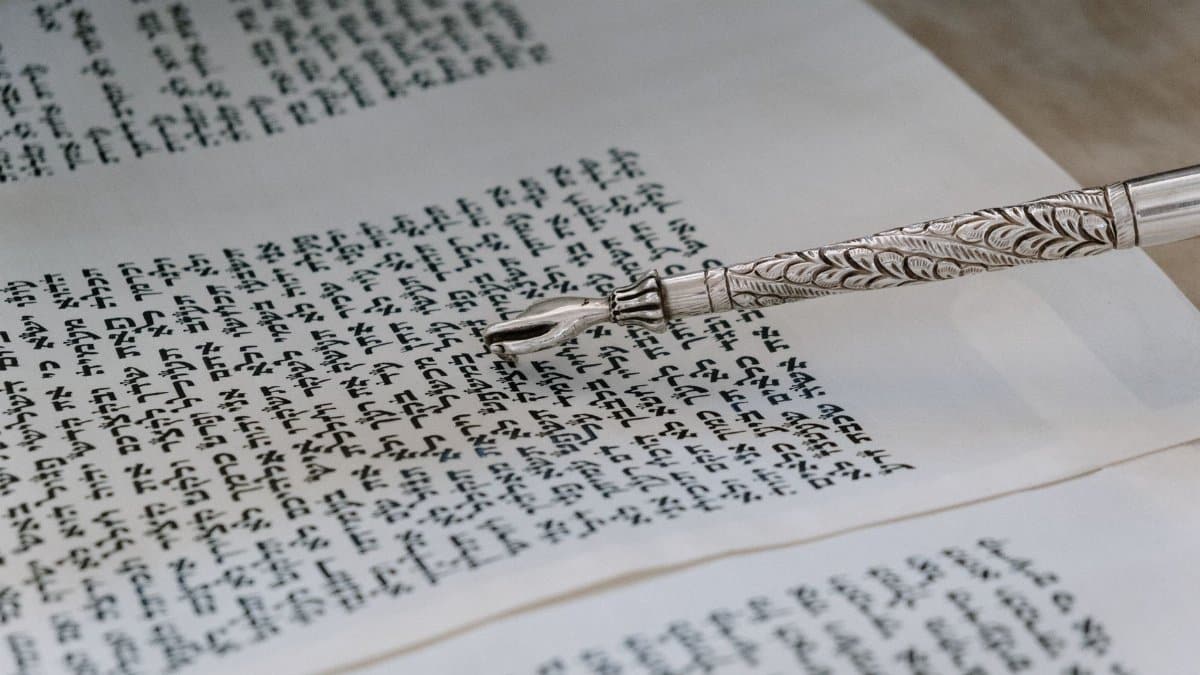
For Jewish visitors, these are not exotic relics from someone else’s past. They are ancestral text, in the language of prayer, found in the land of Israel and now traveling under strict loan agreements. For Christian visitors, they are the scriptures Jesus and his contemporaries would have known in some form, even if no single fragment can be tied to a named person in the Gospels. Muslim visitors often arrive with their own questions about revelation, preservation, and the ethics of display. The museum does not settle those questions. It stages them.
That staging can be clumsy if a label sounds like a sermon, and equally clumsy if a label pretends belief is irrelevant. The better panels I have seen in shows of this kind do neither. They name the religious communities that treat these books as holy, then return to ink, skin, script, and date. Reverence and evidence are allowed to share a room without one cancelling the other.
The Dead Sea Scrolls exhibit and the problem of light
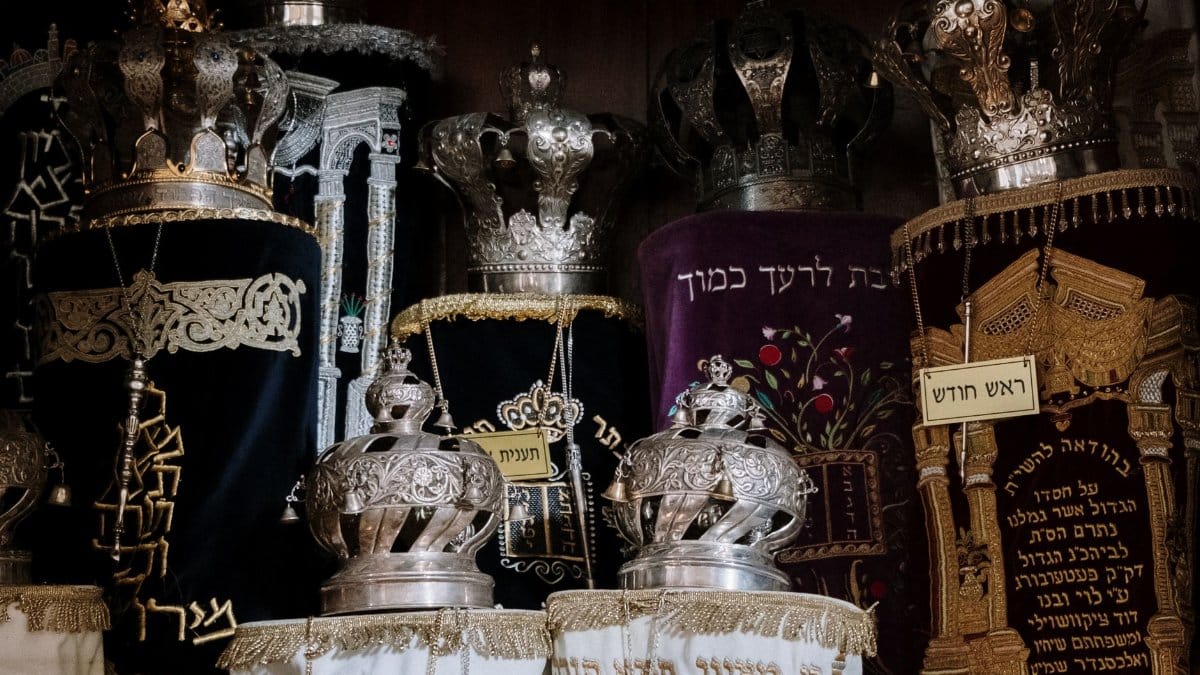
Conservation is the quiet plot of any Dead Sea Scrolls exhibit. Leather likes stable humidity and hates bright light. Pigments fade. Edges curl. A fragment that survived two millennia in a jar can be injured in a decade of careless exhibition. Museums answer with low light, short rotations, sealed cases, and limits on how long any one piece stays on view.
Those limits disappoint people who hoped for a wall of complete books. They should. Completeness is a modern expectation, trained by paperbacks and phone screens. Ancient evidence arrives broken. The honest exhibit teaches visitors to read damage as part of the object: a hole where a word should be, a column cut by a cave collapse, a letter preserved on one side of a tear and gone on the other.
Script, scribes, and the labor behind a holy book
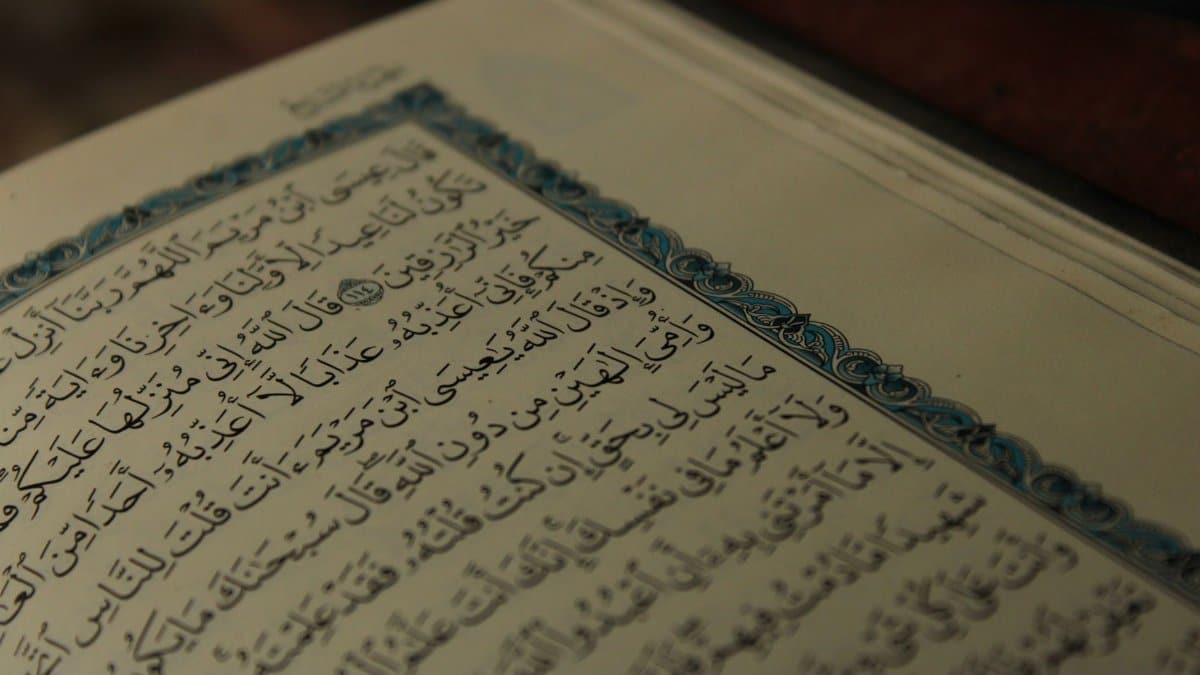
Look long enough at a fragment and the romance of discovery gives way to labor. Scribes ruled lines. They corrected themselves. They wrote in formal hands that paleographers group into periods, which is how many pieces are dated when radiocarbon sampling is too destructive or too uncertain for a scrap. None of this requires visitors to become specialists. It does ask them to see scripture as made, not dropped from the air.
The community texts found with the biblical books add another layer. Rules about purity, shared property, and calendars suggest a group, or groups, intensely concerned with how to live while waiting for divine judgment. Whether that group was Essene, as many scholars have argued, or a more mixed collection of libraries hidden during revolt, the writings show a Judaism already arguing with itself about law, temple, and time. The Bible did not sit alone in those caves. It sat among arguments about how the Bible should rule a life.
Houston as a stop, not a destination of origin
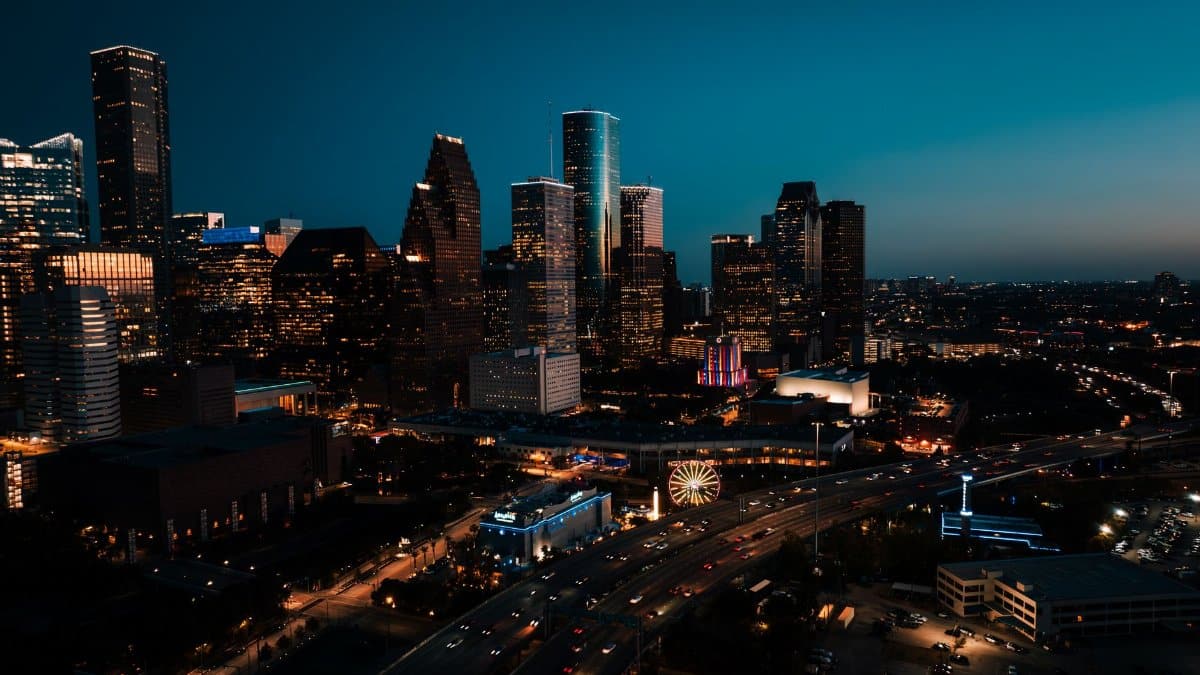
Scroll fragments do not belong to Houston. They are lent, usually through Israeli cultural authorities and partner institutions, under contracts that specify light levels, security, and return dates. The city is a stop on a circuit that has included museums in other American regions over the past two decades. Each stop rebuilds the story for a local public: energy workers on a lunch hour, church groups on a bus, students whose Hebrew stops at the alphabet on the wall.
Local clergy have reasons to bring congregations. A sermon about the reliability of the text lands differently after people have seen the script. So does a sermon about humility. The fragments confirm continuity and they also show that wording moved, that books circulated in more than one form, and that the neat printed page in a pew Bible is the end of a long editorial road. Both lessons can be true in the same afternoon.
What scholarship still argues about
Public exhibits freeze a moving field into wall text. In seminars, the arguments continue. Who owned the caves? Were the scrolls a sectarian library, a Jerusalem library hidden in wartime, or several collections brought together by crisis? How should variant readings affect modern translations? Which pieces are authentic, after a painful history of forgeries that embarrassed the antiquities market and, for a time, some museums?
Those disputes do not erase the central finds from the original caves. They do warn against treating every brown scrap with Hebrew letters as equal evidence. A responsible Dead Sea Scrolls exhibit says where a piece came from, who published it, and what remains uncertain. Visitors deserve that candor. Faith is not protected by blurring provenance, and science is not advanced by it either.
Reading age without turning it into a weapon

Age is easy to misuse. Some visitors want the scrolls to prove every later doctrine. Others want them to dissolve scripture into rumor. The objects support neither campaign. They show that substantial portions of the Hebrew Bible were already being copied, studied, and stored as valued writing two thousand years ago. They also show plurality: more than one textual path, more than one community, more than one way of imagining the end of days.
That is a richer gift than a slogan. A middle aged reader who grew up with a single translation can leave the gallery with a more crowded sense of the past. The book in the hand at home is related to these fragments. It is not identical to any one of them. Relationship, in textual history, is the honest word.
How to look, if you go
Go slowly. Read the cave number before you read the verse. Notice the scale: a famous line may occupy a piece smaller than a business card. Compare the English on the panel with the Hebrew only as a reminder that translation is an act, not a window. If a case is empty because a fragment has been rotated out, treat the absence as part of the lesson in care.
The museum’s own pages and the Israel Antiquities Authority remain the right places to confirm what is on view in a given week, since loans change. The Houston Chronicle’s reporting on the opening is a local starting point for dates and public reaction. None of those sources replaces the half hour in low light, which is where the age of the writing becomes something other than a number in a headline.
What remains after the lights come up

Outside, Houston resumes its ordinary scale: freeways, heat, a skyline built in living memory. Inside, a few inches of ancient skin have done what good evidence does. They shorten the distance people imagine between themselves and the first readers of these books. They also lengthen it, because the scribes’ world of temple, empire, and desert sect is not ours.
The Dead Sea Scrolls exhibit will close, as every loan show must, and the fragments will go back into controlled storage. What can stay is a corrected picture. The Hebrew Bible is old in a way that can be seen, not only asserted. Its text has a history of copying, correction, and remarkable stability alongside real variation. Houston, for a season, is one of the places where that history is not a footnote. It is an object under glass, asking for patience, and rewarding it.