
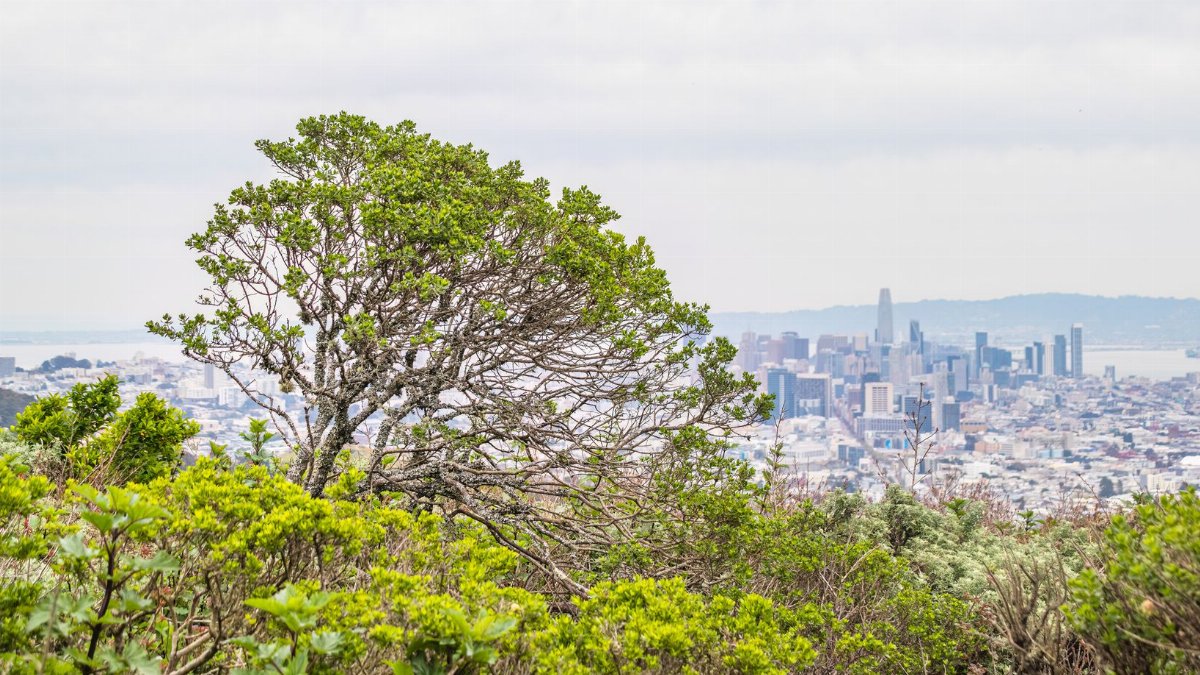
On a clear afternoon the slopes above the Golden Gate can look almost gentle, cypress and eucalyptus bending in the same wind that once lifted Madeleine’s coat in Alfred Hitchcock’s most haunted romance. It is a strange place to picture a grave that is not a grave at all. Yet the phrase Kim Novak tree burial has begun to circulate among people who still walk those streets with the film in their heads, a wish from a star now in her nineties to be returned to soil and then to a living trunk.
A private wish made public
Kim Novak, born in 1933 and forever linked to Vertigo, has said she wants her remains composted so that people who loved her can plant a tree above what her body becomes. The request is not a publicity stunt from a studio still selling glamour. It is the kind of instruction an older person leaves for family, specific enough to startle and simple enough to understand. Compost the body. Plant a tree. Let the memorial be something that needs water.
Reports of the wish, including coverage in the San Francisco Chronicle, place the possible tree in the city that made her image immortal. San Francisco is not where she has spent her later decades. She has long lived quietly in rural Oregon with her husband, the veterinarian Robert Malloy, painting and staying far from premieres. The city remains the one audiences associate with her face. That split, between a private life and a public landscape, is what gives the request its charge.
The actress the fog still names
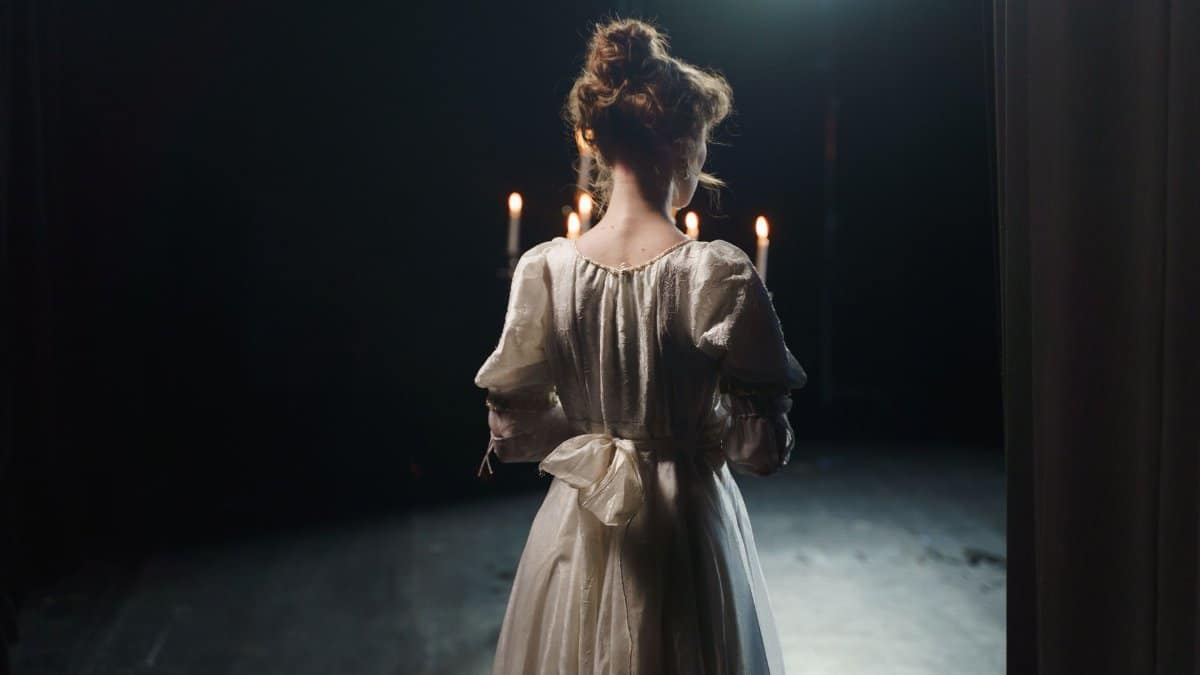
Novak arrived in Hollywood in the 1950s as a contract player who never quite accepted the contract. Picnic made her a star. Bell Book and Candle gave her a cooler, comic glamour. Vertigo, released in 1958, asked something harder: a woman playing a woman playing a dead woman, then collapsing under the demand that she become that fiction for good. James Stewart’s Scottie tries to rebuild Judy as Madeleine. The audience watches the cruelty and the longing at once.
She left the industry earlier than fame usually allows, wary of what studios did to women’s bodies and names. In interviews over the years she has spoken of anxiety, of being treated as a product, of finding steadier ground among animals and paint. That biography matters here. A person who spent her youth as an image is asking, at the end, not for a monument with a photograph but for organic matter and a sapling. The request reads as consistent with a life spent trying to step out of the frame.
What composting a body actually means
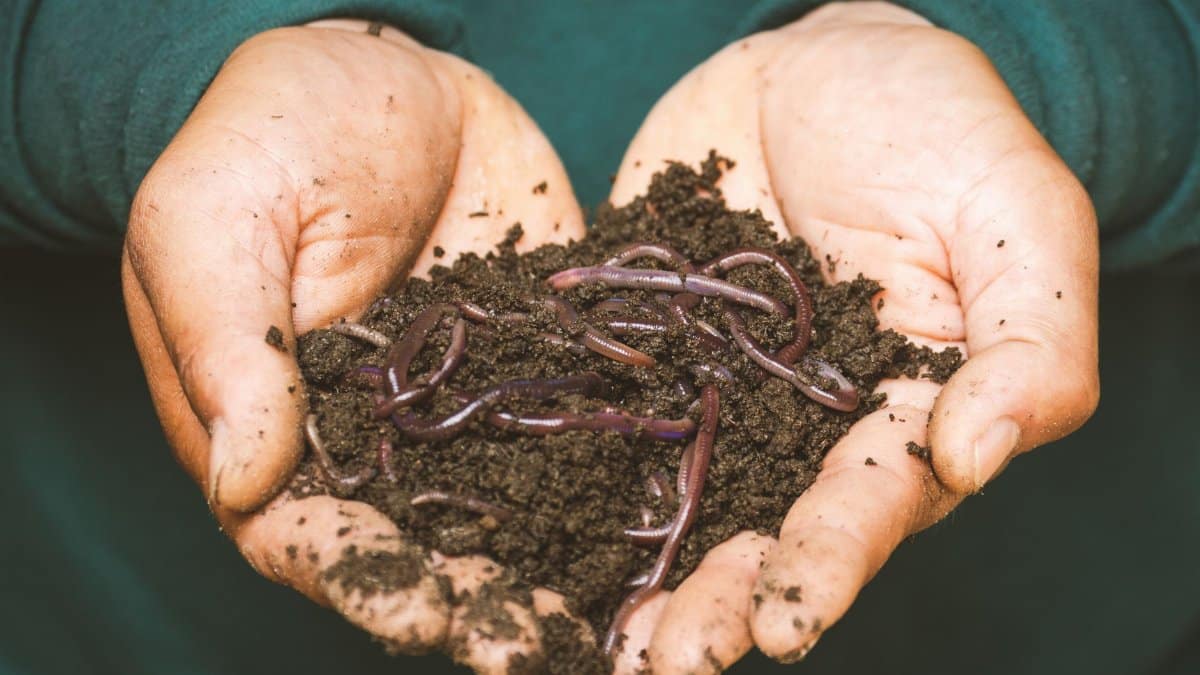
The process she has in mind is known in statutes as natural organic reduction. It is not burial in a shroud, and it is not cremation. In licensed facilities, a body is placed in a vessel with wood chips, straw, and alfalfa. Heat and microbes do the work that a forest floor does more slowly. Over roughly a month to six weeks, soft tissue breaks down. Bone is reduced and returned to the mix. Families receive a quantity of soil, often more than a single backyard can absorb, and decide what to do with it.
Providers describe the soil as safe for planting when the process is done correctly, with pathogens reduced by sustained heat. It is still a regulated waste stream until it is not. States that allow the practice require licensed operators, tracking, and rules about where the soil may go. A tree is one ending. Donation to conservation land is another. Scattering in a forbidden watershed is not.
The law that opened the door
Washington became the first state to legalize natural organic reduction, in 2019. California followed with legislation signed in 2022, after funeral directors, environmental advocates, and religious groups argued in public hearings about dignity, groundwater, and the meaning of a body. The California law treats the practice as a disposition option alongside burial and cremation, available through licensed reduction facilities rather than through a backyard pit.
That legal frame is what makes a Kim Novak tree burial imaginable rather than folkloric. A family cannot simply compost a relative in a garden and call it done. They can, where the law allows, choose a facility, receive soil, and plant. Oregon, where Novak has lived, has moved in a similar direction. The wish is therefore less a rebellion against the funeral industry than a choice among options that industry is learning to sell.
For readers who want the statute rather than the summary, the bill history sits on the California Legislative Information site at https://leginfo.legislature.ca.gov. The text is dry. The cultural argument around it is not.
Whether a tree can take in this city
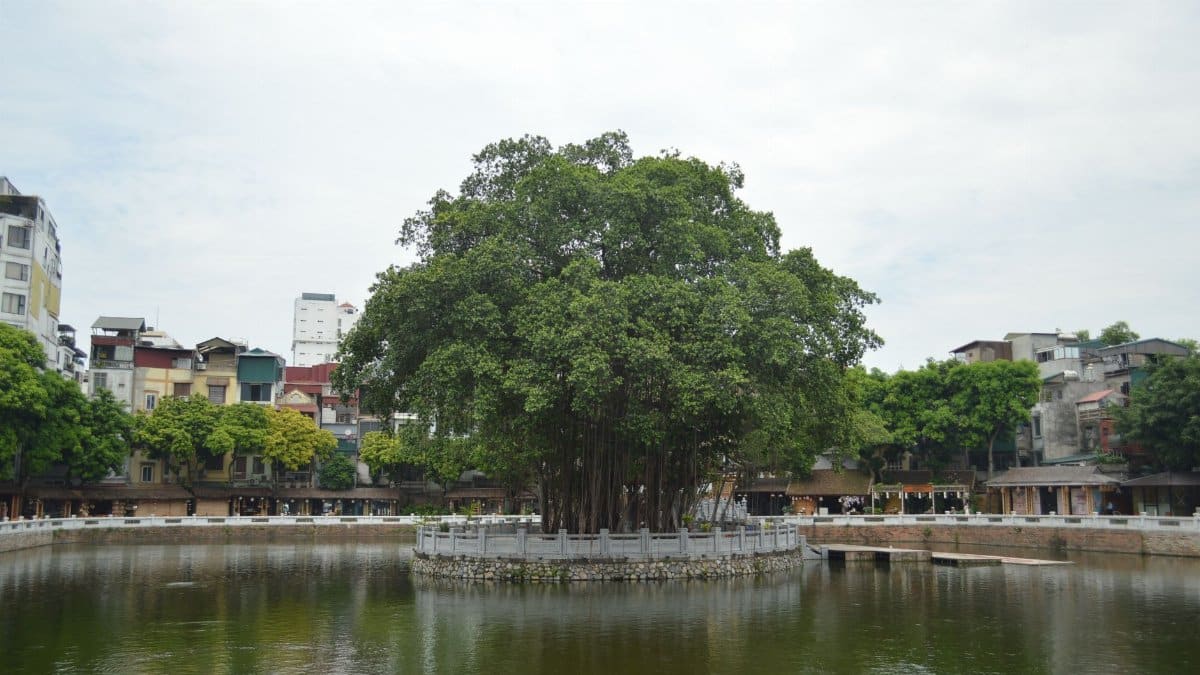
San Francisco is a difficult place to promise a tree. Fog, wind, thin soil on serpentine rock, and a dense grid of pipes leave fewer honest sites than the postcard suggests. A memorial tree needs an owner, a species that belongs, and a plan for when the planter dies and the sapling is still young. City agencies do not hand out street trees as personal graves. Parks have rules about plantings, plaques, and scattered remains. A private garden, a churchyard with permission, or a conservation parcel outside the city may be more realistic than a slope in the Presidio with her name on a stake.
There is also the matter of scale. Reduction yields cubic feet of soil, not a handful of ash. One tree does not take all of it. Families often divide the material, use some in plantings, and return the rest to a land project. If loved ones want a single visible tree in San Francisco, they will still have to decide what happens to the rest, and whether the city is the right climate for the species they choose. Monterey cypress, coast live oak, and redwood each fail in different ways if planted in the wrong pocket of sun and salt.
Faith, family, and the idea of return
Religious responses to human composting have not been uniform. Some Catholic and Jewish authorities have raised objections that track older debates about cremation: respect for the body, the integrity of remains, the symbolism of waiting for resurrection or for a defined grave. Others have treated the practice as closer to traditional burial than fire is, a return to earth without embalming fluid or a concrete vault. Novak has not framed her wish as a theological brief. She has framed it as a gift to people who might want a living thing to tend.
That framing shifts the funeral from a single afternoon to a long chore. A tree asks for the first dry years, for stakes against wind, for someone who notices when the leaves fail. It is a memorial that can die if neglected, which is either a flaw or the point. Film fame promises an afterlife of stills and restorations. A tree promises only what weather and care allow. For an actress who distrusted the permanence of the image, the risk may be part of the design.
What the funeral trade is learning
Green burial, alkaline hydrolysis, and natural organic reduction have moved from the edge of the trade into brochures. The Green Burial Council and a handful of reduction companies now sit beside cremation societies in the options a planner recites. Cost varies widely. A reduction can run in the same range as a simple cremation with a service, or higher once transport, a tree, and a marker enter the bill. The environmental claim is real but bounded. Avoiding embalming chemicals, hardwood caskets, and steel vaults reduces one set of impacts. A flight to a distant facility, or a ceremonial planting that fails, can spend some of that savings.
Cemeteries are adapting in uneven ways. Some sell conservation plots where a body, or soil from a reduction, feeds a native planting and a plaque is small or absent. Others see a threat to the perpetual care model that funds mowing and roads. San Francisco’s historic burial grounds were largely pushed to Colma generations ago, a civic fact that already separates the city’s daily life from its dead. A tree inside the city would reverse that separation in miniature. A tree in Colma, or on private land in Oregon, would not.
Memory without a stone
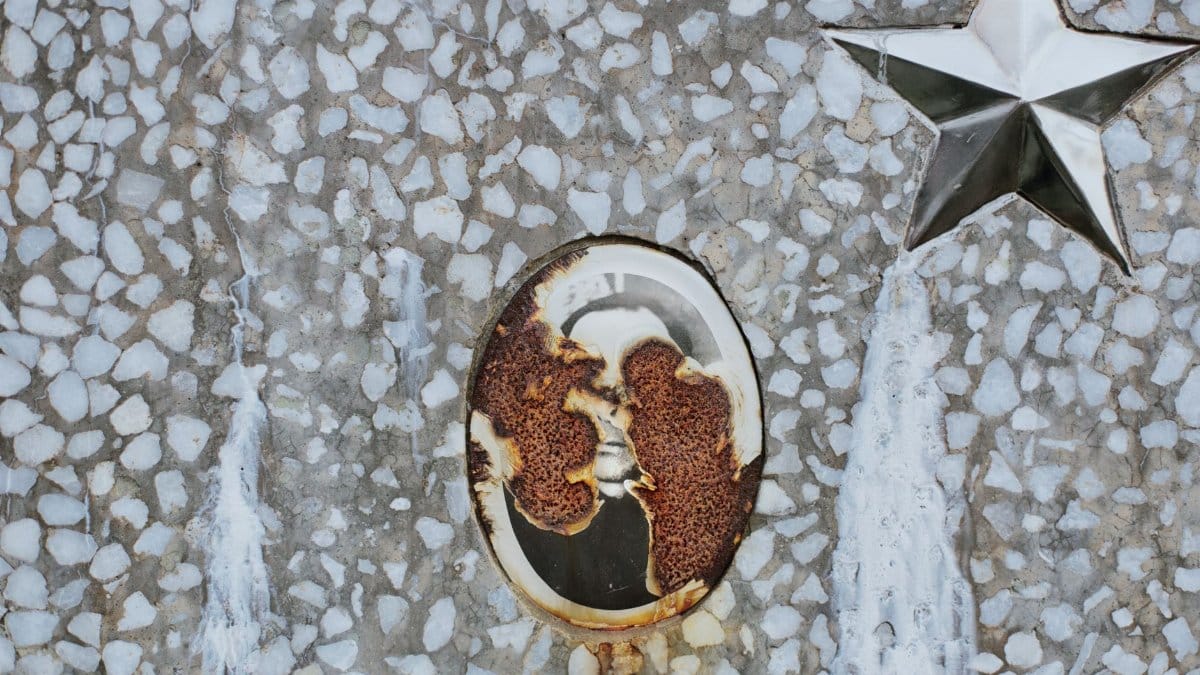
Vertigo ends with a fall and an empty tower. Audiences have argued for decades about what the film believes love can preserve. Novak’s reported wish does not answer the film. It does suggest a different theory of keeping: not the frozen portrait Scottie wants, but a plant that changes and eventually fails. People who love the movie may still want a place in San Francisco to stand. They already have one. The streets around Mission Dolores, the Palace of Fine Arts, the approach to the bridge, function as an unofficial map. None of those sites needs her soil to remain powerful.
If a planting happens, it will belong first to the people she named, not to tourists with screenshots of the carousel. That distinction is worth holding. Celebrity has a way of converting private instructions into public attractions. A Kim Novak tree burial, if it is carried out with the restraint she seems to want, would resist that conversion. Soil in a legal facility. A tree where it can live. No promise that the fog will part for visitors.
The practical path from wish to planting
None of this is urgent in the sense of a deadline. Novak is alive, and wishes of this kind are revised as health, family, and law change. What can be settled now is the paperwork living people control: a disposition directive, a conversation with next of kin, a look at which states license reduction, and a realistic site for a tree that outlasts the first winter. Funeral directors in California and Oregon can already explain which vendors are licensed and which plantings a city will refuse.
The cultural question will outlast the paperwork. A generation that grew up on studio portraits is deciding, in public, that the body might end as compost and shade. Some will find that diminishing. Others will find it the first honest match between a life lived close to animals and land and a death that does not try to imitate marble. San Francisco can hold the memory either way. Whether it can hold the tree is a question for arborists, not for myth.