

A cold wind moved across the plaza as people checked their phones and waited for the first speaker. This was not a gathering about a single highway lane or a fare increase. It was the Twin Cities car-sharing rally, called on a Tuesday night so residents could tell elected leaders that shared cars deserve a place in the next round of public budgets. Parents talked about clinic visits that a missed bus connection can stretch into half a day. Workers on late shifts said a short rental often beats the cost of keeping a second vehicle they have nowhere to store. Organizers treated the request as ordinary infrastructure, closer to a bus shelter than to a luxury phone app. By the time the crowd moved inside, the argument was plain: if the region wants fewer households forced into full car ownership, someone has to pay to keep another option alive.
A crowd with a narrow ask
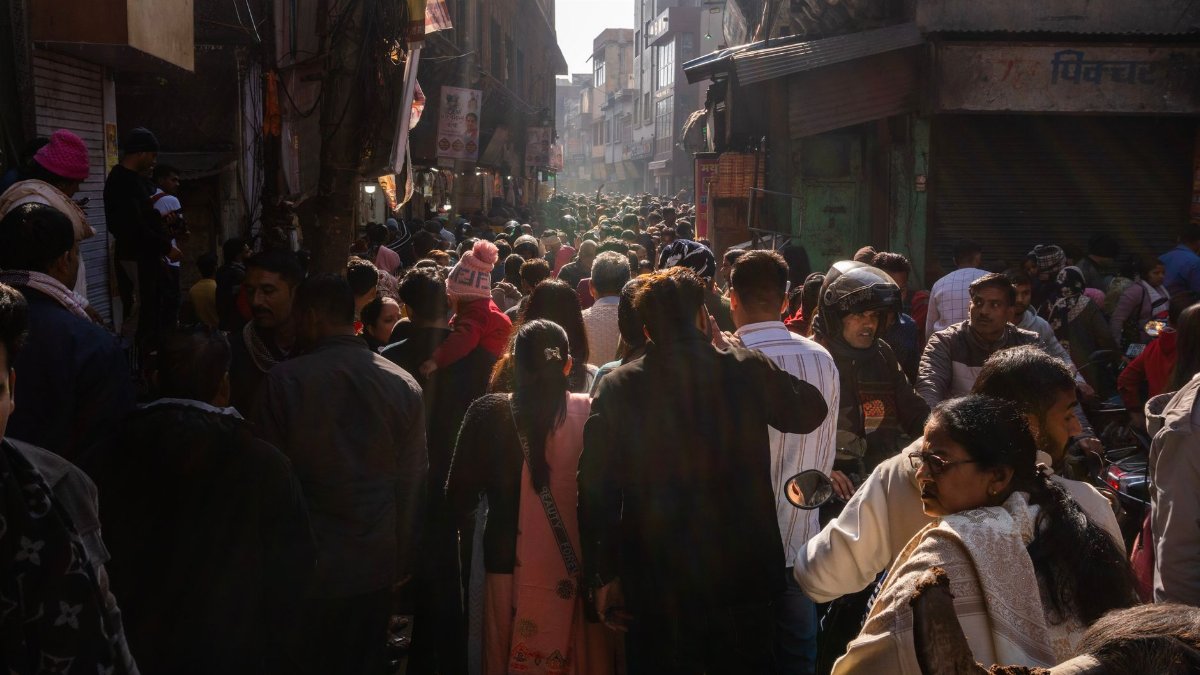
The signs were specific. People wanted a car sharing service supported as a public mobility tool, not left to survive only on member fees and short grants. Speakers returned to one point again and again. A network that vanishes from poorer neighborhoods is not really a network. They asked councils in Minneapolis and St. Paul, along with regional partners, to treat shared vehicles as part of the transit family. That means steadier operating support, charging where electric cars are used, and a promise that vehicles remain available outside downtown. The politics of that promise are harder than any slogan. Operating money competes with housing, road repair, public safety, and the buses already on the schedule. Even so, many in the room cast the request as modest beside the price of widening a freeway that fills up again.
What the money would have to cover

Advocates were clearer about the work than about a single price tag. A car sharing system is not a row of vehicles parked and forgotten. Cars must be insured, cleaned, repaired, and moved back toward the places where the next driver is likely to need them. Electric fleets add charging equipment, software, and the slow work of keeping batteries usable in a Minnesota winter. Staff answer member questions, handle damage, and decide where a thin fleet should sit on a Sunday night. If public dollars arrive, they would mostly buy reliability: enough cars in enough places that a person can plan a trip without guessing. Without that reliability, occasional users drift away, and the service starts to look like a perk for people who already have other options.
Programs already on the street

The Twin Cities are not starting from a blank map. For years, HOURCAR offered reserved vehicles at fixed locations, a model closer to traditional car sharing than to a taxi. Evie Carshare later put electric cars into a home area crossing Minneapolis and St. Paul, with backing from the cities and utility partners, so a driver could end a trip at a different spot from the start. Those experiments matter because they produced real habits, not just renderings. They also produced real bills. Utilization rises and falls with weather, gas prices, transit service, and whether a car is where a member expects it. Supporters at the Twin Cities car-sharing rally argued that abandoning that learning curve would waste years of public effort. Critics counter that a pilot is not a promise of permanent subsidy, and that every renewal deserves a fresh look at ridership and cost.
The trips transit still does not cover
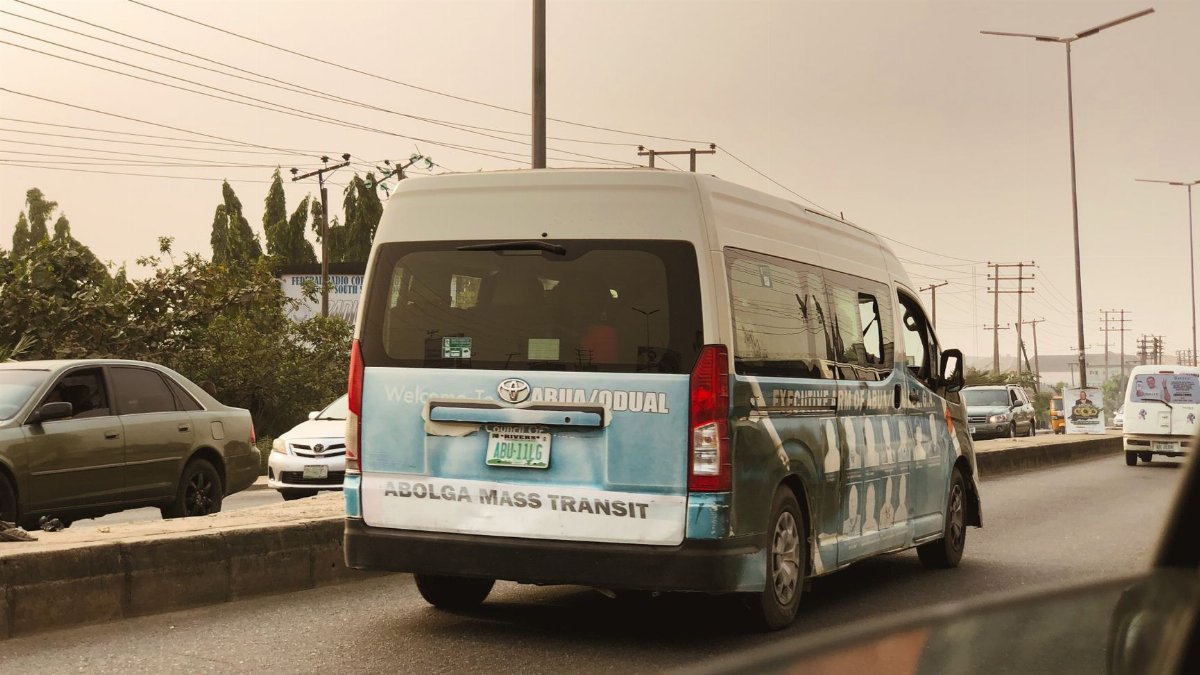
Metro Transit remains the backbone for people moving through the core at busy hours. Shared cars do not replace that backbone, and serious advocates on Tuesday did not pretend otherwise. The harder cases are the errands that do not line up with a frequent route: a grocery run with more bags than a person can carry, a job site in an industrial park, a night shift that ends after the useful buses have thinned out. In those gaps, the choice is often a personal car, a costly ride hailing trip, or staying home. A shared vehicle sits awkwardly between those choices. It asks the rider to plan, to hold a license, and to return the car in decent shape. In exchange it can unlock a kind of mobility that a monthly transit pass alone does not always provide.
Equity is the difficult part of the pitch

The moral claim is easy to state and hard to operate. If car sharing clusters near higher income blocks with easy parking and strong demand, public money will look like a subsidy for people who already move freely. If the fleet is pushed into places with weaker demand, cars sit idle and the books look worse. Organizers at the Twin Cities car-sharing rally pressed leaders to hold both facts at once. They want discounted access for lower income members, placement rules that do not abandon whole neighborhoods, and signup processes that do not require a perfect credit history. Those design choices decide who the service is for. A glossy map of available cars means little to a renter who cannot clear the membership screen or who never sees a vehicle on the block where the appointment actually is.
What local leaders have already wrestled with

City halls in the region have spent years talking about climate targets, parking minimums, and the cost of owning a car in a tight housing market. Car sharing shows up in those conversations because it offers a way to serve some trips without asking every household to store a private vehicle. It also shows up in budget hearings because the benefits are spread out and the costs are concentrated. A council member can point to a bus line and a ridership chart more easily than to a diffuse fleet. People who spoke after the Twin Cities car-sharing rally acknowledged that political reality. They were not asking leaders to discover the idea. They were asking them to decide whether the idea still merits operating support once the novelty has worn off and the invoices remain.
The ordinary errands people described

The stories in the room followed a pattern, even without a single dramatic incident. Someone needed a car for a morning appointment and a bus for the ride home. Someone else wanted a vehicle large enough for a move between apartments but could not justify a loan. A third person described caring for a relative across town and timing every transfer. None of these accounts proves that a public fleet is the best use of the next dollar. They do show why the private car remains the default in so much of American life. Ownership solves irregular trips by keeping a machine ready at the curb. Sharing tries to offer a thinner version of that readiness. When it works, households can shed a car payment, an insurance bill, and a parking search. When it fails, those households absorb the failure one missed appointment at a time.
Climate goals meet a balance sheet
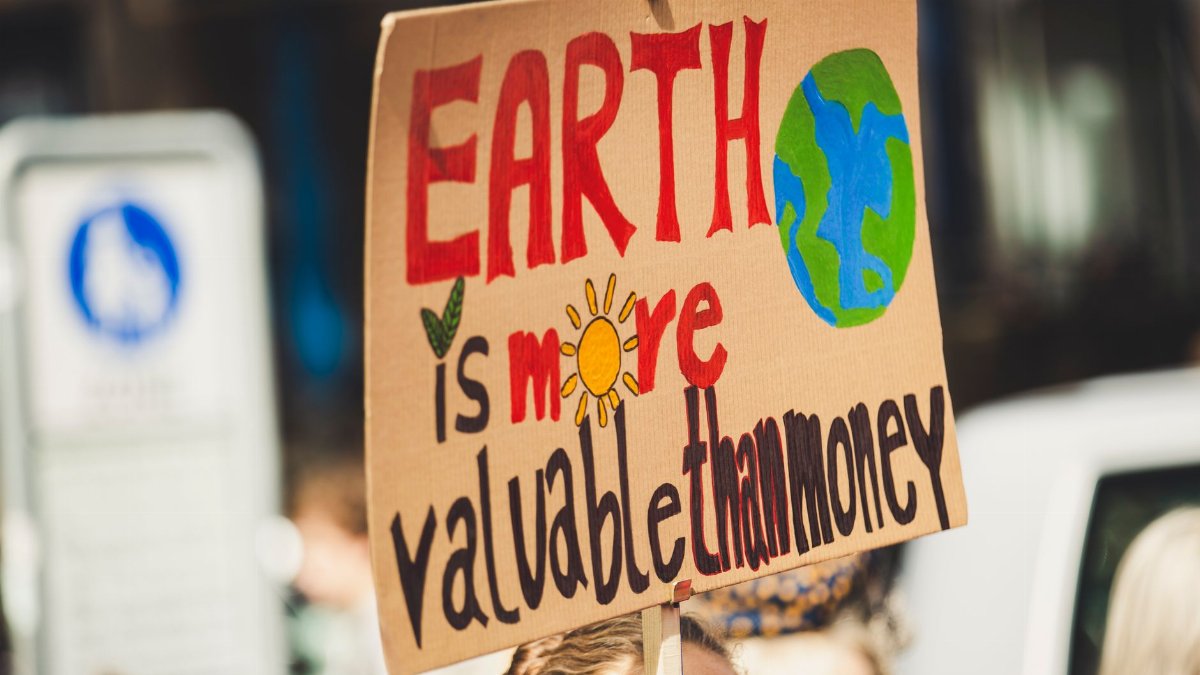
Regional climate plans talk often about cutting driving, especially short trips taken alone. Electric shared cars fit that language, and gasoline models can still reduce the number of vehicles a neighborhood needs if several people use one car instead of each buying their own. The accounting is less tidy than the speeches. A shared car that sits unused does little for emissions. A shared car that replaces transit rather than a private vehicle can even add trips. The honest case is narrower. In places where people would otherwise buy or keep a car for occasional use, a reliable shared option can lower total vehicle miles and free garage space for housing. That case depends on measurement: where members live, which trips they shift, and whether the fleet stays electric as it grows. Without those numbers, climate language becomes decoration on a transportation budget.
The objections that deserve a straight answer

Skeptics in and around local government raise points that a rally cannot erase. Vandalism and theft raise insurance costs. Cars left in the wrong place frustrate both members and neighbors. Public subsidy can prop up a service that private users would not sustain, and it can crowd out bus frequency that serves more people per dollar. Licensing rules exclude residents who need mobility most. Suburban job centers sit outside many home areas, so a city focused fleet will not fix regional access by itself. None of these objections is a reason to mock the people who showed up. They are a reason to write the next proposal with exits, audits, and a clear statement of what success would look like after two winters, not after a launch party. A program that cannot survive those questions should not be sold as inevitable.
Parking, housing, and the curb
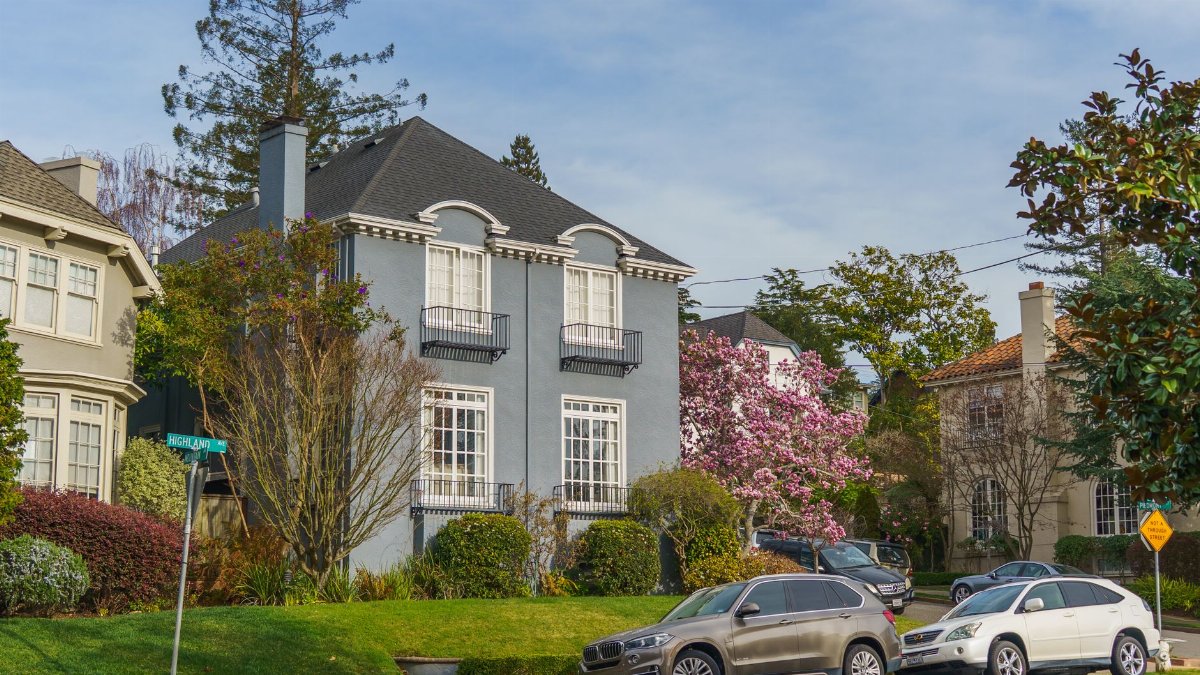
Car sharing also collides with the curb, which cities already treat as contested ground. Delivery vans, buses, ride hailing drivers, and residents with permits all want the same strip of asphalt. A shared fleet needs legal places to stop, especially if electric cars must reach a charger. That is a land use decision as much as a transportation one. Minneapolis and St. Paul have debated how much parking new apartments must include, on the theory that required stalls raise rents and lock in driving. Shared cars are sometimes offered as proof that a building can function with fewer private stalls. The proof holds only if the cars are actually bookable at the hours residents need them. A policy that cuts parking without a working alternative shifts the burden onto people who still have to get to work.
After the speeches, the budget

Tuesday night ended the way these nights often do. The crowd thinned. Staff collected signs. Elected officials, if they were listening, returned to calendars already full of levy talks and capital requests. The Twin Cities car-sharing rally will matter only if it changes a line item, a contract, or a set of placement rules, not if it produces a polite recap. Residents who want the service funded will have to stay for the less photogenic parts: committee hearings, procurement language, and reports that say whether cars are used in the neighborhoods named in the grant. Leaders who are unsure should say so in public and name the evidence they still need. A region can support shared cars, decline to, or support them only inside strict bounds. What it should not do is praise mobility in principle and then let the practical question dissolve between meetings.