

In recent months legal challenges have mounted against the use of specialized software in setting rental rates across the country. In Houston this has led to dozens of area landlords agreeing to terms in a class action suit that accuses them of colluding on prices. The situation highlights growing concerns about fairness in housing costs for middle income families. At the center of this development is the RealPage settlement which could set precedents for how such tools are used in the future.
Understanding the Core Allegations

Property owners stand accused of relying on shared algorithms to align lease prices rather than competing independently. Court filings describe a pattern where data from multiple buildings fed into one system that recommended similar increases. Renters claim this approach reduced natural market variation and kept costs higher than they might have been otherwise. Attorneys for the plaintiffs argue that everyday residents faced fewer choices as a result.
Role of Technology in Rental Markets
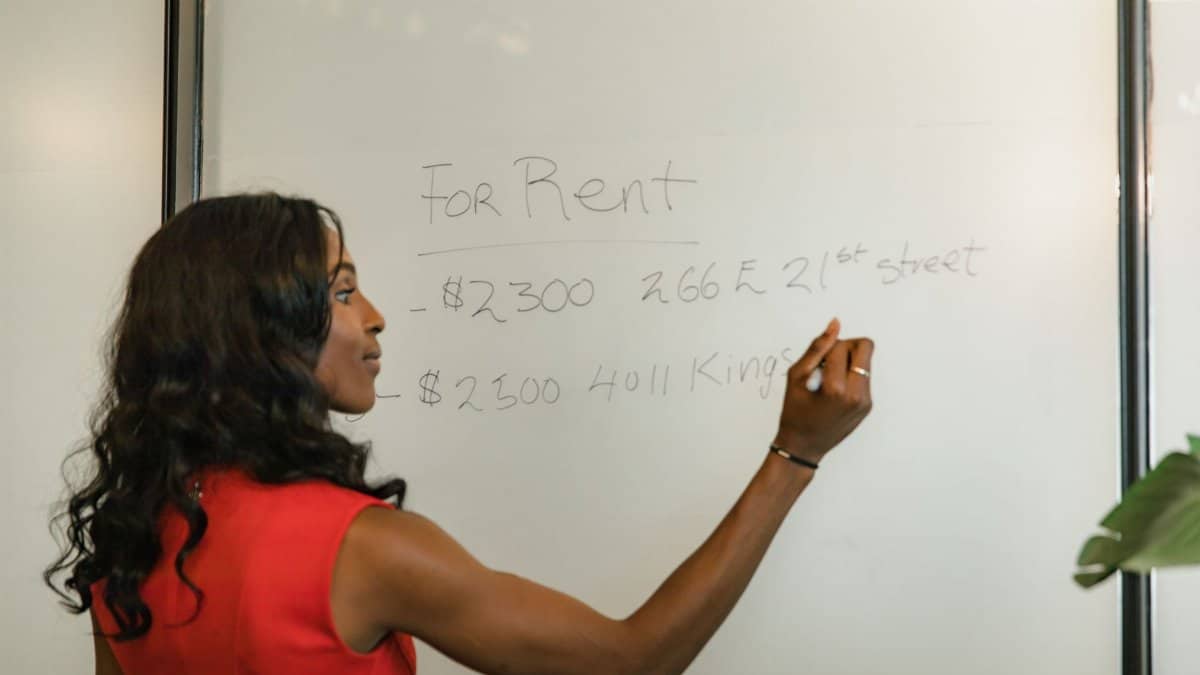
Software platforms now collect details on vacancies and competitor rates from many sources. Managers receive suggestions on what to charge next. While companies describe this as efficiency many observers see risks of coordinated outcomes. The Houston case examines whether such recommendations crossed into improper coordination.
Impact on Local Renters

Families in the Houston area have reported steady rises in monthly costs over several years. Some residents delayed moves or accepted smaller units because options seemed limited. Advocates say the settlement offers a chance for refunds and greater transparency going forward. Local housing groups plan outreach to ensure eligible tenants learn about claims.
Details of the Settlement Agreement

The RealPage settlement calls for payments into a fund that will compensate qualifying renters. Participating owners also agreed to adjust how they use pricing tools in the coming years. The agreement stops short of admitting wrongdoing yet requires new compliance steps. Distribution of funds will follow a claims process outlined in court documents.
Broader Implications for the Industry

Other cities watch the Houston outcome closely as similar suits advance elsewhere. Landlords may face pressure to document independent pricing decisions more carefully. Technology firms could adapt their products to reduce shared data elements. Policymakers in several states have begun reviewing rules around rental software.
Reactions from Property Owners

Many Houston area landlords describe the resolution as a practical step to avoid prolonged litigation. They note that the software helped manage complex portfolios during shifting demand. Some owners plan to retain the tools but with added internal reviews. Industry associations emphasize the value of data while supporting clearer guidelines.
Future Outlook for Housing Policy

Regulators may introduce new requirements for how pricing platforms operate. Lawmakers could consider limits on data sharing among competing owners. Tenant organizations push for routine audits of rental recommendations. The RealPage settlement provides one model for balancing innovation with competition.
Comparisons to Similar Cases Nationwide

Parallel lawsuits in other states examine the same software and its effects on lease terms. Outcomes vary depending on local evidence and court standards. Houston stands out for the number of owners who chose early resolution. Analysts expect further settlements as discovery proceeds in remaining matters.