
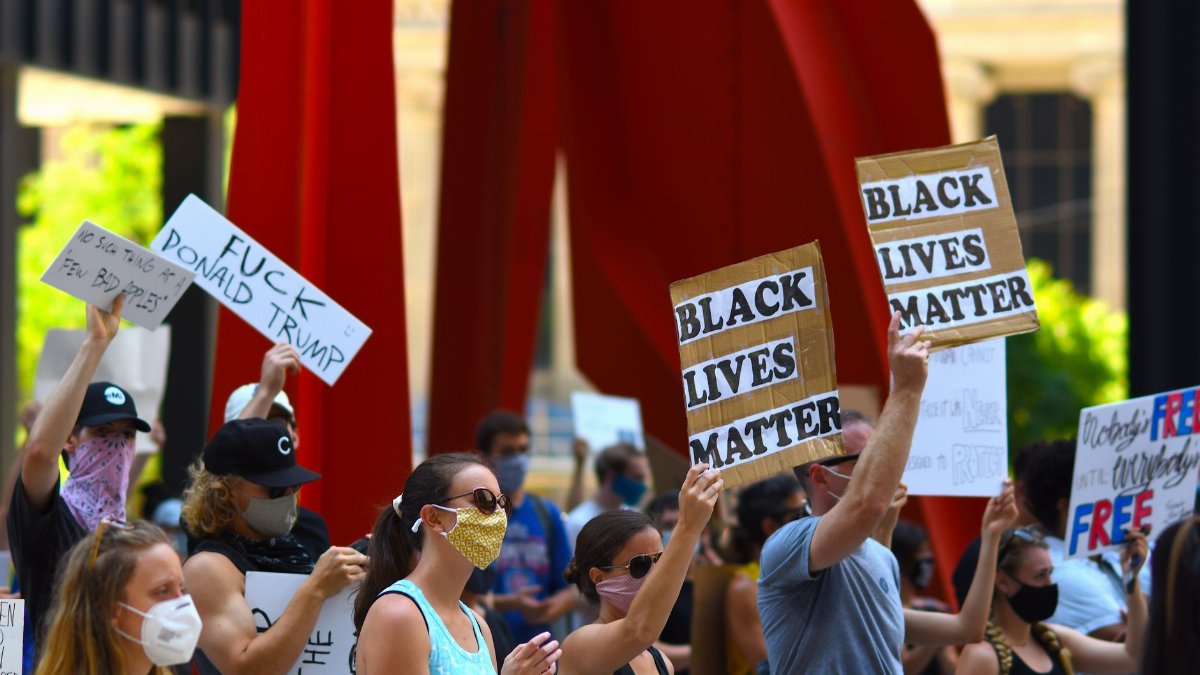
On a gray October morning, the political conversation in diners and church basements sounds less like a rally and more like a sigh. People are not reciting slogans. They are talking about rent, groceries, and a feeling that Washington has stopped listening. That mood is the backdrop for the AP-NORC Trump midterm poll, which finds voters frustrated with Donald Trump and overwhelmingly eager for substantial change in the capital.
A weary electorate names the problem
The finding is blunt. A majority of voters want a different direction, and disapproval of the president is especially sharp on the economy and the cost of living. The Chicago Tribune account of the survey, published at https://www.chicagotribune.com/2026/10/15/donald-trump-midterm-election-ap-norc-poll/, frames the result as a warning for the party in power as midterm campaigns harden. Readers do not need a seminar in sampling to grasp the point. When people say they want change, they usually mean that daily life feels harder than the official story allows.
What a partnership survey can and cannot say
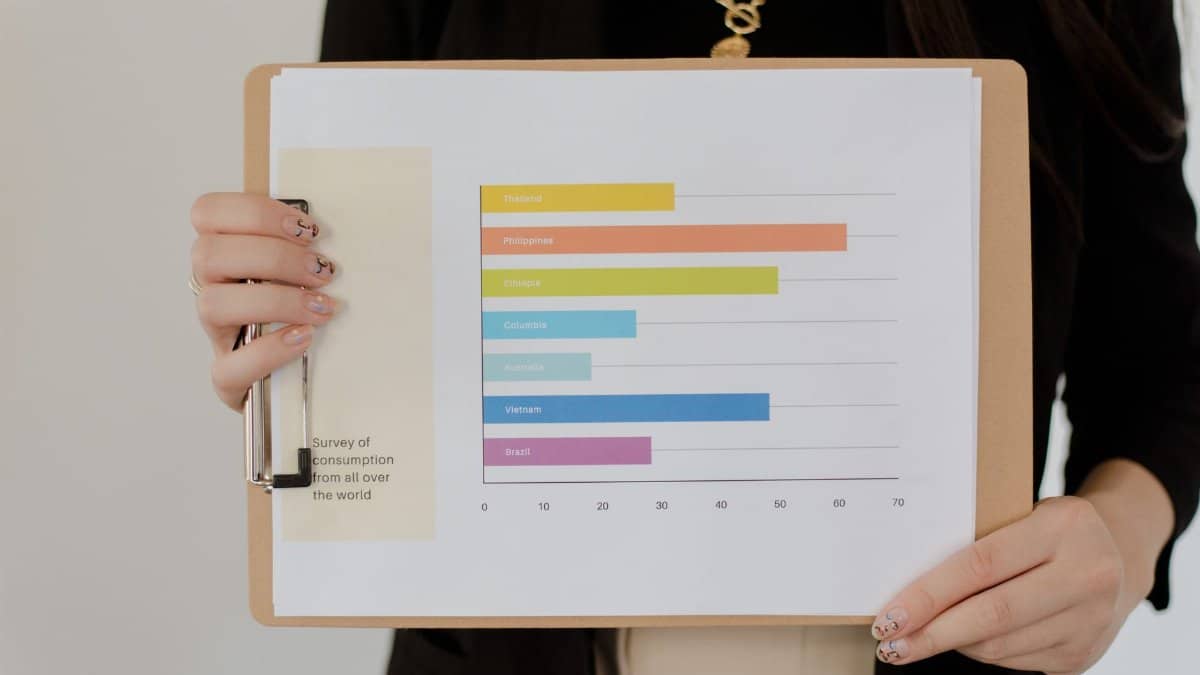
AP NORC surveys are a familiar instrument in American political reporting because they pair a wire service with a university research center and publish a methods statement. The broader archive sits at https://apnorc.org/. A single snapshot cannot predict November. It can show where anxiety is concentrated and which issues are doing the emotional work. In this case the emotional work is being done by prices, wages that do not stretch, and a suspicion that leaders are managing narratives rather than households.
The economy remains the loudest issue
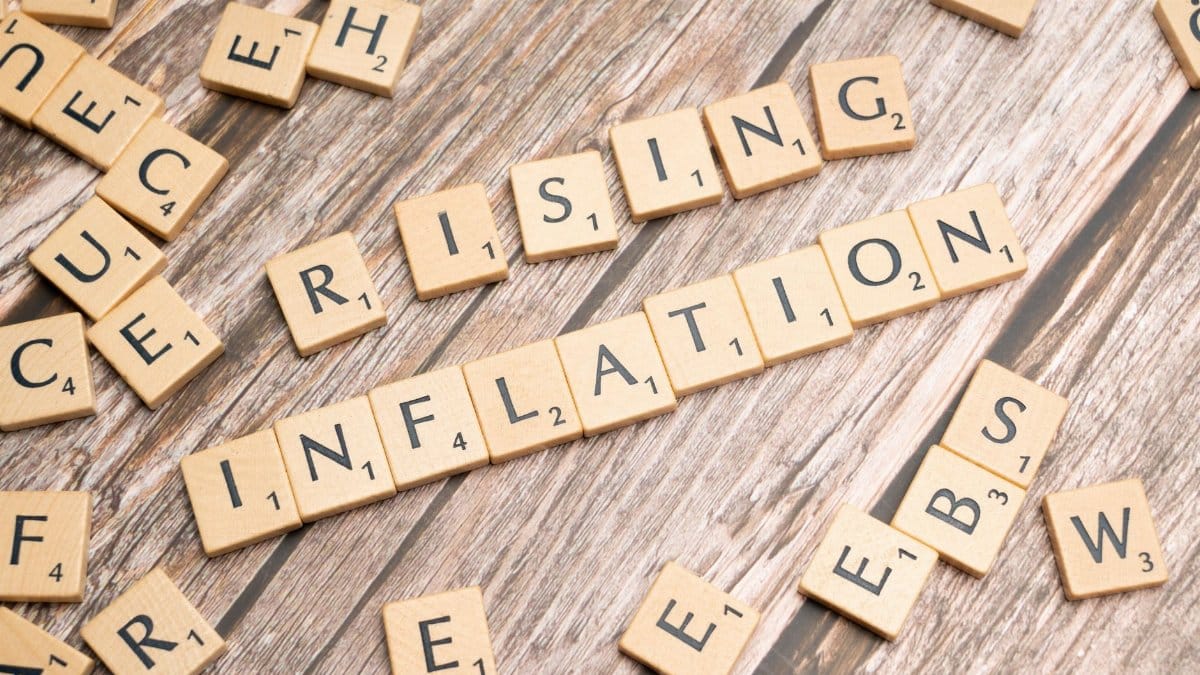
Presidents rarely get to choose the subject of a midterm. Voters choose it for them. Right now the subject is money leaving the checking account faster than it arrives. High disapproval on the economy is not an abstract ideology score. It is a judgment about whether the person in the Oval Office has made ordinary finances more stable. Trump has long argued that his record on growth, trade, and energy should be the measure. The AP-NORC Trump midterm poll suggests many voters are using a narrower measure: what a cart of food costs this week.
Prices at the table and at the pump
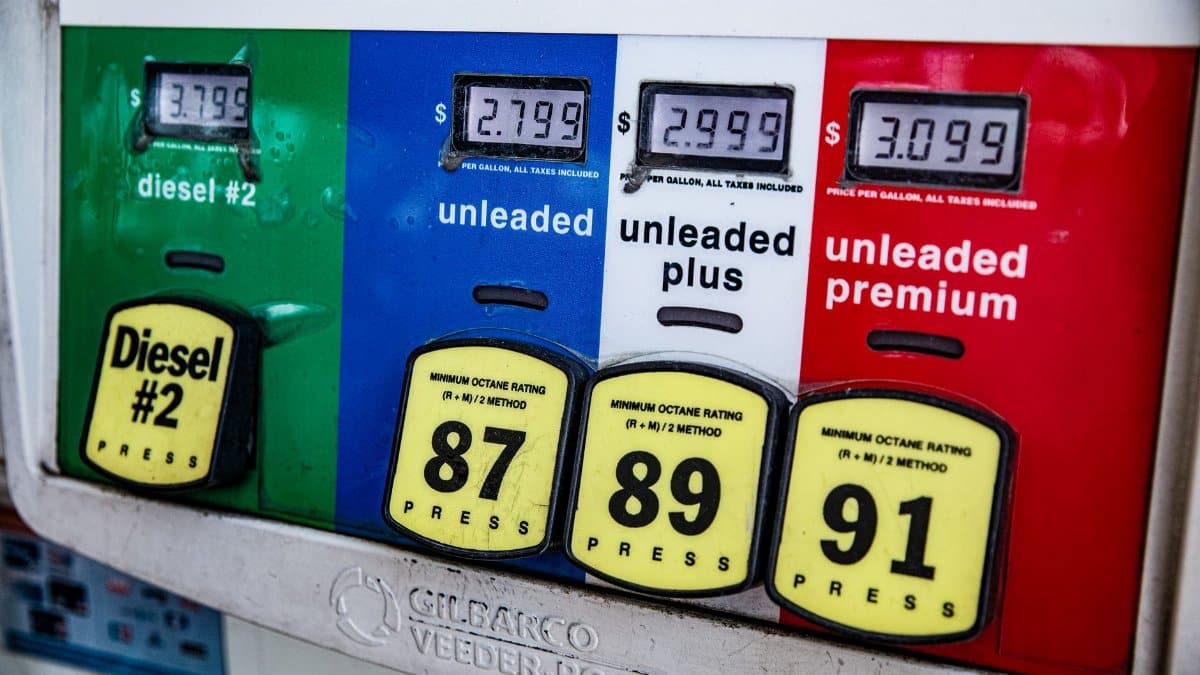
Cost is a moral category as well as an economic one. A family that skips a prescription or delays a repair does not experience inflation as a chart. They experience it as a series of small humiliations. Political scientists have spent decades showing that pocketbook judgments shape turnout and party choice. Spiritual leaders notice the same pattern in a different language. When people cannot plan a month ahead, trust thins. A politics that treats that thinning as mere messaging has already lost the argument.
Independents ask for a reset
The demand for substantial change is most politically dangerous among voters who do not wear a team jersey. Independents and soft partisans decide close House races. If they hear change as a call to fire incumbents rather than as a call to refine policy, mapmakers and campaign treasurers will feel it. The survey does not hand either party a script. It hands them a constraint. Candidates who sound satisfied will sound out of time.
Republicans balance loyalty and results
Trump remains the central figure in Republican politics, and loyalty to him is still a powerful organizing force. Loyalty is not the same as satisfaction. Voters who backed him can still say the country needs a jolt in Congress, in agencies, or in the tone of governing. That is an old pattern. Supporters often separate the person they admire from the system they resent. The risk for Republican candidates is that resentment, once loose, does not always stop at the other party. It can punish anyone who looks entrenched.
Democrats face an opening with a catch

For Democrats, a frustrated public is an opportunity and a trap. Opposition parties gain when the president is unpopular on costs. They lose the gain if voters decide that both sides are custodians of the same stalemate. Wanting change in Washington is not the same as wanting a Democratic checklist. It can mean wanting competence, quieter government, or simply a Congress that passes fewer symbolic fights and more practical relief. Campaigns that treat the poll as a coronation will misread it.
Congress is where voters aim the frustration
Midterms are structurally a verdict on the president and operationally a set of local choices about the House and Senate. That double nature matters. A national mood can lift or sink dozens of incumbents who never set fiscal policy. Voters who say they want substantial change are often pointing at the institution down the street from the White House, the one that seems addicted to brinkmanship. The AP-NORC Trump midterm poll lands in a season when many Americans already describe Congress as distant from work, caregiving, and the cost of staying housed.
History favors the out party until it does not

American midterms often punish the president party. The pattern is strong enough that strategists treat it as weather. It is not fate. Exceptional mobilization, a divided opposition, or a late economic shift can narrow losses. What history does teach is that late excuses rarely move people who have already decided that prices define the presidency. If disapproval on the economy stays high, Republican defenders will need local trust that national numbers cannot supply. Democratic challengers will need proof that they would govern differently, not only complain more fluently.
A spiritual reading of civic fatigue
This newsroom category asks for trends in spirit as well as in polls, and the fit is less strange than it sounds. Political despair is a kind of faith crisis. People still believe the country should be fair. They doubt the stewards. I have sat through enough community meetings to recognize the tone: not rage first, but exhaustion, then a hard question about whether participation matters. Congregations, mosques, and neighborhood groups become places where that question gets answered in practice, through food pantries and rides to work, long before it gets answered on a ballot.
Change is a word that hides several demands
Substantial change can mean a new majority, a new agenda, or a new manners. Some voters want lower prices and will tolerate harsh politics to get them. Others want lower prices and a less cruel public square. Still others want institutional repair: clearer ethics rules, less performative shutdown politics, more attention to housing supply and health costs. A poll can show the size of the appetite. It cannot rank those meanings. Reporters and pastors make the same mistake if they collapse them into one slogan.
How to read the numbers without worshiping them
Surveys are portraits with soft edges. Wording, timing, and who picks up the phone all shape the face. A majority for change is meaningful. It is not a precinct count. The honest use of the AP-NORC Trump midterm poll is comparative and humble. It tells campaigns where persuasion is failing. It tells citizens that their private irritation is widely shared. It does not tell a single district whom to elect. Anyone quoting a precise subgroup without the crosstabs in hand is decorating a hunch.
The White House argument meets the grocery receipt
Every modern White House answers bad economic polls with a list of achievements and a claim that the public will catch up. Sometimes the public does catch up. Sometimes the list is real and still beside the point, because voters are grading pain rather than programs. Trump allies will say critics ignore investment, energy policy, or global instability. Critics will say none of that lowers the bill. Both claims can contain facts. The political fact is simpler. If people feel poorer, they vote like people who feel poorer.
What organizers will do with the mood

Parties do not leave a finding like this on the table. Republican committees will try to localize blame and nationalize cultural fights that still energize the base. Democratic committees will try to keep every ad on costs, corruption, and chaos. Outside groups will test whether change means generational turnover or policy turnover. Churches and civic clubs, meanwhile, will keep doing the unglamorous work of holding communities together while the ads shout. That split, between spectacle and care, is the spiritual trend underneath the horse race.
November will sort the sigh from the vote
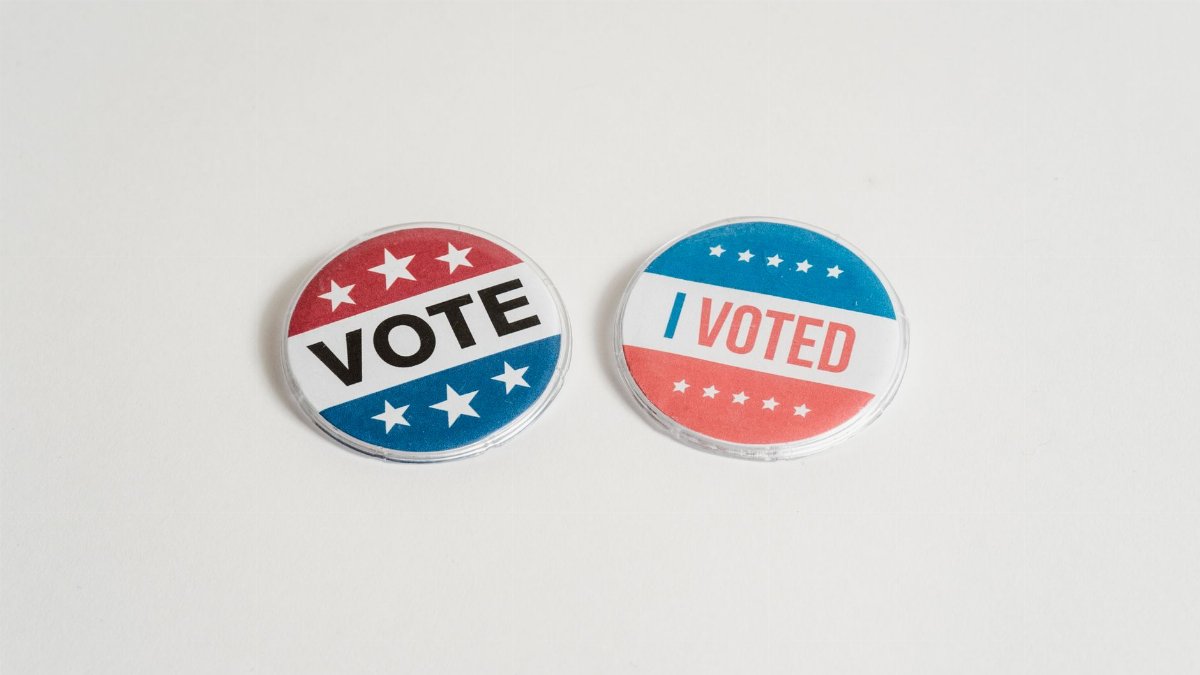
Frustration is not turnout. Some of the voters who tell pollsters they want Washington transformed will stay home. Others will split tickets in ways that surprise both war rooms. The durable lesson from this round of opinion research is still worth keeping. A public that wants substantial change, and that withholds approval on the economy and on costs, is not a public waiting to be soothed by familiarity. The AP-NORC Trump midterm poll is less a prophecy than a mirror. It shows a country asking its leaders, in plainer language than any slogan, to make ordinary life more possible.