
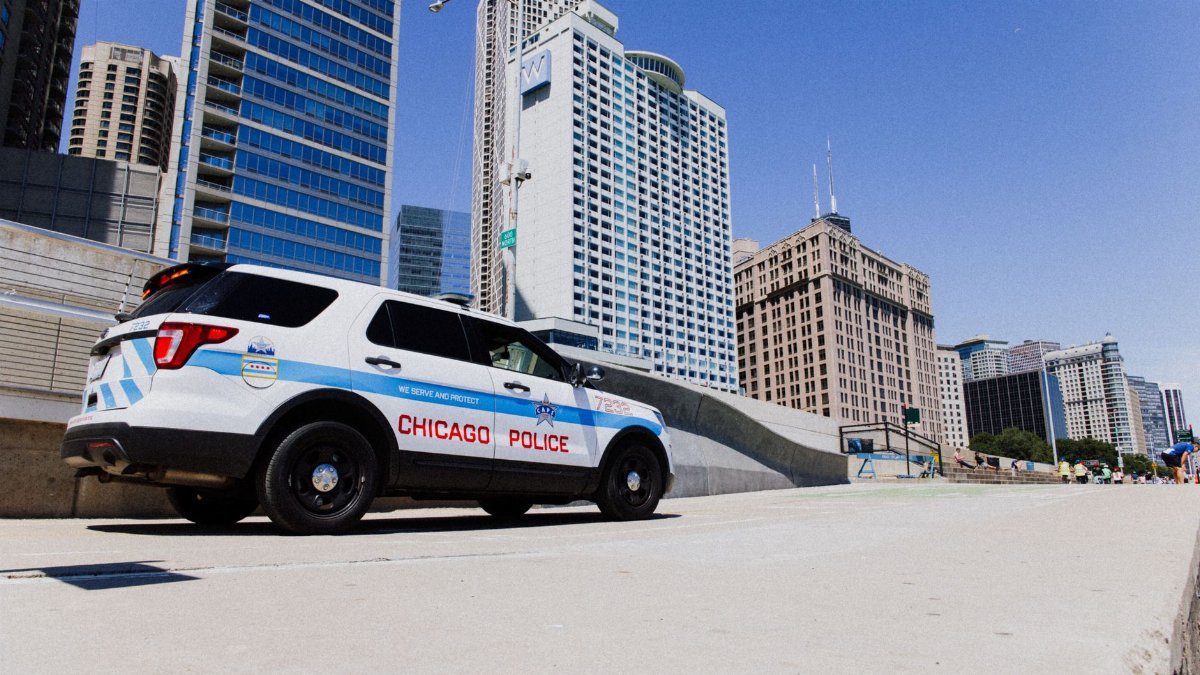
From the sidewalk the tower still looks composed, a dark glass column among the older stone blocks of the central business district. Inside, the story is less tidy. More than two weeks after the first alarms, fans still hum in corridors and crews still peel back soaked finishes on floors that had been quiet for months. Police say they do not believe a city main failed. They suspect people who had no right to be there left water running long enough to travel through ceilings and into space below. What residents now call Minneapolis downtown tower water damage has become a test of how a signature building fails when its empty rooms are treated as a playground.
A lobby that still smells like a basement
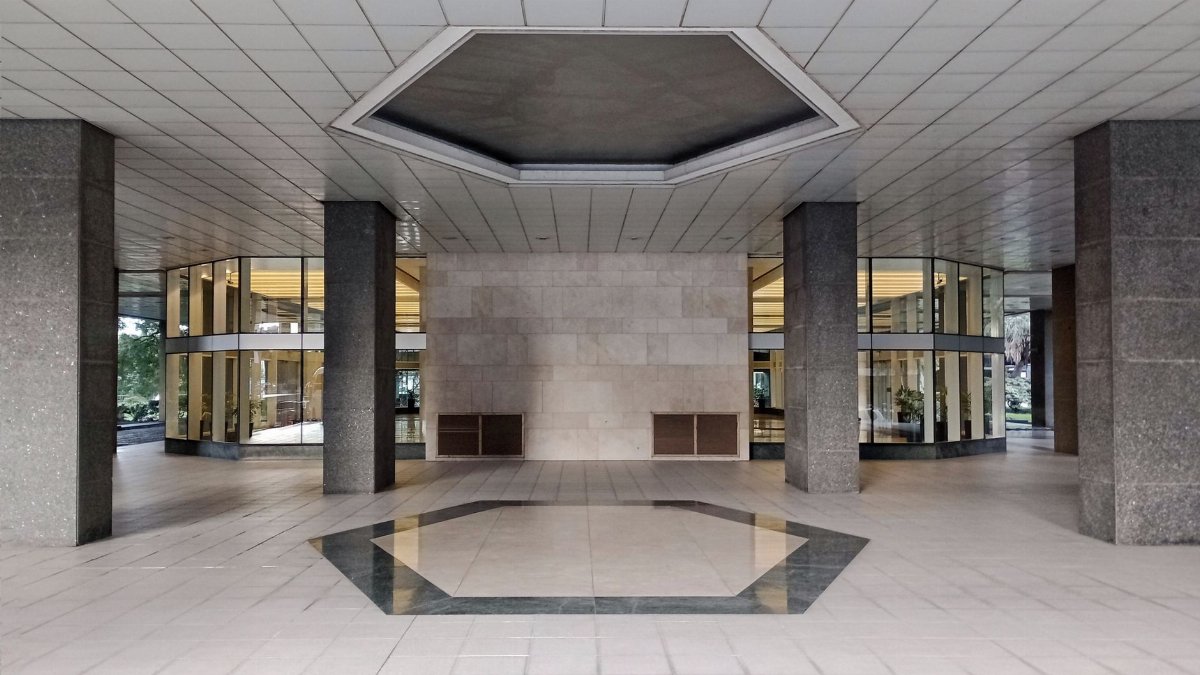
Visitors notice the odor before they notice the caution tape. It is not sewage and it is not smoke. It is the dull, sweet smell of paper, carpet pad, and gypsum that stayed wet too long. Security staff at the desk answer the same questions all morning. Yes, the elevators to the lower office floors are running. No, the upper vacant stack is not open. Yes, the water has been shut off on the affected riser. People who work in the building have learned to take the long way around a service corridor where dehumidifiers crowd the wall.
The disruption is smaller than a fire and larger than a leaky sink. Meetings move. A coffee shop near the lobby shortened its hours because foot traffic dropped. A law office on a dry floor still fields calls from clients who saw a television truck and assumed the whole tower was closed. Perception, in a downtown that has spent years asking workers to come back, travels faster than any restoration crew.
What investigators are looking at
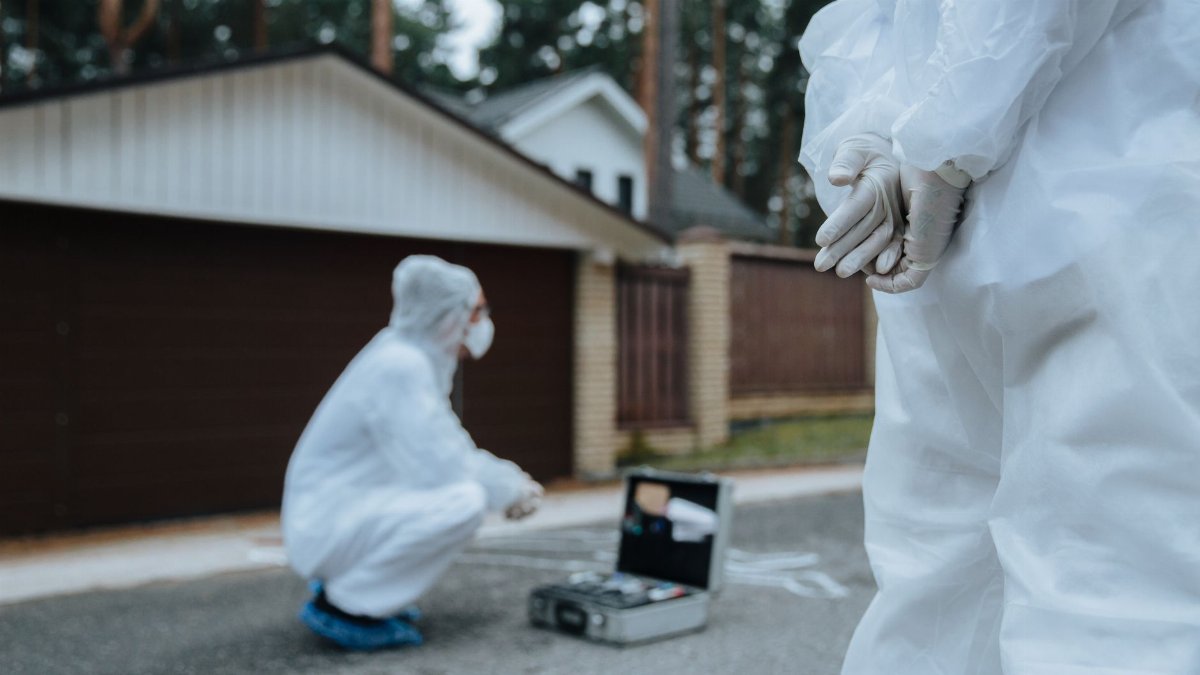
Police have described the case in plain terms. They believe trespassers entered vacant upper space, the kind of floors landlords sometimes leave dark between tenants, and that a fixture or valve was left open. Urban exploration, the hobby of entering abandoned or off limits places for photographs and thrill, is the working theory. Officers have not publicly named suspects. They have asked building staff and nearby cameras to help reconstruct who came and went after business hours.
That theory fits a pattern property managers already complain about. Empty floors are not empty of interest. A skyline view, a stairwell with a lock that sticks, a freight elevator that someone props, all of it draws people who tell themselves they are only looking. Looking does not turn a valve. Leaving it open does. Water does not need a motive. It needs gravity and time.
How a small stream becomes a building problem
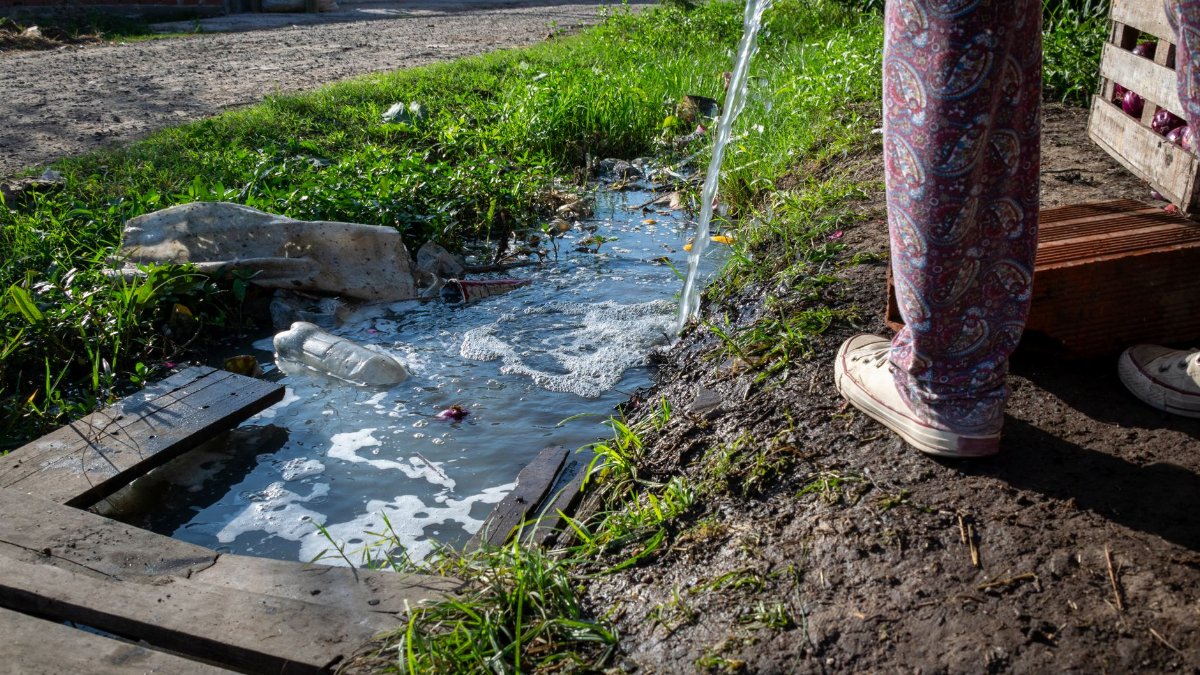
In a house, a forgotten tap ruins a kitchen. In a tower, the same mistake has a longer path. Water follows pipe chases, slips along the underside of concrete, and finds the gaps where one trade stopped and another began. It can travel sideways before it travels down. By the time a ceiling tile sags in an occupied suite, the source may be several floors above and hours old.
Engineers who work on tall buildings describe the sequence without drama. A continuous flow overwhelms floor drains that were sized for a mop bucket, not a night of unchecked discharge. Alarms may not sound if the device is a restroom valve rather than a sprinkler head. Sensors on a vacant floor are only useful if someone is paid to watch them. Minneapolis downtown tower water damage of this kind is less a mystery of physics than a failure of attention: a dark floor, a weak lock, and no one walking the stack until morning.
The long quiet of unused floors
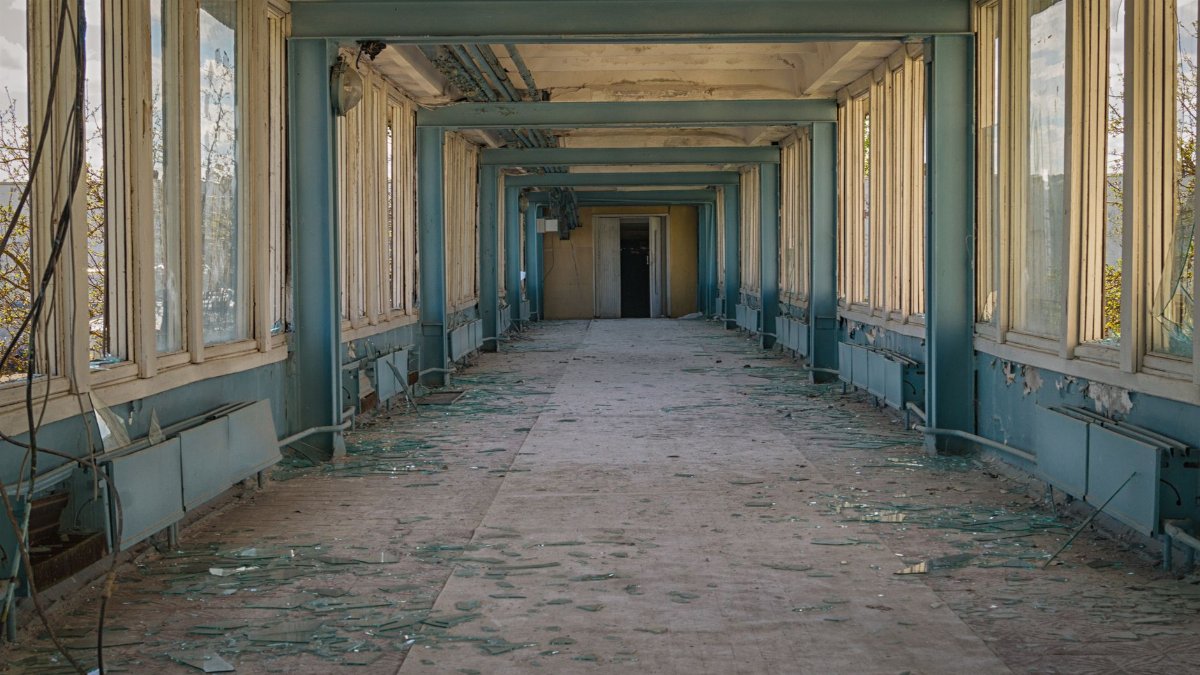
Downtown towers were built for a workday that filled every elevator bank. Some of those floors never fully returned. Leases ended. Furniture left. The lights stayed on a timer, or they did not. Owners still heat and cool the stack because shutting a zone completely can create other problems, from frozen lines to stale air that tenants below can smell. The result is a strange middle state: not abandoned, not alive.
That middle state is exactly what draws explorers. Online posts, shared in private groups more often than on the open web, treat a vacant floor like a public lookout. The people who post rarely stay for the invoice. They are gone before the first ceiling fails. The people who remain are the night engineer, the restoration contractor, and the tenant whose conference table is now in a hallway.
Tenants counting ceiling tiles

For the firms still in the building, the practical questions are narrow. Which suites are safe? When will the smell leave the elevator lobby? Who pays for a week of remote work that was not in the plan? Managers have walked clients through dry space to show that the damage is vertical, not total. Some employees have been told to keep laptops at home until inspectors sign off on a particular bay.
None of that is catastrophic in the way a structural failure would be. It is still expensive in the small ways that wear people down. A missed filing deadline. A receptionist explaining, again, that the building is open. A partner who decides the next lease will be in a lower building with fewer empty floors above her head. Downtown does not lose a company in one afternoon. It loses them in a series of small, reasonable choices.
Restoration that refuses to hurry
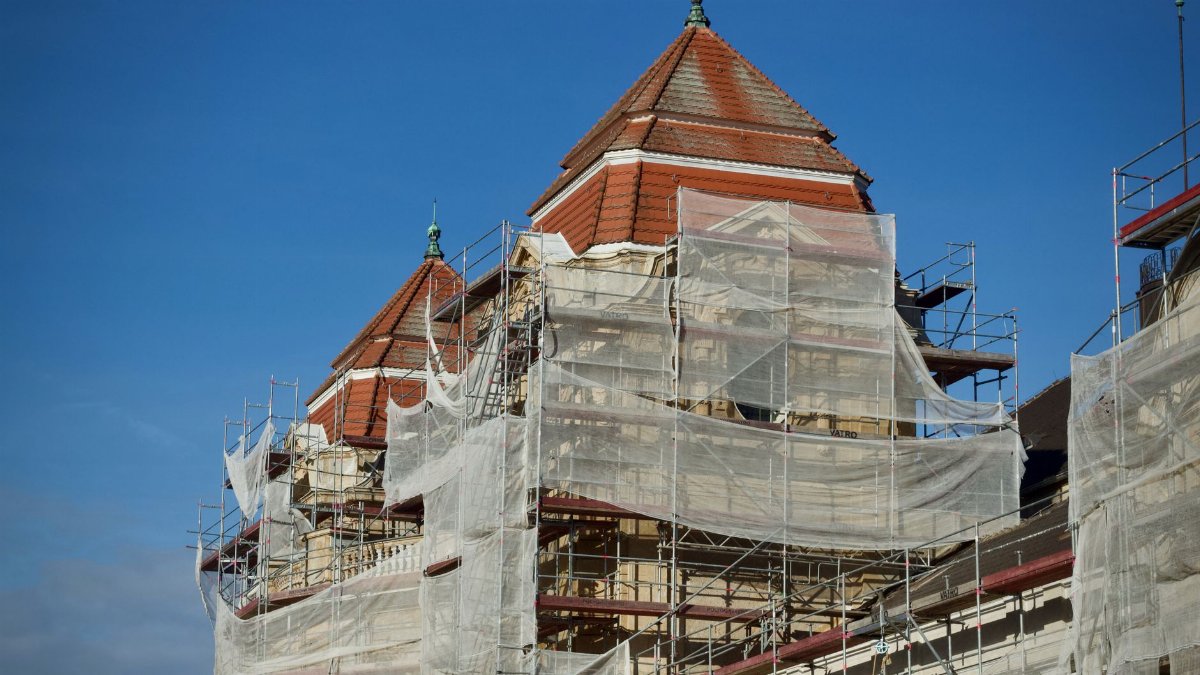
Drying a tower is not a matter of mops and fans for an afternoon. Contractors map moisture in walls, pull baseboard, and sometimes open shafts that were never meant to be opened twice. Insurance adjusters want photographs before anything is thrown away. Electricians test circuits that shared a wet chase. If mold is a concern, industrial hygienists set the pace, and the pace is slow on purpose.
More than two weeks in, the visible drama is over and the tedious part remains. That is when public interest fades and the bill keeps growing. Owners who have been through this before say the second week is when you learn whether the leak was a single event or a path that wet insulation in places no one thought to check. Minneapolis downtown tower water damage will be measured less by the first night of standing water than by how many hidden cavities stayed damp.
Trespass is not a photography hobby
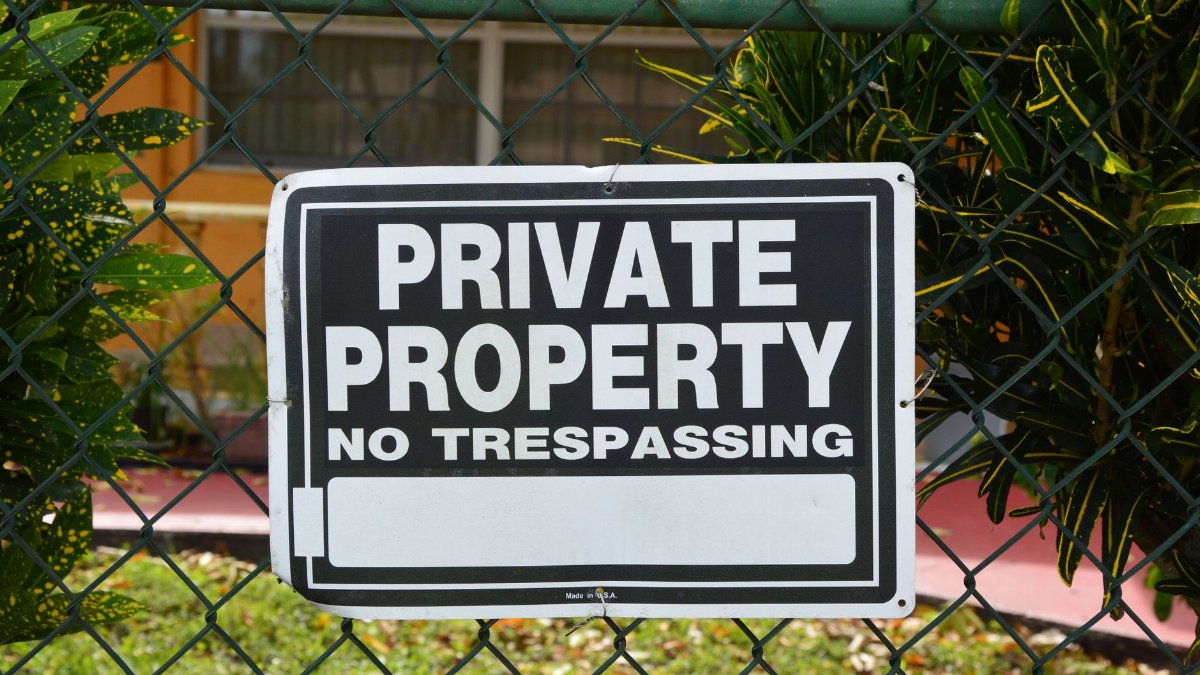
Urban exploration has a romantic vocabulary. Rooftops, ruins, the feeling of a city after the lights go down. The law uses other words. Entering a secured building without permission is trespass. Damaging property, even by carelessness, can become a more serious charge. Leaving water running is not a prank the building can shrug off. It is a chain of harm that reaches people who never agreed to be part of the picture.
Police in large cities have said for years that the hobby is not victimless. A fall in a dark stairwell injures the explorer and ties up firefighters. A disabled alarm puts everyone else at risk. A valve left open does both, quietly, while the person who turned it is already on a bus home. The fascination is understandable. The permission is not optional. A skyline does not belong to whoever can find a loose door.
Cameras, locks, and the limits of hardware

Owners are already talking about what they will change. Stronger cores on stair doors. Alarms that actually call a person. More frequent walks of vacant floors, including weekends. Lighting that does not advertise an empty stack to the street. None of those steps is glamorous, and none is free. A camera that no one monitors is a recording of a loss, not a prevention of one.
There is a limit to what hardware can do. A determined person can still defeat a tired lock. The more useful change may be cultural: treating vacant space as occupied space for the purpose of security, even when the rent roll says otherwise. Buildings that look asleep are buildings that get tested. The test, this time, was a faucet.
Insurance desks and unanswered phones
Somewhere a claim file is getting thicker. Water losses are among the most common commercial claims, and they are also among the most argued. Was the entry forcible? Did the owner maintain reasonable security? Did a tenant on a lower floor contribute by stacking files against a wall that then wicked moisture? Those questions do not make headlines. They decide who writes the check.
Public agencies have a narrower role. If the water never left the building and never entered a city sewer in a way that created a street hazard, the municipal piece may be small. The private piece is not. Lawyers will look at leases, at waiver clauses, at whether the landlord warned tenants that upper floors were dark. Minneapolis downtown tower water damage will live for months in emails that most readers will never see.
A downtown that cannot afford careless nights
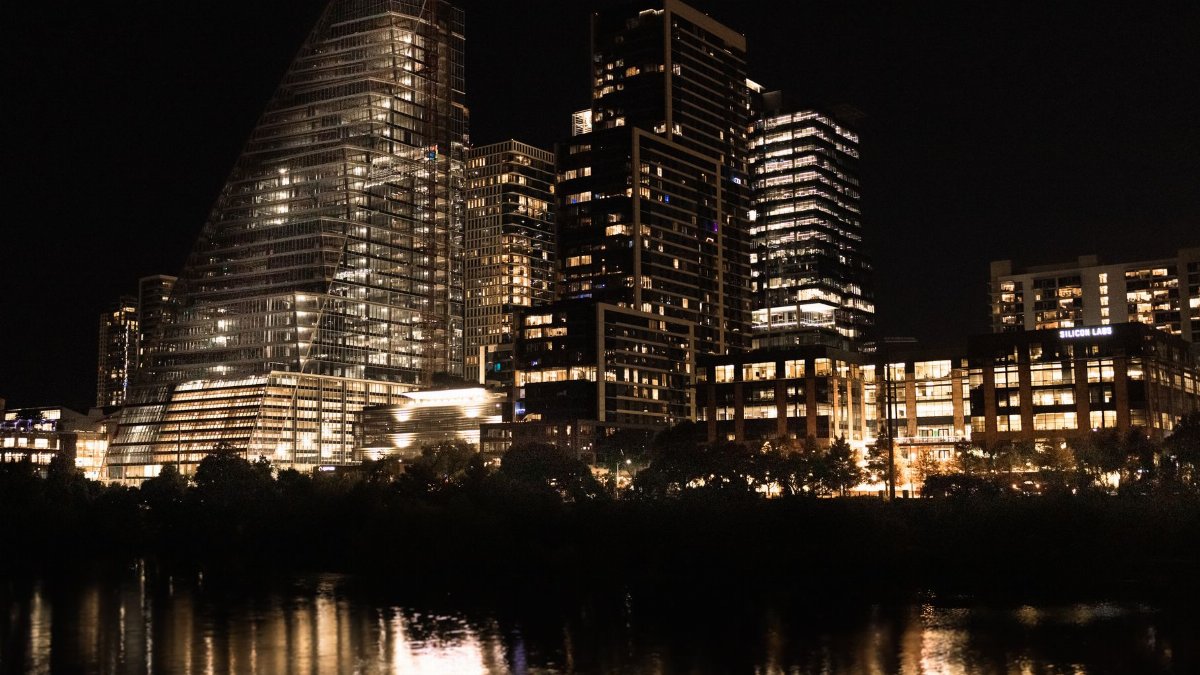
The city has spent real political energy asking people to trust the core again. Transit, street festivals, new restaurants, converted offices: all of it depends on the feeling that the towers are looked after. A waterlogged high rise does not cancel that work. It does remind people that the skyline is a set of machines, not a postcard. Machines need staff, and staff need authority to keep strangers out of the parts that are not on the tour.
Residents who live nearby have their own stake. A tower that floods internally can still affect garage exhaust, loading docks, and the sidewalks where pumps discharge. So far the street has been spared the worst. That luck should not be mistaken for a plan. The next incident may not stay inside the curtain wall.
What the next two weeks will show

Cleanup will continue. Inspectors will keep marking walls. Police will keep asking for video. If a suspect is identified, the case will move from a building story to a court story, and the romance of exploration will look thinner under fluorescent lights. If no one is identified, owners will still pay, and the lesson will be the same: an empty floor is not a neutral floor.
For now the tower stands as it did before the call, glass and steel against a wide sky. The difference is on the inside, where drywall dust mixes with the last of the damp and workers argue quietly about whether a chase is finished. Minneapolis downtown tower water damage is a local mess with a simple moral. Curiosity does not come with a key. Water does not care who turned the handle. The people who inherit the damage are almost never the people who came to look.