
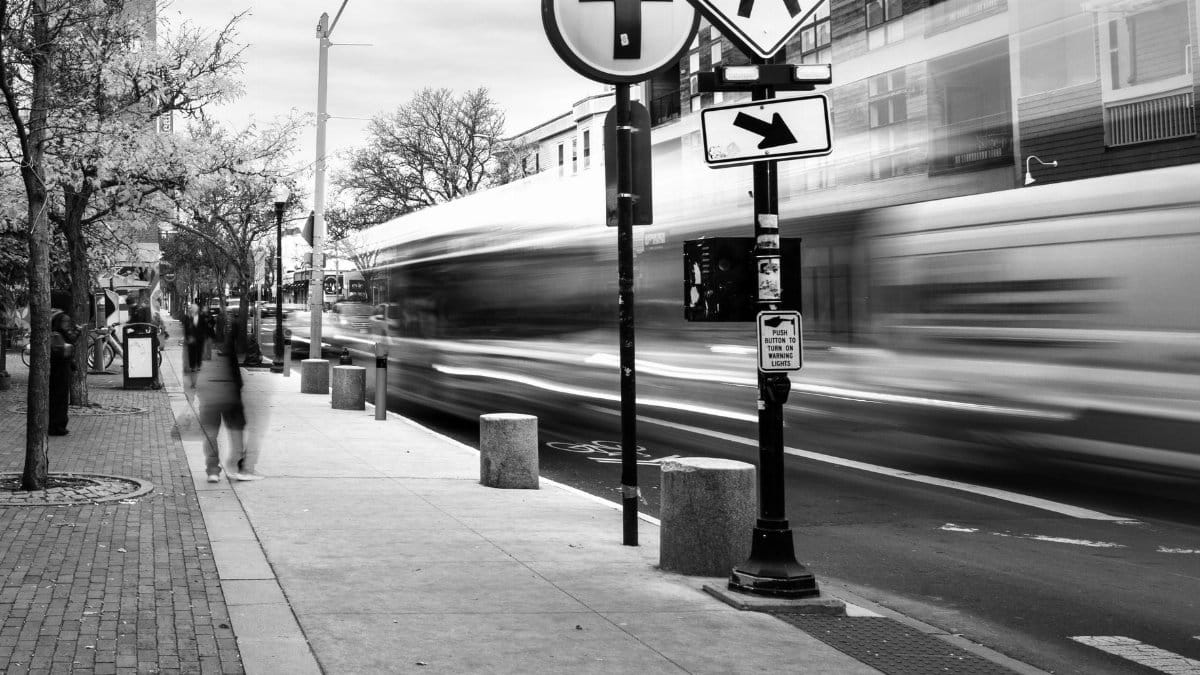
In the heart of New England where narrow streets meet dense housing a quiet transformation has unfolded over recent years. Somerville has recorded no traffic deaths across a sustained period that now stretches four years long. This outcome reflects careful planning rather than chance with Somerville traffic safety emerging as a model for other communities facing similar pressures from growth and movement.
Urban Density Shapes New Priorities

Somerville stands as the most crowded city in the region with thousands of residents sharing limited road space each day. Officials responded by rethinking how vehicles interact with people on foot and on bikes. Changes focused on slowing speeds and creating clearer paths that reduce conflict points at intersections.
Policy Shifts Back Community Goals

Local leaders passed rules that lowered speed limits in residential areas and required new developments to account for pedestrian needs first. These steps built on earlier efforts to expand public transit access. The approach treats movement as a shared resource rather than a contest for space.
Infrastructure Changes Yield Visible Results
Protected lanes for cyclists now line several main corridors while raised crosswalks alert drivers to yield. Roundabouts replaced some signalized spots to ease flow without encouraging acceleration. Data from city monitors shows average speeds dropped in targeted zones after installation.
Enforcement Pairs With Education Efforts

Police shifted focus toward high risk behaviors such as speeding near schools rather than broad patrols. At the same time schools and neighborhood groups ran sessions on safe crossing habits. Residents report greater awareness during peak hours when commuting overlaps with family routines.
Data Guides Ongoing Adjustments

Regular reviews of collision reports allow quick tweaks to signage or barriers. Analysts track patterns by time of day and weather to predict trouble spots before incidents occur. This feedback loop keeps resources directed where they matter most for Somerville traffic safety.
Businesses Adapt to Slower Streets
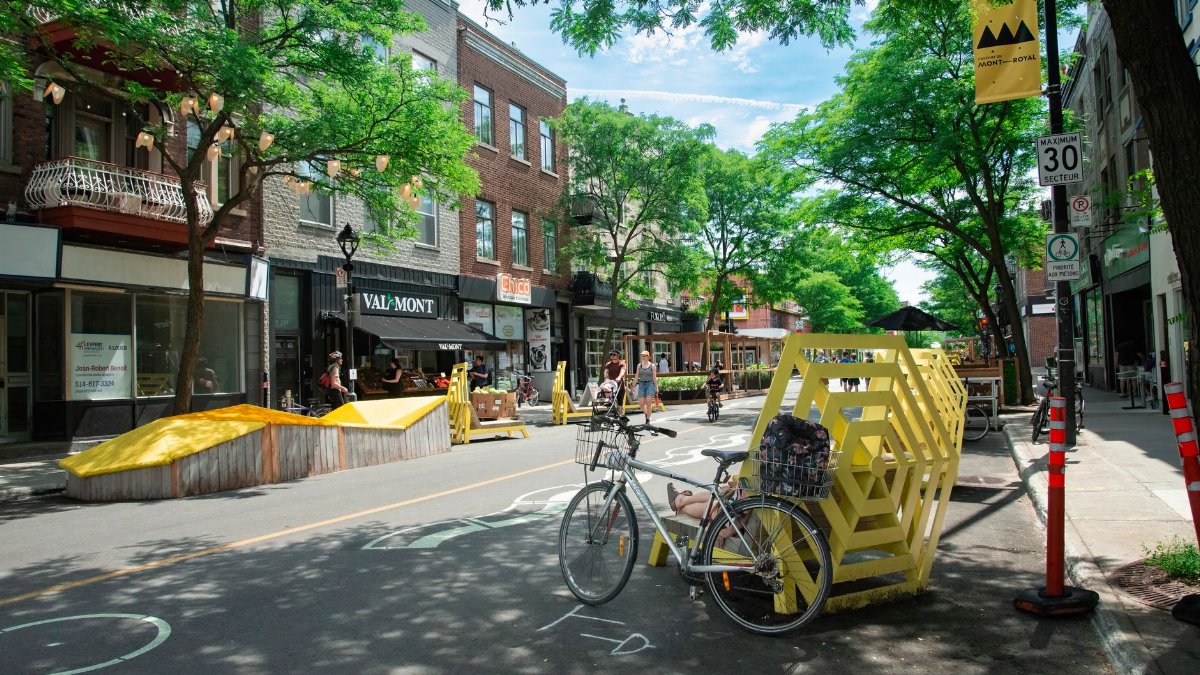
Shop owners along updated routes note steadier foot traffic as people feel more at ease walking. Delivery schedules adjusted to avoid rush periods reducing truck presence during school releases. Economic activity held steady even as vehicle throughput changed.
Regional Lessons Emerge From Local Wins

Neighboring towns have studied the Somerville example when planning their own upgrades. State agencies now reference the record in grant applications for similar work elsewhere. The four year span without deaths provides concrete proof that coordinated action produces lasting gains.
Future Steps Build On Current Gains

Plans call for further expansion of separated paths and better lighting in underused areas. Partnerships with universities test new materials for pavement markings that hold up longer. Continued attention ensures the progress in Somerville traffic safety does not stall as population grows.
Public Input Strengthens Outcomes

Regular forums let residents voice concerns about specific corners or routes. Feedback led to added bollards and timing changes that addressed real daily experiences. This involvement fosters ownership and keeps measures practical rather than theoretical.