

On a gray October morning in the Chicago suburbs, a short campaign video began to move among people who still take politics in small doses, between school drop off and the grocery line. The speaker was not a celebrity and not a fresh donor. He was Jim Durkin, the former Illinois House Republican leader, looking into the camera and saying he would stand with Gov. JB Pritzker. For voters who treat party labels as a kind of creed, the Durkin Pritzker endorsement felt like a crack in familiar plaster. It arrived ahead of the November 3 election, with Republican Darren Bailey still on the ballot, and it posed a question campaigns usually bury. When does an officeholder owe more to the state than to the team that made his name?
A video that refused the usual script

Campaign videos are built to soothe. They offer sunlight, a flag, a promise that the other side is the only danger in the room. This one did something plainer. Durkin, long a face of the House minority, used his remaining credibility with Republicans who remember him from floor fights and late budget nights. He did not pretend the choice was painless. He framed it as a judgment about who should hold the governor’s office for the next term, and he named Pritzker rather than the nominee of his own party.
That bluntness is why the clip traveled. In a season of ads that say little, a former leader crossing the aisle says a great deal without raising his voice. Viewers did not need a pollster to tell them the moment was unusual. They could hear it in the pause before he finished the sentence.
The man who once led the minority
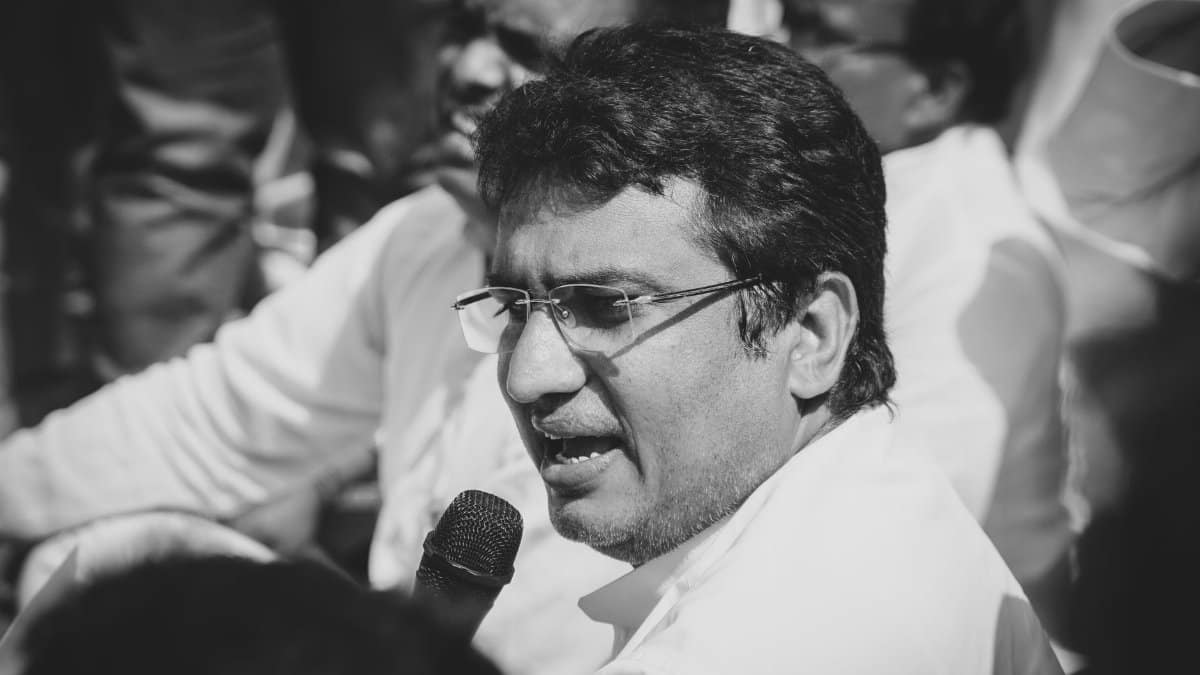
Durkin’s career was built inside a party that has spent years in the wilderness in Springfield. He was the Republican voice when Democrats held the gavel, the person sent to explain votes that would not pass and amendments that would not stick. Colleagues on both sides knew him as a tactician more than a preacher, a man who counted members and lived with the math.
Leaving leadership did not erase that history. It changed the audience. A sitting minority leader speaks for a caucus. A former leader speaks, if he speaks at all, for himself. That freedom is also a risk. No whip protects him now. No conference call can sand down the edges of what he chose to say on camera. The Durkin Pritzker endorsement is, in that sense, a personal document as much as a political one.
Bailey and the memory of a hard loss
Darren Bailey is not a blank slate in Illinois politics. He has already asked voters to replace Pritzker, and he has already heard a loud no from much of the state, especially in and around Chicago. His appeal remains strongest where suspicion of the city, of public health rules, and of Democratic power runs deep. Many of his supporters hear in him a refusal to apologize for rural life and for a conservative reading of faith and family.
A second campaign does not automatically become a new argument. Bailey’s task has been to show that the map can change, that anger at property taxes, crime, and the cost of living can outweigh the memory of the last defeat. Durkin’s video cuts against that hope. It tells Republicans who are uneasy, and independents who are tired, that a prominent member of the old guard has already made his peace with four more years of the incumbent.
Pritzker and the weight of the office

JB Pritzker governs a state that argues with itself in public. He is a Democrat with a personal fortune large enough to shape his own races, a fact opponents treat as both explanation and insult. Supporters answer that money did not invent the legislative majorities, the pandemic fights, or the budgets that followed. They say results, however disputed, are what an incumbent offers when the challenger offers mostly contrast.
An endorsement from a former Republican leader does not rewrite those budgets. It does something narrower and, for a campaign, still useful. It gives Pritzker a clip he can show to suburban voters who dislike party purity tests. It suggests that opposition to Bailey is not only a Democratic hobby. In a close county, that suggestion can matter more than another mailer about taxes.
Two states inside one border

Illinois elections are often described as a contest between Chicago, its collar counties, and a downstate expanse that feels ignored. The description is crude, and it is also hard to escape. Trains, hospitals, farms, and factories do not vote. People do, and they vote with memories of who showed up when a plant closed or a school consolidated.
Durkin’s political home was never the same as Bailey’s. House leadership in the modern Republican caucus required talking to members from places that do not share a single sermon or a single fear. That habit of translation may explain the break. A leader trained to hold a minority together learns where unity ends. When he decides unity with a nominee is no longer possible, the decision lands differently in DuPage than it does in a county seat hours south of the city.
Conscience as a civic habit
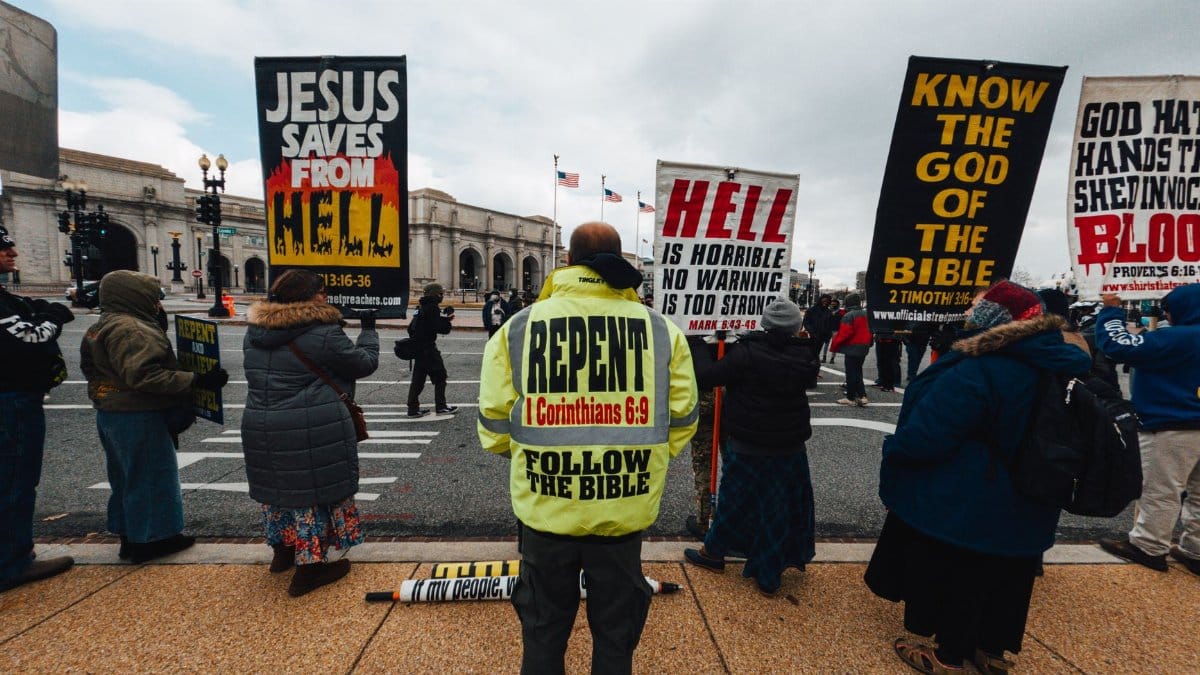
The category of spiritual news can seem an odd shelf for a campaign video. Politics is not worship, and no endorsement is a sacrament. Still, the language voters reach for when they leave a party is often moral before it is tactical. They speak of conscience, of what they can defend at a kitchen table, of what they would not want said in their name from a pulpit or a podium.
I have watched enough Octobers to know that a video is not a conversion. It is a marker. People of faith, and people with no faith at all, use the same words when they describe a line they will not cross: integrity, stewardship, care for the neighbor they did not choose. The Durkin Pritzker endorsement will be heard in some pews as betrayal and in others as a grown decision. Both hearings are part of the public record now, whether clergy mention the race on Sunday or stay carefully silent.
What civic rooms are actually debating
In parish halls, union meetings, and weekday breakfasts, the argument is less about Jim Durkin’s biography than about permission. Does one prominent Republican give others cover to split a ticket? Or does he simply confirm a split that was already there, among voters who like a conservative legislature and a governor they consider competent, or at least familiar?
Those rooms rarely move in unison. A grandmother who still sends a check to the county party may shake her head and keep her ballot unmarked at the top. A younger voter who never liked party machines may treat the clip as ordinary news. The spiritual trend worth noticing is not a revival. It is a weariness with total allegiance, a sense that public life asks for discernment rather than a stamped identity. Campaigns can exploit that weariness. They cannot fully own it.
The price of breaking ranks

Party organizations remember. Donors remember. Primary voters, especially, remember. Durkin is no longer fighting for a leadership post, which lowers the immediate cost and raises the lasting one. Former allies can call the move vanity, or spite, or a misreading of Bailey’s voters. They can argue that opposing a nominee in public hands the governor a gift he did not earn.
There is a fair version of that critique. Endorsements from retired leaders sometimes flatter the endorser more than they move numbers. A video can trend for a day and vanish by the weekend. If the Durkin Pritzker endorsement is only a headline, Bailey’s coalition will shrug and return to doors and churches where Durkin’s name carries little weight. If it is a signal to donors and suburban officials who were waiting for someone else to go first, the shrug will be shorter.
Money, message, and what ads cannot settle
Illinois statewide races are expensive, and Pritzker’s ability to fund a message is part of the landscape, not a rumor. Bailey’s campaign has always depended more on intensity than on matching that treasury dollar for dollar. Intensity can win a primary. It struggles in a general election when the middle of the state, numerically speaking, lives near the lake and watches different news.
No ad budget settles the moral question Durkin put on the table, which is why the clip annoys both professional operatives and true believers. Operatives want every Republican asset aimed at one target. Believers want loyalty that does not negotiate. A former leader who declines both demands becomes, for a news cycle, the story. After that, the story returns to turnout, to county clerks, and to whether voters who say they are exhausted still manage to vote.
How endorsements travel after the first shock

The first day belongs to surprise. The second day belongs to interpretation. Democratic allies will clip the warmest seconds and pair them with footage of Bailey at his most unyielding. Republican critics will ask what Durkin was promised, even if nothing was promised, because suspicion is easier than a debate about governing. Reporters will look for the next name, the next former official willing to say the same thing out loud.
That hunt can distort the event. One endorsement is not a parade. It is a single decision by a man whose power is now rhetorical. The honest measure is not how many times the clip is shared. It is whether local candidates in tight House and Senate districts feel freer to ignore the top of the ticket, or more exposed if they do. Down ballot fear often outlasts statewide drama.
A quieter standard for public life

Middle aged readers have lived through enough realignments to distrust instant scripture. Parties change. Candidates who sounded impossible become normal, and normal candidates become radioactive. What lasts, if anything lasts, is a standard people can apply without a consultant in the room. Does this person tell the truth about the budget? Does this person treat opponents as citizens? Can I explain this vote to someone I respect who disagrees?
Those questions are older than any campaign video, and they are the closest thing this story has to a spiritual core. They do not require a denomination. They require attention. The Durkin Pritzker endorsement matters because it forces that attention onto a choice many Republicans hoped to keep private: stay with Bailey out of loyalty, or leave him out of judgment. Privacy was never guaranteed in October.
November and the record that remains

On November 3, Illinois will do what states do. It will count. Pritzker will ask for another term with the advantages of incumbency and the burdens of every hard call he has already made. Bailey will ask for a reversal that history in this state does not hand out cheaply. Durkin will not be on the ballot. His sentence in a video will sit beside other sentences, from unions, from business groups, from clergy who speak and clergy who refuse.
Voters can dismiss the Durkin Pritzker endorsement as insider noise. They can also treat it as a small piece of evidence about how power looks to someone who has held a gavel he could not swing. Either way, the clip has already done the work unusual political speech still can do. It made a private doubt public, and it left the rest of us to decide whether that doubt was wisdom, weakness, or simply the sound of a party no longer speaking with one voice.