

In the corridors of the state capitol, where policy debates often stretch into the night, a proposal to support local journalism now stands at a decisive juncture. Lawmakers must weigh whether targeted incentives can sustain reporting that communities rely upon for accountability and information. The California newsroom tax credit represents one approach to addressing the steady erosion of newsroom resources in recent years.
Origins of the Legislative Effort
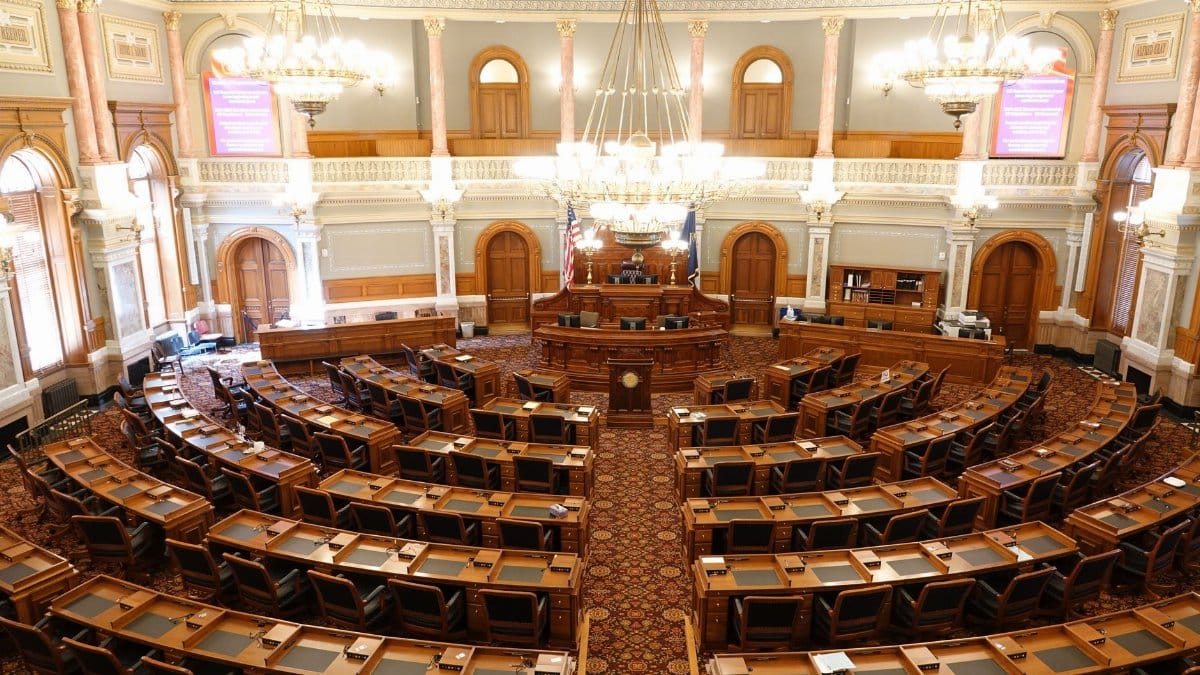
The measure emerged from concerns over declining circulation and advertising revenue that have hit smaller outlets particularly hard. Proponents argue that without intervention many regional publications risk further cutbacks or outright closure. Discussions began in the assembly with input from media advocates and economic analysts who highlighted the public value of informed electorates.
Key Elements of Assembly Bill 2222

Under the framework, qualifying news organizations could receive refundable credits reaching twenty thousand dollars for each eligible journalist position. Eligibility criteria focus on outlets that maintain a physical presence in the state and produce original coverage of local issues. The structure aims to encourage retention of staff rather than expansion alone.
Current Status in the Senate
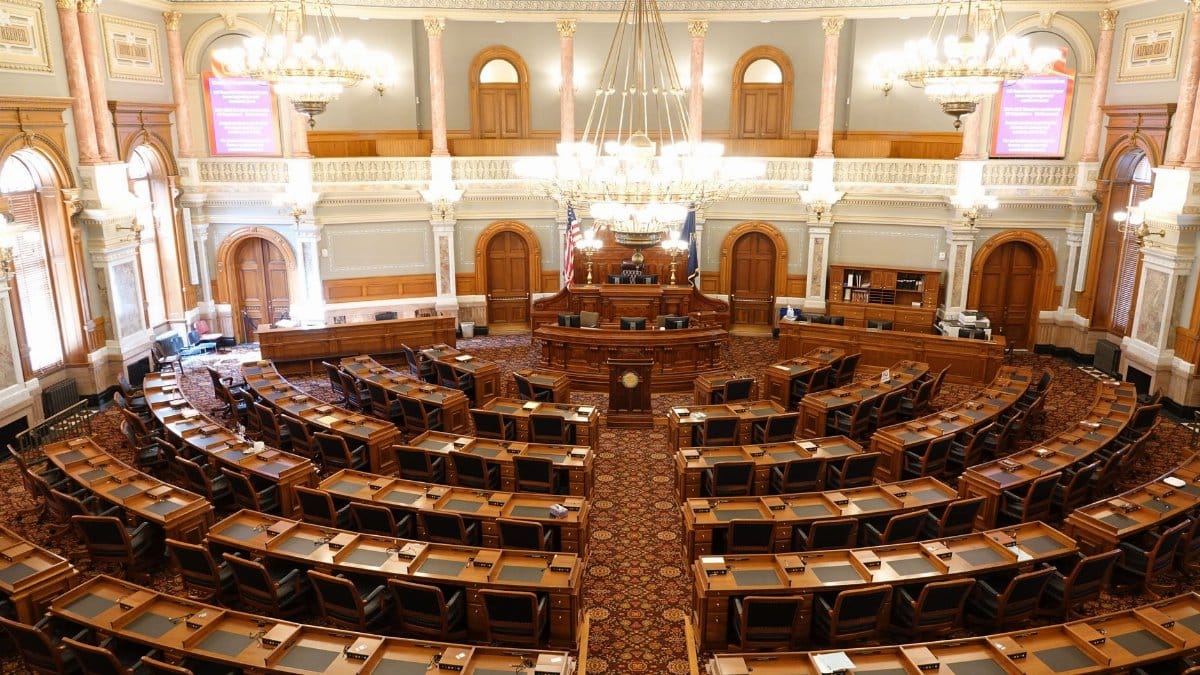
The bill cleared earlier committees with modest support yet now confronts a fuller review where fiscal questions loom large. Senators from both parties have expressed interest in the goals while seeking assurances on cost controls and measurable outcomes. Hearings scheduled for the coming weeks will determine if amendments are needed before a floor vote.
Economic Arguments Presented by Backers

Advocates point to the broader role of journalism in supporting civic engagement and local economies. They note that informed residents tend to participate more actively in commerce and governance. The California newsroom tax credit could function as a modest investment that yields returns through stronger community institutions.
Concerns Raised by Fiscal Watchdogs

Critics emphasize the need for precise definitions to prevent misuse of public funds. They question how success would be tracked and whether the credit might simply offset existing payroll expenses without adding new positions. Detailed reporting requirements form part of ongoing negotiations.
Comparisons with Programs in Other States

Several states have experimented with similar supports for media outlets, though results remain mixed according to preliminary reviews. Some programs emphasize digital transition grants while others target payroll relief. Observers will watch California closely given its size and the diversity of its news ecosystem.
Potential Effects on Smaller Publications

Community weeklies and ethnic media outlets stand to gain if the credit is structured to accommodate modest operating budgets. These organizations often operate with thin margins yet provide coverage that larger dailies overlook. Supporters hope the incentive will help preserve such voices.
Reactions from Newsroom Employees

Journalists across the state have followed the proceedings with cautious optimism. Many describe stretched resources that limit investigative work and beat reporting. The California newsroom tax credit could ease some pressures though it is viewed as one tool among several needed reforms.
Broader Context of Media Sustainability

The challenges facing newsrooms extend beyond any single policy lever. Subscription models, philanthropic support, and technological adaptation all factor into long term viability. The current proposal reflects one slice of a larger conversation about information infrastructure.
Next Steps and Timeline Expectations

If the Senate advances the bill, it would return to the assembly for concurrence on any changes. The governor has signaled openness to measures that bolster local reporting. Final action could come before the end of the legislative session.