
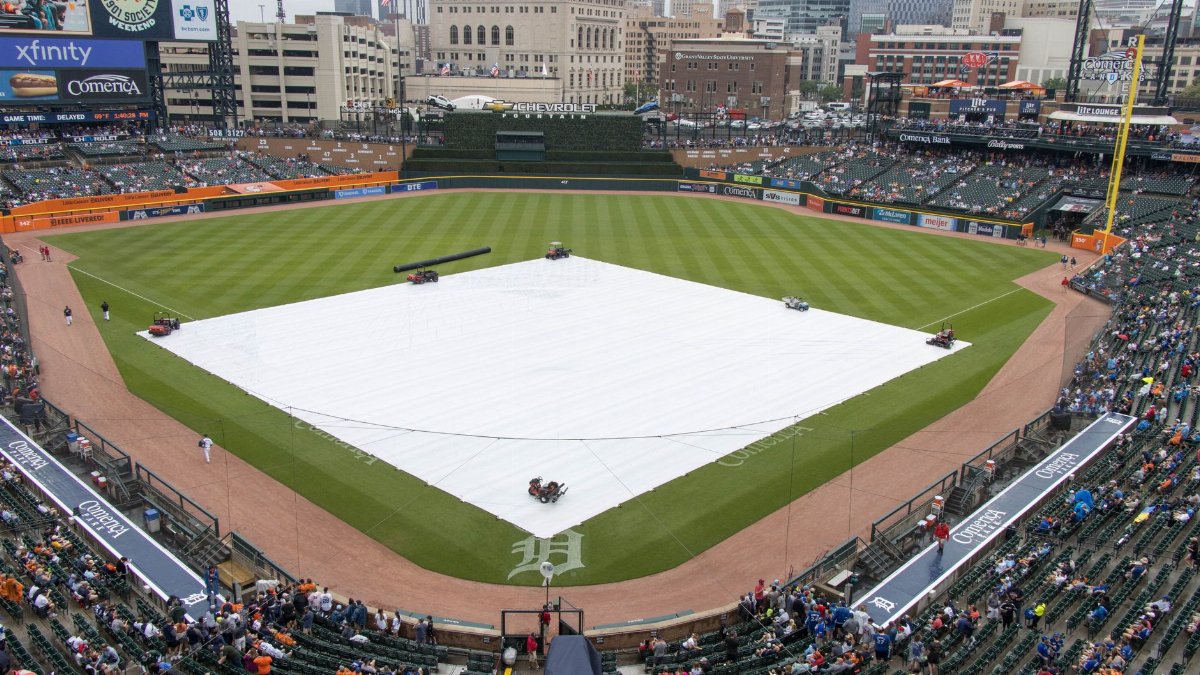
The lights at Comerica Park had already settled into their evening color when Justin Verlander walked in from the bullpen side of the field, glove tucked against his hip, and took the mound for what the club had framed as his last appearance in this ballpark. Fans stood before the first pitch, not in the frantic way of a rally, but with the slower attention people give a familiar voice. On September 26, in a game Detroit would win over Pittsburgh by a score of 4 to 3, the future Hall of Fame pitcher struck out six. The phrase that traveled with the night, Verlander final start, sounded smaller than the man and larger than the box score.
The building that learned his delivery

Comerica Park has never been a loud museum, though it keeps a kind of memory in its sightlines. From the mound a pitcher can see the brick and the flags and the long sweep of the lower bowl, and for Verlander those angles were a workplace before they were a shrine. He came up with the Tigers, learned how the wind plays in April, and discovered which nights the crowd would wait through a long inning without giving up on him. Leaving did not erase that education. When he returned later in his career, the park did not pretend the years away had been a dream. It simply offered the same dirt, the same rubber, and a public that already knew the hitch in his delivery. On this night the familiarity mattered more than novelty. People were not meeting a stranger. They were watching a man finish a task in a room that had trained him.
Six strikeouts in a game that stayed close

The number that will sit beside the date is modest, and that modesty is part of the truth. Verlander struck out six. Detroit beat Pittsburgh by a score of 4 to 3. Neither figure invites myth. A final start can be tidy in memory and messy in the moment, and this one belonged to the second category. Six strikeouts means he still had enough life in the fastball, or enough disguise in the secondary pitches, to beat hitters who had seen him for years. It does not mean he dominated. A margin of a single run means the bullpen and the bats shared the result. To call the evening the Verlander final start is accurate as a label and incomplete as a description. The label marks a boundary. The description has to include the other men on the field, the pitches that were fouled off, and the innings that did not belong to him at all. Fans who want a perfect goodbye often have to settle for a true one. This was a true one.
Leaving Detroit and finding the door again

He was traded to Houston in 2017, later won a World Series there, pitched for the Mets, won another championship with the Astros, and eventually wore the Old English D again. That sentence is a career compressed until the loneliness of each move disappears. Trades are business, and fans know it, but business does not cancel attachment. Detroit watched him become one of the best pitchers in the game, then watched him do the hardest work of his profession in other cities. A return is never a simple restoration. Teammates have changed. The front office has changed. The body has changed. What remains is a relationship between a craftsman and a city that can still recognize his walk from the dugout. September 26 did not undo the years he spent away. It gave those years a frame. People could look at the whole arc, from the young pitcher who threw no hitters in this uniform to the veteran who still had six strikeouts in him, and see a continuous labor rather than a set of separate chapters. Continuity is a gift a sport rarely offers. Detroit received a piece of it.
What age does to a power pitcher
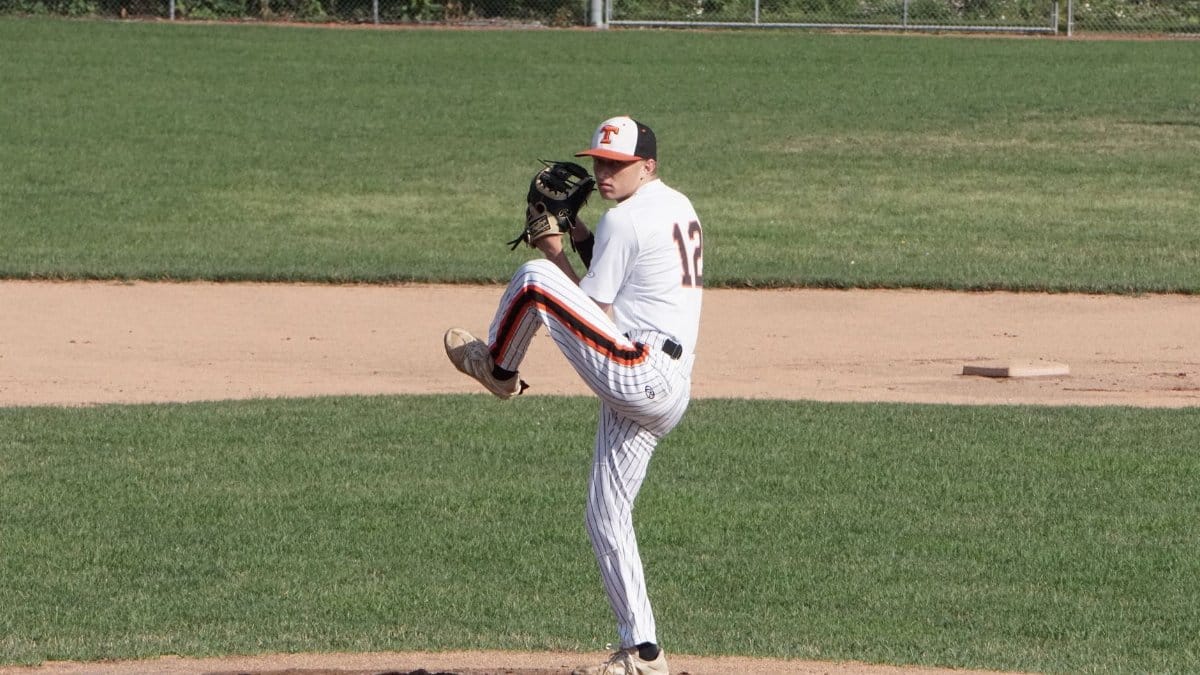
At 43, a pitcher is no longer borrowing extra innings from the future. Age in this job is not a sermon. It is a physical fact. Fastballs lose a little ride. Recovery asks for more sleep, more treatment, and more honesty about which days are available. The public likes stories of decline because they are easy to tell. The more interesting account is adaptation. A pitcher who once overwhelmed lineups learns to steal outs with location, tempo, and the memory opponents carry of what he used to throw. Six strikeouts do not prove a theory. They only show that the adaptation had not yet run out. None of that cancels the weight of a Verlander final start, but it keeps the weight from becoming costume. Fans who grew up with him now bring children who know the name from highlights. That gap, visible in the stands, is its own clock, and it does not require anyone to pretend the arm is 25.
A crowd learning how to say goodbye without rushing it

Applause before the first pitch is a custom, and customs can become empty. What distinguished this crowd, at least in the reporting around the game, was patience. People stayed with the at bats. They did not require every inning to be a tribute. There is a spiritual discipline in that kind of attention, though nobody in the seats would have used the word. To watch a person work, fully, without demanding that the work flatter your memory, is a form of respect. Detroit has practiced this with Verlander for a long time, through brilliant seasons and injured ones. He was the Rookie of the Year, a Most Valuable Player, a Cy Young winner in this city, and also a pitcher who missed time and had to earn the mound back. The Verlander final start asked for the same practice one more time in this building. Gratitude, if it means anything in a ballpark, looks less like a speech and more like staying until the end. The people who remained were not performing loyalty. They were keeping company with a job as it closed.
Pittsburgh was not an extra in the story

It is easy to treat the visiting team as scenery when a home crowd is busy with memory. That would be unfair to Pittsburgh. The Pirates came to win a game in late September, with whatever stakes the standings gave them, and they nearly did. A 4 to 3 defeat is not a ceremonial loss. It is a game that could have turned on a single swing, a missed location, a ball in the dirt. Verlander had to pitch against a lineup that owed him nothing. Hitters do not ease up because a park is sentimental. If anything, a known occasion can sharpen them. The professionalism of the visitors kept the night from becoming a parade. Detroit’s win mattered because it was earned against people trying to prevent it. A farewell that depends on the other team cooperating is not a farewell at all. It is theater. This game refused that bargain, and the refusal made the result more credible. Six strikeouts against men who wanted the at bat are worth more than a staged procession to the dugout.
The mound as a place of attention

There is a reason a final start draws people who do not usually speak in religious language. The mound is one of the few workplaces in American life where a single person is asked to be completely present while thousands watch for failure. Between pitches there is time, and in that time a pitcher either returns to the task or drifts into the story people are telling about him. Verlander has lived in that interval for two decades. On this night the interval carried extra weight, because everyone knew the building would not host him again. Attention is a moral habit as much as a skill. It asks you to see the hitter who is actually there, not the ghost of a younger self, not the headline waiting in the press box. That is the quiet lesson inside the noise, and it is why a sports page can sit, without embarrassment, beside writing about meaning. Vocation is not a word reserved for pulpits. It fits a man who keeps returning to a strip of dirt and trying to throw a baseball where it needs to go.
After the last pitch in this park

A final start in one ballpark is not necessarily a final start in the sport, and it would be careless to collapse those ideas. What ended on September 26 was a relationship with a particular field. Verlander may still have innings elsewhere. The record will sort that out without help from sentiment. What Detroit can keep is narrower and, for many people, more precious: the memory of how he competed here, the nights the fastball seemed unfair, the seasons when the Tigers rose and fell around him, and this late game against Pittsburgh in which he struck out six and the home team won by a run. The phrase Verlander final start will be repeated because language likes a door closing. The better use of the phrase is simpler. It names a completed piece of work. A man did his job in a place that knew him, and then the lights, in their ordinary way, stayed on for everyone else.