
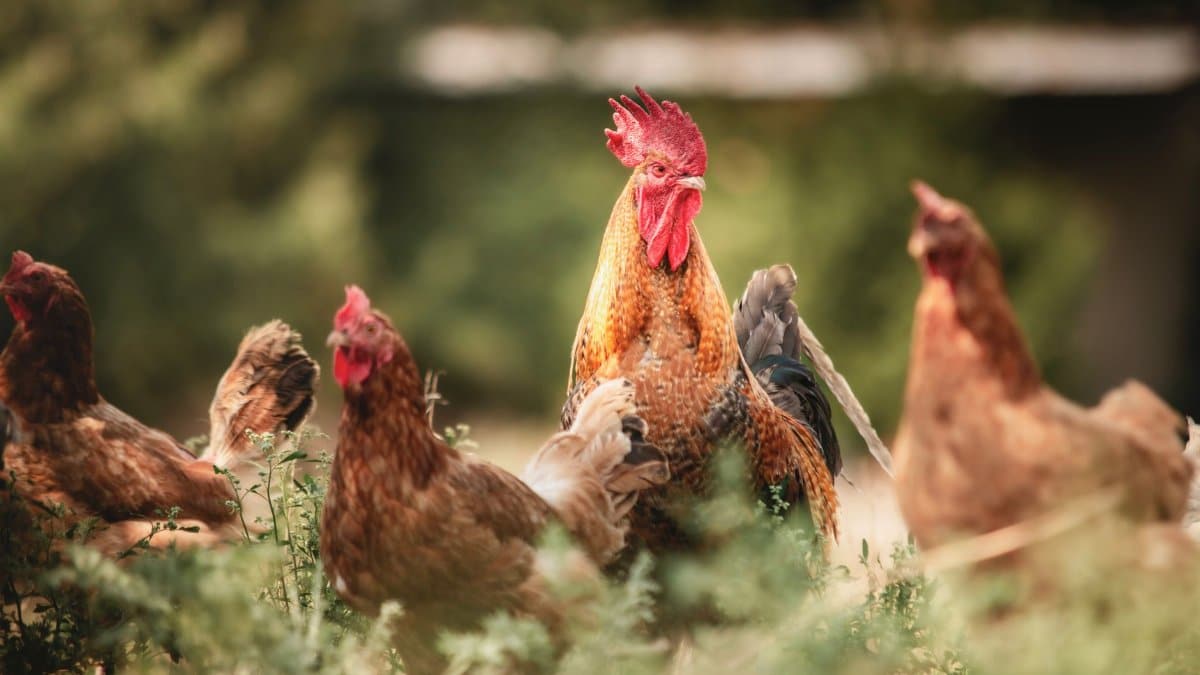
In the rural stretches outside Peabody, Massachusetts, a modest family farm has turned into an unplanned sanctuary for birds no one wanted. Ten roosters have shown up over the past half year, each left behind by owners who apparently decided the animals no longer fit their plans. This pattern of rooster dumping Peabody has left the caretaker pleading for neighbors to find other solutions before more birds arrive at her gate.
Daily Life on the Overcrowded Farm
The woman who tends the land now spends extra hours building temporary pens and searching for feed. Each new arrival requires health checks and space adjustments that strain the existing setup. Neighbors have noticed the increased activity and the growing chorus at dawn that echoes across nearby roads.
Why Owners Abandon Roosters
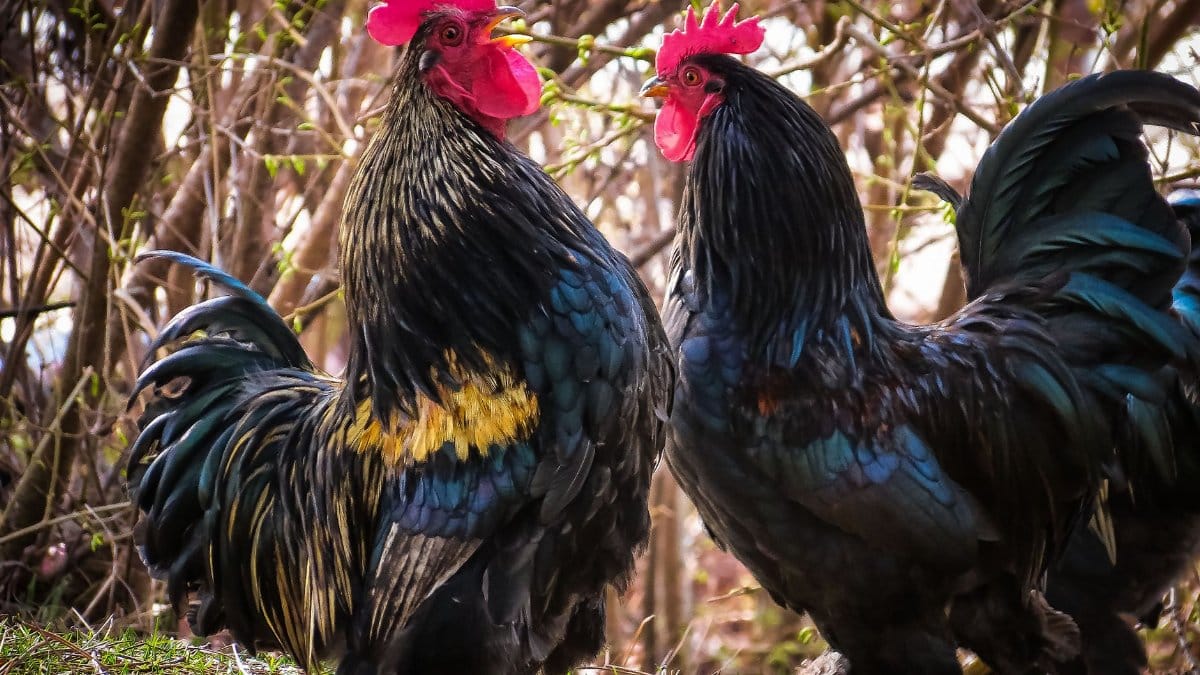
Many people acquire chicks without realizing half will grow into males. Once the birds begin to crow or show aggressive traits, some households see no option except release. Local regulations on livestock add pressure, pushing owners toward quiet disposal rather than proper rehoming channels.
Impact on Local Animal Services
Shelters in the region report similar surges in calls about stray poultry. Limited resources mean most facilities cannot accept adult roosters, leaving caretakers like the one in Peabody to handle the overflow. Volunteers have begun organizing transport to distant farms that still have room.
Community Reactions and Offers of Help

Residents who live near the property have started leaving notes and supplies. Some offer to foster individual birds while permanent homes are located. Others suggest public education campaigns that explain the realities of keeping poultry before families commit to the animals.
Legal Questions Around Animal Release

State laws treat the release of domestic birds as potential neglect. Enforcement remains uneven because proof of intent is difficult to establish. The farm owner has contacted officials to ask whether clearer signage or patrols could discourage further dumping on private land.
Broader Trends in Backyard Poultry
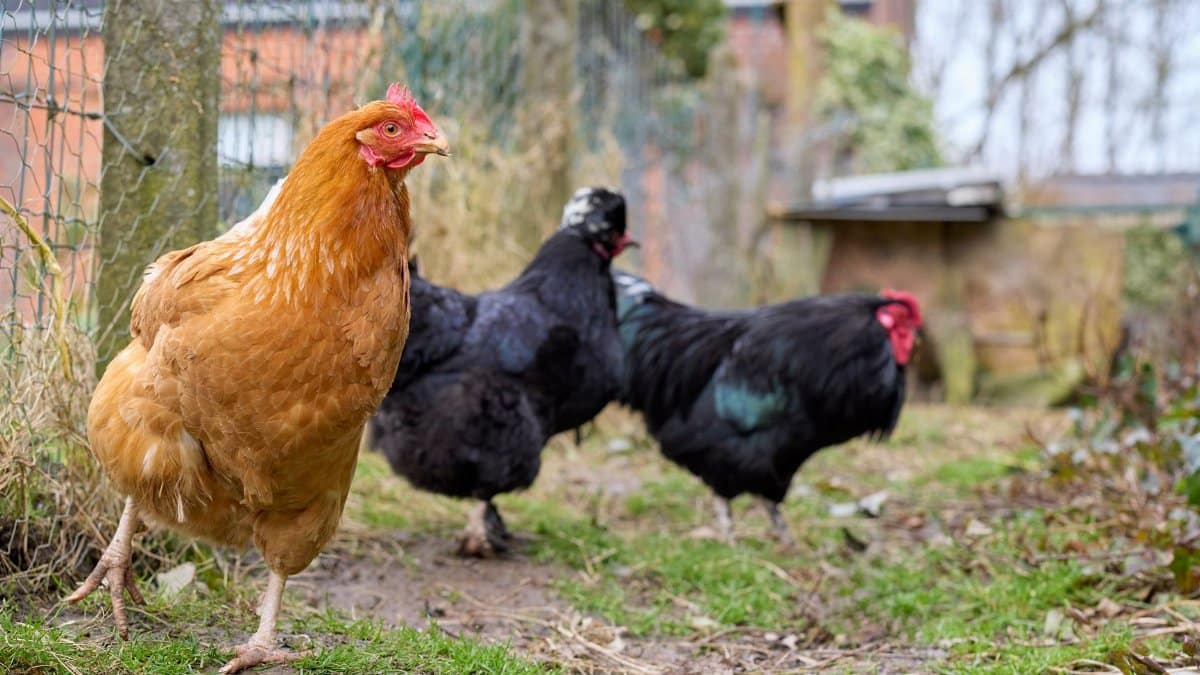
Interest in raising chickens for eggs has grown in suburban areas, yet many enthusiasts overlook the long term needs of the flock. When space or interest fades, the animals often end up in situations exactly like the one unfolding in Peabody. Experts recommend checking local rescue networks before acquiring any birds.
Efforts to Find Permanent Homes
Animal advocates have circulated photos of the latest arrivals in hopes of matching them with farms that welcome additional males. Transport costs and quarantine rules slow the process. The caretaker continues to post updates, hoping steady visibility will reduce the chance of new birds appearing overnight.
Lessons for Prospective Chicken Keepers
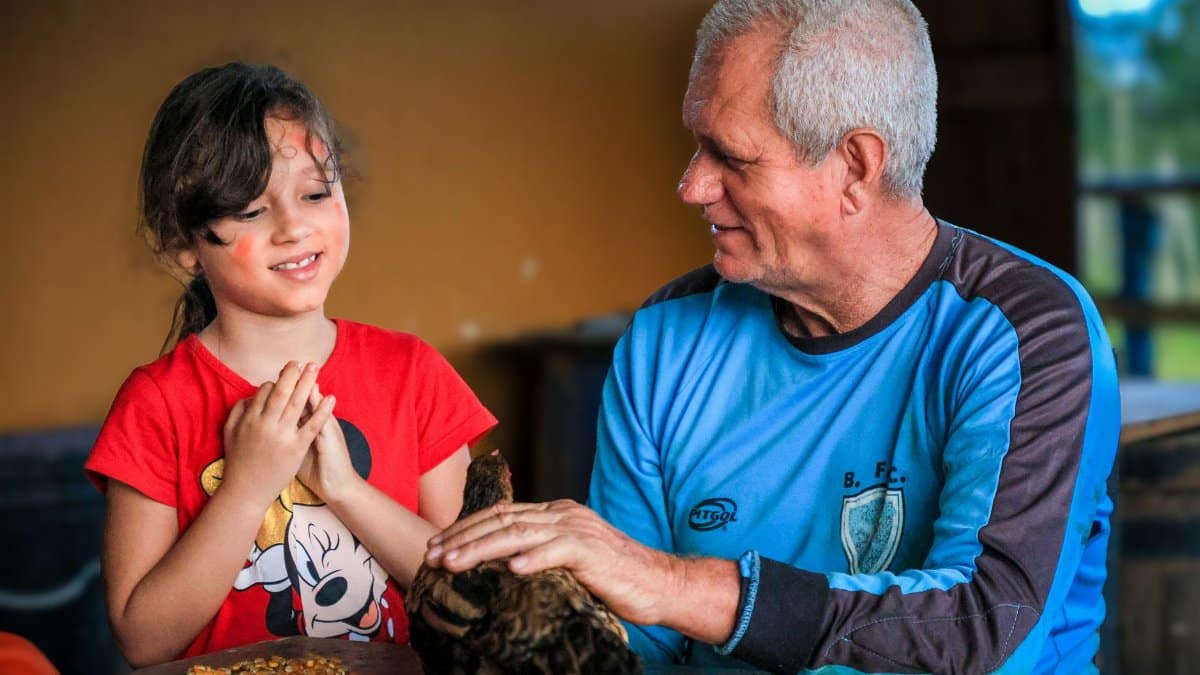
Those considering a small flock are urged to plan for every stage of the birds lives. Sexing chicks at purchase and preparing for possible relocation needs can prevent future problems. Local extension offices offer workshops that cover these practical details in advance.
Future Steps for the Peabody Property

The owner has asked the town to consider a public awareness program focused on responsible poultry ownership. She also plans to install better fencing and cameras to document any further activity. Her goal remains simple: keep the land functional without becoming a default drop site for unwanted animals.