

Census figures reveal that nearly half of all homes in Seattle are occupied by a single resident. This trend toward independent living has emerged as a key factor influencing the city’s real estate dynamics. Seattle solo households have become a notable feature of urban life here contributing to increased demand for smaller living spaces and affecting overall affordability. The shift reflects broader changes in society where more people opt for autonomy over traditional family setups. As this pattern continues it places pressure on developers and planners to adapt their approaches to meet the evolving needs of the population.
The Scale of Solo Occupancy in the City
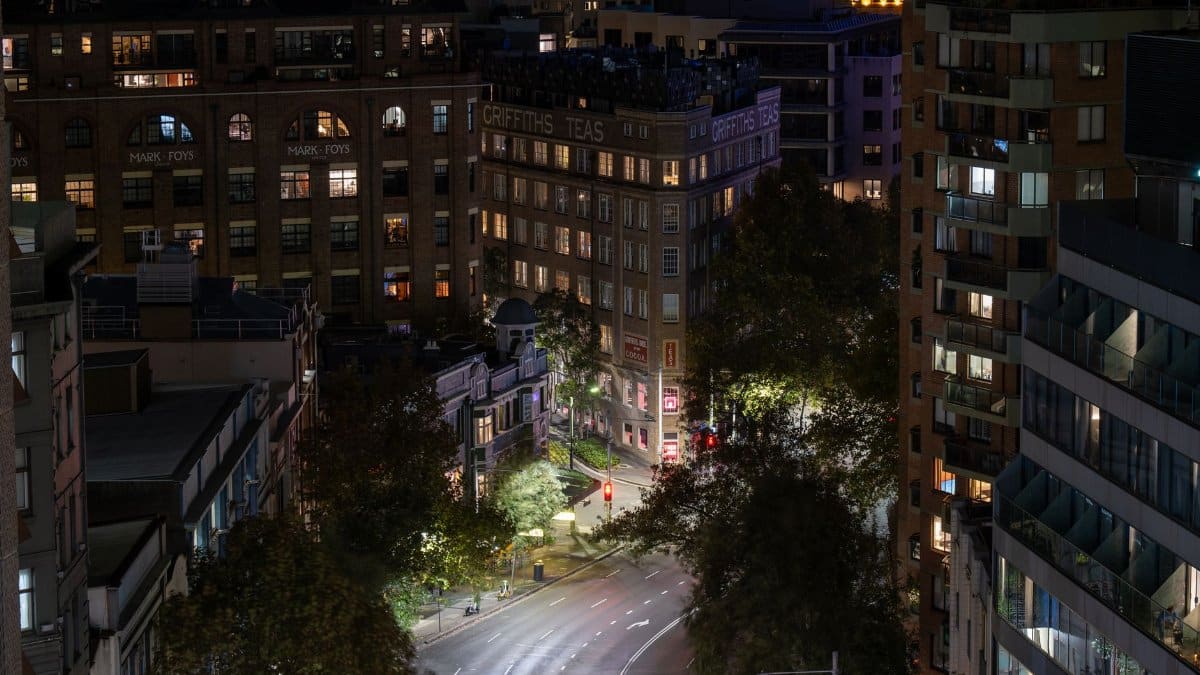
Recent data indicate that roughly 170500 residences fall into this category representing about 44 percent of the total. Such numbers underscore how Seattle solo households stand out compared with many other American cities where family units still dominate the housing landscape. This concentration stems from a combination of career focused lifestyles and an influx of younger professionals who value flexibility.
How Independent Living Affects Housing Availability

With more residents seeking compact units the market faces tighter competition for available stock. Builders have responded by constructing additional studio and one bedroom options yet supply has not kept pace with the surge in demand. The result is upward pressure on rents and purchase prices across many neighborhoods.
Economic Pressures Fueling the Trend

High wages in the technology sector attract workers who can afford to live alone. At the same time rising construction costs limit the creation of new affordable options. These forces together amplify the presence of Seattle solo households and reshape neighborhood character in subtle ways.
Social and Community Impacts

While independence offers personal freedom it can also lead to reduced daily interactions with neighbors. Community groups have begun organizing events to foster connections among those living solo. Such efforts aim to balance autonomy with a sense of belonging in an increasingly fragmented urban setting.
Responses from Local Government and Builders
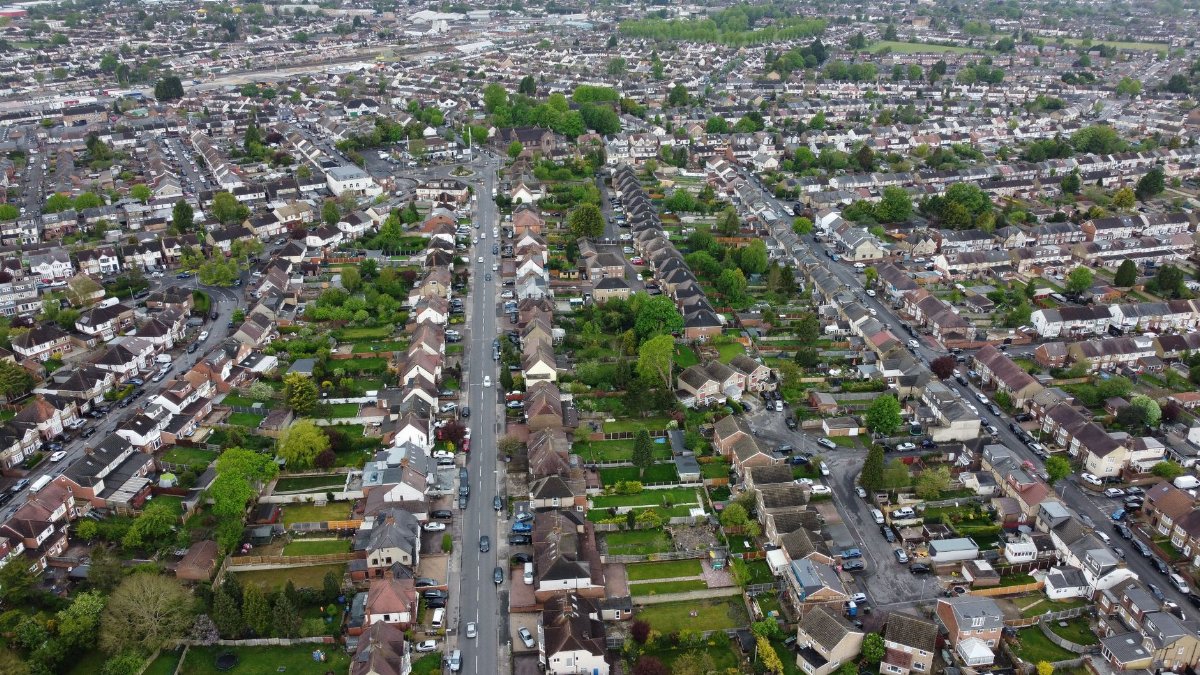
City officials have introduced zoning adjustments to encourage smaller unit development. Some developers now include shared amenity spaces in new projects to appeal to solo residents. These measures seek to ease the strain while accommodating the growing preference for solitary living arrangements.
Comparisons with National Patterns

Nationwide the share of solo residences has risen steadily yet Seattle exceeds the average by a wide margin. Factors such as strong job growth and limited land for expansion help explain the difference. Observers note that similar cities with booming industries may soon face parallel challenges.
Challenges for Future Urban Planning
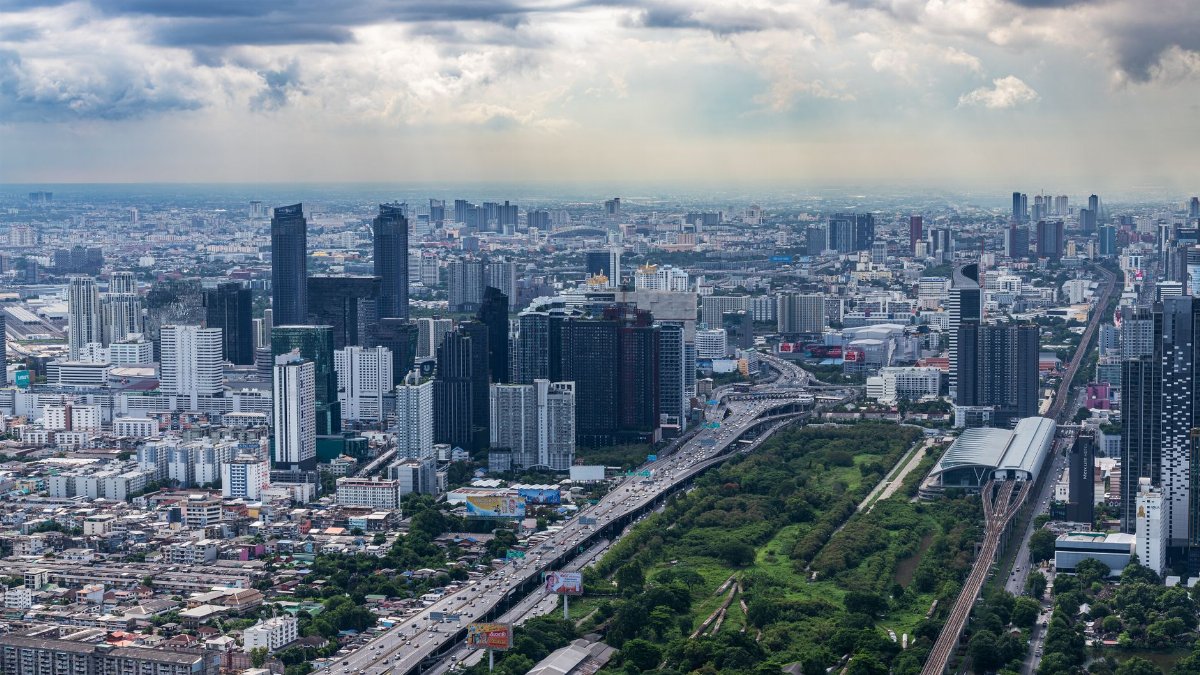
Planners must consider how to integrate more green spaces and transit links that serve dispersed populations. Infrastructure designed for larger households may require updates to support the daily routines of those living alone. Thoughtful design can help maintain quality of life amid these demographic changes.
Potential Solutions and Innovations

Modular construction techniques offer one path toward faster delivery of suitable units. Partnerships between public agencies and private firms could expand access to reasonably priced options. Continued attention to these ideas will determine whether Seattle can sustain its appeal while managing the effects of widespread solo occupancy.