

In the sun baked expanse of Florida highways, where travelers move between coastal cities and inland communities, a quiet shift in public safety tools has drawn fresh attention. Records reveal how state leaders once backed expansive use of automated monitoring systems only to later raise alarms about overreach. This turnabout centers on DeSantis Flock funding, which supported license plate readers aimed at border related enforcement before new restrictions took shape.
Initial Budget Approvals for Monitoring Tools

State documents indicate that several million dollars flowed toward Flock Safety cameras during earlier budget cycles. Officials framed the purchases as necessary aids for locating vehicles tied to criminal activity or unauthorized crossings. Law enforcement agencies in multiple counties received units that could scan plates at high volume and cross reference databases in real time.
Shift Toward Limits on Data Collection
More recent statements from the governor have emphasized risks of widespread tracking and the need to protect individual movement records. Proposed rules would curb how long agencies retain images and who gains access beyond immediate investigations. The change in emphasis surprised some local sheriffs who had relied on the earlier grants.
Role of Immigration Priorities in Early Spending
Much of the original allocation tied directly to efforts that strengthened cooperation between state police and federal border agents. Cameras helped identify vehicles associated with smuggling operations or repeat offenders. Supporters argued the technology delivered quick leads that traditional patrols could not match.
Public Safety Claims Versus Privacy Concerns
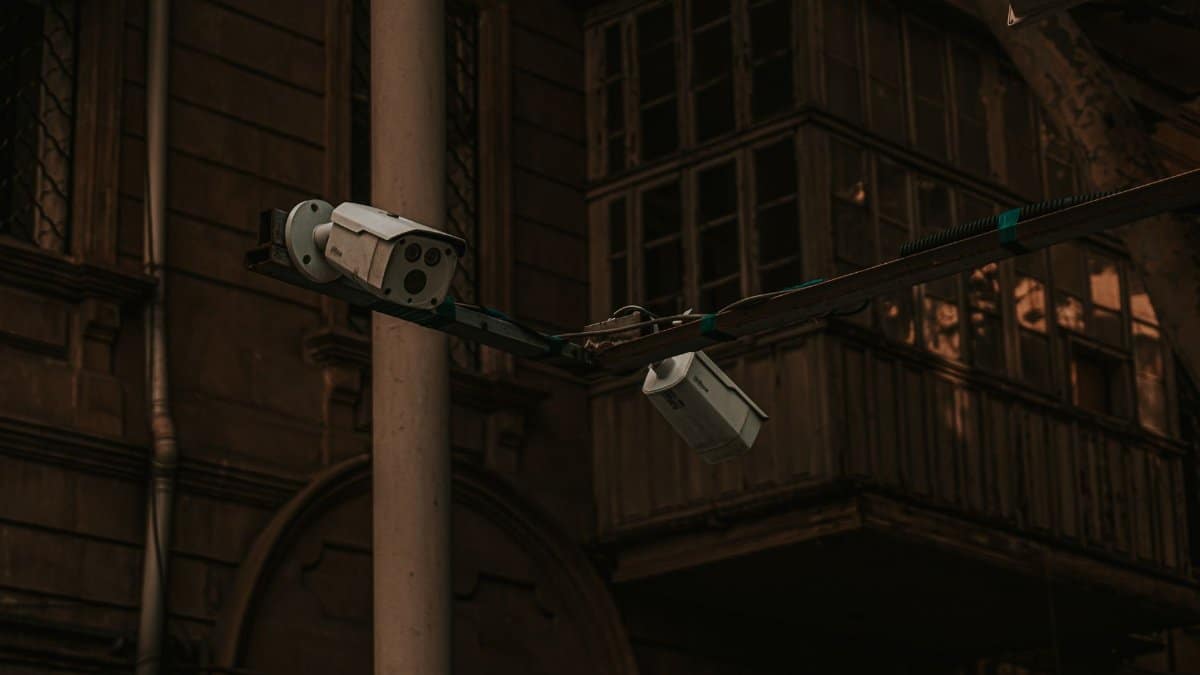
Advocates for expanded camera networks point to reduced response times in stolen vehicle cases and improved recovery rates. Critics counter that constant scanning creates digital trails of everyday residents who have no connection to any inquiry. Hearings in the capital have featured testimony from both sides.
Local Agency Experiences With the Systems
Departments in South Florida reported faster arrests after installing the readers along major corridors. Officers described alerts arriving within minutes of a flagged plate passing a fixed point. Training programs focused on proper use of the data to avoid unnecessary stops.
Broader Political Context Around Surveillance
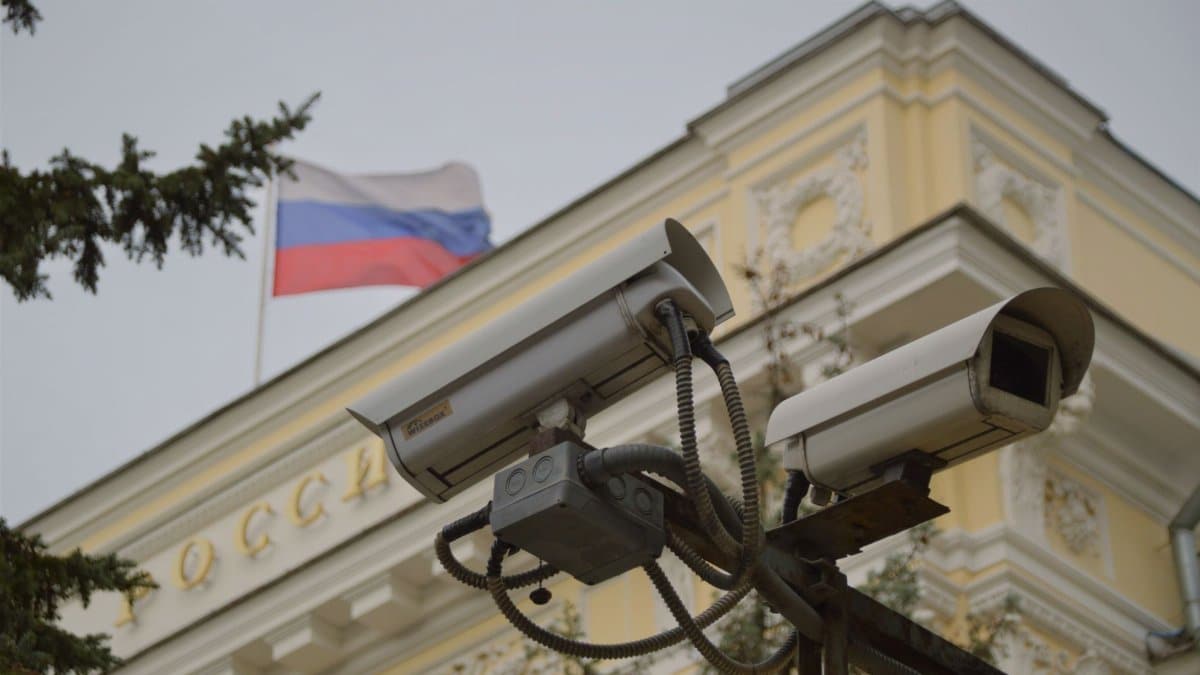
The governor has positioned himself as a defender of personal freedoms in speeches across the state. This stance aligns with national conversations about technology companies supplying governments with monitoring capacity. Observers note the tension between those messages and prior budget lines that expanded the same tools.
Funding Amounts and Distribution Details

Audits show the bulk of early money went to hardware purchases and software subscriptions rather than ongoing personnel costs. Smaller rural counties received proportionately larger shares per capita because they lacked resources for older analog methods. Renewal clauses in contracts now face fresh legislative review.
Reactions From Civil Liberties Groups
Organizations focused on constitutional protections have filed requests for logs that show how often queries involved non suspects. They seek clearer rules on when an alert can justify a traffic stop. Meetings with state attorneys have produced mixed signals about future access policies.
Comparisons With Other States Using Similar Equipment
Texas and Arizona maintain large networks of plate readers along interstate routes with fewer announced limits on retention. Florida proposals would set shorter storage periods than those neighbors currently allow. Lawmakers have requested studies on whether shorter windows reduce effectiveness.
Future Outlook for Camera Programs

Budget writers in the coming session may face choices between continued support for existing units and a narrower focus on specific crime categories. Pilot projects in tourist heavy areas could test revised guidelines before wider rollout. The outcome will shape how residents view the balance between security and observation.