
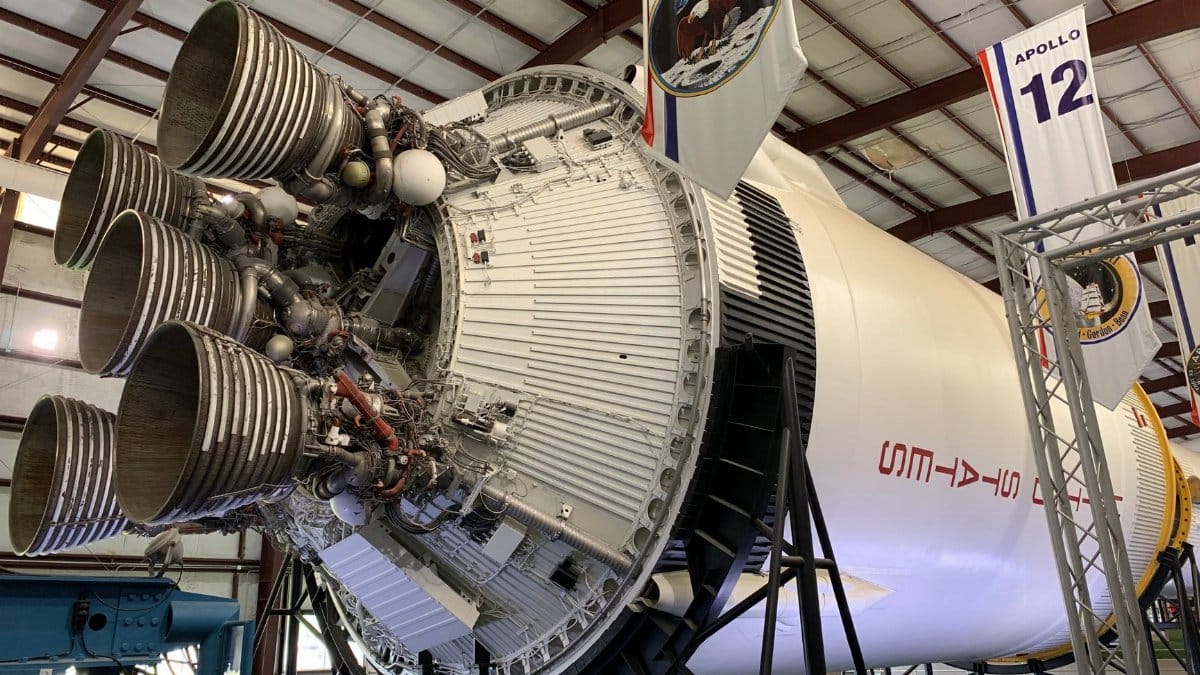
During a visit marked by ceremony and forward looking ambition President Trump stood before the assembled team at NASA Johnson Space Center in Houston to salute the Artemis II astronauts while introducing a new national training effort called the Trump Houston Space Academy. The event blended recognition of ongoing lunar exploration with an announcement aimed at expanding educational pathways in space related fields for students across the country.
Recognition of Artemis II Achievements

The crew of Artemis II received formal honors for their role in preparing the next phase of lunar return missions. Each member spoke briefly about the technical hurdles overcome during training and the personal commitment required to advance human spaceflight. The president highlighted how such efforts represent continuity in American leadership in orbit and beyond.
Announcement of Expanded Training Initiative

The Trump Houston Space Academy emerged from the visit as a proposed partnership between NASA and several universities. Officials described it as a program designed to prepare young scholars for careers in engineering and mission operations through structured coursework and hands on projects. Initial funding discussions pointed toward support from both federal sources and private contributors.
Local Economic Implications in Houston
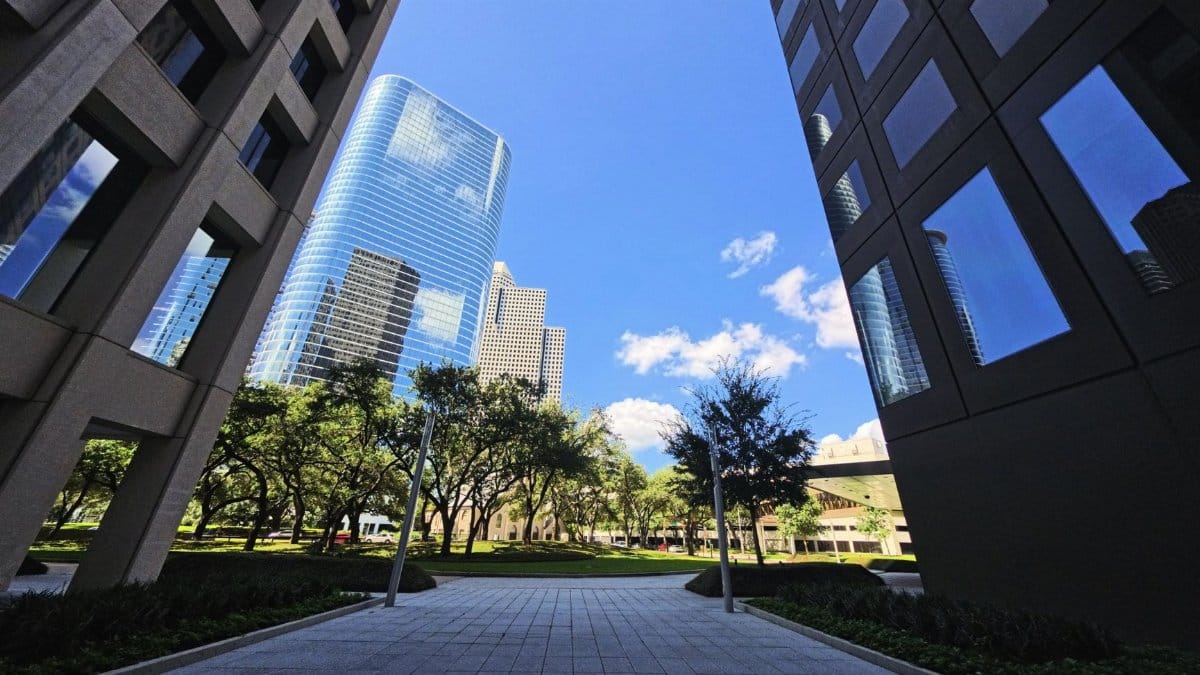
Community leaders in the Houston area noted potential benefits for regional employment as the academy takes shape. Suppliers of specialized equipment and training facilities stand to gain contracts while local schools could receive grants to strengthen science curricula. City planners already anticipate increased activity around the space center campus.
Connections to Broader National Space Policy
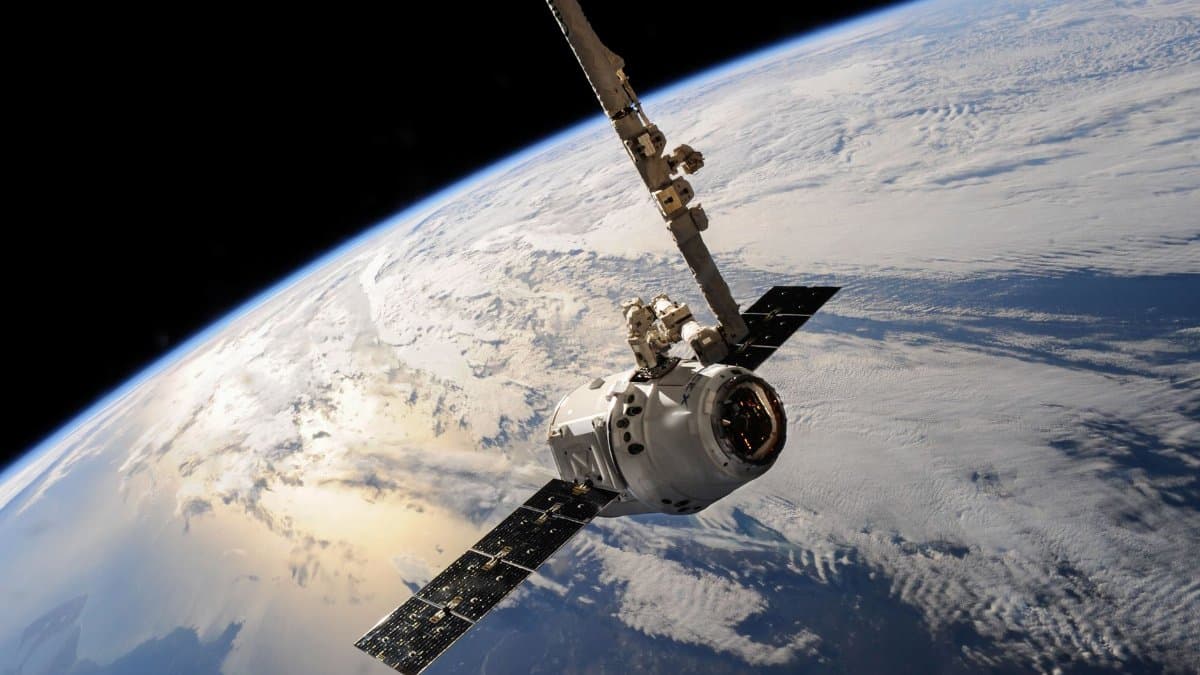
Administration representatives framed the academy within larger goals of maintaining technological superiority. They referenced ongoing work on lunar gateways and Mars transport concepts as areas where newly trained personnel would contribute. The emphasis remained on steady investment rather than abrupt shifts in direction.
Role of Educational Partnerships

University officials from Texas and neighboring states expressed interest in curriculum development tied to the Trump Houston Space Academy. Discussions centered on joint degrees that combine traditional aerospace studies with emerging topics such as satellite data analysis and habitat design. Early pilot classes are expected within two years.
Public Response and Media Coverage

Reactions from observers ranged from cautious optimism to questions about long term sustainability. Some analysts pointed out that similar past initiatives faced challenges in maintaining consistent enrollment and industry alignment. Coverage in major outlets focused on the symbolic weight of the Johnson Space Center setting rather than detailed program mechanics.
Historical Context of Houston Space Efforts
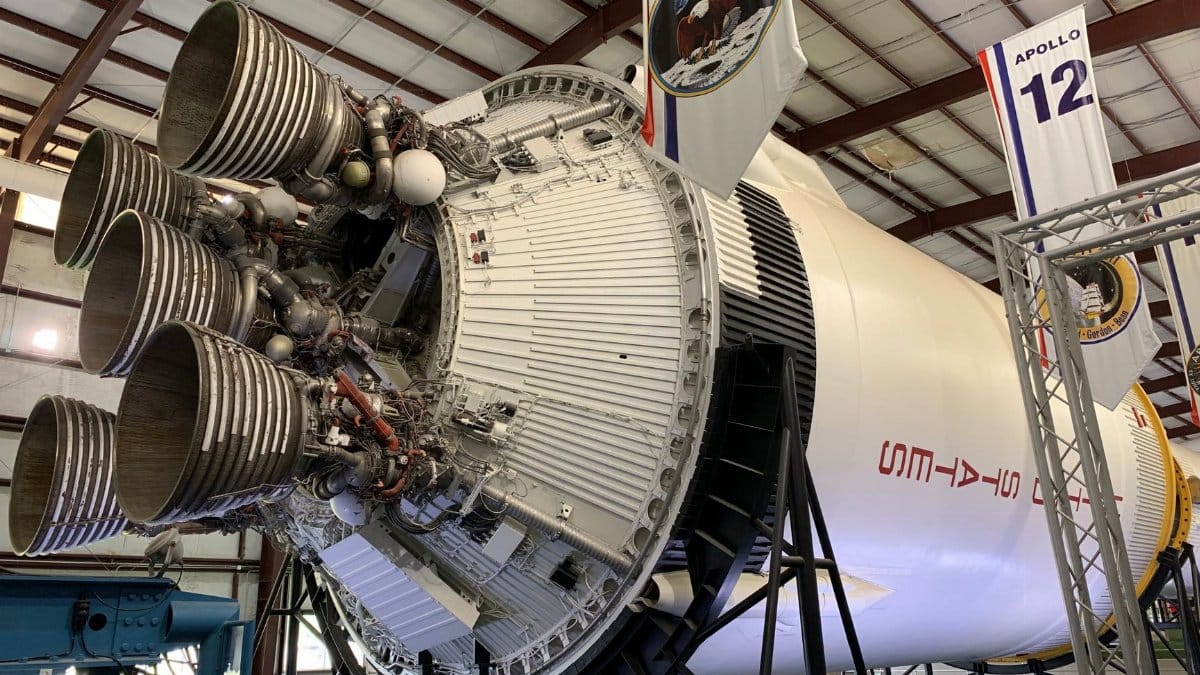
The Johnson Space Center has served as a hub for human spaceflight since the Gemini era. Its facilities have supported every crewed mission that left low Earth orbit. The new academy proposal builds on that legacy by seeking to formalize training pipelines that reach earlier into the educational system.
Challenges in Implementation

Budget allocations and coordination across multiple agencies present immediate hurdles for the Trump Houston Space Academy. Lawmakers will need to approve dedicated line items while NASA manages competing priorities in propulsion research and crew health studies. Timeline estimates remain preliminary at this stage.
International Dimensions of the Initiative

Although focused on domestic participants the academy could open limited slots for allied nations under existing space cooperation agreements. Such arrangements have precedent in past NASA programs and could strengthen diplomatic ties through shared technical knowledge. Details on participation criteria await further negotiation.
Future Outlook for Participant Pathways
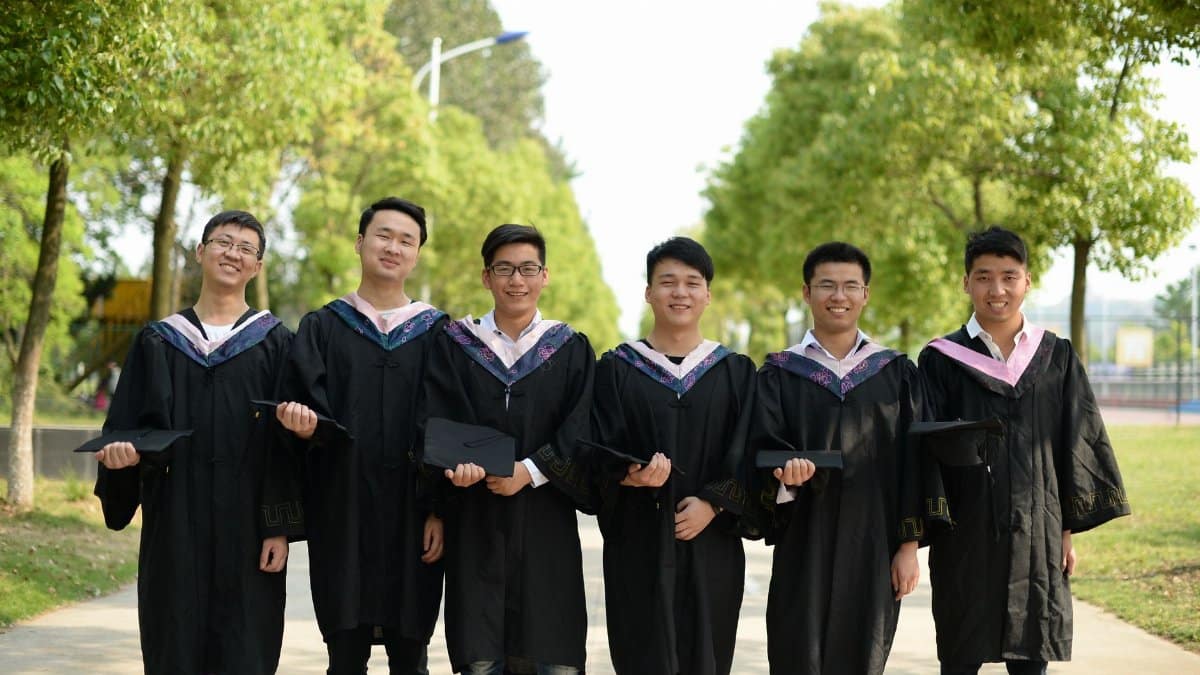
Graduates of the Trump Houston Space Academy are envisioned entering roles at NASA centers contractor firms and research laboratories. Mentorship components would pair students with veteran engineers during summer residencies. Long term tracking of career outcomes is listed among the program evaluation metrics under consideration.