
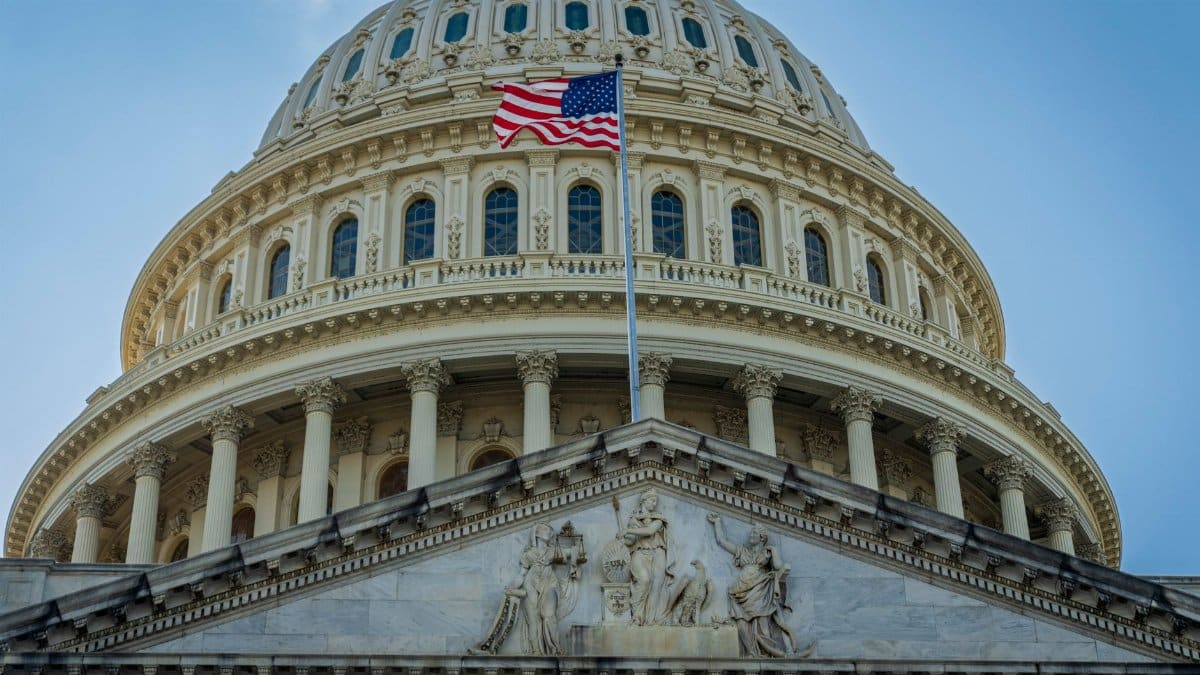
In recent weeks Capitol Hill has seen renewed focus on federal contracting practices as lawmakers scrutinize private contributions to official spaces. The latest development centers on a series of questions directed at a major engineering firm regarding its participation in renovations at the executive mansion. This AECOM White House inquiry highlights tensions over how such projects are funded and who benefits from them.
Origins of the Project
The ballroom addition emerged from discussions about modernizing event spaces at the White House for official gatherings. Planners sought private dollars to cover costs avoiding direct taxpayer burdens. Dallas based AECOM entered the picture through its established work on large scale infrastructure and design efforts across government sites.
Role of AECOM in Federal Contracts
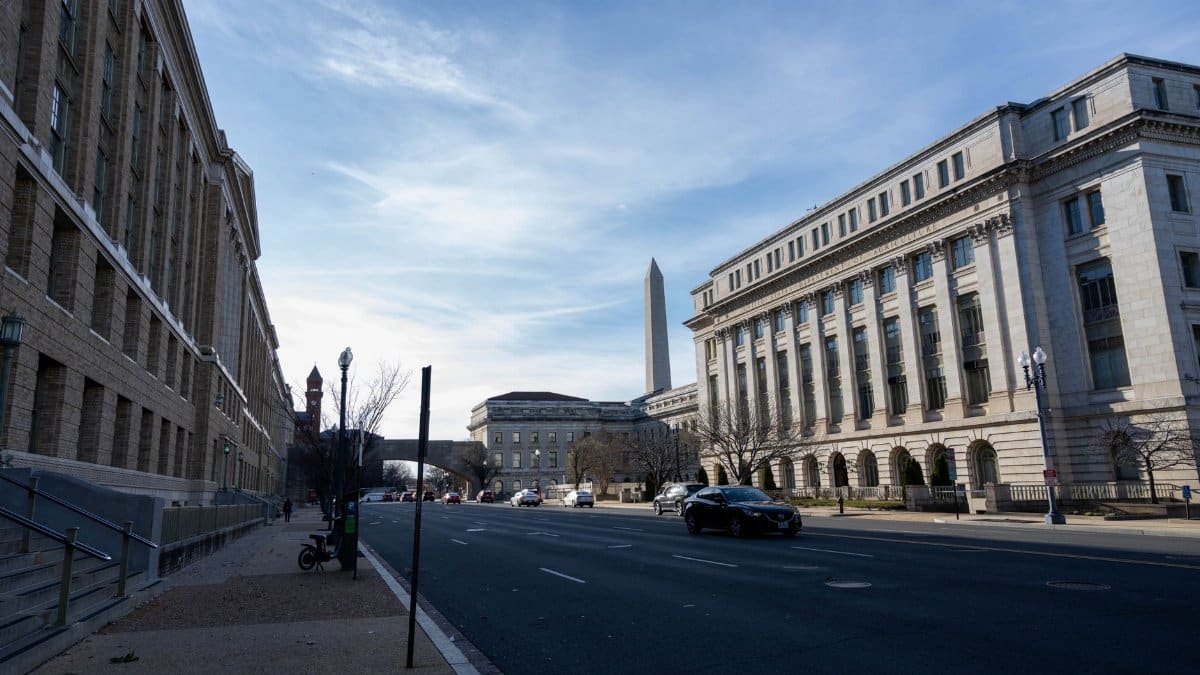
AECOM maintains a long record handling projects for various agencies. Its expertise in engineering and construction made it a natural choice for elements of the ballroom work. Lawmakers now want records showing how decisions were reached and whether any conflicts arose during selection.
Details of the Ballroom Initiative

Funding came from unnamed donors who preferred anonymity in line with some past renovations. The design calls for expanded capacity and updated security features. Questions persist about final costs and whether all expenses stayed within the private pool as initially promised.
Responses from Company Officials
Representatives for AECOM have stated they followed all applicable rules in their contributions. They note that the firm often works under strict guidelines when public buildings are involved. Further clarifications are expected in coming weeks as correspondence continues.
Historical Precedents for Private Funding

Previous administrations have accepted private support for select improvements ranging from gardens to technology upgrades. Such arrangements require careful documentation to maintain public trust. The current AECOM White House inquiry revisits those boundaries with fresh scrutiny from oversight committees.
Potential Implications for Government Ethics
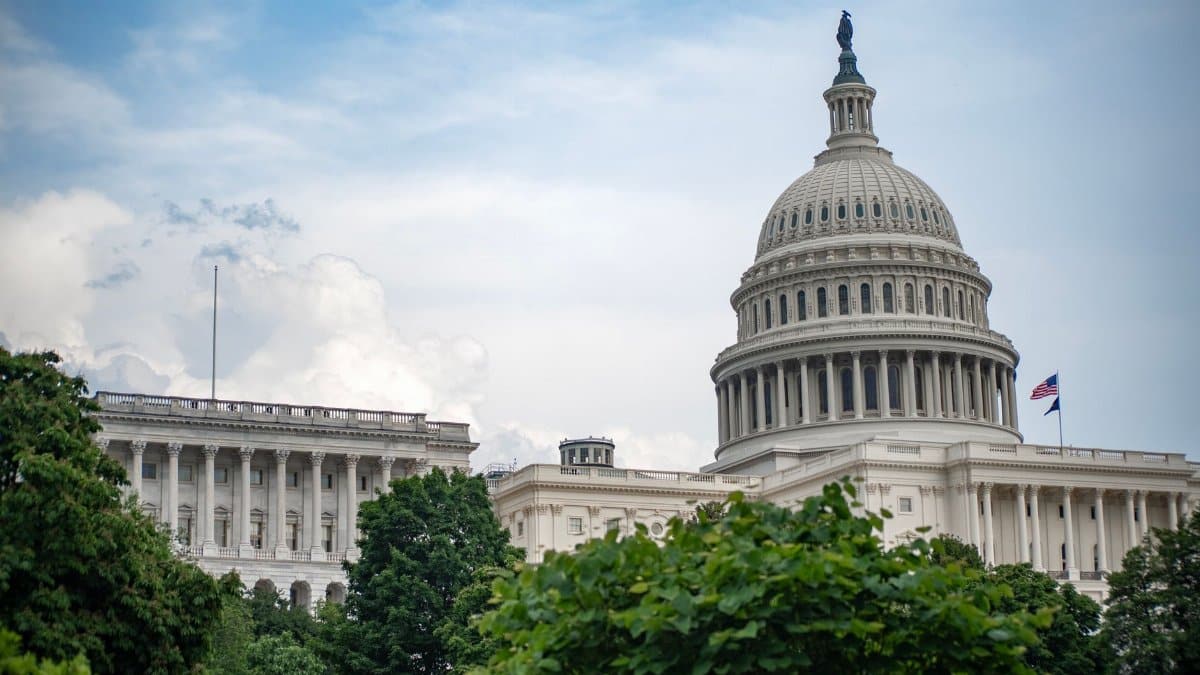
Observers note that contractor involvement in sensitive locations can raise questions about access and influence. Clear policies help separate official duties from commercial interests. Senators seek assurances that no shortcuts occurred during planning or execution phases.
Broader Industry Reactions

Other firms in the sector watch closely as this matter unfolds. Many emphasize their own compliance programs and willingness to cooperate with reviews. The episode may prompt updated standards for how private support intersects with federal properties.
Path Forward for the Inquiry

Committee staff continue gathering documents and scheduling briefings. AECOM has indicated readiness to provide additional context on its contributions. Outcomes could shape future approaches to similar projects across the capital. This AECOM White House inquiry serves as a reminder that transparency remains central even when funds originate outside government channels. Further updates are anticipated as the process advances.