
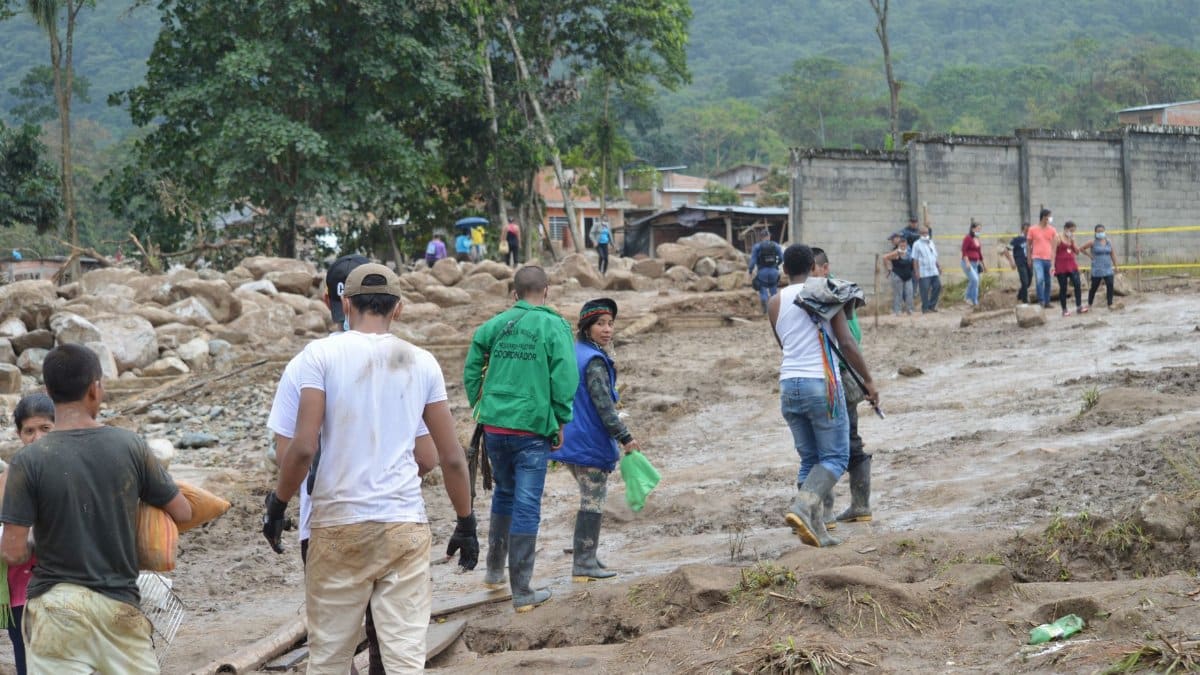
The streets of Caracas still bear the scars of the twin June earthquakes that reshaped lives across Venezuela, with survivors sifting through rubble for any trace of what once anchored their days. Official counts now place the death toll at 2,954, a figure that continues to climb as remote areas report additional losses. International teams have arrived in force, yet the shift toward Venezuela Earthquake Recovery 2026 marks a new chapter where temporary shelters give way to permanent rebuilding efforts amid ongoing aftershocks and supply shortages.
Scale of Destruction Across Affected Regions
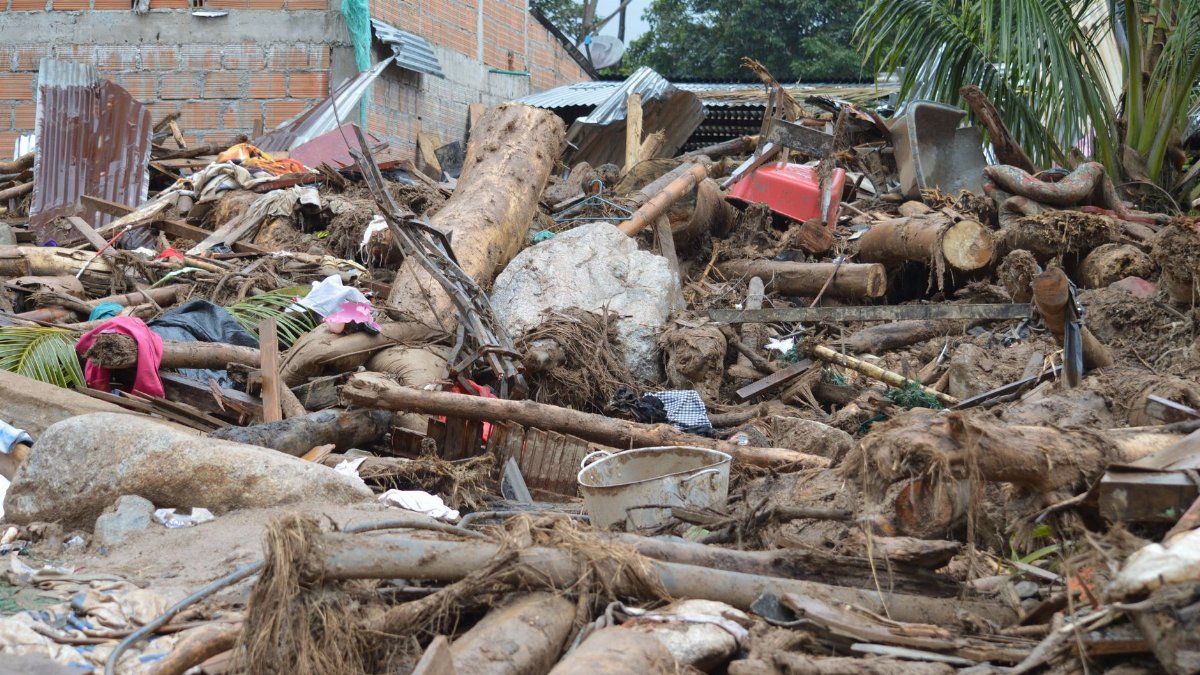
Entire neighborhoods in the western states lie flattened, with estimates placing damaged homes above 180,000. Hospitals in Maracaibo and surrounding towns lost critical equipment, forcing medical staff to improvise under canvas tents. Power grids remain patchy, leaving families without reliable electricity weeks after the initial tremors.
International Aid Arrivals and Coordination
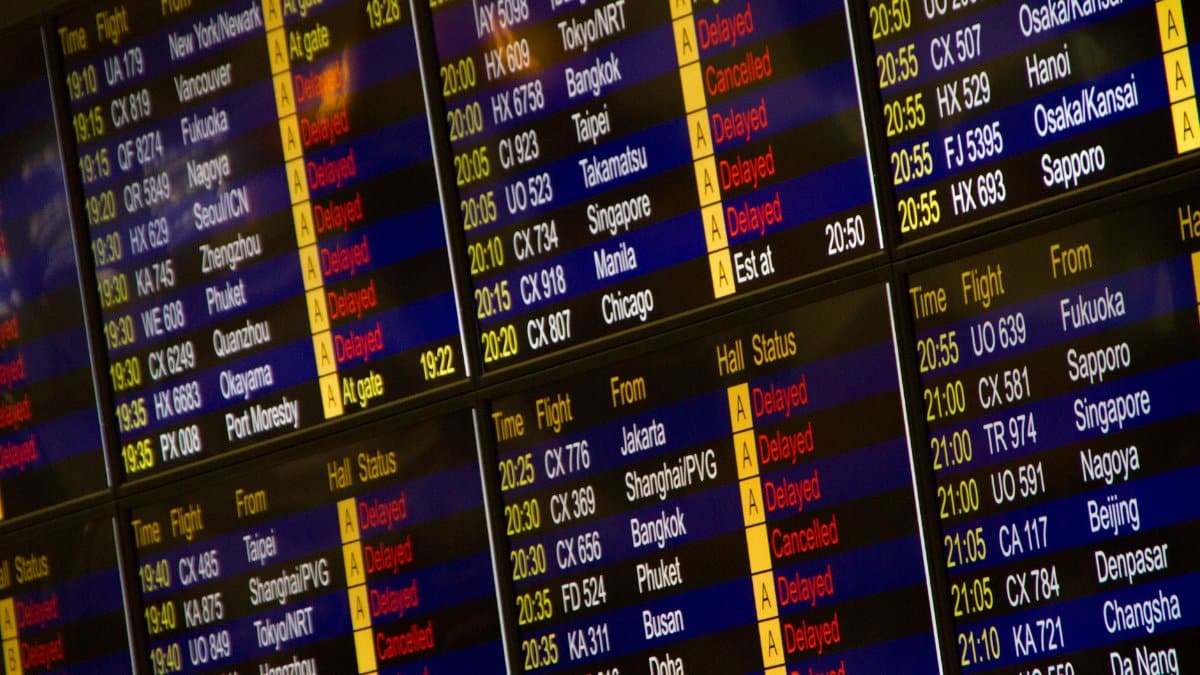
Teams from neighboring countries and European agencies have set up joint command centers to streamline deliveries of food, water and medical supplies. Cargo planes land daily at the main airport, though customs delays slow the flow of heavier construction materials needed for longer term work.
Logistical Hurdles in Remote Zones
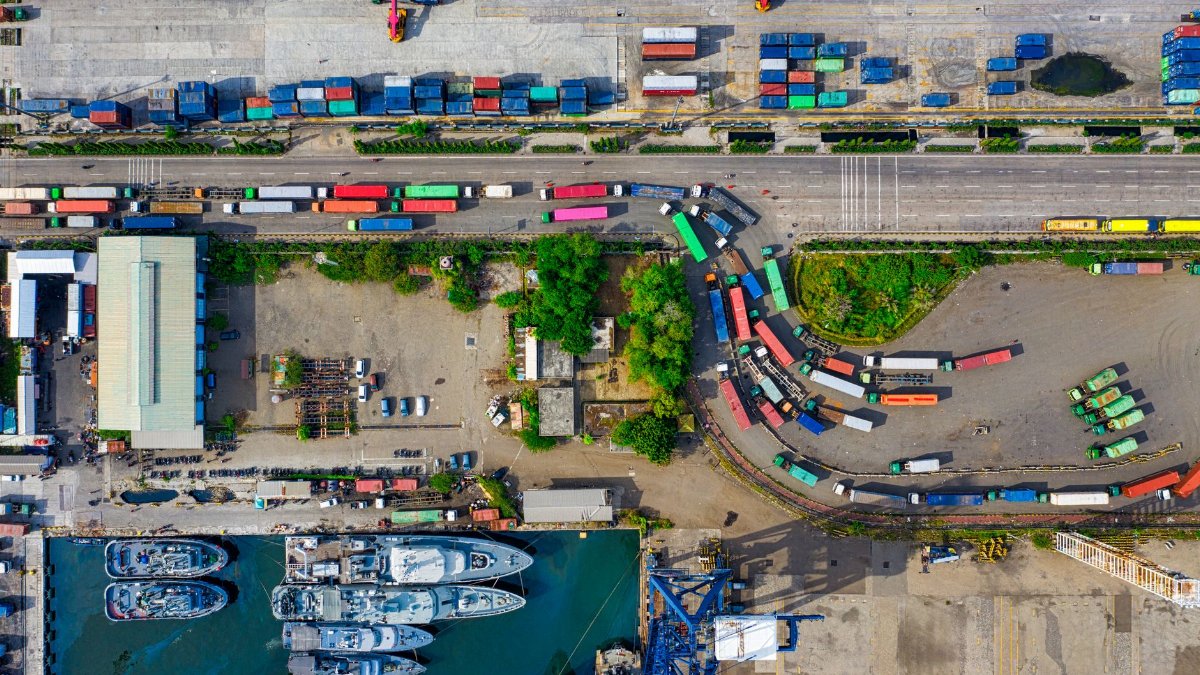
Mountain roads damaged by landslides require constant repair, complicating the movement of heavy machinery. Local volunteers often serve as guides, using satellite phones to direct convoys around washed out bridges. Fuel shortages further limit daily progress in these isolated communities.
Health Services Under Strain
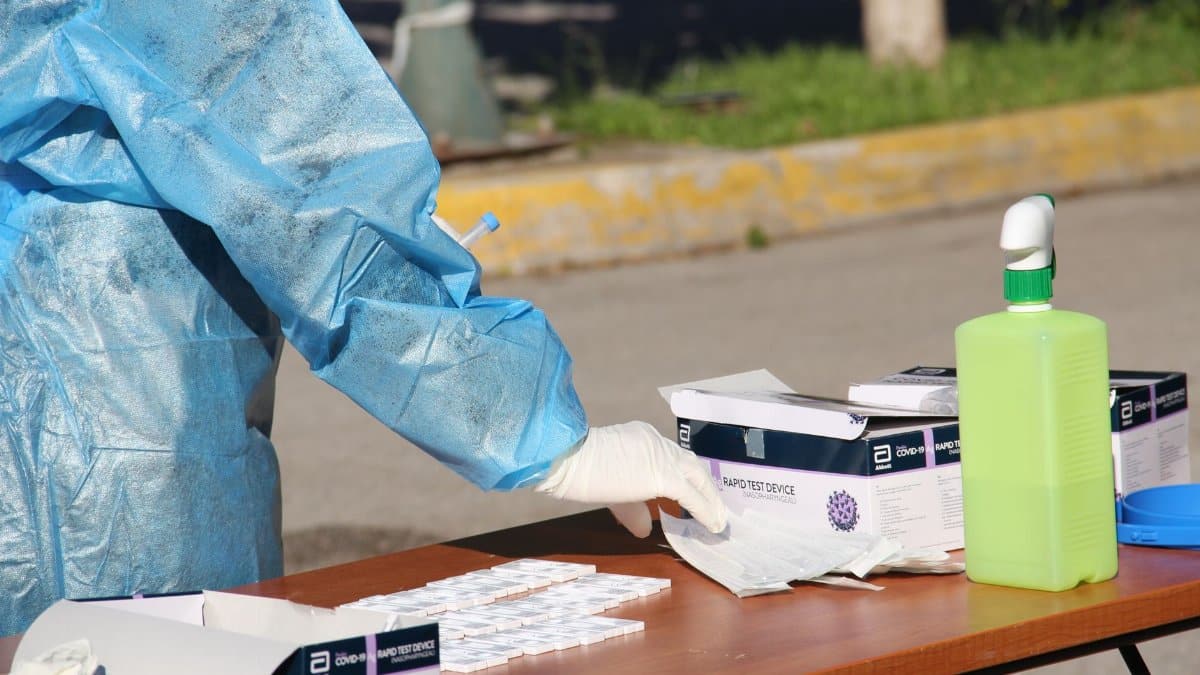
Mental health support remains scarce even as trauma cases rise among children and the elderly. Mobile clinics provide basic care, yet specialists in post disaster counseling are few. Vaccination campaigns have resumed in some camps, aiming to prevent outbreaks in crowded conditions.
Economic Ripple Effects on Daily Life
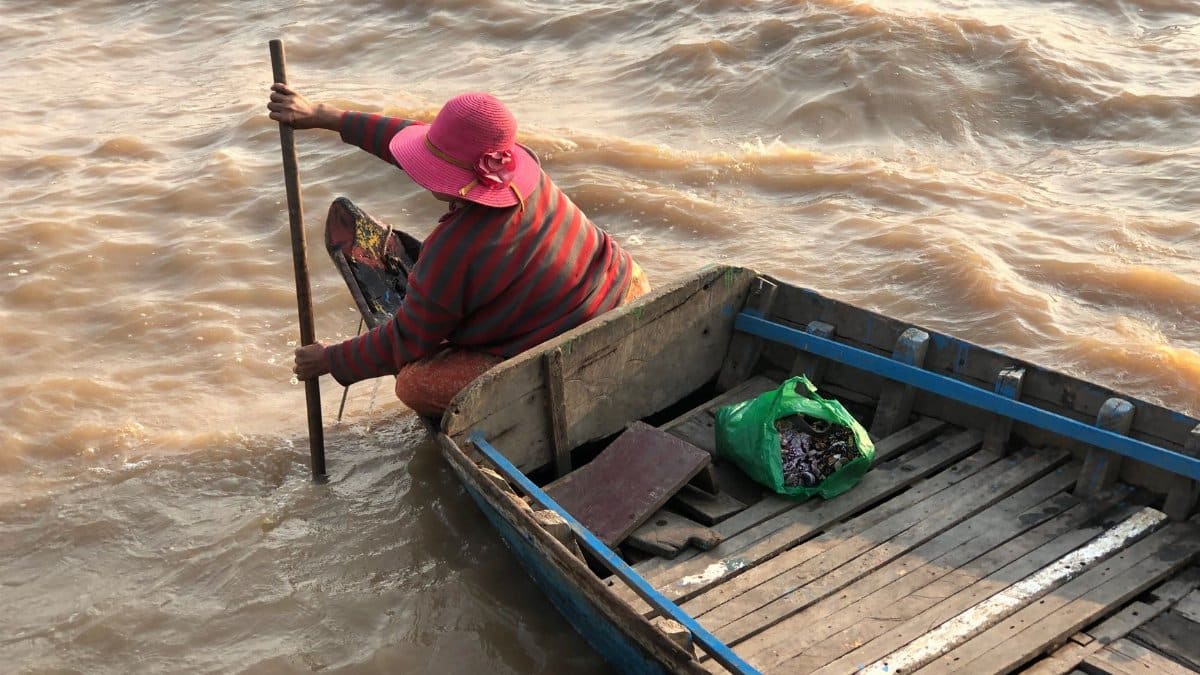
Markets that once bustled with produce now operate at reduced capacity due to lost inventory and transport issues. Small business owners report steep drops in revenue, pushing many households deeper into debt. Currency fluctuations add another layer of uncertainty for families planning any form of recovery spending.
Community Led Initiatives Taking Shape
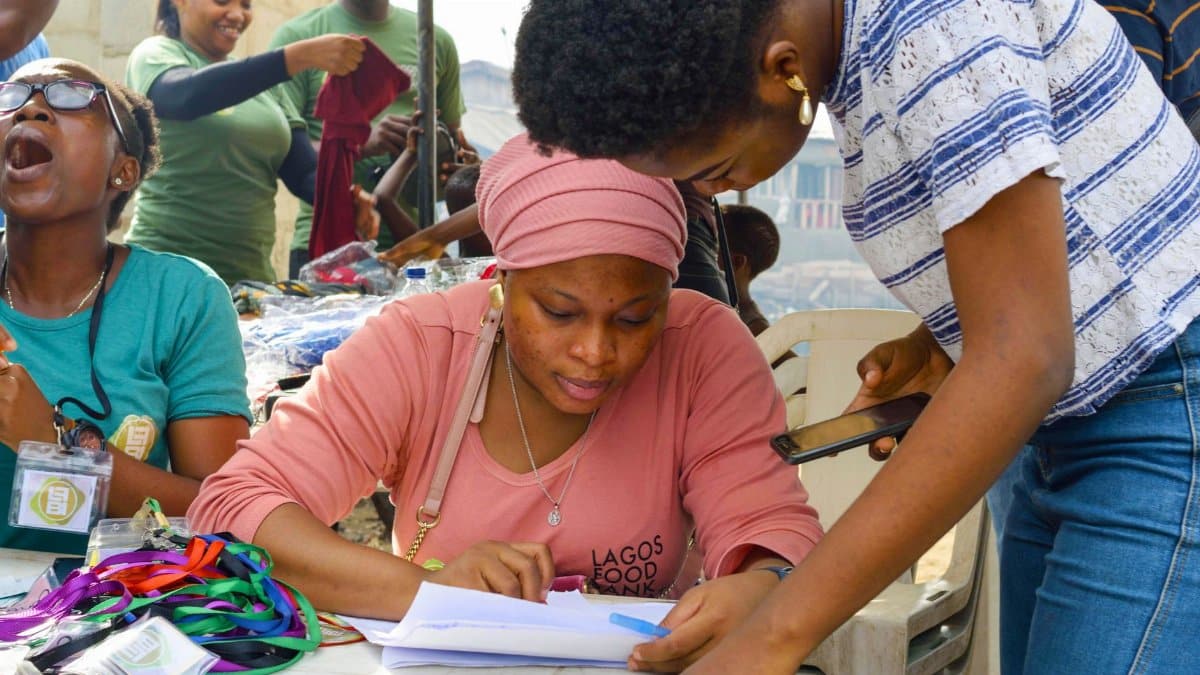
Local groups have begun mapping safe building sites and sharing traditional construction techniques adapted for seismic zones. Women in several villages organize rotating labor teams to clear debris, fostering a sense of collective purpose. These efforts complement official programs while highlighting gaps in top down planning.
Environmental Considerations During Rebuilding
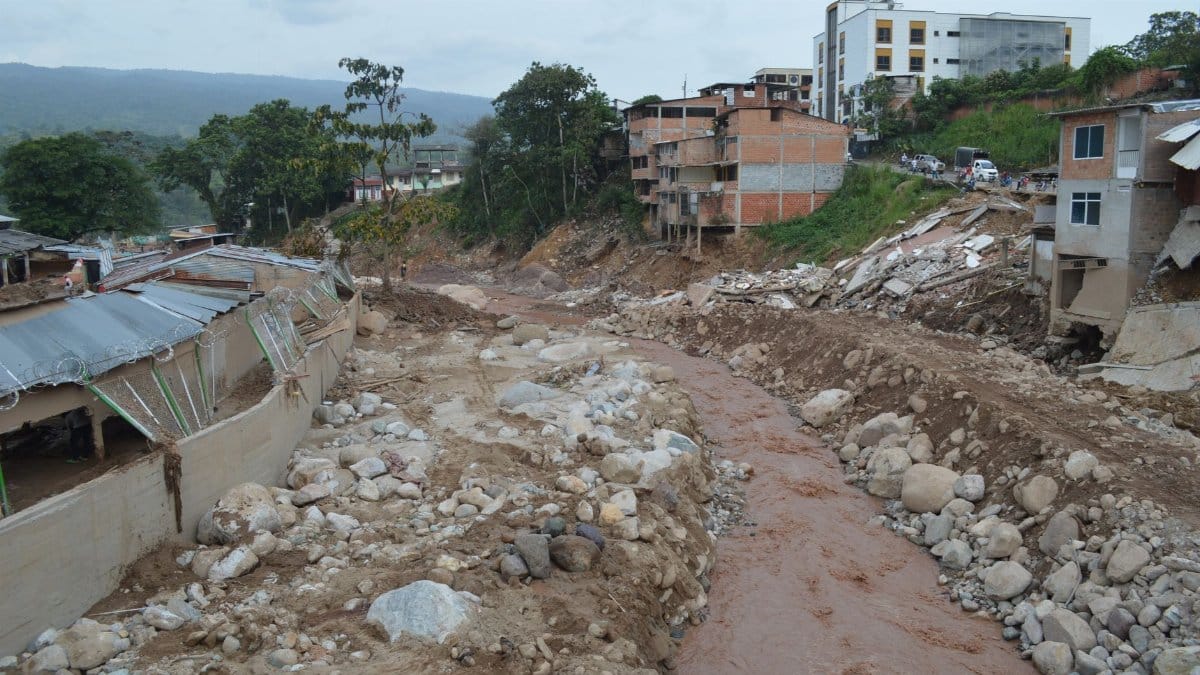
Officials stress the need to avoid rebuilding in flood prone valleys that amplified damage during the quakes. Reforestation projects along slopes aim to stabilize soil and reduce future landslide risks. Water management systems receive priority funding to prevent contamination in new settlements.
Role of Technology in Tracking Progress

Drones survey hard to reach valleys daily, feeding data into centralized dashboards that guide resource allocation. Mobile apps allow residents to report needs directly, though connectivity issues persist in many areas. These tools help coordinators adjust plans as conditions evolve on the ground.
Long Term Outlook for Venezuela Earthquake Recovery 2026
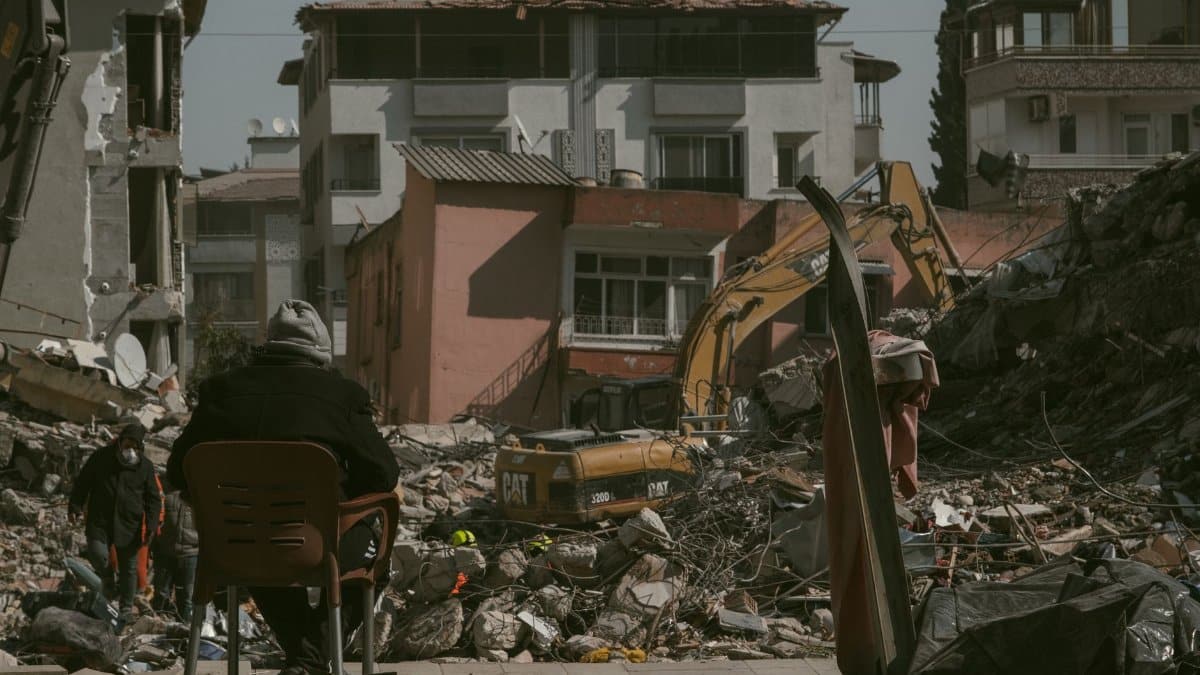
Planners project that full reconstruction could stretch well beyond the coming year, requiring sustained funding and political stability. Training programs for local engineers seek to build lasting capacity rather than rely indefinitely on outside expertise. Success hinges on balancing immediate shelter needs with durable infrastructure upgrades that can withstand future seismic events.
Stories of Resilience Among Survivors

One family in the highlands rebuilt a modest home using salvaged materials while awaiting formal permits. Teachers in temporary schools maintain lessons despite limited supplies, giving children routines amid uncertainty. These accounts underscore the determination that underpins broader Venezuela Earthquake Recovery 2026 efforts across the nation.