
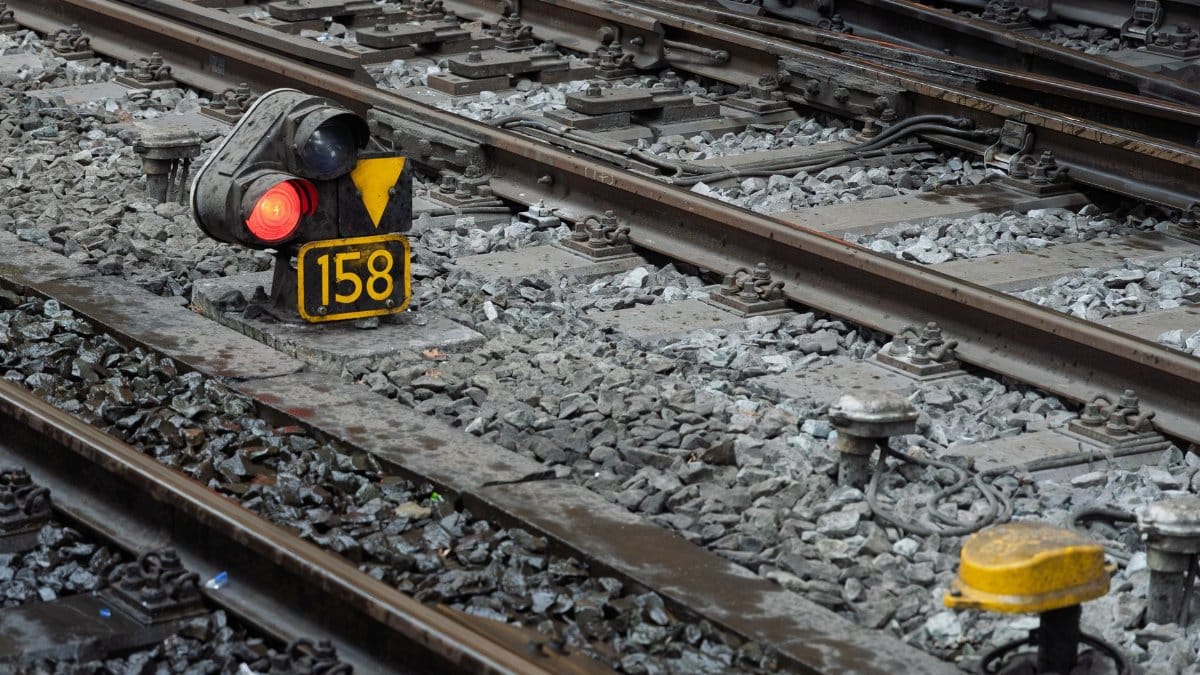
Commuters in Boston have grown accustomed to frequent service alerts, yet the scale of recent disruptions stands out. When the Massachusetts Bay Transportation Authority announced extended work on key segments of its busiest route, residents braced for weeks of rerouting and delays. The Red Line Shutdown represents more than routine maintenance. It highlights deeper challenges in keeping an aging system reliable for the thousands who depend on it each weekday.
Commuter Routines Disrupted Across the Region
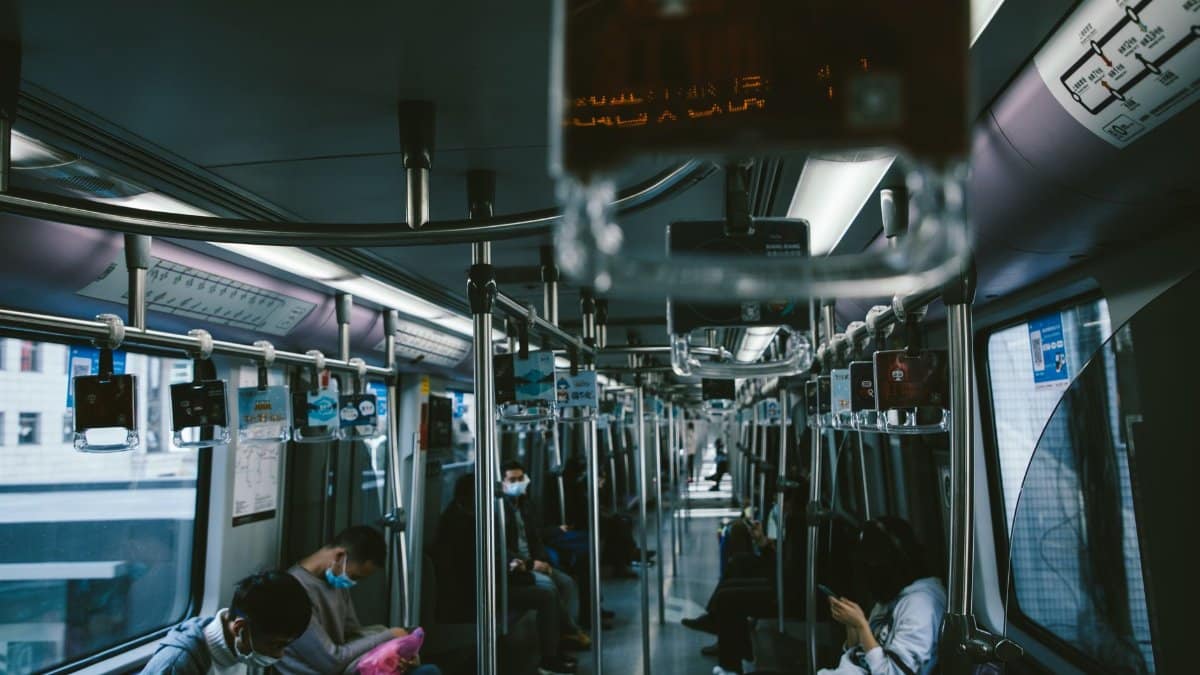
Travel times have lengthened noticeably for those heading into downtown from Cambridge and Somerville. Riders who once boarded at Alewife now face crowded buses or longer walks to alternate stations. Families adjusting school drop offs report added stress during morning hours. Local businesses near closed stops note fewer customers stopping in for coffee or newspapers.
Alternative Routes and Their Limitations
The authority has expanded bus service along parallel corridors, yet capacity remains tight during peak periods. Some passengers turn to rideshare options, though costs add up quickly over multiple trips. Bicycle lanes see increased use, but weather and safety concerns limit their appeal for many middle aged professionals. Subway transfers at other lines help somewhat, yet those connections often involve extra walking and waiting.
Background on MBTA Infrastructure Needs
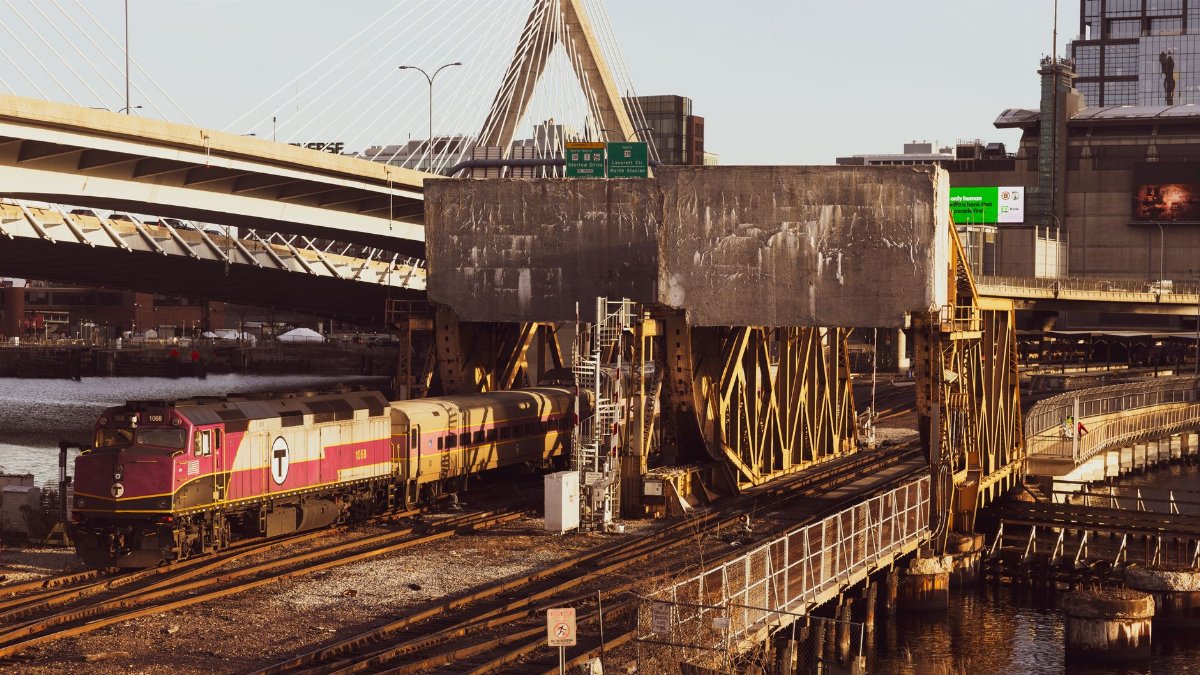
Decades of deferred repairs have left tracks, signals and stations in need of attention. Engineers point to corrosion and outdated electrical systems as primary concerns along the affected stretch. Past projects addressed smaller sections, yet comprehensive overhauls require longer closures to complete safely. Officials argue that short term pain will yield smoother rides once work finishes.
Economic Ripple Effects on Local Businesses

Shops and restaurants near Park Street report measurable drops in foot traffic. Delivery schedules for goods face adjustments when drivers encounter detours. Tourism operators note that visitors accustomed to easy transit sometimes opt for hotels closer to the airport instead. Economists tracking citywide data expect temporary drags on retail sales in the affected corridors.
Public Response and Advocacy Efforts
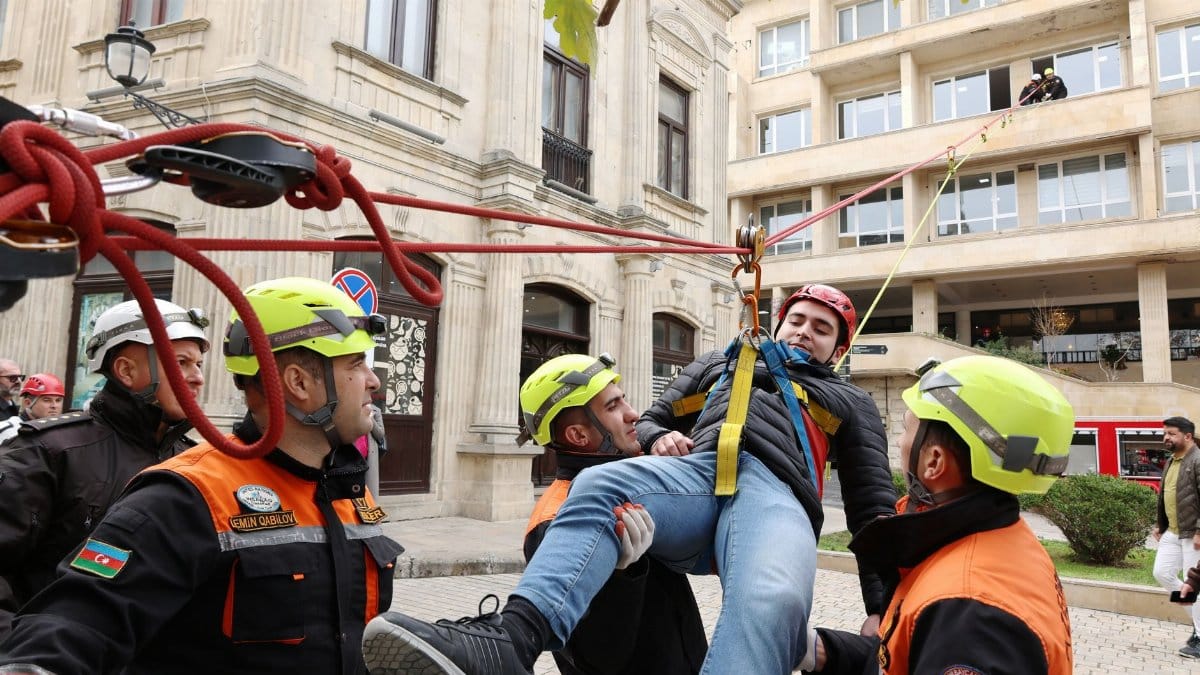
Community meetings draw steady crowds voicing frustration over communication gaps. Advocates push for clearer real time updates through apps and station announcements. Some riders organize carpools or stagger work hours to avoid the worst congestion. Letters to elected representatives emphasize the need for sustained funding beyond this single project.
Safety Measures During the Closure Period

Work crews operate under strict protocols to protect both employees and nearby residents. Temporary barriers and signage guide pedestrians around active sites. Police details assist with traffic flow at busy intersections where buses load and unload. Monitoring equipment tracks vibration levels to prevent unintended impacts on adjacent structures.
Longer Term Plans for System Reliability
Planners outline additional phases of track replacement and signal modernization scheduled through the next several years. Funding draws from state bonds and federal infrastructure allocations. Success depends on consistent budgets and timely contractor performance. Riders express cautious optimism that these investments will reduce future surprises like the current Red Line Shutdown.
Comparisons With Other City Transit Projects
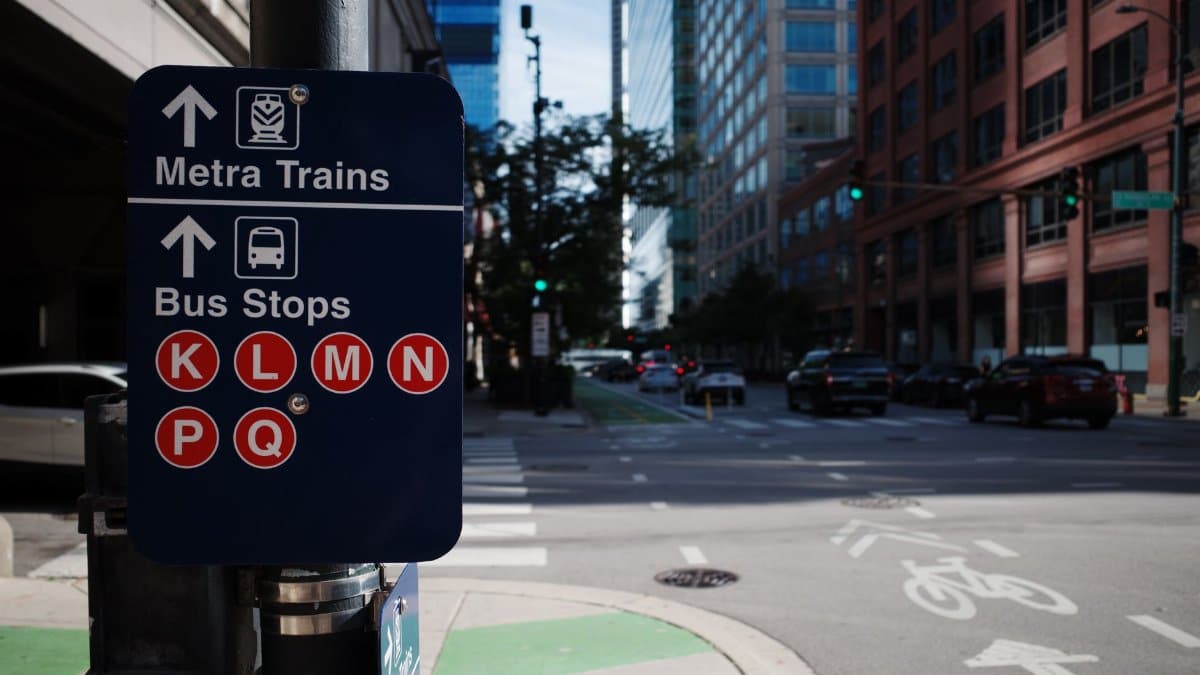
Similar maintenance campaigns in New York and Chicago offer lessons on minimizing rider hardship. Those cities deployed more express buses and temporary shuttles during comparable work. Boston officials have studied those models yet adapt them to local geography and ridership patterns. Outcomes will inform whether adjustments prove sufficient here.