
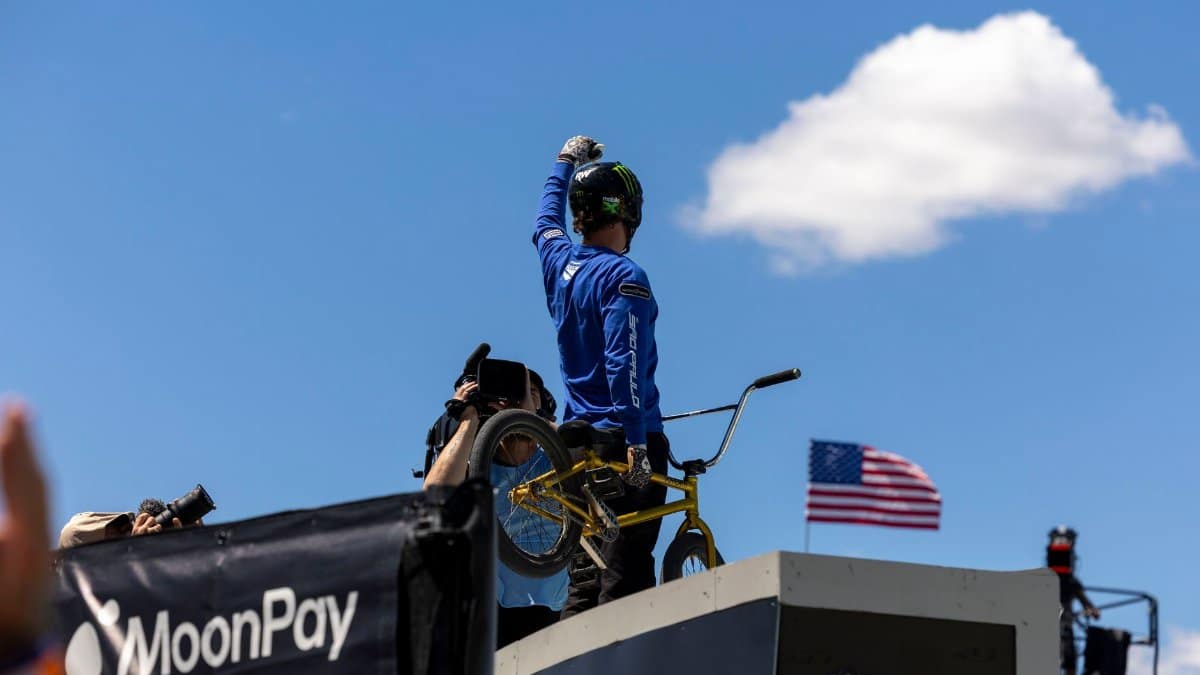
In cities from coast to coast the approach of a landmark national milestone collides with summer conditions that grow more intense each year. Organizers in places like Chicago find themselves adjusting schedules and resources as forecasts call for prolonged stretches of high temperatures during key public gatherings. This convergence creates a new set of priorities around public health and event logistics that few planners faced a generation ago. The phrase America 250 Extreme Heat Celebrations captures the dual reality of patriotic festivity and environmental pressure that now shapes preparations for the countrys semiquincentennial.
Adjusting Timelines for Public Gatherings
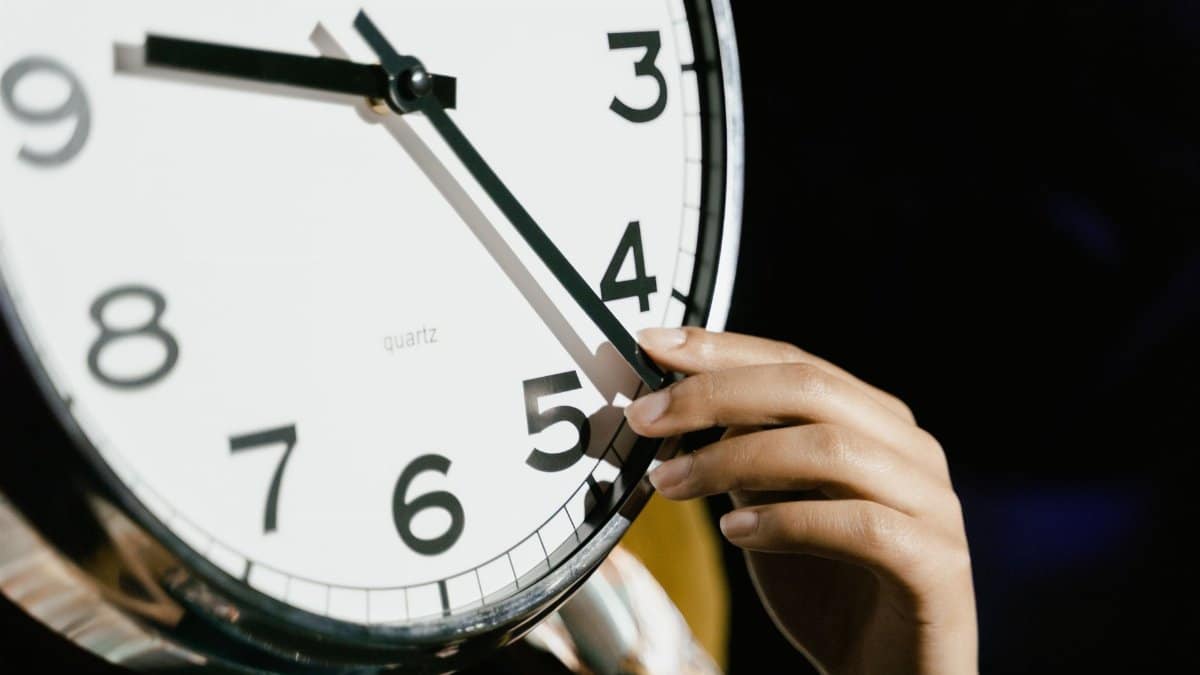
Event coordinators in Chicago and elsewhere have shifted start times for parades and outdoor concerts to earlier morning hours. Such changes aim to reduce exposure during peak heat periods when medical calls tend to rise. Local officials report that these adjustments require coordination with transportation agencies and volunteer groups to maintain attendance levels. Early data from similar past events suggest that flexible scheduling can cut heat related incidents by noticeable margins.
Health Guidance Issued for Residents
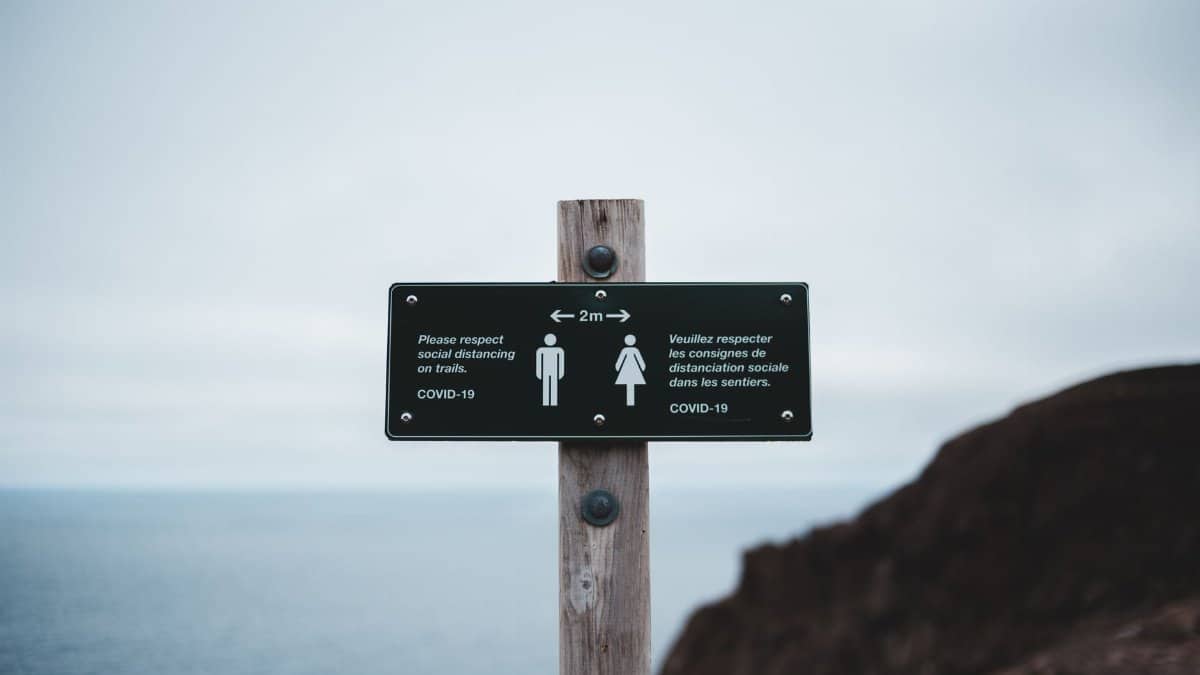
Medical experts recommend that attendees carry water and seek shade at regular intervals throughout any outdoor program. Public service announcements now emphasize recognizing early signs of heat exhaustion before symptoms worsen. Hospitals in urban centers have expanded staffing on anticipated high attendance days to handle possible surges in emergency visits. Community workshops provide practical tips on clothing choices and hydration strategies suited to prolonged exposure.
Chicago Infrastructure Under Review
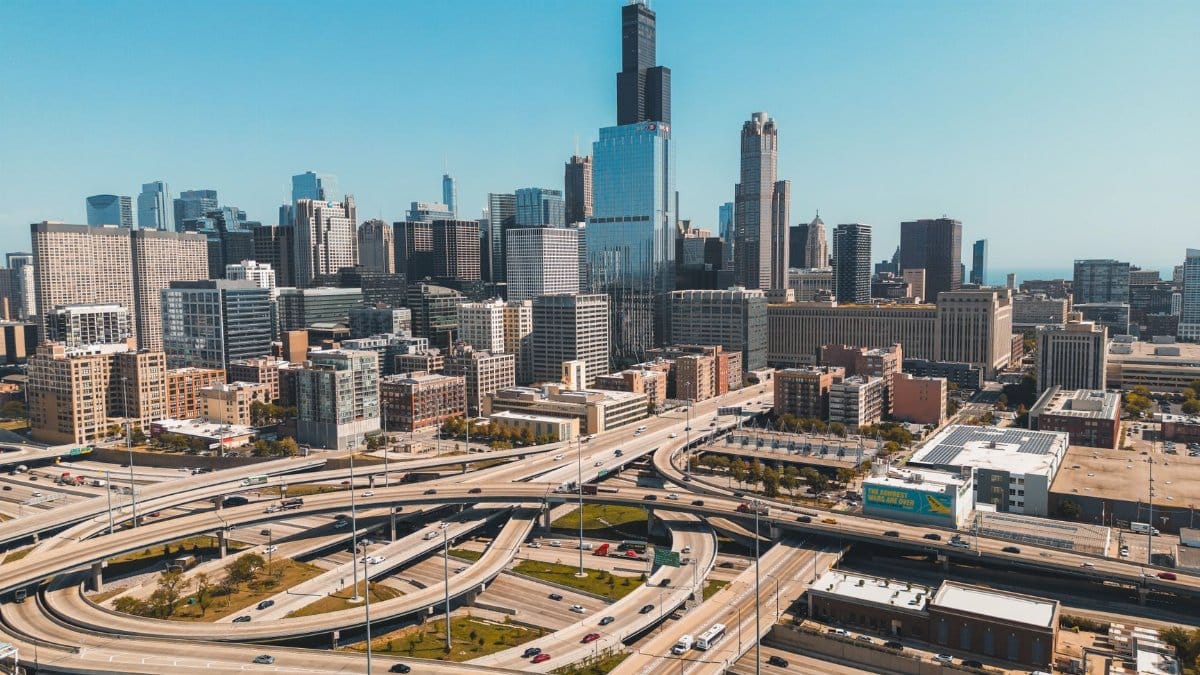
City engineers examine cooling stations and misting systems installed along parade routes to determine their capacity during extended heat waves. Older neighborhoods with limited tree cover receive priority for temporary shade structures and additional water distribution points. Budget allocations reflect growing awareness that such investments protect both residents and visitors drawn to anniversary programming. Partnerships with utility companies help monitor power demand from increased air conditioning use in public buildings repurposed as rest areas.
Historical Context of Summer Events
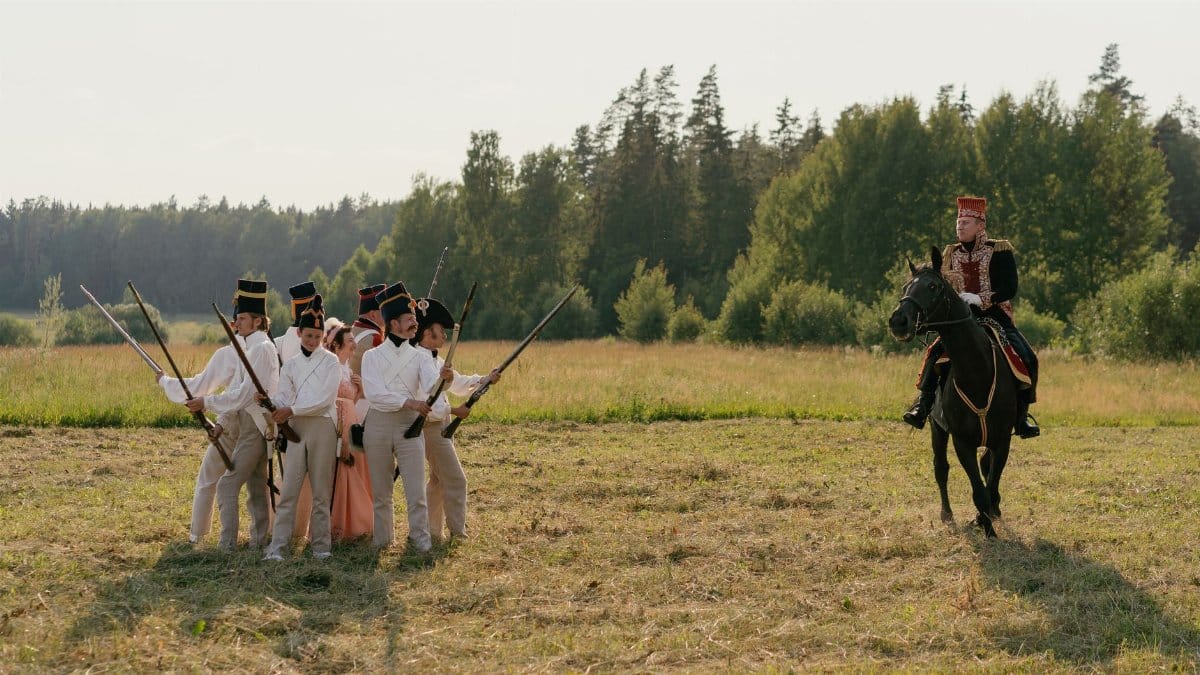
Past national commemorations occurred under more moderate climate patterns that allowed longer midday programs without widespread concern. Contemporary records show average temperatures in July have climbed steadily across the Midwest and Northeast regions. Organizers reference these shifts when deciding on venue modifications such as expanded indoor backup spaces. Lessons from earlier anniversaries inform current protocols yet require updates to match present conditions.
Economic Considerations for Local Businesses

Retailers and food vendors near celebration sites adapt menus and operating hours to favor lighter fare and shorter shifts for employees. Insurance providers have begun offering specialized policies that address heat related disruptions to outdoor commerce. Tourism boards promote shoulder season visits to spread economic benefits beyond the main anniversary weekend. Data from recent summers indicate that proactive measures can preserve revenue even when weather deviates from historical norms.
Community Response and Volunteer Roles

Neighborhood associations recruit additional volunteers trained in basic heat safety to assist at crowded venues. Training sessions cover topics from directing people to cooling locations to recognizing when professional medical help becomes necessary. These grassroots efforts complement official city resources and foster a sense of shared responsibility. Feedback from prior gatherings shows that visible volunteer presence reassures attendees and encourages compliance with safety advisories.
Looking Ahead to Future Anniversaries

Planners already consider how lessons from current America 250 Extreme Heat Celebrations will shape bicentennial style events decades from now. Investments in permanent shade architecture and green corridors offer benefits that extend well beyond any single holiday weekend. Regional climate assessments guide decisions on which venues may need relocation or redesign. Collaboration across city agencies sets a template for other municipalities facing similar intersections of heritage and weather.
Balancing Tradition With Practical Limits

Fireworks displays remain central to many programs yet face scrutiny over timing and duration when temperatures climb. Alternatives such as drone shows or indoor projections gain consideration in locations where heat indices exceed safe thresholds for large crowds. Preservation of cherished rituals requires creative adaptations rather than wholesale cancellation. Public input sessions allow residents to voice preferences while acknowledging the constraints imposed by current forecasts.