
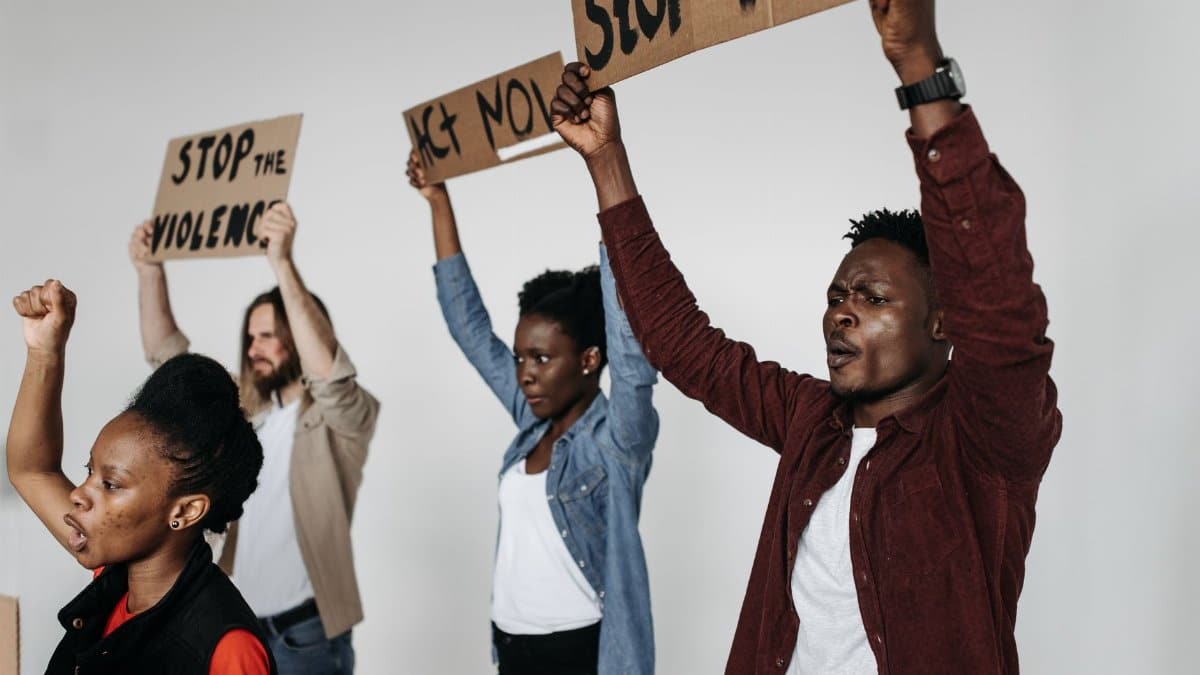
In recent years many Americans have felt the strain of sharp disagreements turning into outright hostility on streets and in public spaces. Observers note how routine debates over policy can escalate quickly when emotions run high and trust erodes. Researchers in the field of Political Violence Psychology seek to explain why ordinary people sometimes resort to aggression over political matters and what can be done to ease those impulses. Their work draws on studies of group behavior and individual decision making to offer practical steps toward calmer discourse.
Tracing Early Influences on Group Aggression

Scholars trace how childhood experiences and community norms shape later responses to political disagreement. Families that model respectful debate tend to produce adults less prone to confrontation. Data from long term surveys reveal that exposure to hostile media environments can heighten readiness for conflict even among those who once avoided activism. Community programs that teach early coping skills show promise in lowering future risks.
Examining Social Media Amplification Effects

Platforms designed for rapid sharing often reward extreme statements over measured ones. Algorithms favor content that sparks outrage because it drives engagement. Studies indicate users immersed in such environments begin to view opponents as threats rather than fellow citizens. Political Violence Psychology highlights how repeated exposure alters perceptions and lowers barriers to aggressive acts during rallies or online campaigns.
Exploring Identity and Perceived Threats

When individuals tie self worth closely to political affiliations they interpret challenges as personal attacks. This mindset fuels defensive postures that can spill into physical confrontations. Findings suggest that broadening identity beyond partisan lines reduces the intensity of reactions. Group workshops focused on shared values have helped participants reframe disputes in less volatile terms.
Reviewing Evidence from Field Interventions

Teams working in divided cities have tested dialogue circles that bring opposing sides together under neutral conditions. Results point to modest but measurable drops in reported tensions after several sessions. Follow up assessments show sustained benefits when participants maintain contact through joint projects. Such approaches align with core principles in Political Violence Psychology that stress relationship building over confrontation.
Considering the Role of Leadership Rhetoric

Public figures who emphasize common ground appear to dampen aggressive tendencies among supporters. In contrast inflammatory language correlates with spikes in reported incidents. Analysis of speech patterns reveals that calls for restraint can shift norms within large audiences. Training for elected officials now incorporates insights from this area to encourage more constructive messaging.
Assessing Community Based Healing Programs
Local organizations have launched initiatives that combine education with practical support for those affected by clashes. Participants learn techniques for managing stress during heated exchanges. Evaluations indicate lower rates of repeat involvement in disputes among graduates. These efforts reflect broader applications of Political Violence Psychology aimed at restoring social cohesion.
Investigating Psychological Resilience Factors
Some people maintain composure amid intense political environments due to strong personal networks and reflective habits. Training modules that build these traits show effectiveness across diverse populations. Longitudinal observations confirm that resilience skills transfer to real world settings and reduce escalation. Practitioners continue to refine methods based on ongoing data collection.
Looking Ahead at Policy Implications

Lawmakers increasingly consult psychological research when drafting measures to address public safety during events. Emphasis falls on prevention through education rather than solely punitive responses. Pilot projects in several states demonstrate that integrated strategies yield better outcomes. Continued investment in this domain could shape more stable civic interactions over time.