
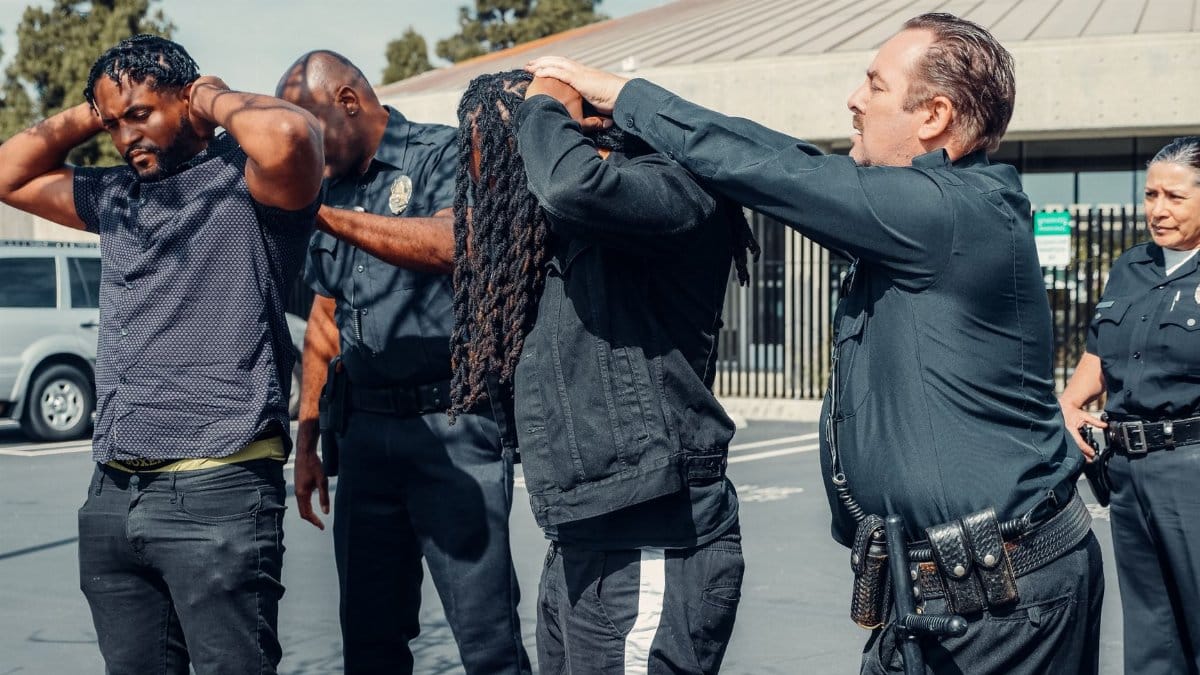
Recent reports from the Philadelphia Inquirer shed light on shifts in local policing and justice practices. These accounts draw attention to how neighborhoods cope with changing conditions and what measures might foster greater stability. Philadelphia Public Safety stands out as a key focus because it touches daily routines for families, workers, and business owners throughout the region. Officials and advocates continue to examine data on response times and case outcomes while weighing options that respect both accountability and fairness. The coverage invites readers to consider broader patterns rather than isolated events.
Community Groups Shape Local Approaches

Residents in several districts have formed networks that share observations with police commanders and city agencies. These efforts focus on prevention through regular gatherings where people exchange practical ideas. Over time such collaboration has led to modest reductions in certain incidents as trust grows between neighbors and those sworn to protect them.
Changes in Policing Practices Under Review

Command staff have adjusted deployment patterns based on feedback from field officers and civilian oversight boards. Training programs now place greater weight on deescalation techniques and cultural awareness. Early evaluations suggest these adjustments influence how encounters unfold though full results will require additional months of tracking.
Justice Reform Efforts Gain Momentum
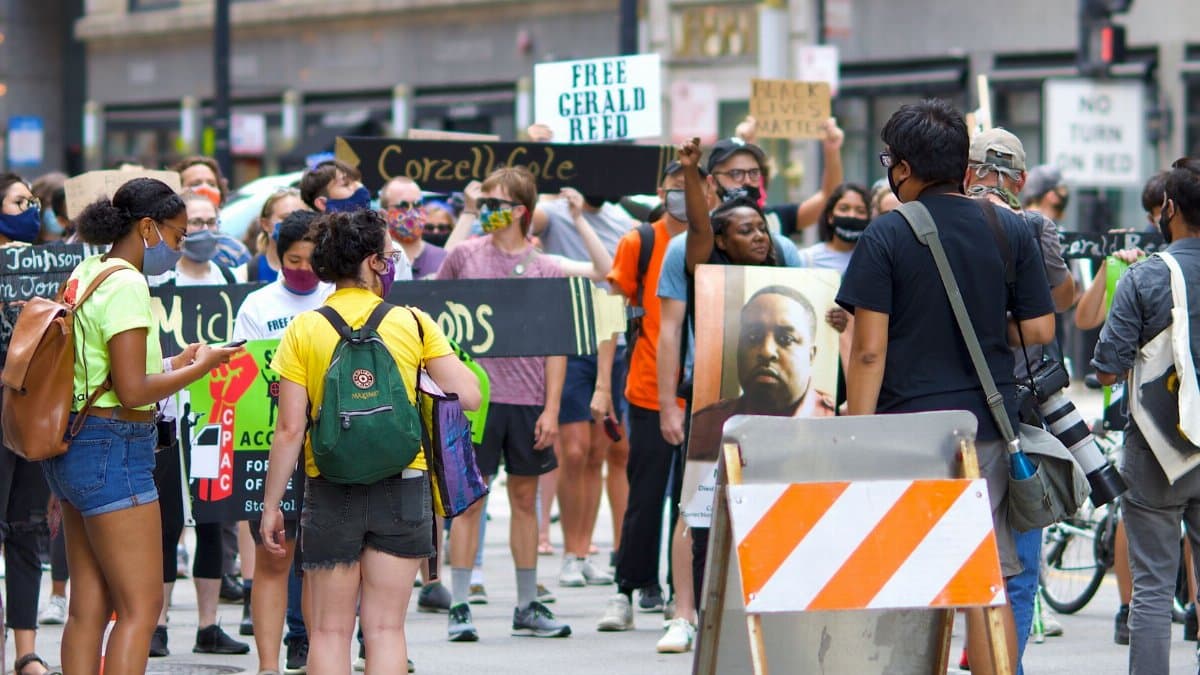
Courts and prosecutors examine alternatives to traditional sentencing for nonviolent matters. Diversion programs aim to connect individuals with counseling or job support instead of prolonged detention. Advocates argue these paths reduce repeat involvement while critics question whether they provide enough deterrence.
Data Tracking Informs Policy Decisions

Analysts compile statistics from multiple sources to identify trends across districts. Maps and charts reveal clusters where resources might produce better outcomes. City leaders rely on these visuals when allocating budgets for equipment and personnel.
Youth Programs Address Root Factors

Schools and nonprofits run after hours activities that keep young people engaged in constructive pursuits. Mentorship pairings connect participants with adults who offer guidance on career paths and conflict resolution. Participants often report stronger connections to their surroundings as a result.
Business Districts Seek Balanced Solutions

Store owners along commercial corridors meet with safety coordinators to discuss lighting upgrades and camera placement. They also explore ways to support employees who witness troubling events. These steps reflect an understanding that economic vitality depends on perceived security.
Media Coverage Influences Public Views
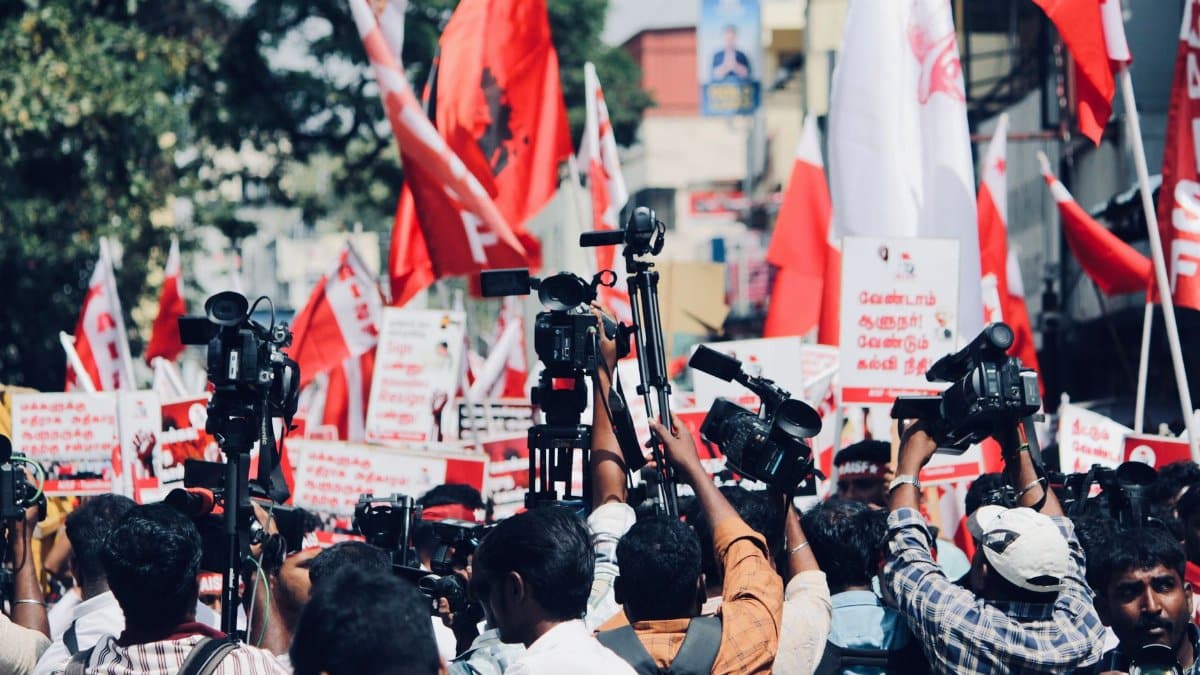
Stories published by the Inquirer reach wide audiences and spark conversations at kitchen tables and online forums. Readers weigh competing claims about progress or setbacks. This ongoing dialogue helps sustain pressure on elected representatives to deliver measurable improvements.
Future Outlook for Coordinated Action

Philadelphia Public Safety will likely remain a priority as new leadership takes office and existing programs undergo scrutiny. Success will hinge on sustained funding and genuine input from those most affected. Observers note that incremental gains matter more than sweeping promises when real lives are involved.