
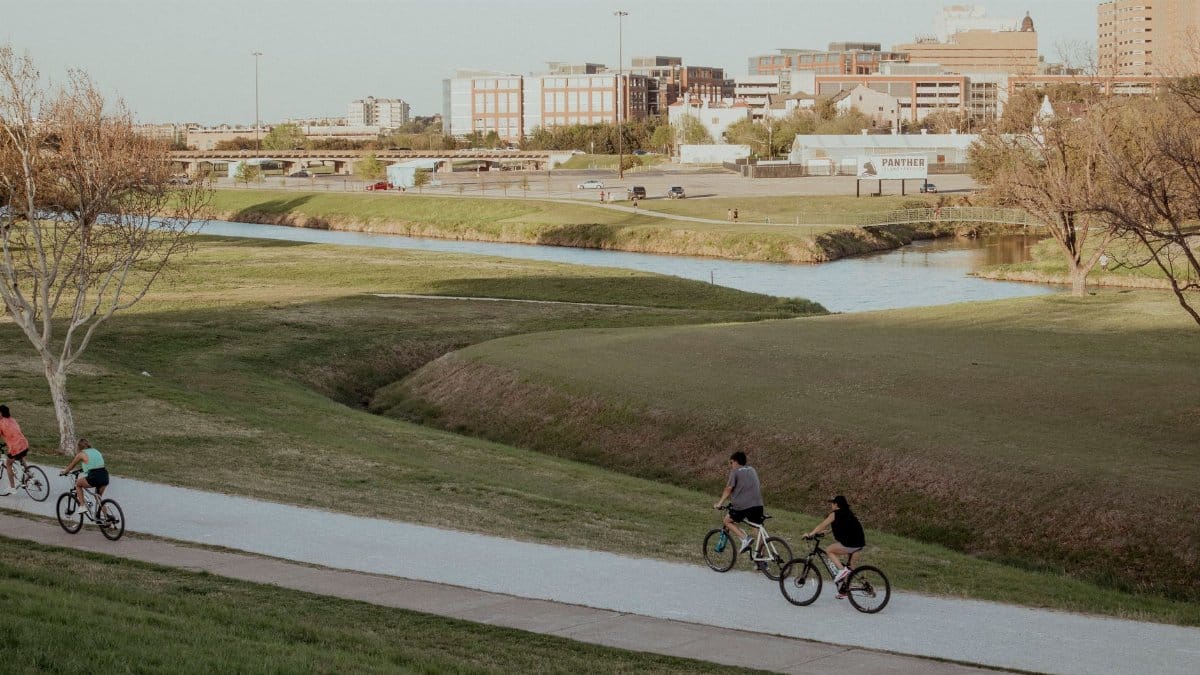
The morning sun struggled to pierce the gray veil draped across north Texas skies as residents stepped outside to find their views shortened by drifting smoke. Such conditions highlight how distant wildfires reshape local routines in unexpected ways. Ross Fire visibility has drawn particular attention from forecasters and families alike who now weigh daily plans against shifting air patterns.
The Spread of Smoke Across the Region
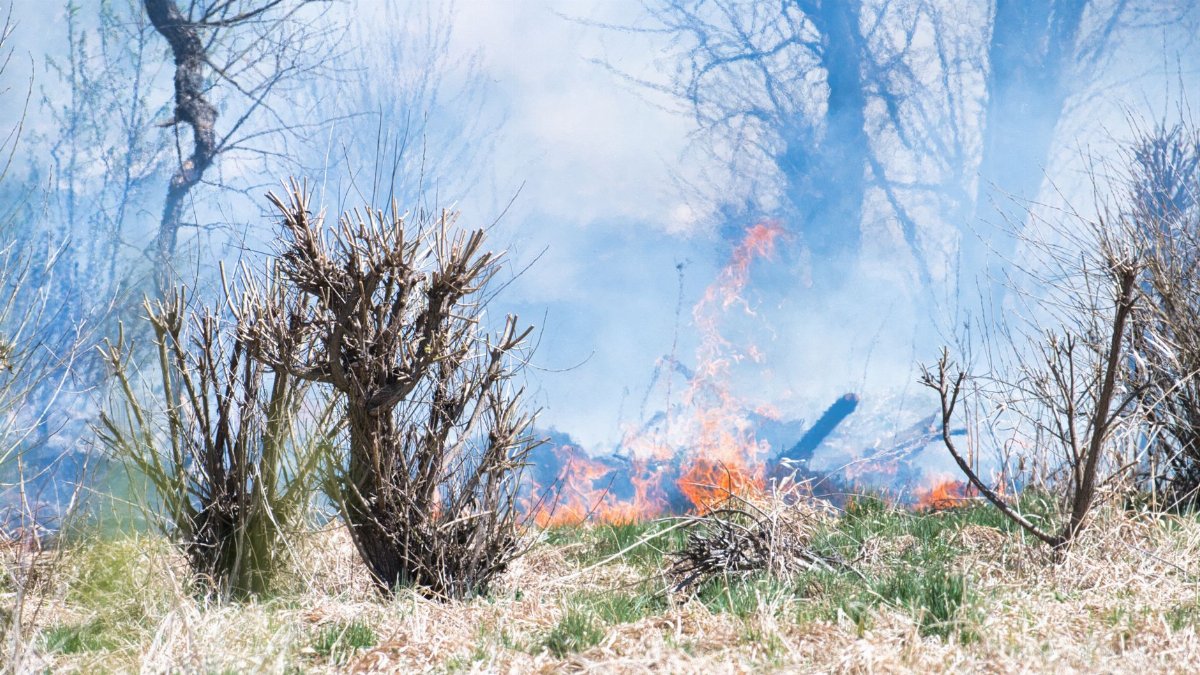
Forecasters at the National Weather Service noted that winds carried particles from the blaze into the metro area creating a noticeable haze. Residents reported that familiar landmarks appeared softened and distant as the layer settled low. This movement of air masses shows how geography and weather combine to affect wide territories beyond the immediate fire zone.
Effects on School Schedules and Student Life

Fort Worth ISD officials decided to halt all outdoor athletic sessions and recess periods for the day. Coaches adjusted training to indoor facilities while parents received notices about modified pickup times. Students accustomed to afternoon practices found themselves redirected toward classroom based alternatives that kept them shielded from the reduced air clarity.
Air Quality Measurements and Public Health

Readings from ground stations placed the index in the moderate to unhealthy range for sensitive groups. Officials urged those with respiratory conditions to limit time outdoors and to keep windows closed during peak hours. Medical experts emphasized that even brief exposure can irritate throats and eyes prompting many to reach for masks or stay inside.
Community Responses and Precautions

Local libraries extended hours to offer cool clean spaces for families. Pharmacies saw increased requests for allergy relief items while grocery stores stocked extra bottled water. Neighbors shared updates through group messages advising one another on safe walking routes and the best times to run errands.
Broader Environmental Patterns

Seasonal dryness combined with gusty conditions has lengthened the window when smoke travels farther than in past decades. Researchers point to changing vegetation patterns that feed larger fires and allow plumes to persist. These trends suggest that visibility challenges may recur more often requiring communities to refine their alert systems.
Looking Ahead to Future Seasons

City planners have begun reviewing shelter options and communication protocols for similar events. Schools consider stocking indoor activity kits while health departments prepare public service messages that reach diverse language groups. Such preparations aim to reduce disruption and protect daily life when the next plume arrives.