

When the floods tore through western Washington late last year entire neighborhoods disappeared under brown churning water. Families watched their homes fill from the floors up while farmers saw seasons of work vanish in hours. Now as spring arrives and the usual tax obligations loom the federal government has stepped in with compassion. The Internal Revenue Service has granted a washington tax deadline extension to thousands of residents and businesses struggling in the wake of that destruction. This decision does more than move a date on the calendar. It acknowledges the real human cost of disaster and gives people space to breathe while they rebuild what the waters took.
The Devastation Left Behind By Rising Waters
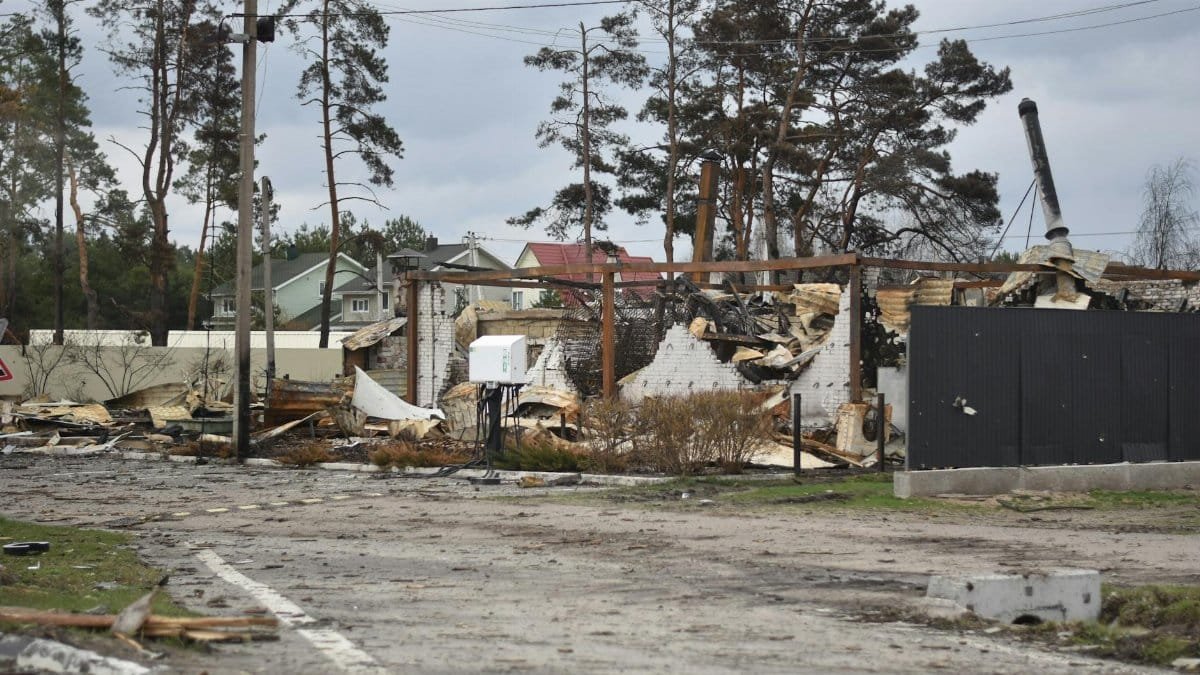
Months after the floods receded the scars remain visible across Snohomish and King counties. Roads still buckle in places. Basements stay damp. Insurance claims drag on and many homeowners have yet to receive full settlements. Local officials estimate damages exceeded one hundred fifty million dollars with hundreds of properties declared uninhabitable. For middle aged families who thought they had stable lives the sudden loss created layers of stress that reach into every corner of daily existence. Parents worry about children missing school while trying to manage temporary housing. Seniors who planned quiet retirements now face unexpected expenses they never budgeted for.
Understanding The IRS Decision On Tax Relief

Federal tax authorities acted after reviewing requests from state officials and direct appeals from affected communities. The washington tax deadline extension postpones the filing and payment deadline until October fifteenth for those living or operating in the declared disaster zones. This relief covers both individual returns and many business filings. The move follows established protocols used after hurricanes wildfires and other major events. By shifting the deadline the agency hopes to prevent further financial hardship for people already stretched thin by repair costs and lost wages. Officials emphasize that interest and penalties will not accrue during the extension period for qualifying taxpayers.
Who Can Benefit From This Washington Tax Deadline Extension

Eligibility focuses on individuals and businesses physically located in the disaster areas at the time of the flooding. This includes full time residents part time property owners and companies with operations in the affected zones. People who conducted major charitable work in the region may also qualify in certain cases. The Internal Revenue Service has published clear maps and guidelines on its website to help residents determine their status. Those outside the immediate disaster boundaries but who suffered indirect losses such as supply chain disruptions may need to provide additional documentation. Tax professionals recommend consulting a qualified preparer familiar with disaster relief provisions to ensure proper claims.
Practical Steps For Those Seeking To File Later

Residents do not need to submit special forms to receive this automatic relief. The extension applies once the IRS has designated the area a federal disaster zone. Still experts advise keeping detailed records of all flood related expenses as these may become deductible on future returns. Organizing documents now while memories remain fresh will ease the process when filing time eventually arrives. Many local libraries and community centers have begun offering free tax preparation assistance tailored to disaster survivors. Financial counselors suggest using the extra months to review budgets and explore available grants before committing to any large reconstruction projects.
Impact On Local Economies And Small Enterprises

Small businesses form the backbone of many Washington communities now working to recover. Restaurants shops and contractors that lost inventory or sustained property damage face steep challenges. The extended deadline gives owners time to accurately calculate losses and explore loans or assistance programs without the added pressure of an imminent tax bill. Chamber of commerce leaders report that this breathing room could prevent a wave of closures that would further harm local economies. Some entrepreneurs have used the delay to pivot toward services particularly needed during recovery such as debris removal and mold remediation creating new revenue streams in the process.
Stories Of Resilience From The Ground

In a modest neighborhood outside Everett one longtime resident described how neighbors formed an informal network to share tools meals and emotional support. Another family spoke of their decision to remain in the area despite having every reason to leave. These personal accounts reveal a determination that goes beyond simple survival. Middle aged workers who lost both homes and jobs still show up each day to help clear debris from public spaces. Their experiences underscore how disaster can forge unexpected bonds across economic and cultural lines. The extra time provided by the tax relief allows these individuals to focus on immediate human needs rather than paperwork.
The Spiritual Side Of Community Recovery

Churches synagogues and faith communities have emerged as vital hubs of support throughout the affected regions. Pastors report that attendance at counseling circles and prayer gatherings has risen sharply as people seek meaning amid loss. The washington tax deadline extension contributes to this spiritual landscape by removing one source of anxiety and allowing individuals to engage more fully with their faith traditions during recovery. Many religious organizations have partnered with government agencies to distribute aid and offer workshops on emotional resilience. This intersection of practical help and spiritual guidance reflects a growing national trend in which communities turn to both policy solutions and deeper sources of hope when facing collective trauma. Leaders emphasize that true rebuilding must address the human spirit as much as it does physical structures.
Comparing This Relief To Earlier Disaster Responses
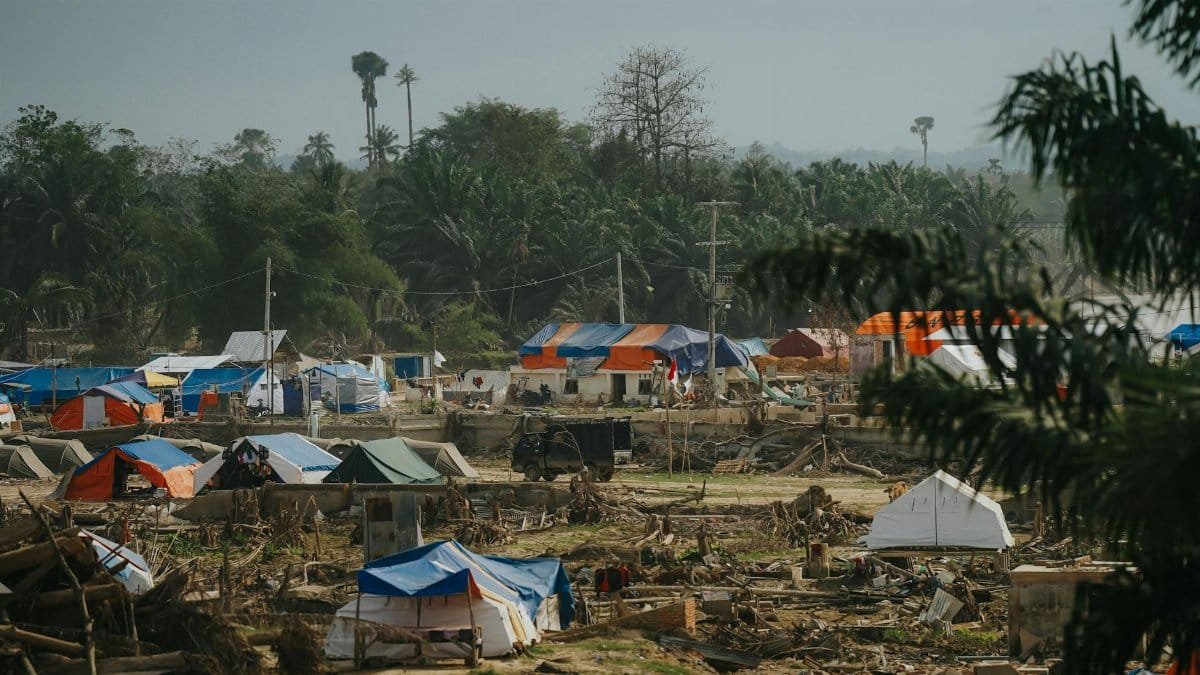
Similar extensions followed the Oso landslide in two thousand fourteen and the wildfires that ravaged eastern Washington in recent years. Each instance taught emergency management teams new lessons about timing and communication. The current relief package appears more comprehensive partly because state officials moved quickly to document the flooding impacts. Advocates note that consistent application of these tax measures across different disasters helps build public trust in federal systems. At the same time gaps remain particularly for immigrant communities and others who may hesitate to engage with government programs. Learning from past events could improve outreach and ensure broader participation in future relief efforts.
Expert Views On The Value Of Such Extensions

Tax policy specialists describe deadline extensions as one of the most effective yet underappreciated tools in the federal disaster response toolkit. By reducing immediate financial pressure these measures help stabilize families and prevent cascading economic failures. Economists point to data from previous events showing that communities receiving timely tax relief demonstrate faster recovery rates across multiple indicators. Public policy professors at regional universities have begun studying the current Washington situation as a potential model for climate related disasters that scientists predict will increase in frequency. Their research suggests that flexible tax policies combined with strong community networks create the best conditions for genuine renewal.
What The Future Holds For Disaster Related Tax Policy
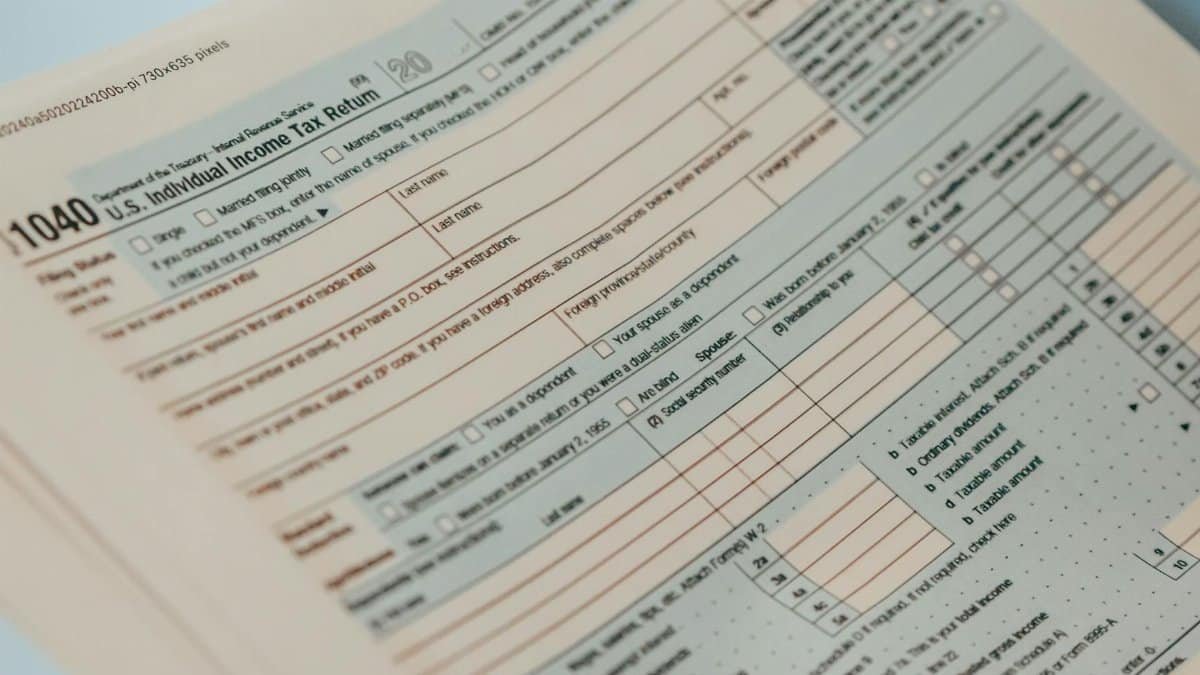
As climate patterns shift and extreme weather events become more common federal lawmakers face pressure to modernize disaster relief frameworks. The current washington tax deadline extension may serve as a test case for more proactive approaches that anticipate rather than simply react to natural disasters. Bipartisan discussions have already begun about creating permanent provisions that would automatically trigger tax relief when certain weather thresholds are met. Such changes could reduce administrative delays and provide faster certainty to affected populations. For now residents of western Washington have received a meaningful reprieve that allows them to focus on healing their homes their families and their communities one careful step at a time.
The Seattle Times first reported details of this relief program providing valuable context on how state leaders collaborated with federal agencies to secure the extension. For those seeking official guidance the Internal Revenue Service maintains updated information on its disaster relief page.