

In the bustling medical corridors of Boston a significant change is taking shape. The leader of a world renowned cancer center is openly discussing plans to break away from a major health system. This initiative referred to as the dana farber mass general split could lead to the creation of a new standalone facility dedicated solely to cancer care. Such a move reflects broader trends in healthcare where specialization is increasingly valued. Patients and medical professionals alike are watching closely as this story unfolds with potential implications for treatment innovation and institutional independence across the region. The chief executive has emphasized that this path is not taken lightly but is essential for advancing the mission of delivering the highest quality care and pioneering research breakthroughs that offer renewed hope to those facing serious illness.
The Evolution Of A Partnership

For many years Dana Farber Cancer Institute and Mass General Brigham have operated under an affiliation that has benefited cancer patients throughout New England. The partnership allowed for shared resources and collaborative research efforts that have led to numerous medical advances. Established in the late twentieth century the arrangement enabled Dana Farber to tap into the broader infrastructure of one of the largest health systems in Massachusetts. This collaboration fostered an environment where experts from various fields could work together to tackle complex cases. Over time however the needs of a specialized cancer center began to diverge from those of a large multisystem organization. What began as a strategic alliance to enhance patient outcomes has grown into a more complicated relationship as the field of oncology has become increasingly sophisticated.
Many observers point to this natural progression as a key element in the current discussions. The institutions have achieved much together but the time has come to reassess the relationship in light of evolving priorities in medicine. This reevaluation does not diminish past accomplishments but rather builds upon them to create even stronger foundations for future success.
Factors Driving The Desire For Independence

The decision to pursue the dana farber mass general split stems from a desire to have greater control over strategic direction and resource allocation. Leaders at Dana Farber believe that operating independently will allow them to respond more quickly to new developments in cancer research and treatment protocols. In a large health system priorities can sometimes shift in ways that do not always align perfectly with the singular focus on oncology. By separating the institute can concentrate all its efforts on advancing cancer care without competing for attention within a bigger entity. This independence is seen as vital for attracting top talent and securing dedicated funding for specific projects that might otherwise be deprioritized.
Additionally the move aligns with a growing recognition that centers of excellence perform best when they maintain a clear and undiluted mission. The chief executive has noted in recent interviews that this step will empower the team to innovate more freely and pursue ambitious goals in immunotherapy and personalized medicine. Such focus could accelerate discoveries that have the power to transform lives in profound ways.
Envisioning A Dedicated Cancer Hospital
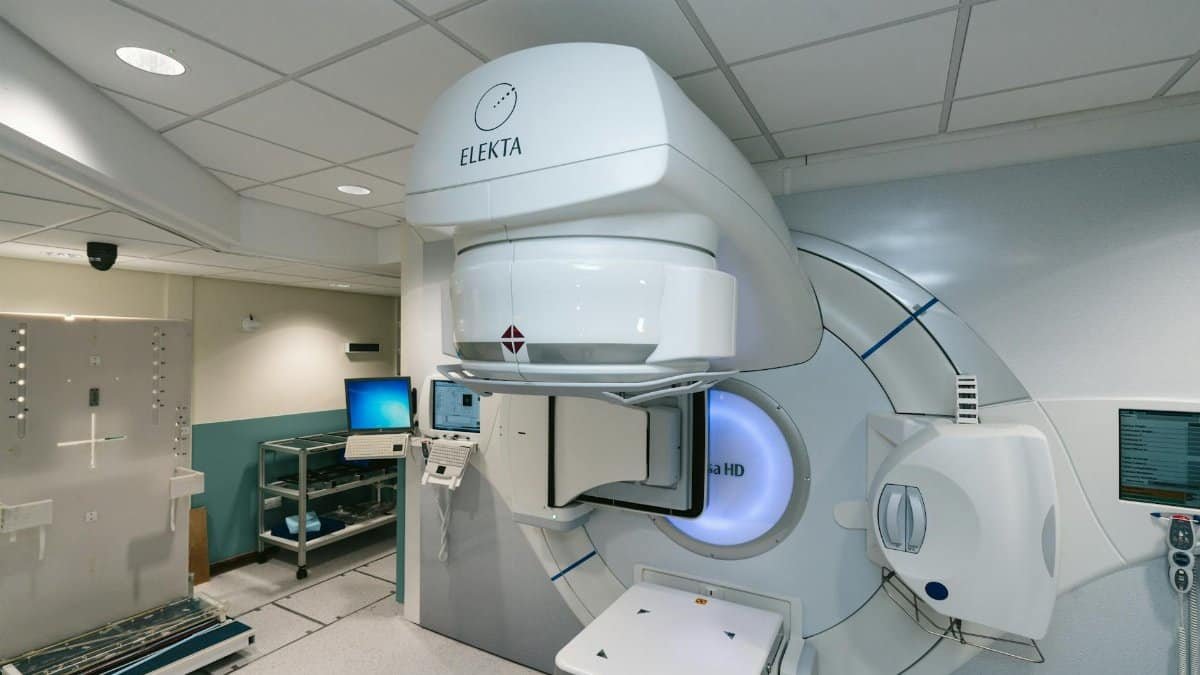
Central to the plans is the construction of a new hospital that will serve as the home for all inpatient and outpatient cancer services. This facility is envisioned as a state of the art center equipped with the latest technology designed specifically for the unique needs of cancer patients. From spacious infusion rooms that promote comfort to laboratories integrated closely with clinical spaces the new building aims to break down barriers between research and treatment. The vision includes spaces that support the emotional and psychological well being of patients and their families recognizing that healing involves more than just physical intervention.
This approach reflects an understanding that medical care touches on deeper aspects of the human experience. By creating an environment that nurtures both body and spirit the new hospital could set a new standard for compassionate cancer care in the United States.
Potential Benefits For Research Initiatives

One of the most compelling arguments for the dana farber mass general split is the anticipated boost to research capabilities. Independent status may open doors to new partnerships with academic institutions and biotechnology companies that were previously complicated by the existing affiliation. The ability to direct all philanthropic support toward cancer specific goals is another significant advantage. With greater autonomy Dana Farber could expand its already impressive portfolio of clinical trials and laboratory investigations. Experts suggest that this could lead to faster translation of scientific findings into practical treatments for patients.
The spirit of discovery that has always defined the institute stands to gain even more momentum in an independent structure. This renewed emphasis on innovation holds promise not only for current patients but for generations to come who will benefit from todays groundbreaking work.
Concerns Regarding Patient Services

Despite the optimism some voices in the medical community have raised questions about how the transition will affect day to day patient care. Will the separation disrupt established referral patterns or limit access to certain specialties available within the larger system? Hospital officials have pledged to maintain seamless continuity of care throughout the process ensuring that no patient experiences any interruption in treatment. Plans are in place to coordinate closely with other providers during the shift to the new facility. Transparency and communication with patients and their families remain top priorities as the details of the dana farber mass general split are worked out.
Addressing these concerns head on will be critical to preserving the trust that has been built over decades of service to the community.
Reactions From The Broader Community

News of the proposed separation has elicited a range of responses from healthcare professionals lawmakers and patient advocacy groups. Many have expressed support for the move citing the potential for enhanced specialization and improved outcomes. Others worry about the fragmentation of Bostons renowned medical ecosystem which has long been known for its collaborative spirit. Political leaders are paying close attention to the economic impact including job creation during the construction phase and beyond. Patient advocates emphasize the importance of keeping the focus on those who matter most the individuals and families navigating cancer diagnoses.
This diverse set of perspectives underscores the complexity of such a major institutional change and the need for thoughtful dialogue among all stakeholders.
Navigating The Financial Landscape

Financing the transition and the new construction represents one of the most substantial challenges ahead. The costs associated with building a modern cancer hospital in an urban area like Boston are considerable. Dana Farber will need to leverage its strong reputation to attract significant donations and investments. At the same time the institute must carefully manage the financial implications of disentangling from the larger system including shared contracts and operational expenses. Strategic financial planning will play a decisive role in determining the ultimate success of this ambitious undertaking.
Fortunately the organizations track record of prudent management and its robust network of supporters provide a solid base from which to launch this new chapter.
Steps Toward A Successful Transition

Executives are already hard at work mapping out the practical steps required to make the dana farber mass general split a reality. This includes legal considerations regulatory approvals and detailed operational planning. A dedicated transition team has been assembled to oversee the myriad details involved in separating systems and staffs while minimizing any negative effects. Timelines are being developed with clear milestones to track progress toward independence. Throughout this process the commitment to excellence in patient care serves as the guiding principle.
By proceeding methodically and with input from a wide array of experts the institute hopes to emerge stronger and more focused than ever before.
Implications For The Future Of Healthcare

The dana farber mass general split if realized could serve as a model for other specialized centers considering similar moves. It raises important questions about the optimal structure for delivering advanced medical care in the twenty first century. As healthcare costs rise and technologies evolve the balance between integration and specialization will continue to be debated. This case offers valuable insights into how institutions can adapt to changing circumstances while staying true to their core missions.
In many ways it represents not just an administrative change but a philosophical shift toward greater autonomy in pursuit of better health outcomes.
A Moment Of Renewal In Medical Care

As Dana Farber Cancer Institute embarks on this journey toward independence there is a sense of renewal in the air. The move embodies the resilience and forward thinking that have characterized the fight against cancer from the beginning. It is a testament to the belief that by refining focus and embracing change we can unlock new possibilities for healing and discovery. For the dedicated doctors nurses researchers and staff this transition offers an opportunity to reaffirm their commitment to patients and to the quest for cures.
In the end the success of these efforts will be measured not in buildings or organizational charts but in the lives touched and the suffering alleviated. This moment invites all of us to reflect on the profound ways in which healthcare intersects with the human spirit and the enduring hope that drives medical progress.