
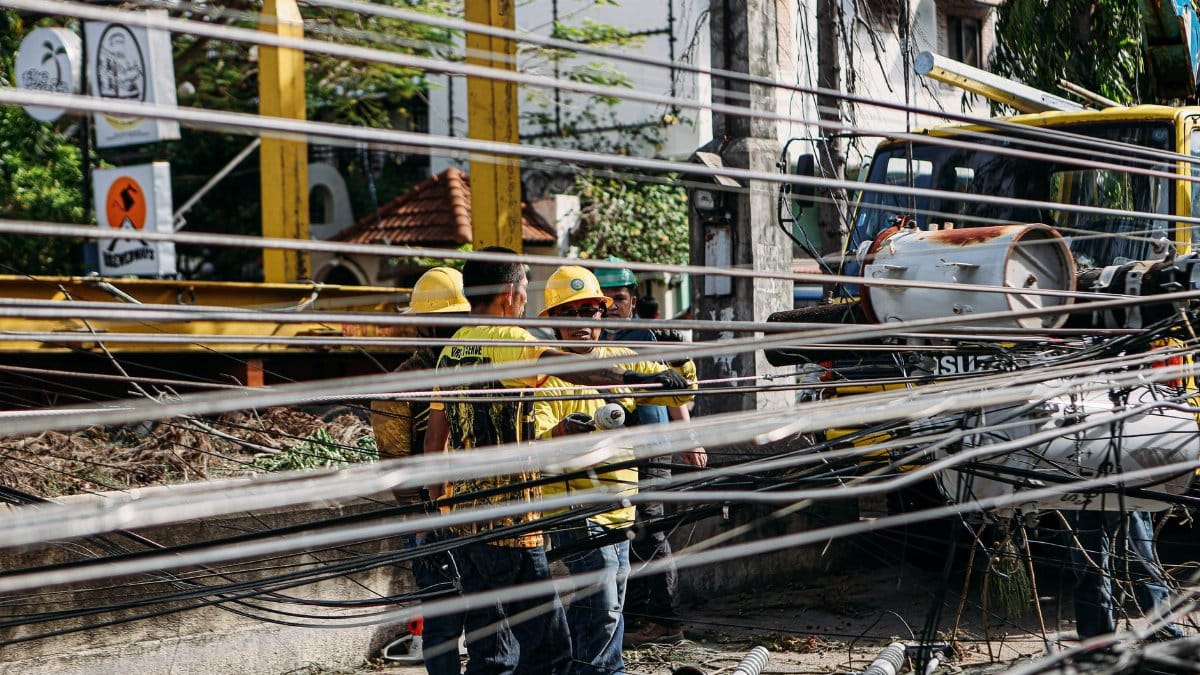
On a typical summer evening in San Francisco an unexpected power failure left thousands in the dark disrupting daily routines in neighborhoods such as Russian Hill North Beach and Chinatown. The event which lasted about an hour on August 9 2026 affected more than one thousand eight hundred PG&E customers. This incident highlighted the vulnerabilities in urban infrastructure and brought to light the role of PG&E Russian Hill in local power distribution. Residents found themselves navigating candlelit homes and streets without traffic signals prompting reflections on reliance on modern utilities.
Immediate Effects on Daily Life

Businesses in the area closed early as cash registers and lighting systems shut down without warning. Families adjusted to the sudden loss of refrigeration and internet access turning to books and board games for entertainment during the brief blackout. Emergency services reported no major incidents but noted an uptick in calls about stuck elevators and minor traffic confusion at intersections.
Role of Local Utilities in Urban Settings
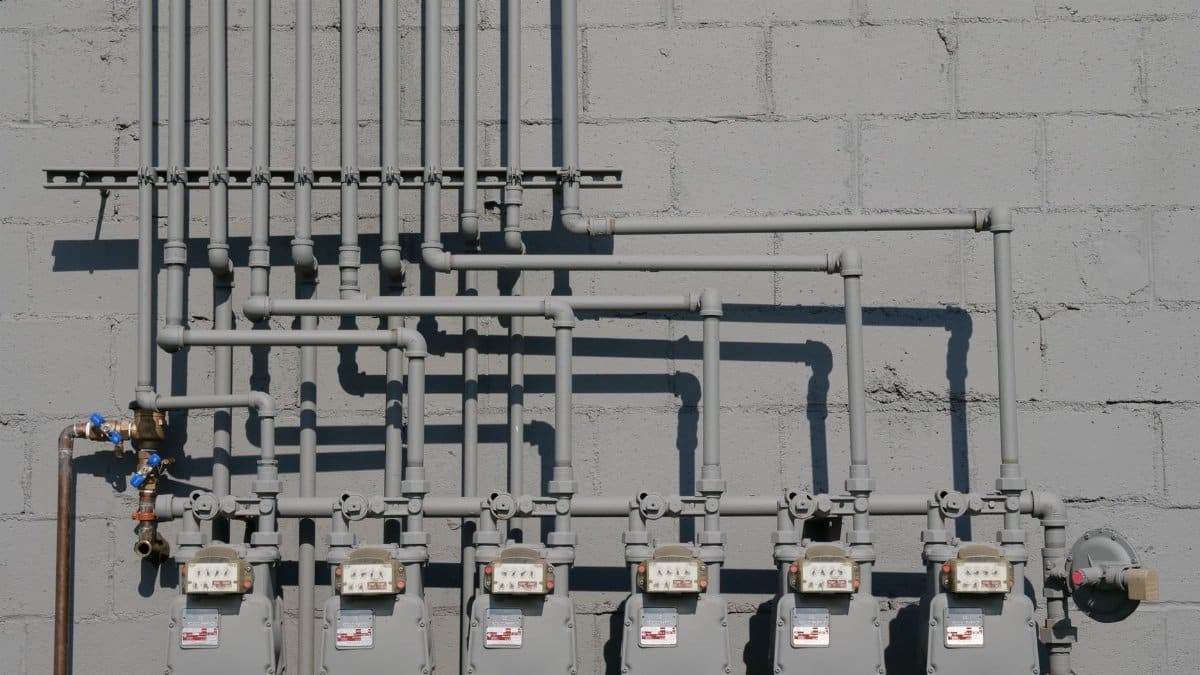
PG&E Russian Hill serves as a key node in the city grid supplying electricity to historic districts with aging infrastructure. Crews worked swiftly to identify the fault which stemmed from a transformer issue rather than widespread system failure. Such events underscore the ongoing need for maintenance in densely populated zones where demand remains high year round.
Community Responses and Resilience

Neighbors gathered on sidewalks sharing flashlights and stories while waiting for service to return. Local cafes offered free water to passersby creating impromptu gathering spots in the absence of usual evening bustle. This collective spirit often emerges during brief disruptions reminding observers of human adaptability beyond technology.
Broader Patterns in City Power Reliability
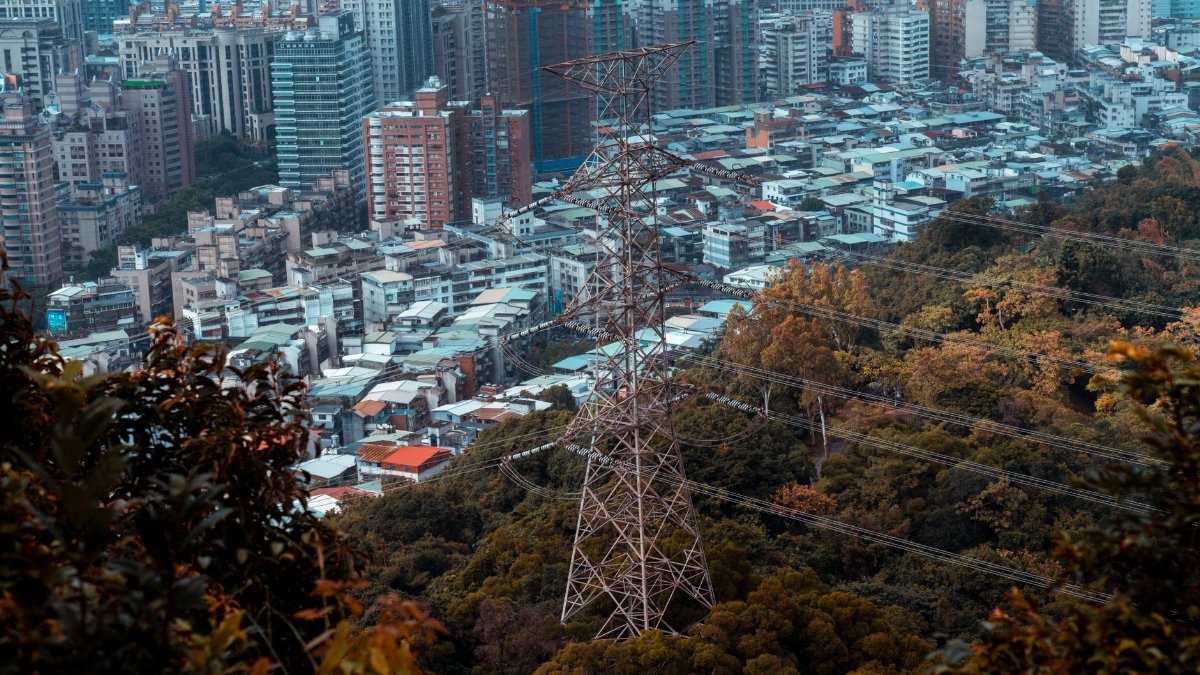
Similar outages have occurred in other parts of the Bay Area over recent years pointing to challenges with equipment age and weather influences. Data from utility reports show that targeted upgrades can reduce frequency though full prevention remains difficult in complex networks. Residents in Russian Hill have voiced support for proactive investments to safeguard against future interruptions.
Historical Context of Neighborhood Power Events

San Francisco has experienced various utility challenges dating back decades with Russian Hill often at the center due to its topography and older wiring. Past incidents led to improved response protocols that proved useful in this latest case. Understanding these patterns helps explain why quick restoration matters for both safety and economic continuity.
Environmental Factors Influencing Outages
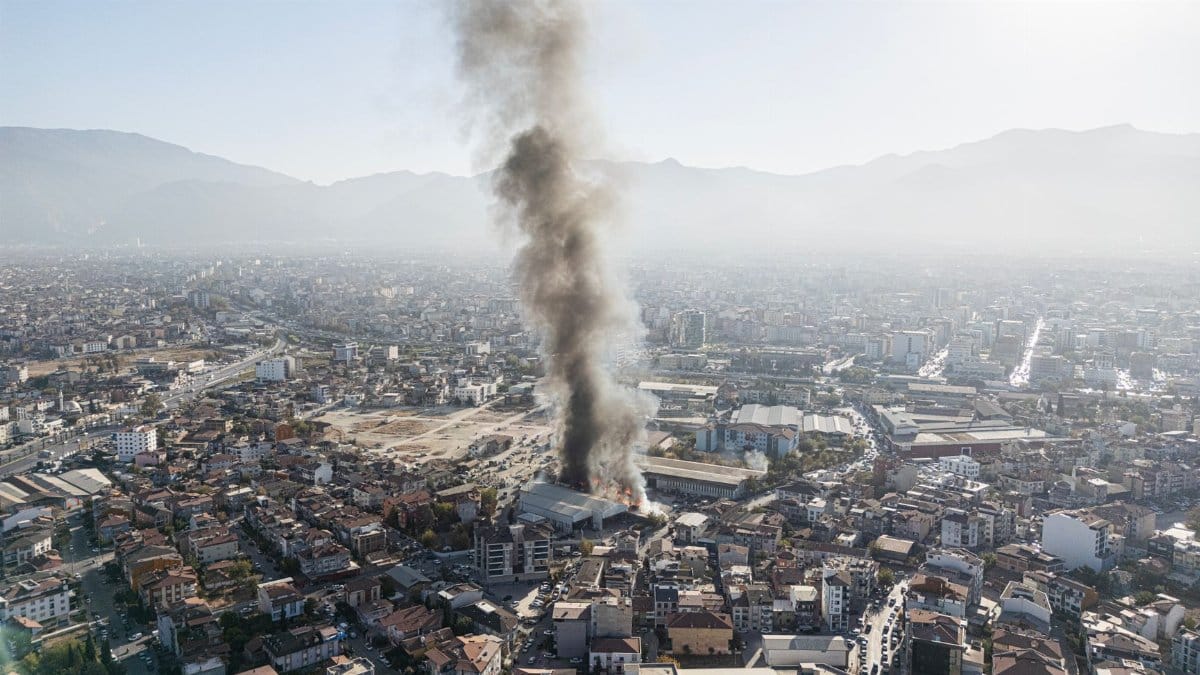
Seasonal demands and occasional heat waves strain the system in ways that can trigger isolated failures. PG&E Russian Hill lies near areas prone to fog and moisture which sometimes affects outdoor equipment. Experts suggest ongoing monitoring and weather resistant designs as ways to mitigate such risks in coastal cities.
Economic Ripples for Small Businesses

Shops and restaurants in North Beach and Chinatown lost revenue during the hour long pause as customers stayed away or orders could not be processed. Recovery came quickly once lights returned yet the episode served as a reminder of how dependent commerce is on steady power. Some owners began exploring backup options like generators for peace of mind.
Looking Ahead at Infrastructure Needs
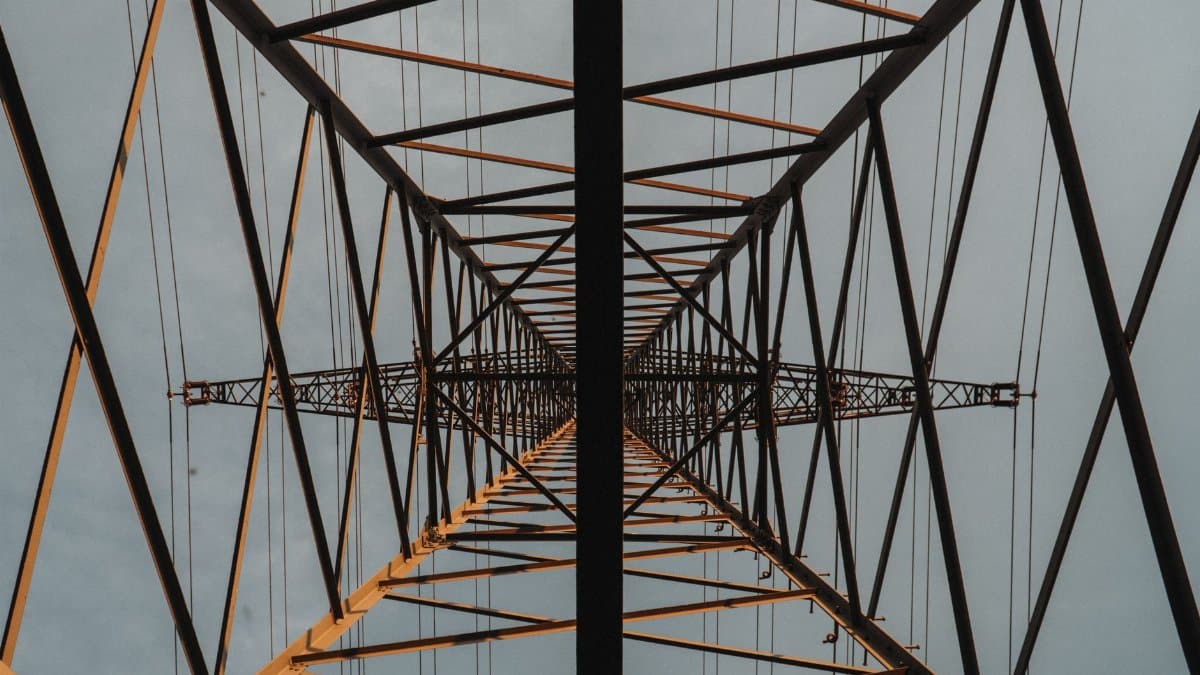
City officials and utility representatives plan discussions on strengthening the network serving PG&E Russian Hill and adjacent zones. Public input sessions may address concerns about reliability and costs associated with upgrades. The goal remains consistent service that supports both residents and the vibrant character of these historic neighborhoods.