
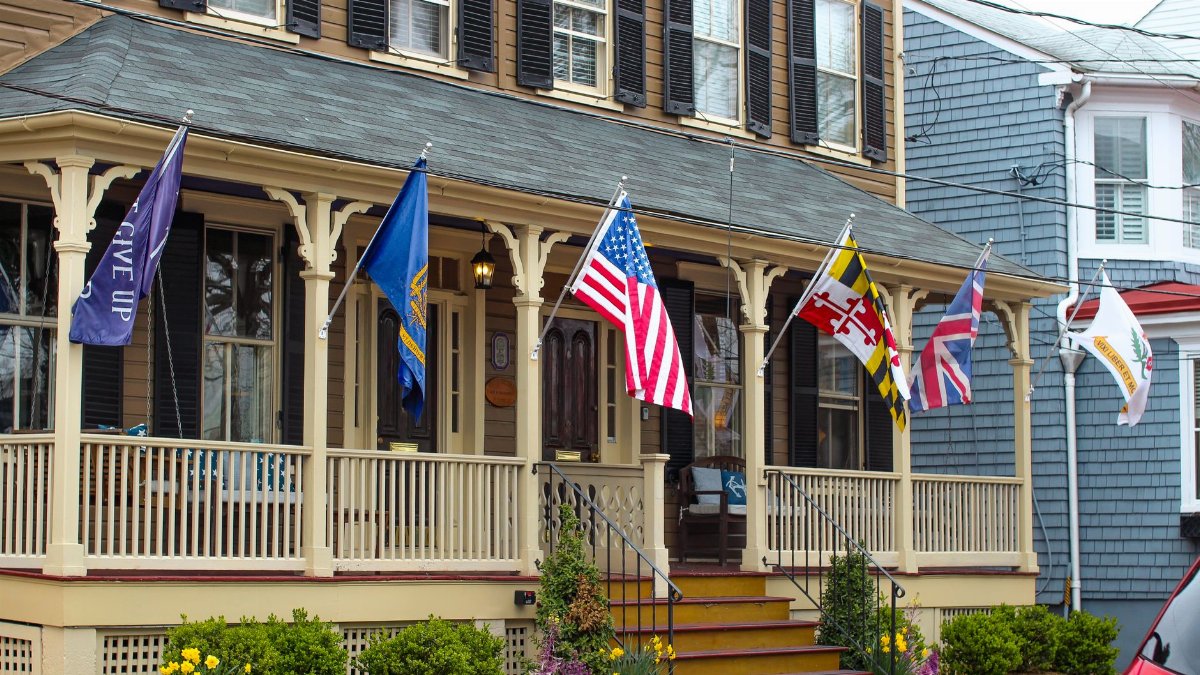
On a gray Monday morning in Columbia, a parent checks a phone before the school run, less interested in the forecast than in a number that might settle a long argument. Is Maryland a safe place to raise a family, or only an expensive one with good hospitals nearby? The latest Maryland safety ranking, drawn from a WalletHub analysis of 52 indicators and reported by the Baltimore Sun, puts the state at No. 16. High enough to comfort. Low enough to start a fight at the kitchen table. Safety, the study suggests, is not a single crime figure. It is pay, roads, emergency rooms, and whether a bad month can be survived.
A list that tries to measure ordinary fear

WalletHub builds these rankings for people who move, retire, or simply want a clearer picture of the place they already live. The firm gathers public data and sorts states from the most secure to the most exposed. Fifty two indicators is a wide net. It catches violent crime and property crime, but also traffic deaths, the share of people without health insurance, the stability of employment, and the financial cushion a household can fall back on when something goes wrong.
That breadth is the point, and also the argument. A state can look calm on a crime map and still feel precarious if a medical bill or a lost job would empty the savings account. Maryland, with its mix of federal employment, research campuses, waterfront wealth, and cities that have carried decades of disinvestment, is a hard place to summarize in one rank. No. 16 says the balance, on this method, tilts toward safety. It does not say every block feels the same at night.
What No. 16 actually announces

Sixteenth is a strong national position. It places Maryland in the upper third of states and supports the description, used in coverage of the release, of a very safe state. Readers should still hear the qualifier. Very safe is a comparative claim. It means safer, on these measures, than most of the country. It does not mean risk has been retired, or that Baltimore, Prince George’s County, and the rural Eastern Shore share one experience of the police, the hospital, or the highway.
Rankings flatter and sting at the same time. A family that left a higher crime city for the suburbs may feel vindicated. A resident who lost a relative to gun violence may find the celebration tone deaf. Both reactions can be honest. A statewide average is a weather report for a climate, not a forecast for your street.
The pillars that tend to lift Maryland

Maryland enters these comparisons with structural advantages that show up again and again in public data. Median incomes are high by national standards, especially along the Washington corridor, where federal agencies, contractors, and universities anchor the labor market. Health coverage is broader than in many states that declined to expand Medicaid. Schools, uneven as they are, include some of the country’s strongest districts. Those facts do not patrol a corner. They do change the odds that a crisis becomes a catastrophe.
Personal finance is a quiet part of safety research, and WalletHub has long treated it that way. A household with savings, insurance, and a job that is not one missed shift from collapse is less likely to slide into theft, eviction, or untreated illness. In that sense the Maryland safety ranking is partly an economic story wearing a public safety coat. Prosperity is not virtue. It is a buffer.
The city that the average cannot hide

Any honest reading has to sit with Baltimore. For years the city has recorded homicide totals that shock people who otherwise think of Maryland as a commuter state of cul de sacs and crab houses. Those deaths are not a statistical inconvenience. They are families, blocks, and a political argument that has outlasted several mayors and police commissioners.
Statewide rankings can dilute that pain. A million residents in relatively low crime suburbs pull an average down even when one city remains in crisis. That is not fraud. It is math. It is also why a parent in Roland Park and a parent in Sandtown may read the same No. 16 and feel they are living in different countries. Journalists should say so plainly. A good rank is not permission to declare the hard places solved.
Progress, where it exists, has been uneven and contested. Clearance rates, consent decrees, youth programs, and the simple presence of steady work all get credit and blame depending on who is speaking. The ranking will not referee that debate. It only reminds the rest of the state that city violence is a Maryland problem, not a Baltimore footnote.
Roads, water, and the risks people underestimate
Crime dominates headlines because it is vivid. Many of the deaths that shape a safety score are quieter. Maryland’s highways, including the stretch of Interstate 95 that functions as a national truck route, produce a steady toll of crashes. The Chesapeake Bay Bridge and the Bay Bridge tunnel to the south concentrate vacation traffic into narrow corridors where a moment of impatience becomes a fatal pileup. Distracted driving and speed do not care about median household income.
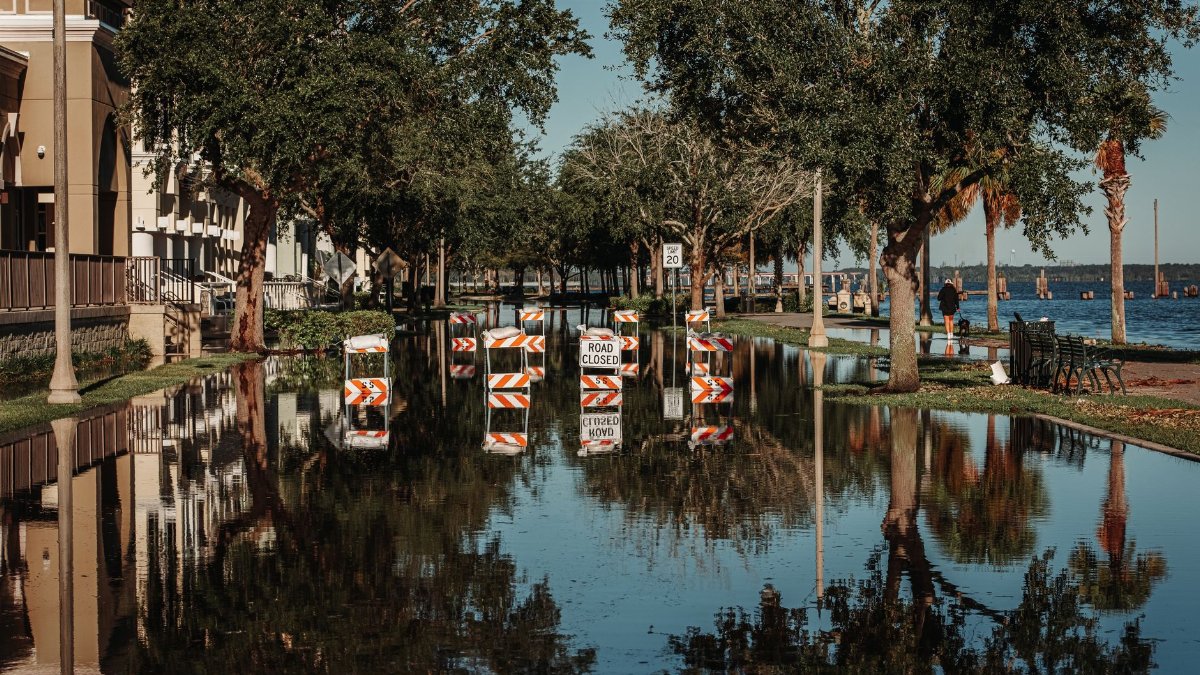
Weather adds another layer. Coastal flooding, hurricane remnants, and the slow rise of tidal water around Annapolis and the lower Eastern Shore are safety issues even when no one calls them crime. A state can rank well on policing metrics and still leave residents exposed when a storm takes out power, roads, and the ability to reach a hospital. WalletHub style indexes sometimes capture disaster preparedness and sometimes leave it thin. Readers should ask which version they are holding.
Health care as a form of protection

If safety means the chance of surviving what happens to you, hospitals belong in the conversation. Maryland has an unusual hospital payment system and a dense network of trauma centers relative to its size, including shock trauma care in Baltimore that draws patients from well beyond the city line. Insurance coverage, prenatal care, and the ability to fill a prescription are not glamorous indicators. They decide whether a heart attack, a birth, or a diabetic crisis ends in recovery or in a statistic.
Mental health and addiction sit in the same frame. Opioid deaths have scarred every region of the state, from western coal and factory towns to the suburbs that prefer not to claim the problem. A ranking that ignores treatment access would be a ranking of appearances. One that includes it will reward states that fund clinics, naloxone, and the unfashionable work of keeping people alive long enough to get better.
Money, housing, and the safety of a paycheck
High incomes cut both ways in Maryland. They support local budgets, school spending, and private security that some neighborhoods quietly rely on. They also push rents and home prices to levels that strain teachers, nurses, and the people who staff the very hospitals the ranking praises. A family spending half its income on housing is not unsafe in the police sense. It is fragile. Fragility is how many safety problems begin.
The corridor from Bethesda to Columbia can look like a case study in American success and still hide overcrowded apartments, long commutes, and workers who cannot afford to live near the jobs that define the state’s brand. When WalletHub folds financial stability into a safety score, it is acknowledging that theft, domestic stress, and untreated illness track economic fear. Readers who want only a crime table will find this annoying. Readers who have watched a layoff turn into a cascade will find it obvious.
How to read a neighbor without inventing a scoreboard

People always ask who finished above and below. That curiosity is natural and, without the full table in front of you, easy to abuse. New England states often cluster near the top of these lists because of lower violent crime, stronger insurance coverage, and smaller, wealthier populations. Large Sun Belt states often struggle with traffic deaths and thinner safety nets. Maryland’s Mid Atlantic neighbors each bring a different mix of cities, rural counties, and political choices about guns, policing, and Medicaid.
The responsible comparison is methodological, not gossipy. Ask whether the index weights gun deaths more than fraud, whether it adjusts for age and urban density, and whether a small state with one bad year can swing wildly. Maryland, with about six million people and one major city that dominates the crime narrative, will always be sensitive to how Baltimore is counted. That sensitivity is a feature of the place, not a flaw in arithmetic alone.
What residents can actually use

A published rank is a poor substitute for local knowledge, but it can still be a prompt. Parents can look past the headline to school safety plans, pedestrian deaths near campuses, and whether after school hours are supervised or simply hoped for. Commuters can treat the highway number, not the state number, as the risk that meets them every morning. Older readers, who make up a large share of people actually deciding where to stay or move, can weigh hospital distance, pharmacy access, and the cost of assisted living against a crime rate they may never personally encounter.
Local government still does the work the index only describes. Lighting, housing code enforcement, traffic calming, youth jobs, and a 911 system that answers are not glamorous, and they do not fit in a national press release. They are how a 16th place finish either becomes felt safety or remains a talking point for boosters. Citizens who show up to those hearings do more for the next ranking than anyone refreshing a chart.
The spiritual unease behind a number
It may seem odd to speak of spirit in a story about indicators, yet the hunger for a safety ranking is not only practical. People want to believe their home is a moral environment, a place where children can walk and elders are not abandoned. Churches, mosques, and synagogues in Maryland have long treated that hope as part of their work, from violence interruption in Baltimore to food pantries that keep a layoff from becoming a crime of desperation. A spreadsheet cannot measure a congregation. It can sit beside that work without replacing it.
Middle aged readers often carry both gratitude and dread. Gratitude for a state that, on paper, protects better than most. Dread that a single headline, a single street, or a single diagnosis can make the paper feel like a lie. Holding both is more adult than declaring the state either a haven or a failure. No. 16 is an invitation to that kind of holding.
Where the method runs out
Every index hides choices. Which year of crime data, which definition of assault, whether cyber fraud counts as much as a burglary, whether a death on a rural road weighs the same as a death on a city block. WalletHub publishes a methodology, and serious readers should read it before quoting the result at a dinner party. States also game the narrative. Governors claim credit for a rise in the table and blame predecessors, or the city, for a fall. The data usually moves more slowly than the press conference.
There is a further limit. Rankings describe residents who are counted. People in the country without legal status, people cycling through jails, and people who do not trust surveys can be underrepresented in the very indicators meant to protect them. A high score built on the experience of the insured and the employed can miss the Maryland that is most exposed. That is not a reason to discard the Maryland safety ranking. It is a reason to refuse its use as a closing argument.
A number worth keeping, not worshiping

Maryland at No. 16 is real news. It reflects genuine strengths in income, coverage, and the sheer amount of institutional capacity packed into a small state. It also reflects averages that can flatter suburbs while a city still buries too many of its young. The honest headline is not that Maryland has arrived. It is that Maryland, measured one way by 52 indicators, sits among the safer states and still has work that no chart will finish.
For the parent in Columbia, the useful move is modest. Take the rank as a starting fact, then ask the questions the rank cannot answer. How long is the drive to trauma care. Who walks home after dark. What happens to a family when the paycheck stops. Those questions, asked without hysteria and without boosterism, are how a safety ranking becomes something more than a Monday morning distraction.