
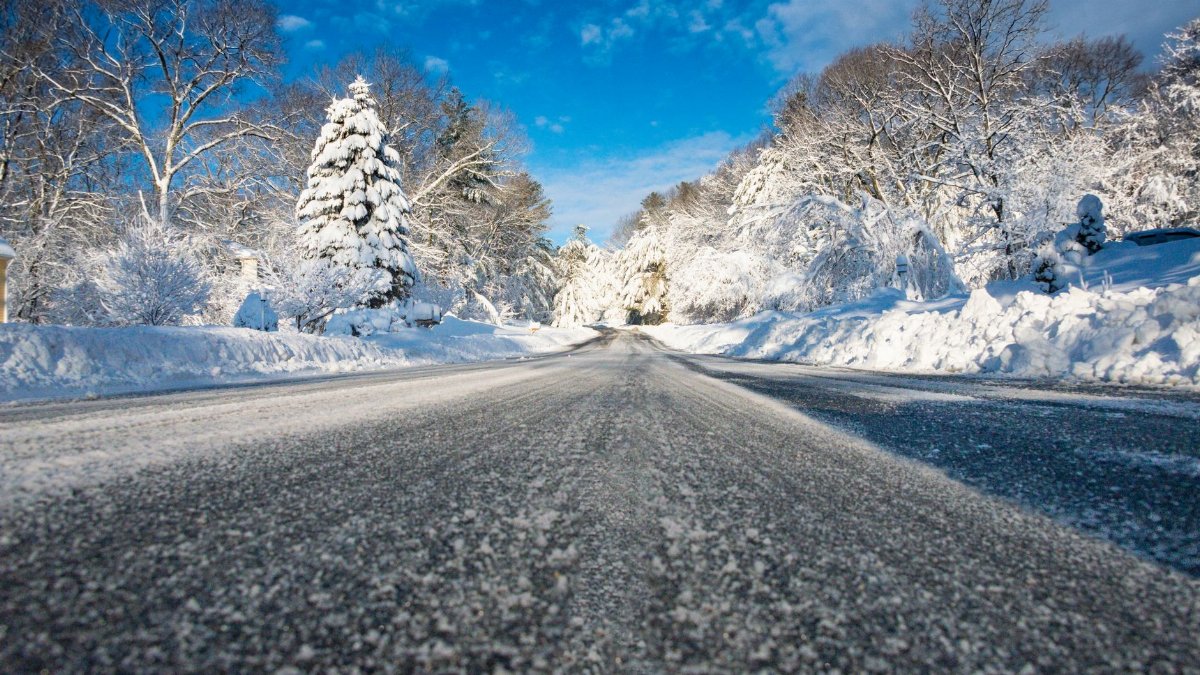
On a quiet block in Jamaica Plain, a woman pauses at the curb and pulls her sweater closed with one hand while the other holds a paper cup. The sun is still generous. The wind is not. That small argument between light and air is how the New England October chill begins, not as a headline storm but as a change in what the body expects from a morning. Monday still offers highs in the upper 60s across much of southern New England, a last courtesy of a milder pattern. By Tuesday the courtesy is withdrawn. Highs fall into the 50s, and in the higher terrain a few snow showers become possible. For people who measure the year by porches, school fields, and the first time they reach for a heavier coat, the shift is the story.
A Monday that still feels like September

South of the Massachusetts Turnpike, Monday can still pass for a gentle day. Offices keep windows cracked. Lunch lines form outside rather than in. The air has lost the heavy warmth of late summer, yet it has not turned sharp. Gardeners in Connecticut and Rhode Island may still find the soil warm enough for a last weeding. Along the North Shore, the water holds heat longer than the land, so a walk near the harbor can feel milder than a walk inland. None of that cancels the signal in the wind. When people say the season has turned, they often mean this: the sun looks the same, and the air does not agree.
What Tuesday takes away

By Tuesday the coldest air of the season is expected to settle over the region. Highs in the 50s will feel especially abrupt after a day in the upper 60s, because the drop arrives with wind and with a lower sun angle that no longer repairs the chill between clouds. In Boston, a jacket that seemed optional on Monday becomes the sensible choice. In Worcester and the hill towns west of the city, the same air reads colder still. This is not a blizzard story. It is a boundary story, the moment when October stops borrowing from September.
Snow showers in the high country
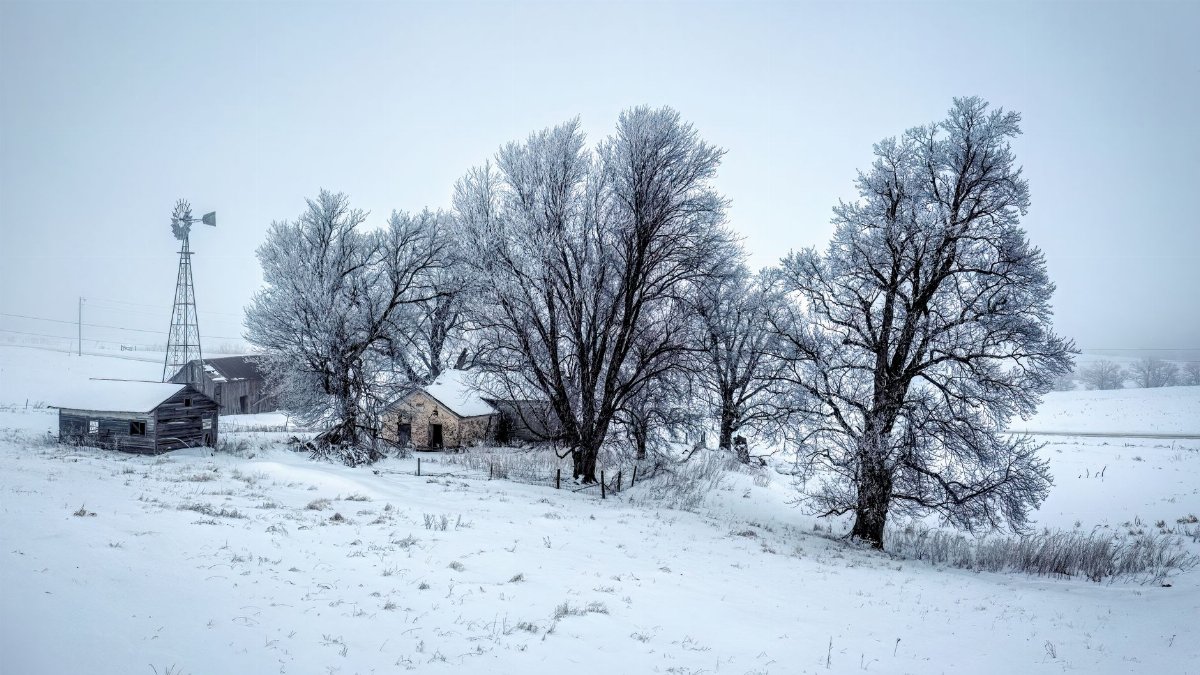
The phrase that will draw the most attention is also the most limited: snow showers possible in the mountains. That does not mean a general snowfall for Boston, Providence, or Hartford. It means the higher ridges of Vermont, New Hampshire, and western Maine may see brief flakes as colder air crosses elevated ground. Mount Washington and the surrounding peaks often greet October this way, with a reminder that elevation is its own climate. Valley towns may see only a raw rain or nothing at all. The distinction matters. A mountain flake is a signal, not a verdict on the week ahead for the coastal plain. For visitors who came for foliage, the New England October chill is part of the bargain, not an interruption of it. Inns will still pour coffee. Trails may simply ask for one more layer than the brochure suggested in September.
The coast keeps a different clock
Ocean water changes temperature slowly. That lag is why a shoreline town and an inland town can share one map and not one morning. A commuter leaving a suburb may need gloves that a person on a harbor walk does not yet miss. Fog can form where milder marine air meets the colder flow, especially at night and early in the day. Beach towns do not return to summer. They simply cool on a delay. Fishermen and ferry crews notice the shift in wind before most office workers do, because their work already happens in the open. If you want a fair sense of the New England October chill, stand in two places on the same afternoon and compare your hands.
Porches, tomatoes, and the last mild errand

Around kitchen tables, the forecast becomes a list. Bring in the basil. Cover the remaining tomatoes if a colder night follows. Move the chair cushions under cover. These are small acts, and they are how a region participates in weather rather than merely receiving it. Farmers markets in October already carry the look of the late season: squash, apples, thick sweaters on the people selling them. A mild Monday is useful. It gives people one more day to finish outdoor work before the air makes that work less pleasant. The practical question is not whether autumn is beautiful. It is whether the hose should be drained, whether the dog still wants the long loop, and whether the porch light should stay on for neighbors who linger.
Commutes when the wind finds every gap
Public transit does not warm a person while they wait. On Tuesday, platforms, bus stops, and school crossings will advertise the change more honestly than any thermometer graphic. Wind at street level in downtown Boston can make the 50s feel leaner, especially between tall buildings where gusts accelerate. Drivers who have not yet switched to a heavier coat may sit in a cold car for the first minutes of a trip and call that discomfort a personal failing. It is not. It is the season updating the terms. Parents doing drop off will feel it in the parking lot before their children do. A scarf is a small technology. So is leaving three minutes earlier so no one has to stand still in the wind.
Sidelines, practices, and the first blanket

Youth soccer and weekend road races do not pause for a modest cold spell. They adapt. Coaches tell players to bring an extra layer. Spectators who stood in shirtsleeves on Saturday will reconsider on the next cold evening. This is ordinary, and still worth noticing, because sports are one of the ways New England keeps a public calendar with the sky. A cross country meet in the hills may be the first place many families encounter air cold enough to see their breath, if the mountains cool faster than the coast. No one needs a dramatic storm for the memory to form. A raw hour on a metal bench is enough. Bring the blanket. The game will not supply it.
Houses that remember other winters
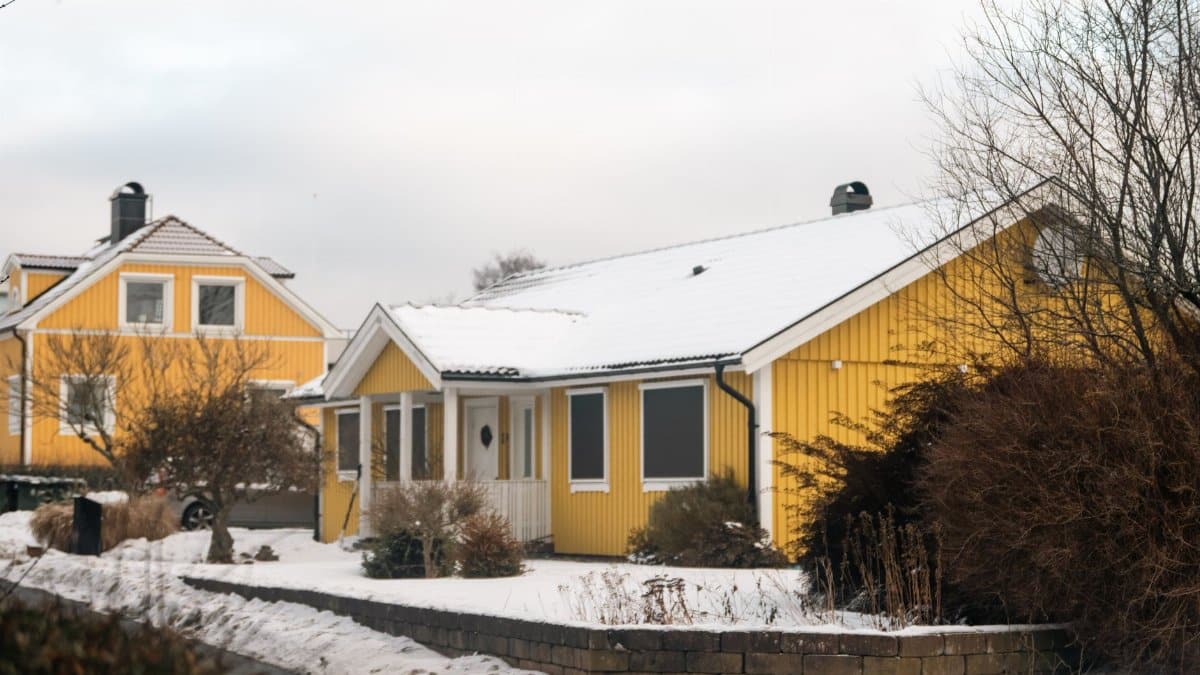
Old housing stock tells on itself when the first cold air arrives. Radiators tick. Windows that seemed fine in September show a draft. In triple decker neighborhoods, the top floor and the ground floor do not share one temperature. People who heat with oil or gas begin, quietly, to think about cost. A single cold Tuesday is not a winter bill. It is a preview of attention. Landlords get texts. Tenants hunt for the spare blanket. The New England October chill has always been partly an indoor story: not the romance of foliage, but the negotiation between a building and the air outside it. That negotiation will grow louder if the nights stay clear.
How a forecast becomes a feeling

Meteorology can describe a cold front, a wind shift, and a drop in temperature with clean numbers. Lived weather is less tidy. One person hears 50s and thinks of a pleasant walk. Another hears the same figure and thinks of hands that ache. Age, health, housing, and work outdoors all change the meaning of a forecast that looks simple on a phone. I have stood at a bus stop in this kind of air and understood, again, that a regional map cannot feel a collar against a neck. The honest report includes both the number and the body that meets it. A forecast is a public service. It is also an invitation to notice who is outside longer than they would choose.
Attention, ritual, and the turn of the year

There is a reason seasonal change draws language that sounds almost devotional, even in a secular city. People light earlier lamps. They cook heavier food. They call relatives when the first cold night makes the house sound different. None of this requires a creed. It does require attention, which is its own discipline. Congregations planning outdoor fairs may look twice at Tuesday. So may neighbors who use a porch as a shared room. The coldest air of the season is not a moral event. It is a physical one that makes people more aware of shelter, of company, and of how quickly a mild day can be revised. In that awareness, weather becomes a kind of news about how we live with one another.
What the rest of the week may ask
After the initial drop, the useful habit is to watch the nights as closely as the afternoons. A day in the 50s is manageable. A clear night that lets temperatures fall further will change gardens, pets, and anyone sleeping near a thin window. Mountain snow showers, if they occur, will be brief and local. Coastal rain or a dry cold wind would tell a different story in the cities. Readers should treat any single outlook as provisional, because October patterns can reload. The durable fact is simpler. The New England October chill has crossed the threshold from rumor to weather, and the region will spend the next days learning its texture.