
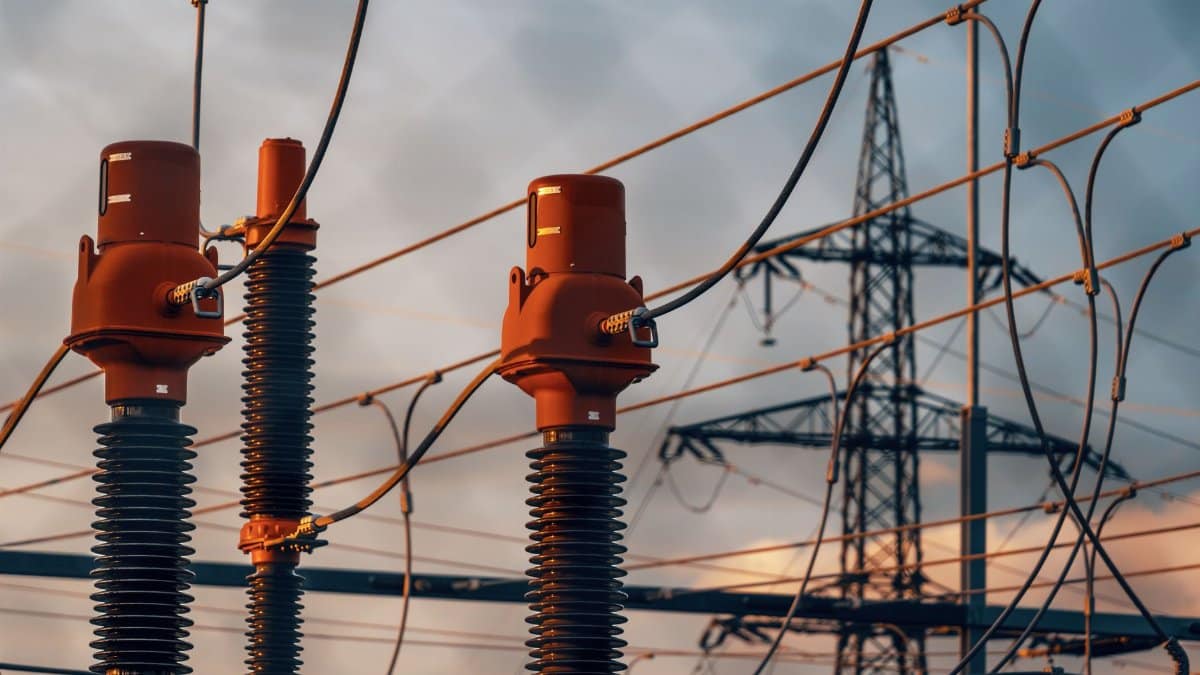
In the quiet hours before dawn last week residents across several San Francisco neighborhoods stirred to the hum of silence as lights flickered off and appliances fell still. What began as an inconvenience soon stretched into hours without electricity forcing families to navigate dark kitchens and businesses to shutter early. The repeat nature of the event so soon after a similar episode stirred immediate questions about reliability and accountability. Local leaders organized gatherings to voice concerns while everyday citizens shared stories of spoiled food and disrupted medical equipment. This wave of reaction has placed PG&E power outages at the center of a growing public debate over infrastructure and service standards.
Community Reactions in Affected Neighborhoods
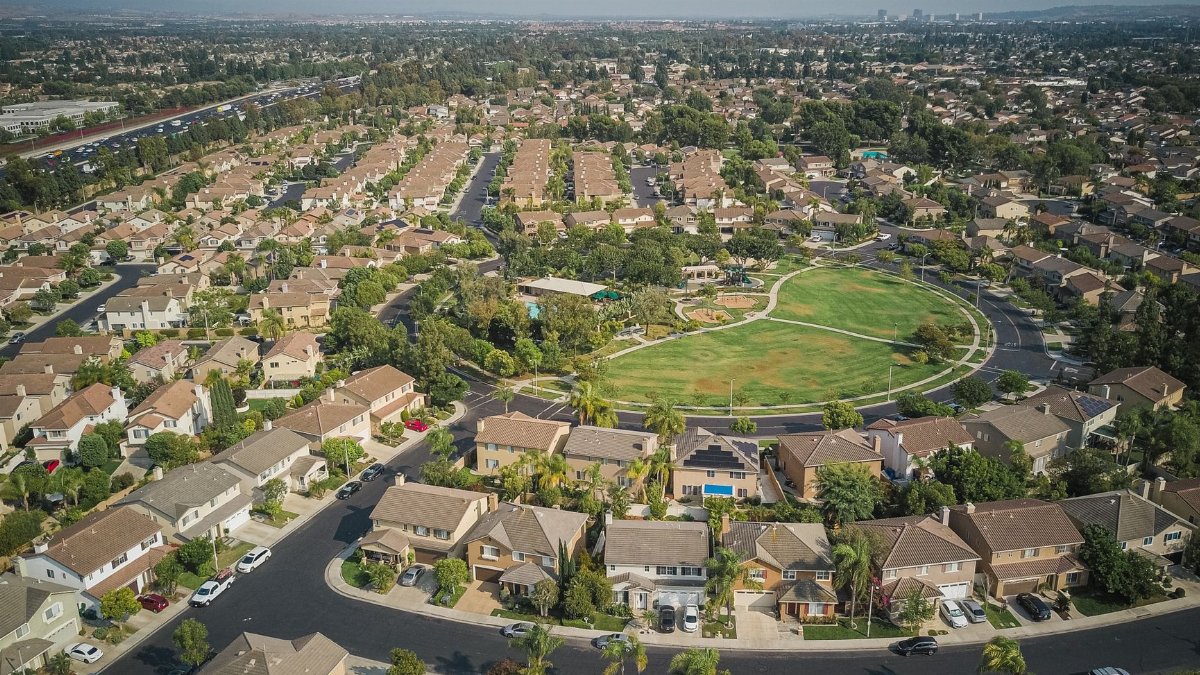
Families in the Mission District and parts of the Sunset reported waking to cold rooms and lost connections to essential services. One mother described rushing to find batteries for her childs medical monitor while neighbors gathered on sidewalks to compare notes on the timing of the shutdown. Small cafes that rely on morning customers faced empty seats and wasted inventory. These accounts spread quickly through local networks highlighting how repeated interruptions strain daily routines in ways that feel increasingly unsustainable.
Historical Patterns of Service Interruptions
Records show that similar events have occurred in the region over several years with causes ranging from equipment strain to weather related stress on the grid. Analysts note that older infrastructure in urban zones requires consistent upgrades yet investment levels have lagged behind population growth. Past incidents prompted temporary fixes but residents observe that the underlying issues persist leading to a sense of deja vu each time power vanishes without clear warning.
Calls for Regulatory Oversight and Reform
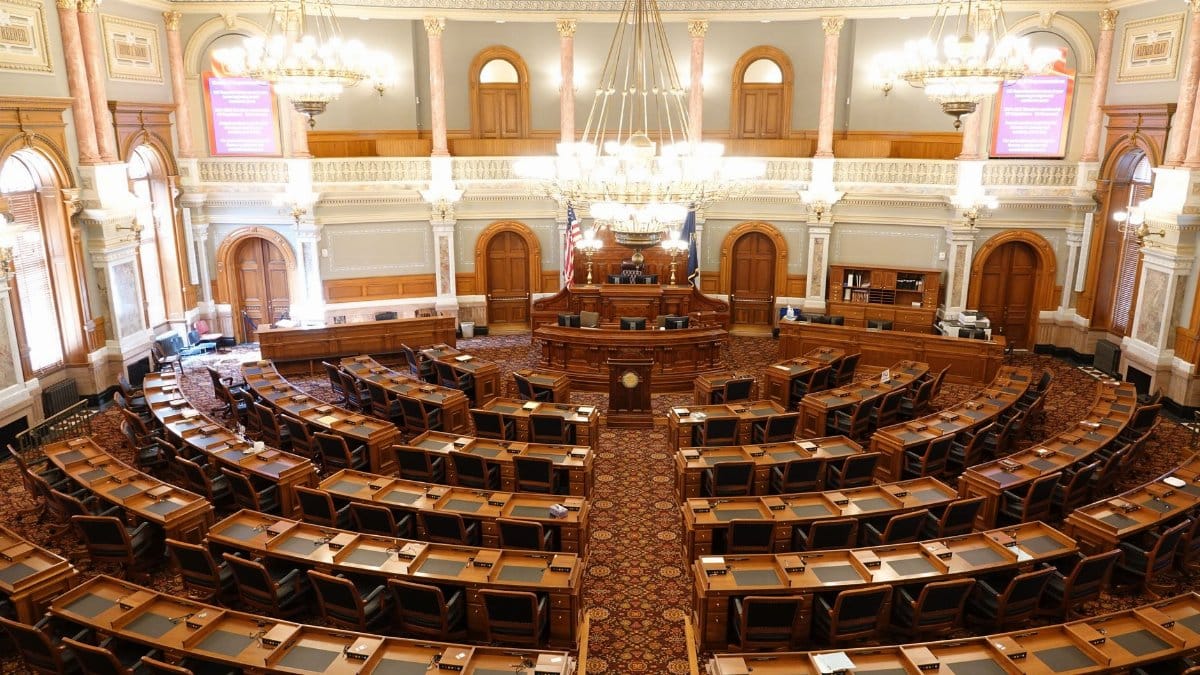
City officials and advocacy groups have renewed demands for stricter state monitoring of the utility company. Proposals include independent audits and performance benchmarks tied to financial penalties for repeated failures. Lawmakers in Sacramento have signaled openness to hearings that could examine long term contracts and maintenance records. Public comments submitted to regulatory bodies emphasize a desire for transparency rather than repeated assurances that improvements are underway.
Economic Strain on Local Businesses

Restaurants and retail shops dependent on refrigeration and point of sale systems absorbed direct losses during both outages. Owners described hours spent discarding perishable stock and compensating staff for shortened shifts. Delivery schedules fell behind as drivers waited for traffic signals to return. Over time such disruptions add up to reduced margins that threaten the viability of neighborhood establishments already navigating rising costs.
Health and Safety Concerns for Vulnerable Residents

Elderly individuals and those with chronic conditions faced heightened risks when heating or cooling systems stopped functioning. Pharmacies reported challenges preserving temperature sensitive medications while home care aides struggled with limited access to electronic records. Emergency services received an uptick in calls related to falls in darkened spaces and anxiety over medical device failures. These outcomes underscore how service gaps affect populations least equipped to adapt.
Environmental Context and Grid Resilience
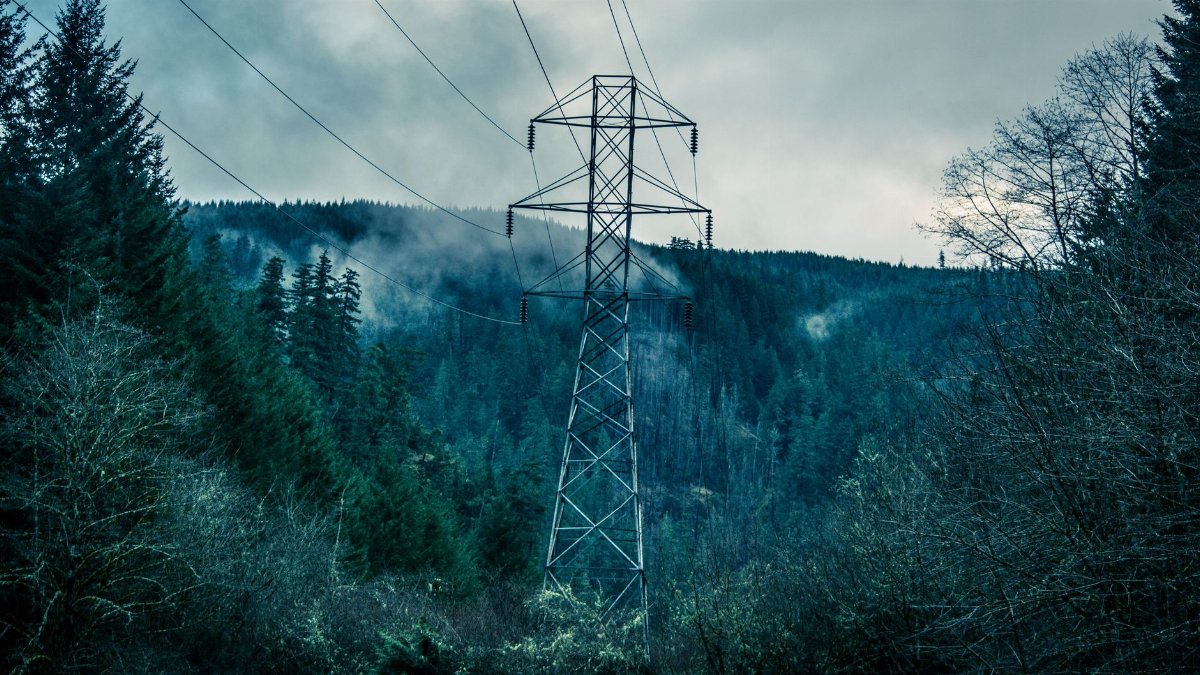
Experts point to aging transmission lines and increased demand from electric vehicles as factors that test the system beyond original design limits. Discussions around renewable integration add another layer since solar and battery storage could offer localized backups yet deployment remains uneven across districts. Community forums have explored microgrid concepts that might isolate neighborhoods from broader failures though funding and permitting hurdles slow progress.
Public Protests and Organized Advocacy
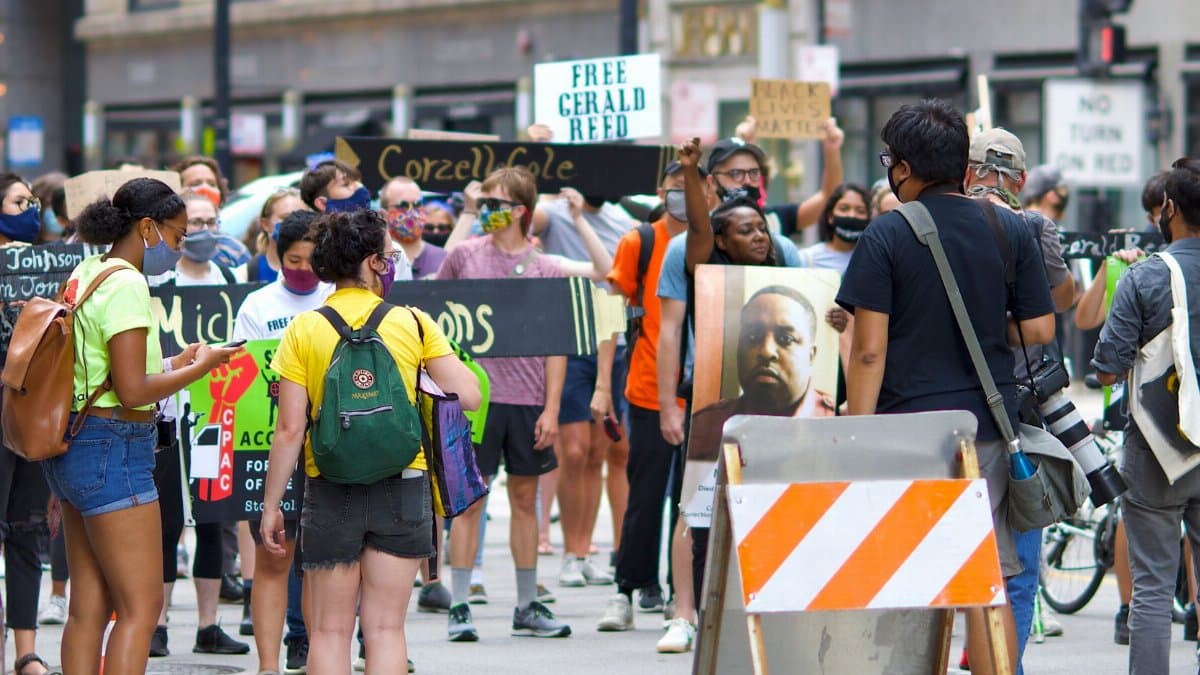
Rallies outside utility offices drew hundreds who carried signs questioning the pace of promised upgrades. Speakers included small business owners and parents who linked the outages to broader themes of corporate responsibility. Petitions circulated online urging a review of management structures and potential shifts toward public ownership models. These efforts reflect a collective push to move beyond temporary fixes toward structural change.
Future Outlook for Urban Power Reliability
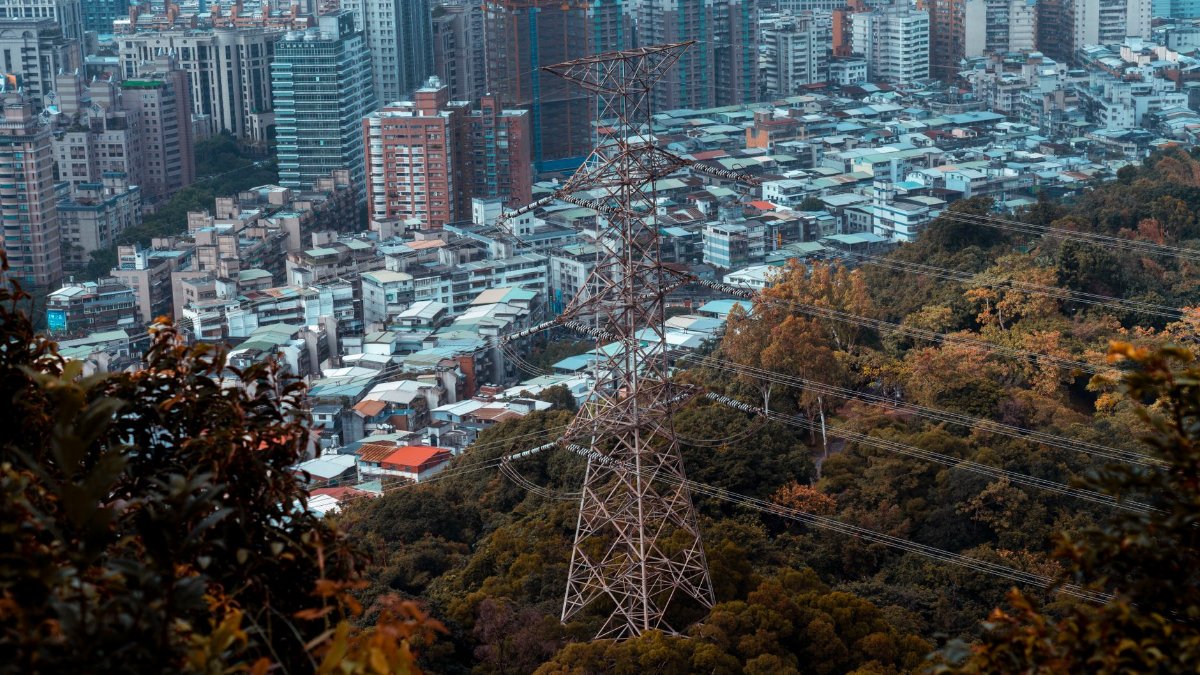
Planning documents released by state agencies outline timelines for equipment replacement and digital monitoring tools that could detect faults earlier. Yet timelines stretch across several years leaving current customers to manage ongoing uncertainty. Some analysts suggest that partnerships with technology firms could accelerate sensor networks and predictive maintenance though details remain in early stages. Residents continue to watch for concrete signs that the next interruption will be the last.