
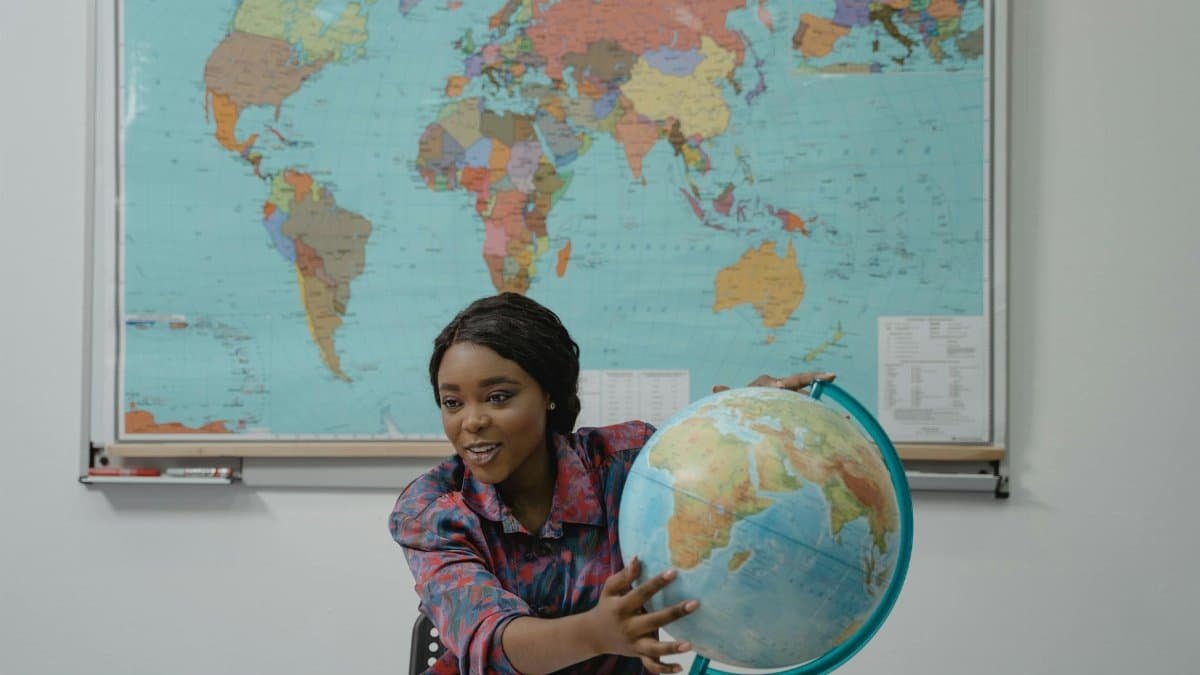
In a small schoolhouse perched on the hills of northern Thailand teachers begin each week by asking students to reflect on a simple question. How did our actions this week affect those around us? There are no grades or tests attached to these conversations yet children as young as seven speak with surprising candor about patience sharing and personal accountability. These moments reveal the quiet power of character education an approach that seeks to shape hearts and habits as deliberately as it builds knowledge. Around the globe nations are experimenting with such methods hoping to raise citizens who are not only competent but also compassionate and principled. Their varied experiments offer valuable perspective for schools everywhere seeking deeper ways to prepare young people for life.
Ancient Traditions That Still Inform Today

Long before modern curricula existed philosophers and spiritual leaders placed moral formation at the center of learning. Aristotle argued that virtue develops through repeated practice while Confucian thought in East Asia stressed respect for others and self discipline as foundations of a harmonious society. Contemporary programs often echo these ideas without always naming them. In many Indian schools for instance children study stories from ancient texts that illustrate courage and integrity. Educators there report that weaving ethical narratives into lessons helps students internalize values more effectively than abstract lectures. Similar patterns appear in Islamic educational traditions across parts of the Middle East where character formation is viewed as inseparable from intellectual growth. These historical threads remind us that the current interest in character education represents a revival rather than a revolution in how societies raise the young.
Singapore’s Blend of Academics and Values
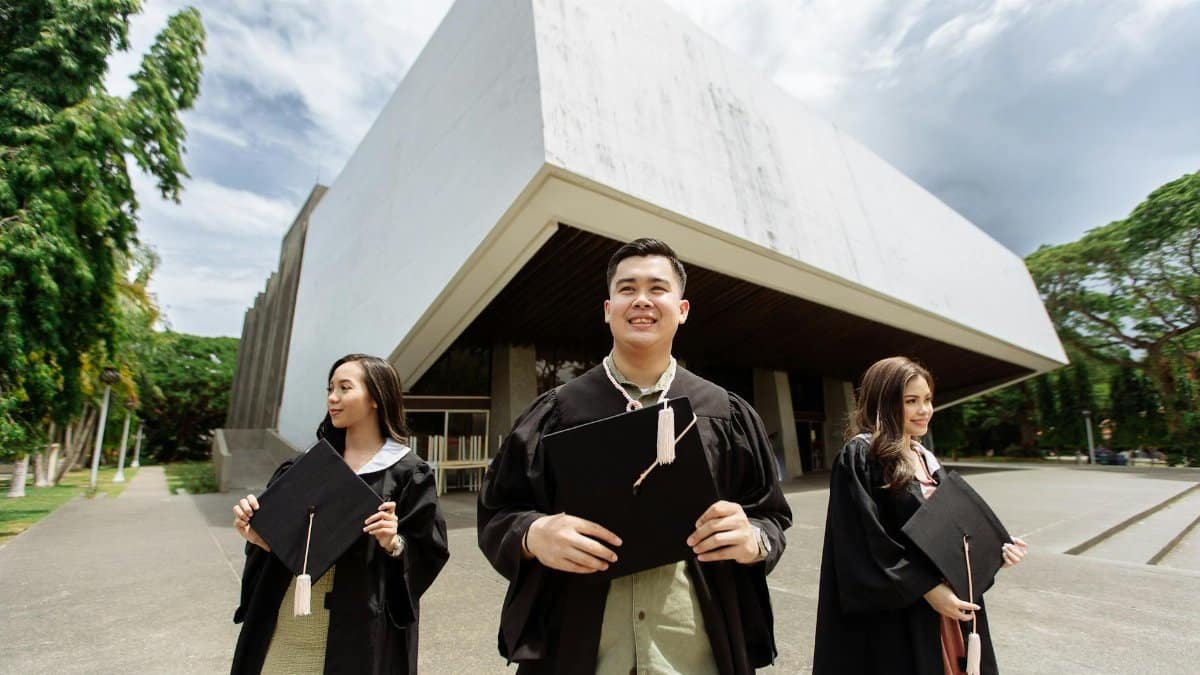
Singapore has earned international praise for its students high test scores yet the city state invests equal energy in moral development. Its Character and Citizenship Education program runs through every grade with dedicated time set aside for discussions about resilience empathy and civic responsibility. Students participate in community service projects that are carefully tied to classroom learning rather than treated as add ons. One notable effort sends older children to mentor younger ones fostering a sense of duty across age groups. Researchers at the National Institute of Education have tracked these efforts and found measurable growth in students social awareness when schools maintain consistent messaging between teachers and administrators. The Singapore model demonstrates that rigorous academic standards and character education can reinforce rather than compete with each other when designed thoughtfully.
Japan’s Daily Practices of Collective Responsibility
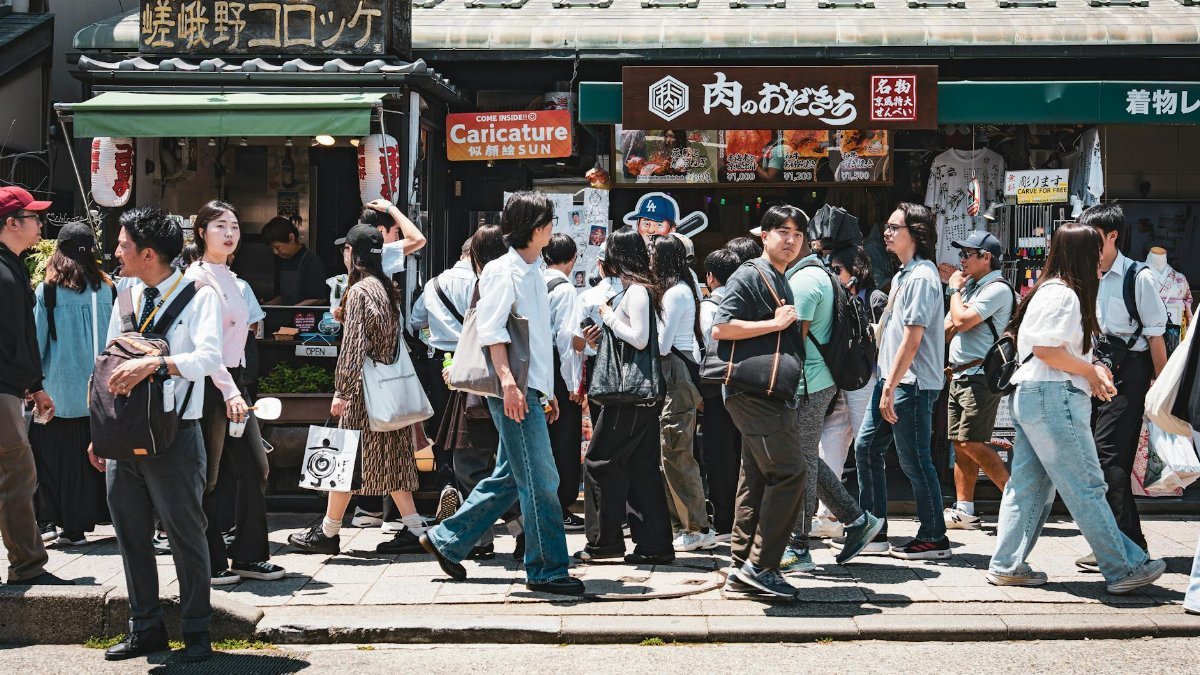
Japanese elementary schools build character through routine activities that might surprise outsiders. Students clean their own classrooms serve lunch to classmates and rotate leadership roles in group tasks. These habits known locally as moral education aim to cultivate humility cooperation and attention to detail. Teachers rarely praise individual achievement in isolation instead highlighting how each persons contribution supports the whole. A visitor might observe children quietly discussing how to include a shy peer in games during recess. This emphasis on group harmony reflects cultural values while also preparing students for a society that prizes collective wellbeing. Studies conducted by Japanese universities suggest that such daily practices correlate with lower rates of school bullying compared with many Western nations though critics note the approach can sometimes suppress individual expression.
Nordic Emphasis on Empathy and Equality
Finland and its neighbors approach character education through a lens of trust and emotional intelligence. Rather than standalone classes Finnish schools integrate social and emotional learning into every subject. Teachers receive extensive training in spotting signs of anxiety or exclusion and responding with care. Outdoor education plays a central role with regular forest excursions teaching children respect for nature and one another. Danish kindergartens famously prioritize free play as a vehicle for developing negotiation skills and resilience. These nations report strong outcomes in student wellbeing and civic participation. What stands out is the absence of heavy handed moralizing. Instead adults model the behaviors they hope to see while creating environments where children feel safe to make mistakes and learn from them. The Nordic experience suggests that character education flourishes best in cultures that already value equality and mutual respect.
Latin American Innovations Rooted in Community
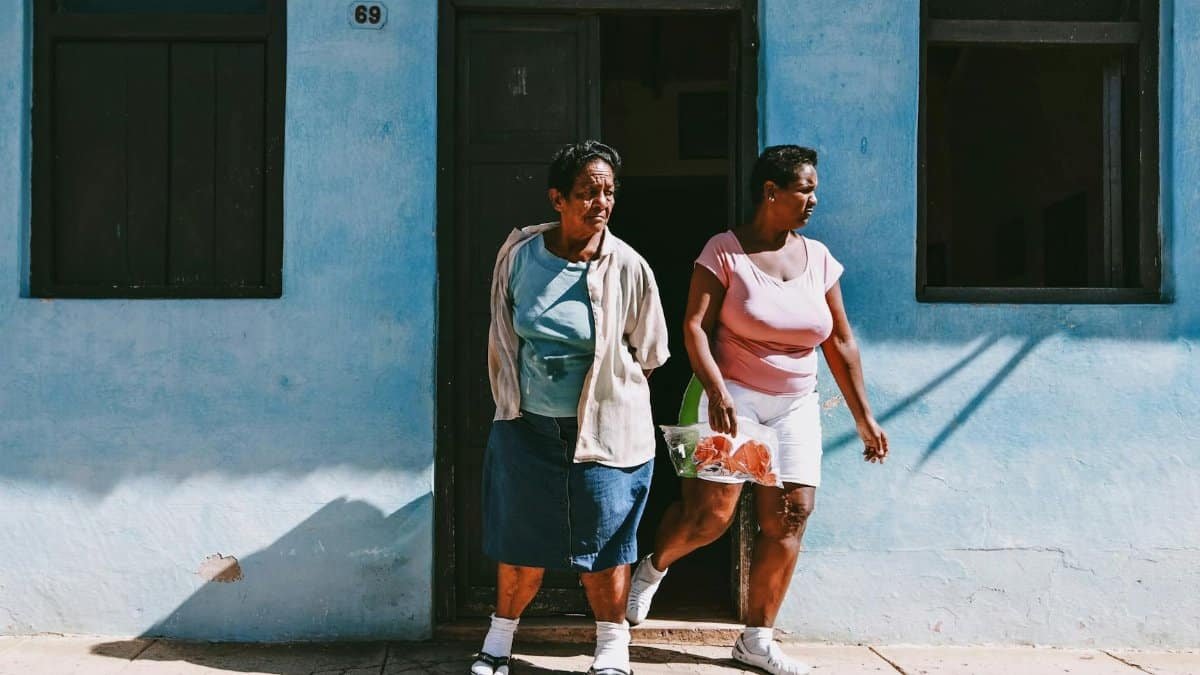
In countries like Colombia and Peru educators have adapted character education to address local realities including violence and inequality. Colombia’s Peace Education programs emerged from decades of conflict encouraging students to explore reconciliation and dialogue through role playing and storytelling. Teachers work closely with families creating circles where parents and children discuss shared values. Peruvian initiatives often incorporate indigenous wisdom emphasizing connection to land and community. One program invites elders to share traditional stories that highlight stewardship and solidarity. These efforts demonstrate how character education can serve as both personal development and social healing. Evaluations shared by regional nonprofits indicate that students involved in such programs show increased willingness to resolve conflicts peacefully though scaling remains difficult in under resourced areas.
Britain’s Renewed Focus on Virtue and Resilience
The United Kingdom has seen renewed interest in character education through the work of organizations like the Jubilee Centre for Character and Virtues at the University of Birmingham. Schools across England now experiment with explicit teaching of virtues such as gratitude perseverance and honesty. Some have introduced daily reflection periods where students journal about their actions and intentions. Government funding has supported pilot programs that measure not only academic progress but also growth in ethical reasoning. Teachers report that when character education is embedded across the curriculum rather than confined to special assemblies it gains traction with students. The British approach stands out for its attempt to balance explicit instruction with opportunities for young people to practice virtues in real situations from sports fields to community projects.
American Schools Navigate a Patchwork Landscape
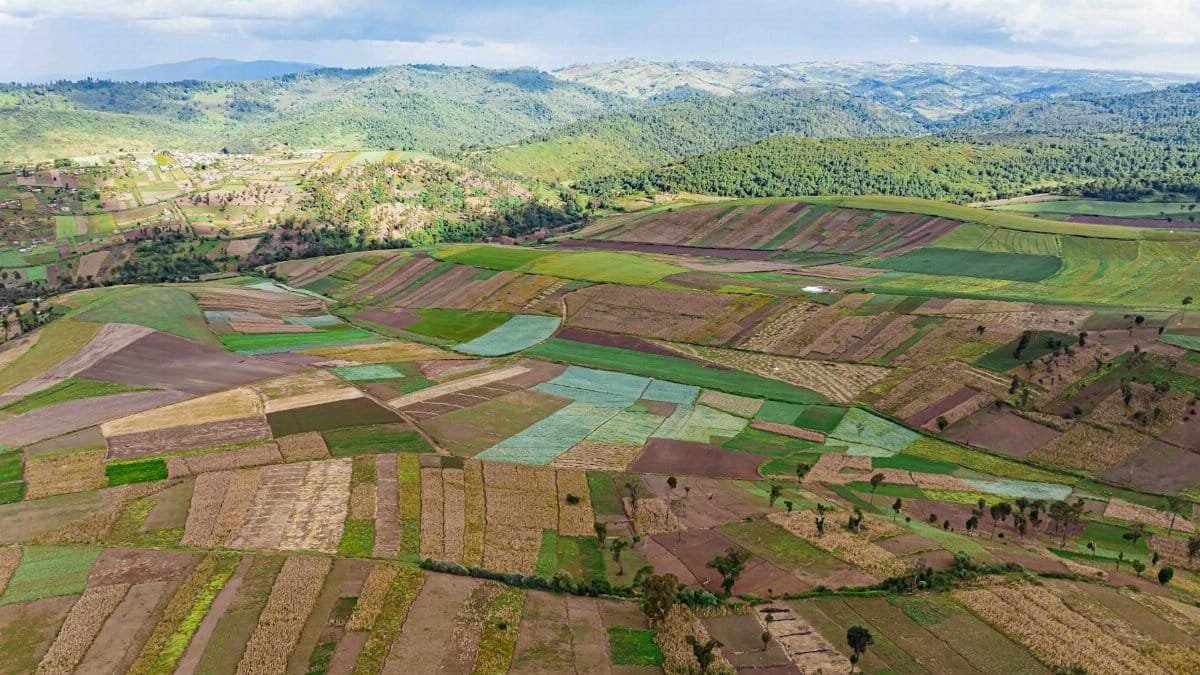
In the United States character education takes many forms reflecting the nations decentralized education system. Some districts emphasize social emotional learning while others draw on faith based traditions or secular virtue programs. The Greater Good Science Center at the University of California Berkeley has documented promising approaches including those that combine mindfulness training with lessons on kindness. Their research suggests that consistent schoolwide practices can improve student behavior and academic focus. Yet implementation varies widely. Wealthier suburban schools often have more resources to train teachers while urban districts struggle with basic needs. Political debates sometimes complicate matters with critics questioning whose values should be taught. Despite these hurdles pockets of innovation continue to emerge showing that American educators can adapt international lessons to fit local contexts.
Common Obstacles and How to Overcome Them
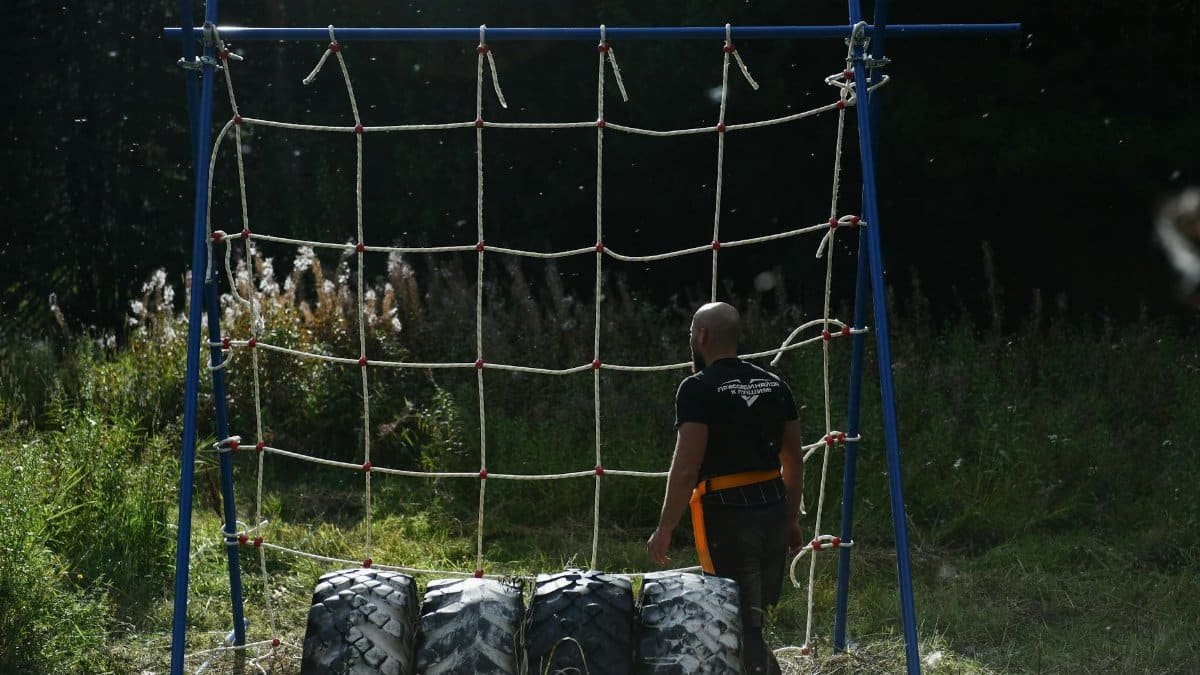
Schools everywhere face similar barriers when attempting meaningful character education. overcrowded schedules pressure to raise test scores and insufficient teacher training frequently top the list. Many programs falter when they become one more item on an already full agenda instead of a guiding principle. Successful initiatives tend to secure buy in from leadership and involve parents as active partners. Professional development that allows teachers to explore their own character strengths also proves essential. Additionally assessment remains tricky. While standardized tests measure math proficiency evaluating integrity or empathy requires more nuanced tools such as observation rubrics and student self reflection. Countries that have made progress treat character education as cultural work rather than a temporary program demanding patience and long term commitment from entire communities.
The Essential Role of Families and Communities
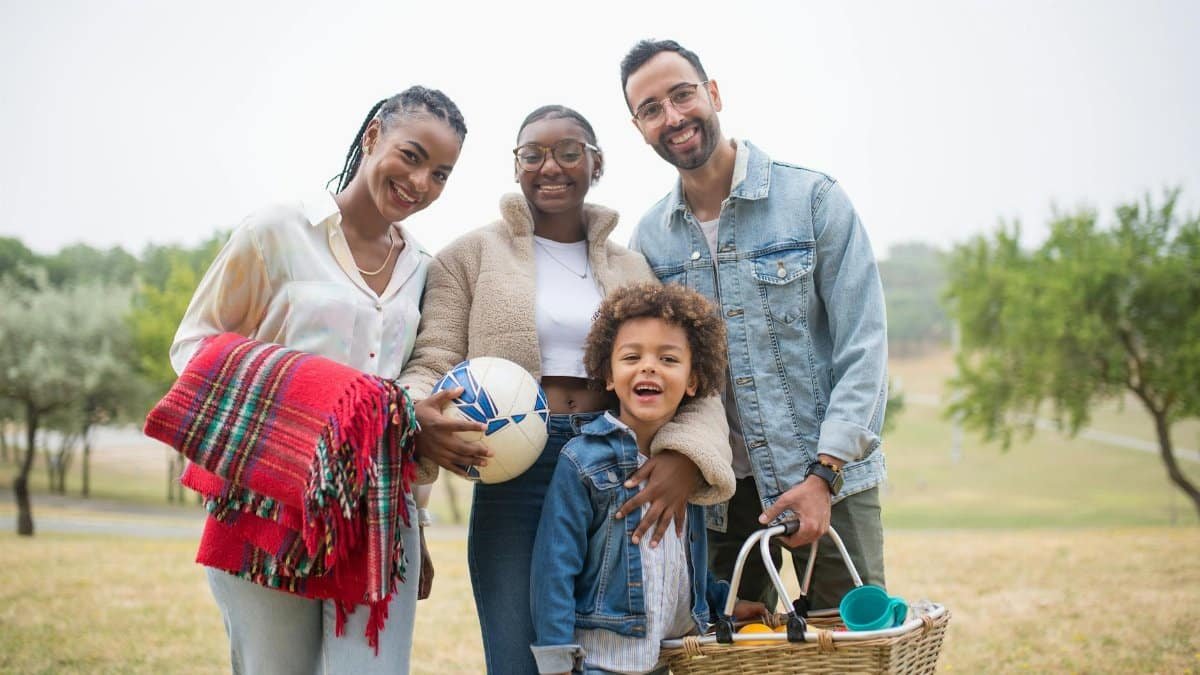
Schools cannot carry the full weight of character education alone. Research consistently shows that messages reinforced at home have far greater impact. In Taiwan for example family involvement is built into national character initiatives with workshops helping parents discuss values with children during evening meals. Community organizations from sports clubs to religious groups also play vital parts by providing arenas where young people practice virtues in authentic settings. When these spheres align students receive coherent guidance rather than mixed signals. Educators who reach out to families with humility and practical suggestions often see stronger results. This collaborative approach acknowledges that raising people of character represents a shared societal responsibility extending well beyond school walls.
Why These Global Lessons Matter Now
As polarization deepens and technology reshapes human interaction the need for intentional character education grows more urgent. Young people face complex ethical questions around artificial intelligence climate responsibility and digital citizenship that previous generations never encountered. Programs that nurture critical thinking alongside compassion offer hope for addressing these challenges wisely. The international examples explored here reveal no single perfect model yet they share core insights. Character education works best when it is woven into daily life modeled by adults and connected to genuine purpose. Schools that embrace these principles do more than prepare students for jobs. They help shape individuals capable of building more just and caring societies. The task before educators and families everywhere is to adapt these hard won lessons with creativity and cultural sensitivity to their own contexts. Progress will likely be incremental but the stakes could scarcely be higher.