

The first rain in more than two months did not announce itself with a drumroll. It showed up as a smear on windshields, a darkening of concrete, and a number so small it could be mistaken for a rounding error. At Dallas Fort Worth International Airport, gauges recorded 0.01 inches, enough to close the DFW 67 day dry streak and to remind a sprawling region how little water it takes to rewrite a headline.
A number small enough to argue with

One hundredth of an inch is not a soaking. It will not fill a stock tank or revive a brown lawn in a single afternoon. Meteorologists still count it, because official dry spells end when measurable rain reaches the gauge, not when puddles look impressive on social media. That rule can feel fussy to anyone who stood outside and felt only a mist. It is also the only way a region can compare one rainless run with another across decades of changing neighborhoods, runways, and instruments.
For readers who track weather the way some people track baseball, the distinction matters. A trace is a hint. A hundredth is a fact. Monday storms delivered the fact, then moved on, leaving many streets merely damp and many hopes only partly met.
What the airport clock is really counting

Dallas Fort Worth International Airport is not the whole metroplex, yet it is the scoreboard everyone quotes. Its instruments sit on open ground, away from downtown towers and tree lines that can nudge a shower one way or another. When that site stays dry, forecasters treat the silence as regional news, even if a lucky backyard in Plano or a ridge near Weatherford caught a brief shower that never made the official book.
That is why the DFW 67 day dry streak became a civic reference point rather than a private complaint. Office workers repeated the number in elevators. Youth soccer coaches canceled hopes for soft fields. The airport figure gave a scattered feeling a single, shared count.
How a dry run builds without drama

Long rainless stretches rarely begin with a declaration. They begin with a missed chance, then another, then a pattern that keeps Gulf moisture just out of reach or shoves storm tracks north and east. High pressure can sit like a lid. Fronts can arrive with wind and dust and leave without a drop. Each cloudless morning feels ordinary until someone does the arithmetic and realizes the last measurable rain belongs to another season of the calendar.
In North Texas, that arithmetic has a particular sting. The region is built for sudden weather, for hail, for green skies, for creeks that rise between dinner and bedtime. Silence from the sky feels like a missed appointment. Sixty seven days is long enough for dust to settle into window tracks and for the question of when, not whether, to dominate morning radio.
Lawns, lakes, and the quiet math of thirst
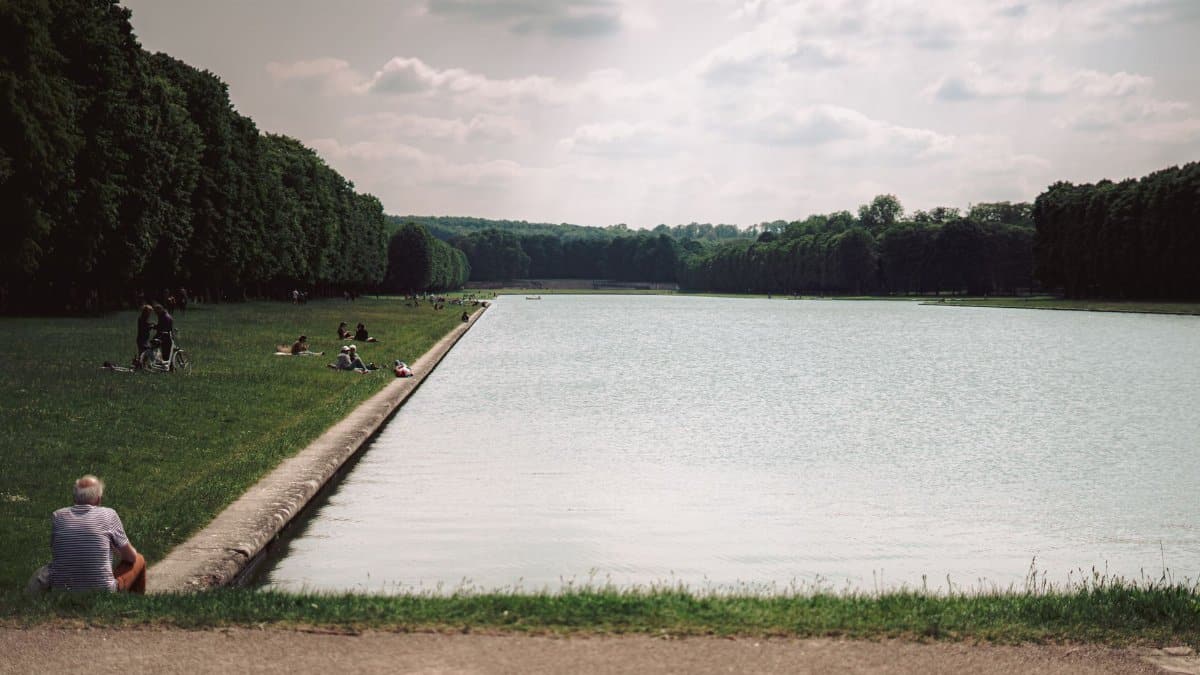
A dry streak shows up first in places people touch. Grass fades from green to straw. Foundation soils shrink and doors stick. Gardeners haul hoses at dusk and argue with themselves about watering bans they have not yet been handed. Lakes do not empty in nine weeks, but boat ramps tell a slower story, and reservoir managers watch inflows that never arrive.
City water systems are designed for worse than this. Still, demand climbs when irrigation, pools, and cooling all ask for more at once. The financial bite is ordinary and cumulative: higher bills, cracked mulch, a car wash that suddenly seems extravagant. None of that equals a historic drought by itself. Together it explains why a hundredth of an inch can feel like news worth the front of a weather page.
Storms that arrive without ceremony
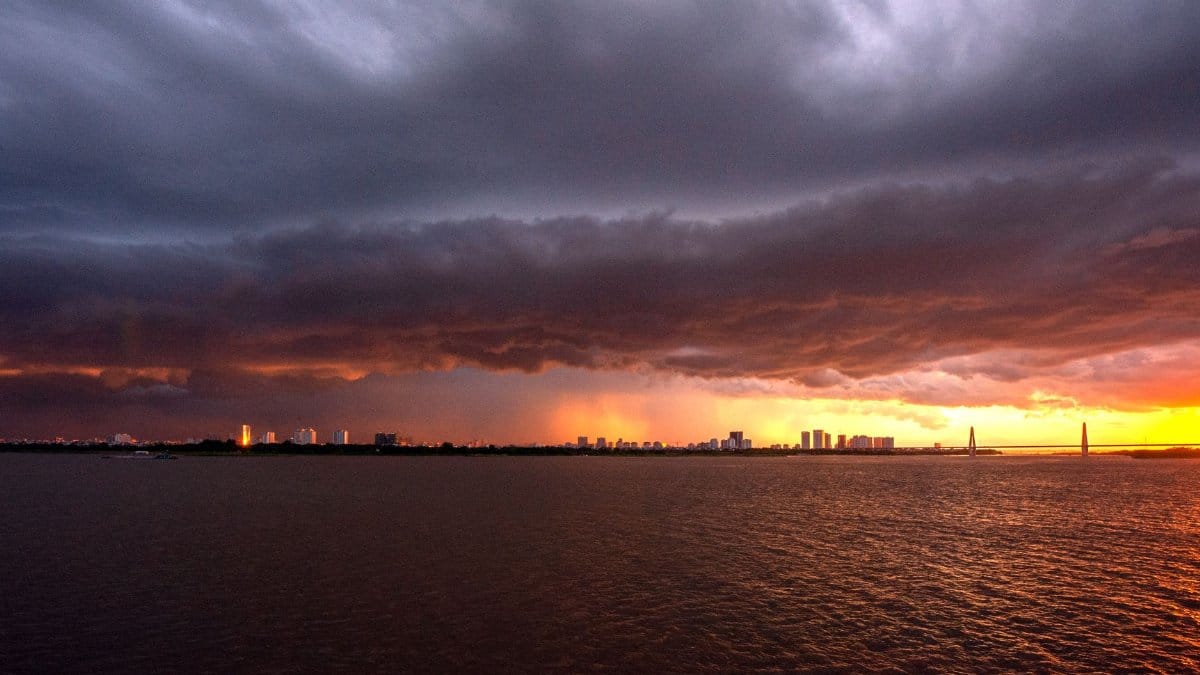
Monday did not need a famous storm name. Forecast discussions had already flagged the chance of showers and thunderstorms as a weak boundary and deeper moisture tried to cooperate. Some cells looked organized on radar and then fell apart. Others dropped brief rain on highways and left adjacent neighborhoods only smelling of wet dust, that sharp scent that returns the moment pavement finally darkens.
People who waited outside described the same small theater. A wind shift. A few heavy drops. A rumble that might have been traffic. Then either a short downpour or nothing you would bother to film. The official gauge did not care about the theater. It cared about 0.01 inches, and that was enough to end the count.
Farmers and ranchers reading a different clock
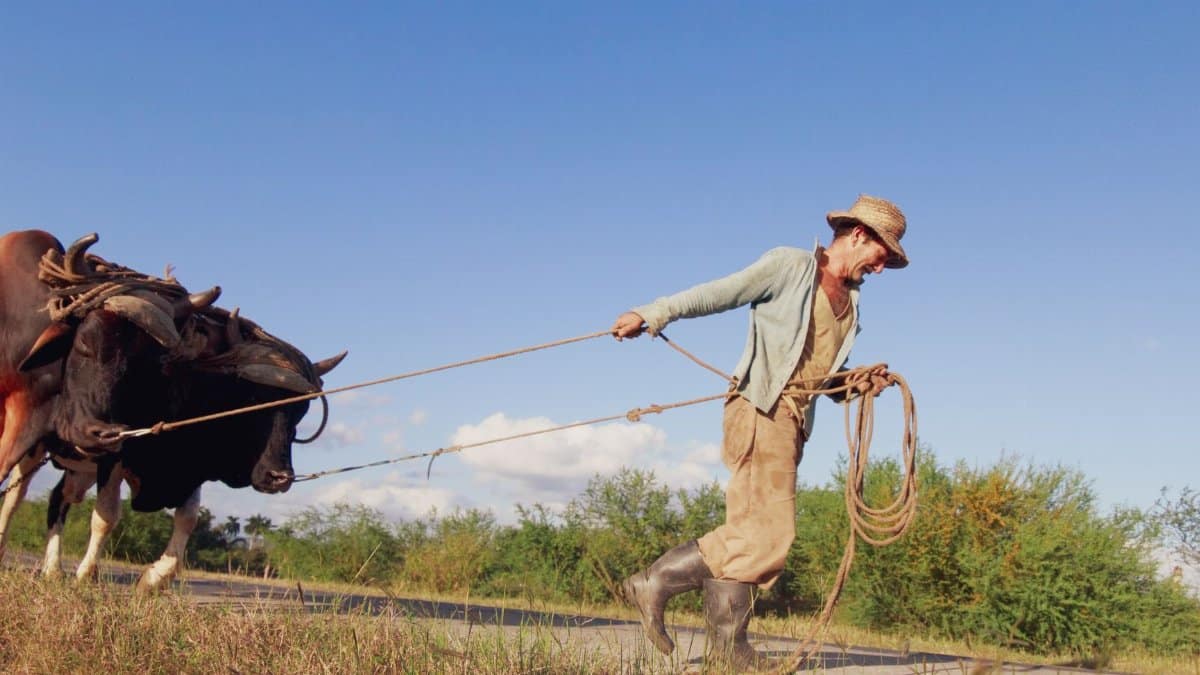
Outside the suburbs, the same streak carries a harder ledger. Winter grains and early pastures depend on timely rain more than on headlines. A missed window can mean thinner stands, costlier feed, and cattle moved sooner than planned. A hundredth of an inch at an airport does not equal a planting rain in a county two hours away. Farmers know that gap better than anyone who refreshes a city app.
Still, they listen for the official break because it signals a pattern may be loosening. One storm does not restore soil moisture at depth. It can, however, mark the moment when the next system has a better chance to matter. In agricultural counties, hope is practical. It sounds like a phone call about whether to wait another week before spending on supplemental feed.
City crews and the first wet pavement

Urban weather has its own chores. After weeks without rain, oil and rubber dust coat streets. The first shower can turn that film slick, which is why a modest storm sometimes produces more spinouts than a heavier one later in a wet season. Drainage crews know the other problem: leaves and grit packed into inlets, ready to pond water at the first real downpour even if this one stayed light.
Parks departments watch ball fields that turned to concrete. Fire crews watch grass that cures early along rail lines and highway shoulders. A dry streak is not only a story about missing rain. It is a story about surfaces, friction, and the small maintenance that nobody notices until the sky finally changes its mind.
Heat that lingered while clouds stayed theoretical

Rain is the headline, but temperature writes the subtext. Dry air and persistent sun push afternoons higher than a cloudy week would allow, and nights cool less once patios, roads, and rooftops have stored the day. People in middle age who grew up with more reliable spring soakers notice the shift in their routines: earlier walks, later yard work, a reluctance to leave dogs on open patios.
Health departments repeat familiar advice during these spells, not because a single rainless run is a crisis, but because heat plus dryness compounds fatigue. The advice is plain. Drink water. Check on neighbors. Do not trust a breeze to do the work of shade. None of that replaces rain. It keeps the wait from becoming something worse.
Records that sit just beside the headline

Local accounts framed the airport measurement as tying the region’s second longest rainless run. That phrasing deserves care. Records depend on which station you trust, which years you include, and whether a trace at a nearby site spoils a perfect story. Airport histories are long, but not infinite, and instruments have been moved, upgraded, and standardized over time.
What readers can hold onto is simpler. Sixty seven days without measurable rain at the region’s main climate site is rare enough to remember and common enough, in a variable climate, not to treat as the end of weather as anyone knew it. The DFW 67 day dry streak now belongs to that middle shelf of memory: not the worst, not forgettable, and useful as a marker the next time the sky goes quiet.
Why a hundredth of an inch still changes the story
Some residents will insist the streak should not have ended. Their rain barrels stayed empty. Their sidewalks dried within an hour. That frustration is fair, and it does not overturn the rule. Climate bookkeeping needs a threshold or every mist becomes a debate. Once the threshold is crossed, forecasters reset the clock and start counting again from zero.
The reset has a psychological use as well as a scientific one. A streak can become a kind of superstition, a number people carry like a grudge. Ending it, even barely, returns attention to what the next three days might bring instead of what the last sixty seven failed to bring. In a place famous for sudden turns, that shift in attention is not trivial.
What forecasters watch after the clock resets

The questions that follow a break are practical. Does moisture stay in place, or was Monday a one act visit? Are soils hard enough that the next heavier rain will run off instead of soak in? Will storms train over the same neighborhoods, the familiar North Texas habit that swaps drought worry for flood worry in a single evening?
Forecasters will look at wind profiles, leftover boundaries, and whether the Gulf keeps feeding the lower atmosphere. They will also warn, quietly, that one official hundredth does not equal a wet pattern. Patterns announce themselves over several chances, not one radar loop. Readers who want certainty will not get it. Readers who want a clearer set of odds usually will.
A region learning to read small numbers

There is a discipline in taking 0.01 inches seriously without inflating it. The DFW 67 day dry streak ended because instruments said so, not because creeks rose or festivals were washed out. That modesty is the point. Weather journalism fails when it treats every threshold as catastrophe or every disappointment as proof that forecasts are theater.
Middle aged readers in this metroplex have lived through ice, hail, flood, and furnace heat. They know scale. A long dry run that breaks on a barely measurable storm belongs in the category of consequential inconvenience, with a record note attached. It asks for attention, hose discipline, and a little humility about how much of daily life depends on water that no city council can schedule.
The morning after the count goes back to zero

By the next morning, the evidence was already thinning. Dark spots on concrete paled. Dust lifted again behind highway traffic. Gardeners stepped outside, judged the soil with a hand, and reached for the hose anyway. The headline had changed. The ground, in most yards, had not.
That gap between the official end and the felt end is where this story actually lives. The DFW 67 day dry streak is now a closed chapter in the airport record, tied in local telling to the second longest rainless run. What remains open is whether the next system brings a rain you can hear on a roof, or another number so small it has to be explained. North Texas has never needed much sky to start an argument. It only needed, this time, one hundredth of an inch to end one.