
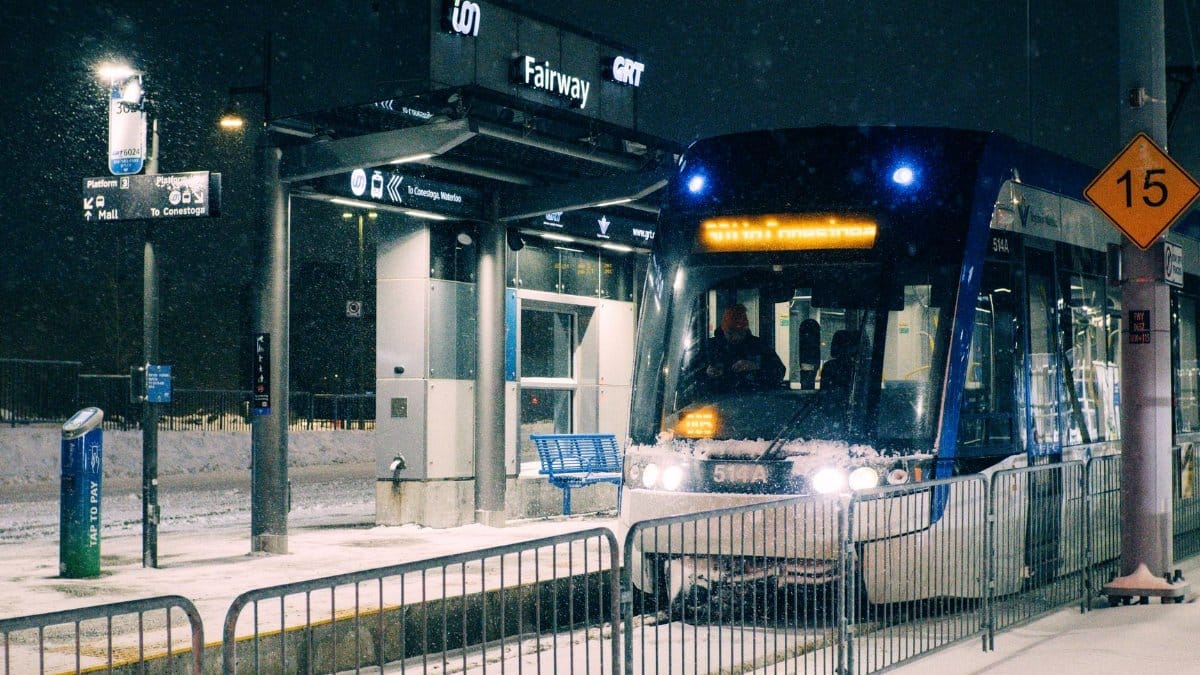
On a damp weekday morning in North Seattle, commuters gathered on a new platform where a highway and a quiet residential grid meet, waiting for a train that many of them had been promised for years. The Pinehurst light rail opening gave the neighborhood its first Link stop, a modest civic event that still felt large to people who had been driving to Northgate or standing in the rain for a bus. Sound Transit marked the day as the arrival of a station built between existing stops, not as the start of a fresh line. For riders, the distinction hardly mattered. A train now stops where it did not stop before.
A stop the maps finally include

Pinehurst sits in the broad band of North Seattle between Northgate and the Shoreline city line, a place of bungalows, apartment blocks, small businesses, and the constant noise of Interstate 5. For years the light rail tracks ran through this stretch without a public door. Trains passed. Residents watched. The nearest stations were close enough to envy and far enough to ignore on a wet evening with groceries in hand.
The new station changes that arithmetic. A person who lives within a reasonable walk can now treat the train as a neighborhood service rather than a regional one that begins somewhere else. That is the quiet power of an infill stop. It does not redraw the map of the region. It fills a hole that daily life had already noticed.
What the platform offers on day one

Riders stepping off the first trains found the familiar pieces of a modern Link station: elevators, stairs, ticket machines, real time arrival signs, and shelters that do little against a sideways rain but still beat an open curb. Sound Transit designed the stop to plug into the existing 1 Line rather than to announce itself with a grand hall. The architecture is practical. The point is access.
Staff and volunteers helped first time riders tap cards, find the right direction, and understand that this station is not an end of the line. Trains continue north toward Shoreline and south toward Northgate, the University of Washington, downtown, and the stations beyond. For many passengers the useful question was simpler. How many minutes did this save compared with the bus, and would the walk home still feel safe after dark?
The cost of adding a station after the fact

The Seattle Times has reported that the North Seattle stop cost about $240 million, a figure that startles people who remember when light rail was sold as a clean alternative to endless road widening. Building a station into a line that is already running is not cheap. Crews work beside active tracks. They manage traffic, drainage, utilities, and the safety rules that come with heavy rail in a tight urban corridor. The bill includes more than concrete and steel. It includes years of planning, community meetings, and the slow work of fitting a regional system into a neighborhood that was never a blank slate.
Critics will say the price is too high for one stop. Supporters will say the price of not stopping is paid every day in longer bus rides, more cars on local streets, and a rail line that skips the people living beside it. Both arguments can be true at once. Public works in a built city rarely arrive as bargains. They arrive as choices about who gets time back.
Why new stations may pause for years
The same reporting frames this opening as the last new station until at least 2031. That sentence deserves a slow reading. A region that has spent two decades arguing about rail alignments, ballot measures, and construction delays is now looking at a gap in which the map may not gain another dot. Extensions already under construction will still open on their own schedules, but a brand new station of this kind is not expected soon.
For Pinehurst, the timing cuts both ways. The neighborhood got its stop before the pause. Other communities waiting on a platform of their own may spend the rest of the decade watching renderings. Riders who hoped the system would keep adding doors at a steady clip will have to measure progress in frequency, reliability, and maintenance instead. A railroad can improve without inaugurating a station. It can also stagnate while leaders point at a future date.
Buses, bikes, and the walk from the porch

A station is only as useful as the last half mile. King County Metro buses already thread Pinehurst and the streets around Northeast 130th, and the opening gives those routes a stronger reason to connect rather than to compete. A well timed bus can turn a ten block walk into a short ride. A poorly timed one can make the train feel theoretical.
Cyclists have a similar test. The station area includes places to lock a bike, but the streets leading there were not designed as a showcase for calm riding. Hills, highway ramps, and fast traffic still shape the trip. People who can walk the distance in daylight may hesitate at night. None of that erases the value of the stop. It does remind planners that a platform is the middle of a journey, not the end of the responsibility.
Housing, small business, and the fear of change

Wherever a train begins to stop, the conversation turns to land. Some neighbors welcome more apartments within walking distance because the region is short of homes and long on commutes. Others worry that new buildings will price out renters who endured the construction and will not be around to enjoy the result. Small businesses near the station hope for foot traffic without hoping for a wave of chain stores that treats the block as a highway exit with better branding.
These tensions are not unique to Pinehurst, and they will not be settled by an opening ceremony. What the station does is make the debate less abstract. A vacant lot near a train is no longer just a vacant lot. A bus stop that once felt peripheral may become a front door. The public interest is not to freeze the neighborhood in the year before the first train, nor to treat every parcel as a speculation. It is to keep people who already live here able to use the service built in their name.
How a morning routine bends

Ask a North Seattle commuter what changed and the answer is rarely poetic. It is a clock. Someone who drove to Northgate and hunted for a garage space may now walk to Pinehurst and board there. Someone who transferred twice on buses may make one transfer, or none. A parent taking a child to a campus farther south may find the trip predictable enough to drop a backup plan that involved a spouse and a car.
Those savings are uneven. A rider headed downtown at rush hour feels them immediately. A rider whose job starts before the first frequent train, or ends after the last convenient bus home, may shrug. Light rail succeeds when it covers the ordinary day, not only the ideal one. The Pinehurst light rail opening will be judged less by speeches than by whether the 7:40 in January still feels worth leaving the house for.
Living beside the tracks while they learned to stop
Construction of an infill station is a neighborly experience only in the most technical sense. Pile driving, night work, lane closures, and dust become part of the calendar. People who supported the project in principle still lost sleep in practice. People who opposed it had their objections confirmed by months of noise and then had to decide whether to ride the thing anyway.
That history matters on opening day, which can look like a celebration to officials and like the end of a long inconvenience to the block. A little humility from the agency goes further than a banner. Clear signs, working elevators, and a schedule that matches the one posted online are the apologies that count. The rest is rhetoric.
What Sound Transit owes the riders who show up
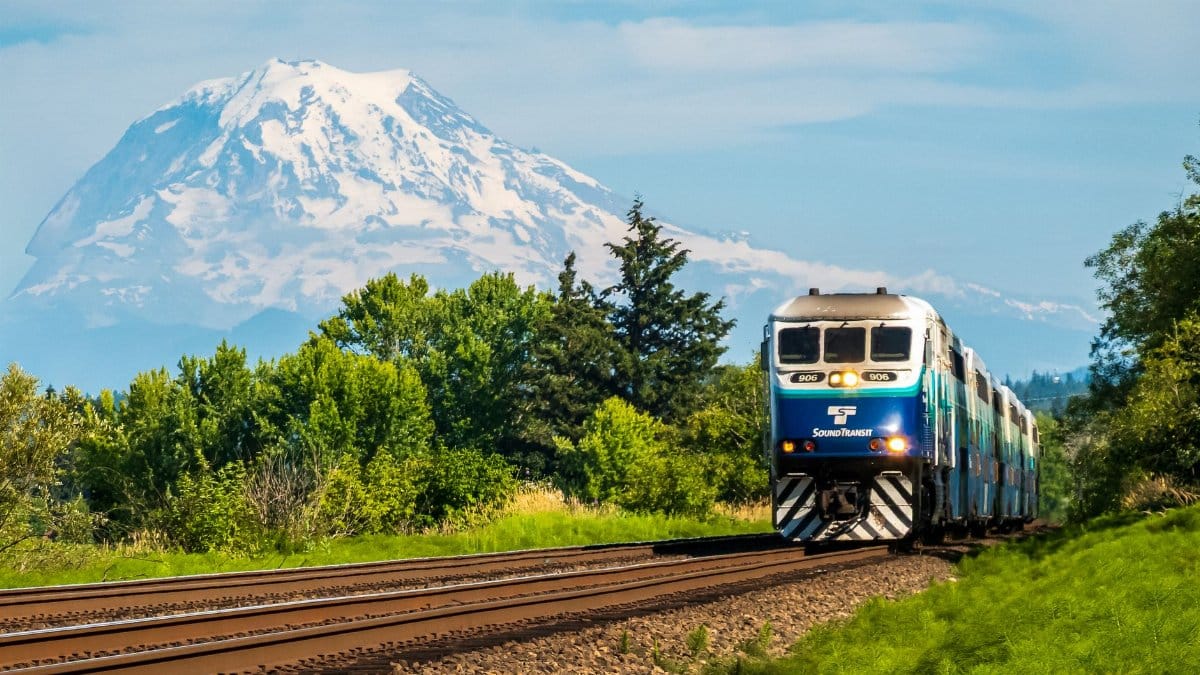
Sound Transit now has a simple duty at this stop: run the railroad. Trains that arrive when the screen says they will, elevators that are not out of service for weeks, and fare rules that a visitor can understand without a tutorial. The agency has improved parts of the rider experience over the years and stumbled on others, from staffing shortages to mechanical trouble to the ordinary friction of a system that grew faster than its habits.
Pinehurst will not fix those larger problems, and it should not be asked to. It should be kept clean, safe, and connected. If crime or disorder rises around the platform, the response has to include transit police, local officers, lighting, and services for people in crisis, not a shrug that public space is inevitably grim. A station that people avoid after dusk is a station that has failed half its purpose.
The long gap after the ribbon

If this is indeed the last new station until at least 2031, the years ahead will test whether the region can care for what it has already built. Maintenance is not a headline. Neither is the unglamorous work of buying rail cars, training operators, and keeping buses timed to the train. Yet those are the projects that decide whether the Pinehurst light rail opening ages into a habit or a disappointment.
Voters and riders have a right to ask where the next dollars go. A pause in station openings can be a chance to finish extensions already underway, to stabilize service, and to tell the truth about costs. It can also become an excuse. The difference will show up in travel times, not in strategic plans.
A neighborhood measures the distance in blocks

Stand at the station in the late afternoon and the regional story shrinks to something you can walk. Students head toward campus connections. Health care workers ride south. Older residents test the elevator and the wording on the signs. A few people take photos because a first train still feels like an event, even in a city that has grown used to openings, delays, and debates.
North Seattle did not need a speech to understand what changed. It needed a place to stand and a train that stops. The Pinehurst light rail opening supplied both. Whether the stop becomes part of the ordinary week depends on frequency, on the buses waiting nearby, and on a city willing to let people live close enough to use it. For today, the platform is open, the fare is the same as everywhere else on the line, and the next train is no longer someone else’s.
Questions the first week should answer

The first days will produce anecdotes, and some of them will be wrong. One crowded train does not prove the station was underbuilt. One empty platform at midday does not prove it was unnecessary. What matters is the pattern: how long people wait, how often elevators fail, whether bus transfers actually meet the rail schedule, and whether riders from the surrounding blocks return on Thursday after trying the system on Monday.
Reporters, agency staff, and neighbors would do well to watch those details without inflating them into a verdict on all of Sound Transit. A single station can be a success and still sit inside a network that needs work. It can also be a handsome platform that people decline to trust. The honest record will be written in repeat trips.
Readers who want the agency’s own account can start with Sound Transit. The cost figure and the warning that this may be the last new station for years come from coverage in The Seattle Times, which has followed the project through planning and construction. Those sources will matter more than the ribbon. So will the rider who, a month from now, no longer thinks of the stop as news.
After the cameras leave

Opening days flatter infrastructure. The paint is clean, the staff is present, and the complaints have not yet piled up in an inbox. The more revealing morning is the one with no officials and no photographers, when the Pinehurst light rail opening has faded into a phrase people use only if asked, and the station is simply where they catch the train.
That is the standard worth keeping. North Seattle waited through construction for a door onto a line that already ran past its windows. The door is open. The years until the next new station, if the current forecast holds, will show whether the region treats that door as a promise kept or as a finished task. Riders will not need a slogan to tell the difference. They will know by whether the train is there when they are.