
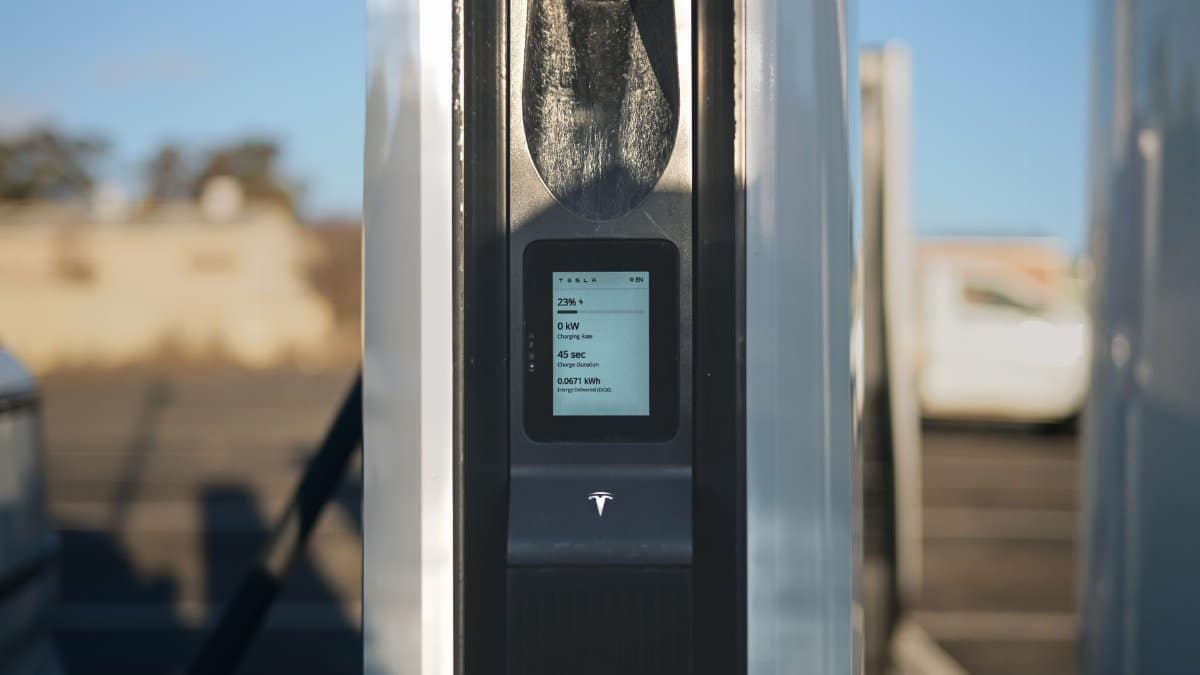
On a humid afternoon outside Hangzhou, a driver can step away for a short coffee and return to a car that has already recovered most of its usable range. That scene, still uncommon on American interstates, is the practical face of China EV fast charging, a push by the country’s largest automakers to shrink a stop from a sit down meal into a few minutes. Geely has said one of its packs can move from 10 percent to 70 percent in about 4.5 minutes, a figure reported by the Los Angeles Times that would rewrite the math of a road trip. The United States has quicker plugs than it did five years ago. It does not yet have a mass market answer to that clock.
What a 4.5 minute claim is really saying

A percentage is not a promise of a full battery, and readers should keep that distinction close. Moving from 10 percent to 70 percent leaves a third of the pack untouched, which is often the slowest and hottest part of a charge. Even so, 60 percentage points in roughly the time it takes to buy a drink is a different product from the 20 to 40 minute stops many American drivers still plan around. Geely’s statement, as covered by the Los Angeles Times, sits inside a wider Chinese contest in which several makers have advertised charges measured in single digits of minutes rather than in a lunch break.
Speed on a slide is not the same thing as speed at a crowded station on a holiday weekend. Automakers test packs under controlled temperatures, with cables and power electronics matched to the car. A driver who arrives with a hot battery, a shared cabinet, or a payment screen that stalls can lose the advantage before the first kilowatt arrives. The headline number is a ceiling. Daily life is an average, and averages are where trust is won or lost.
How China EV fast charging left the laboratory
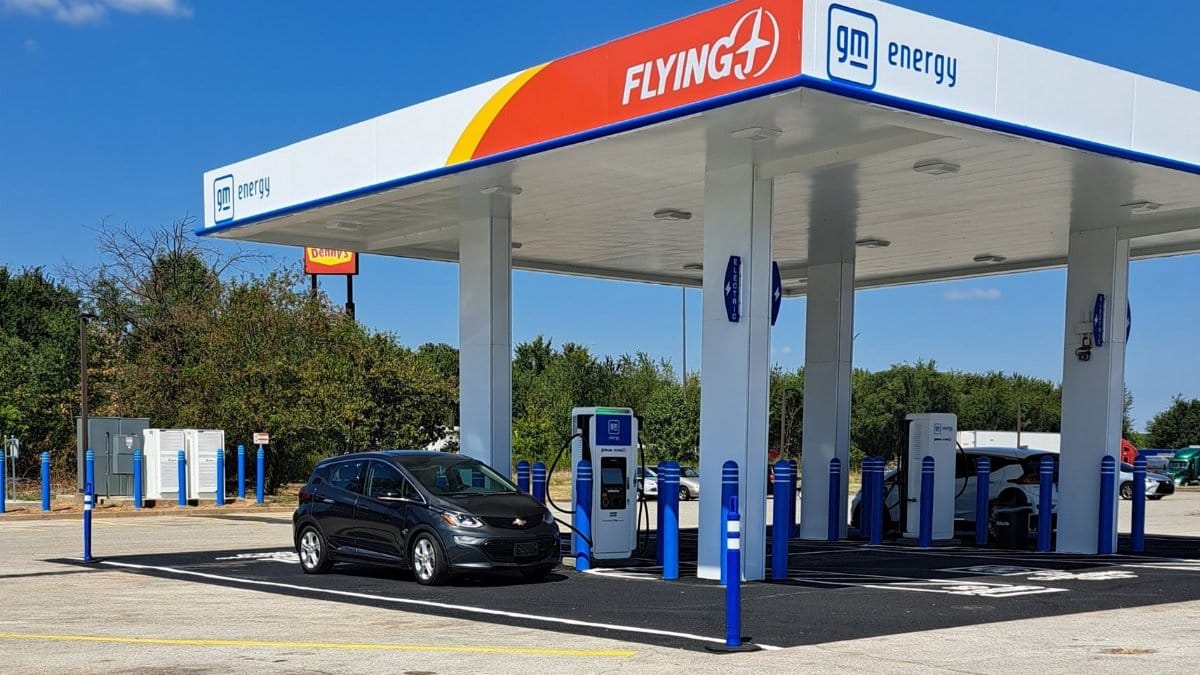
China did not reach this point with a single clever cell. It built an industrial stack: cathode and anode suppliers, pack makers, car companies, and a public network that grew because national and local governments treated charging as infrastructure rather than as a niche amenity. When a manufacturer can sell hundreds of thousands of cars that expect very high power, the stations follow, and the stations in turn justify the cars. That loop is the quiet engine of China EV fast charging.
Companies such as BYD and Contemporary Amperex Technology have spent years selling the idea that a battery can be both affordable and quick to refill. Some of their claims concern lithium iron phosphate packs, a chemistry long dismissed in the United States as too modest for premium range. Chinese engineers chased power by changing particle design, tab layout, cooling plates, and the voltage of the car, not by waiting for a miracle material. The result is less a gadget than a supply chain that can repeat a difficult trick at volume.
The plug on an American shoulder
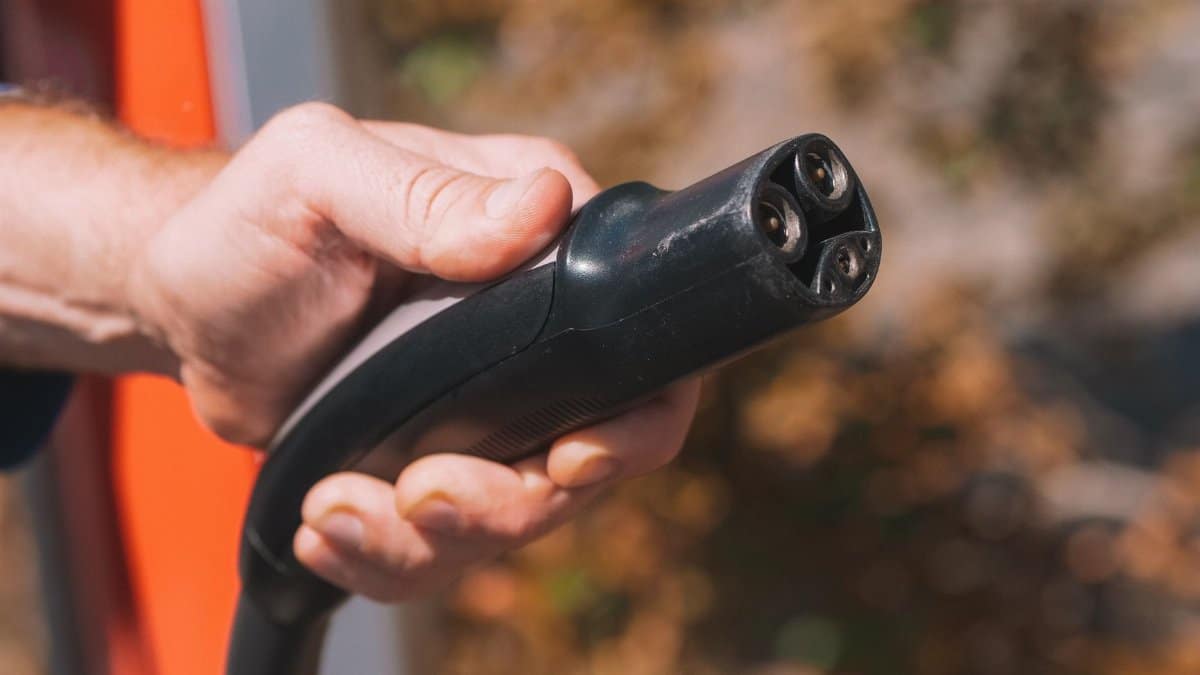
American fast charging has improved, especially along corridors where Tesla opened its network and where Electrify America, EVgo, and utilities added cabinets. A late model car on a healthy 350 kilowatt post can add a serious amount of range while a passenger uses a restroom. That is real progress. It is not the same as a national expectation that a mainstream sedan will recover most of a depleted pack before the receipt prints.
The gap is not only hardware. Many American stations still fail in small, maddening ways: a connector that will not seat, an app that does not recognize the card, a cabinet derated because the afternoon is hot. Drivers learn to carry backup plans. In a market where gasoline remains familiar and quick, every unreliable electric stop is an argument for waiting. China EV fast charging matters in that comparison because it attacks the emotional objection, the fear of being stuck, rather than only the spreadsheet of cost per mile.
Heat is the quiet limit
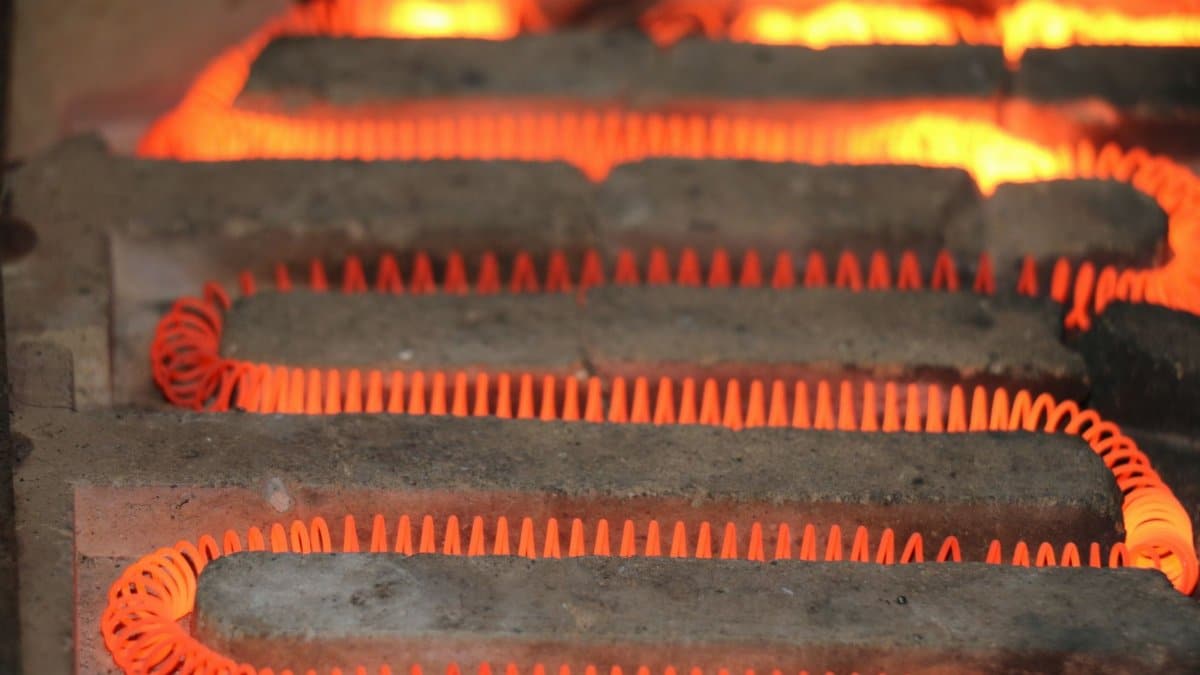
Pouring energy into a battery is a thermal problem before it is a marketing problem. High current heats cells, welds, and busbars. If the cooling system cannot pull that heat away, the car must slow the charge to protect itself, and the five minute story becomes a fifteen minute story. Chinese packs aimed at this pace tend to use aggressive liquid cooling, thinner cells or redesigned electrodes, and software that preconditions the battery while the driver is still on the highway.
There is a second cost that brochures mention lightly. Very fast charging, repeated for years, can age a pack faster than gentler home charging, depending on chemistry and on how often the owner actually uses the extreme setting. A honest product lets most energy arrive overnight at home or at work, and treats the ultra fast stop as a tool for travel. If China EV fast charging is sold as an everyday habit, warranty data over the next several years will tell us whether the cells agree.
A grid that was not built for a stampede

A single cabinet capable of the power Geely is describing can draw as much electricity as a small building. A row of them at a highway plaza begins to look like a factory. China has been willing to run heavy distribution lines to retail sites and to pair stations with storage so the local feeder is not asked to swallow every peak at once. American utilities can do the same work. They often cannot do it on the timetable a car launch demands.
Interconnection queues, transformer shortages, and arguments over who pays for an upgrade turn a two year construction job into a five year one. Rural cooperatives and crowded urban feeders face different versions of the same bind. Without those wires, the cleverest cell is a parked promise. The American lag is therefore not a failure of curiosity in Detroit or California. It is a failure of sequencing: vehicles announced before sites, sites announced before substations, substations waiting on equipment that the whole world also wants.
Plugs, payment, and the last ten feet
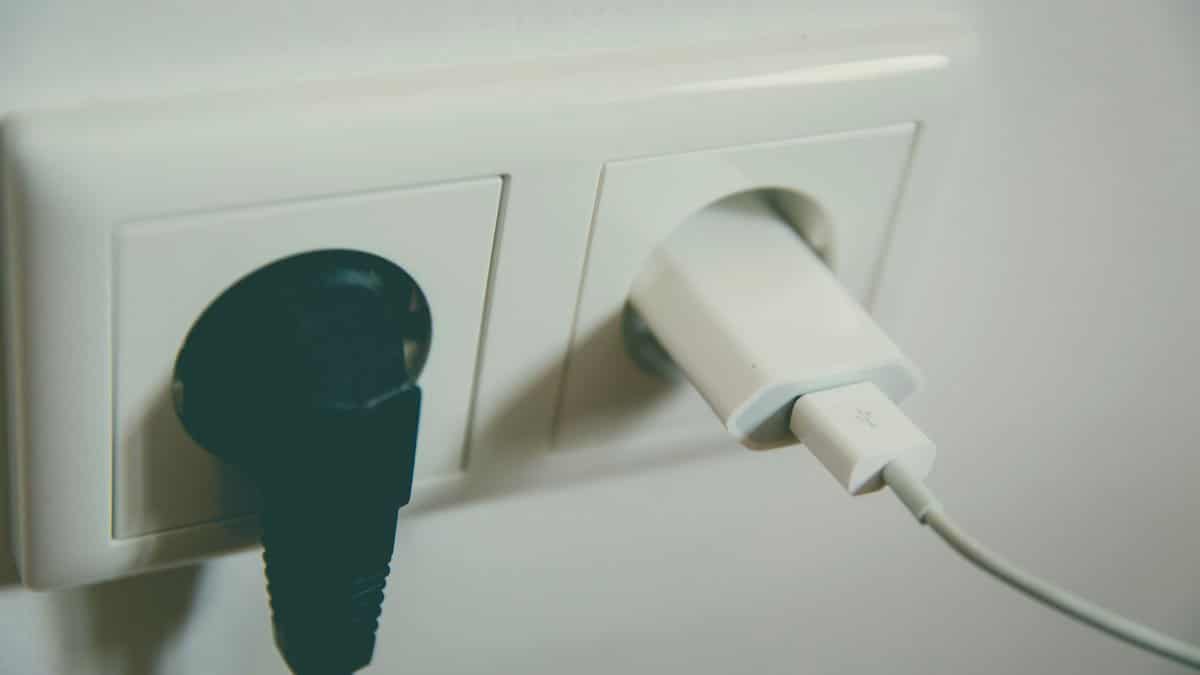
Standards decide whether a fast battery can meet a fast plug. The United States has been migrating toward the North American Charging Standard after years of split connectors. That consolidation should reduce the adapter folklore that made early road trips feel like a hobby. It does not, by itself, raise the power ceiling. A shared plug shape can still hide a 150 kilowatt cabinet behind a sign that implies more.
Payment is the other last ten feet. Chinese drivers often start a session from a single super app tied to the car or to a widely used wallet. American drivers still meet a patchwork of memberships, idle fees, and screens designed by committee. None of that is as photogenic as a 4.5 minute curve. All of it decides whether the curve is available to a person who does not enjoy troubleshooting. China EV fast charging will not translate if the American version keeps asking customers to become part time network engineers.
Who pays for the minute you save

Ultra fast hardware is expensive to buy, to cool, and to insure against vandalism and weather. Someone pays: the automaker, through bundled access; the site host, through traffic and retail sales; the utility customer, if regulators socialize the upgrade; or the driver, through a high price per kilowatt hour. Chinese firms have accepted thin margins to lock in users. American charging companies, many of them still hunting for profit, have less room to give minutes away.
There is also a strategic read. Beijing has treated electric vehicles as an export industry and as a way to cut oil imports. A charge time that embarrasses foreign rivals is useful industrial policy, not only a consumer feature. Washington has subsidized factories and tax credits, yet it has been slower to treat the public plug as a piece of national equipment with the same urgency as a bridge. Until that political fact changes, engineering talent alone will not close a gap measured in minutes.
What drivers should believe

I have sat in American fast charge lanes where the posted rate and the delivered rate were distant cousins, and I have listened to owners describe Chinese stops that felt closer to a fuel visit than to a picnic. Anecdote is not a dataset. It is a warning against both boosterism and dismissal. The credible claim is narrower: Chinese manufacturers have shown, in public statements and in cars now on their roads, that a large slice of a pack can be refilled in about five minutes under the right conditions. American manufacturers and networks have not made that experience ordinary.
Ordinary is the word that matters. A prototype day for journalists does not move a family in Ohio. What would move them is a station every reasonable distance, a car that can accept the power without drama, a price that does not punish the traveler, and a session that starts on the first try. China EV fast charging has started to assemble those pieces at home. The United States still has the cars, the capital, and the highways. It has not yet decided that the minute itself is worth the concrete, the copper, and the political fight required to deliver it.